Who Decides National Symbols, Holidays, and Ceremonies
Key takeaways
- Congress sets most national symbols by law, including the anthem in 1931, the motto in 1956, the national bird in 2024, and the 11 federal holidays.
- The President and governors decide when flags fly at half-staff, and Presidents declare national days of mourning and can give federal workers extra days off.
- The Flag Code sets rules for displaying the flag but has no penalties, and the Supreme Court has protected flag burning as political protest since 1989.
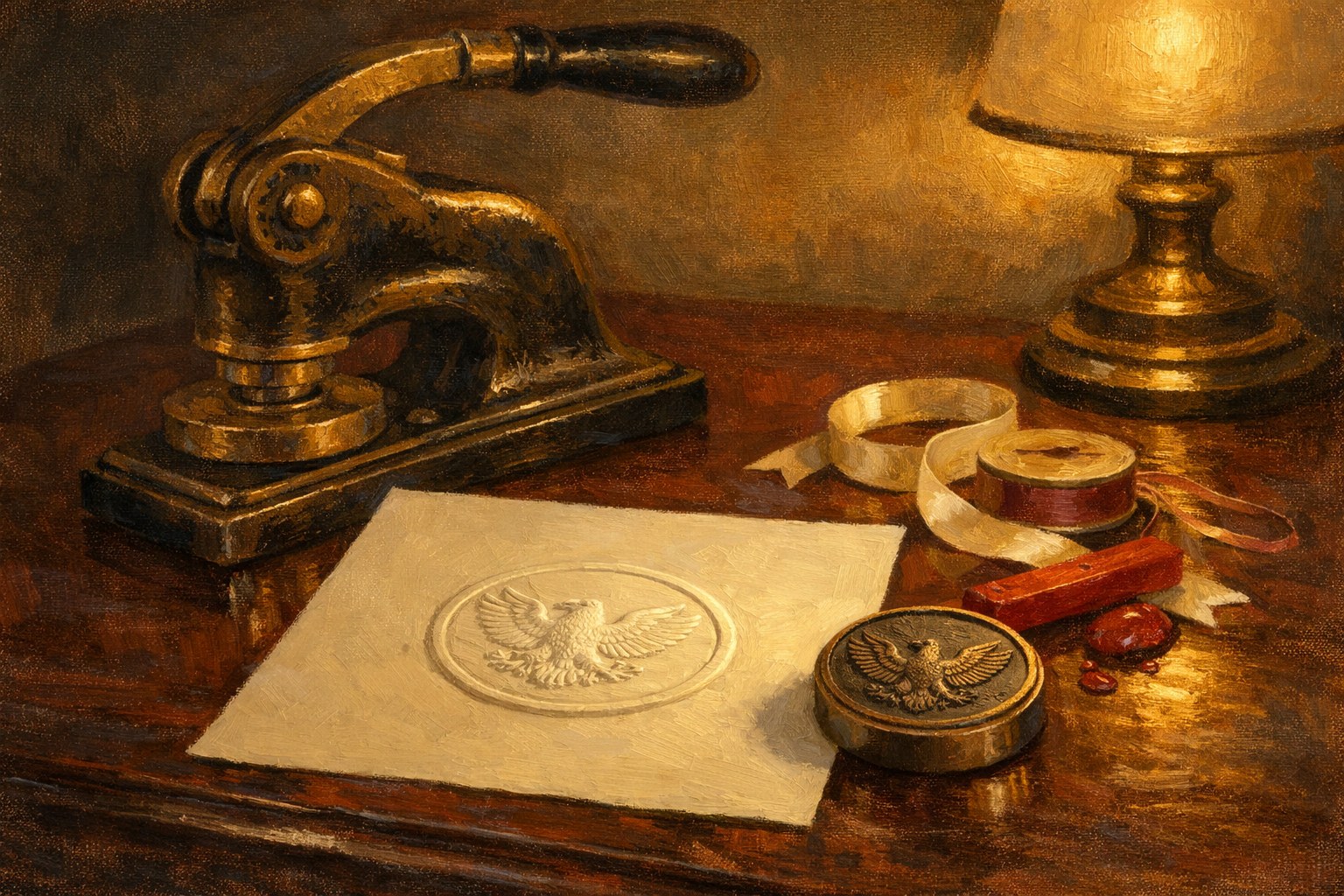
- The Great Seal, adopted in 1782, is kept by the Secretary of State and authenticates treaties and other key documents.
- Presidents receive state funerals planned by the military, and lying in state in the Capitol Rotunda requires the approval of Congress.
- Symbols remain contested, from Indigenous Peoples' Day to anthem protests and base names.
National symbols and ceremonies are meant to unite, but deciding what they are and how they are honored involves Congress, the President, the courts, the military, and sometimes heated public debate.
This guide explains who decides what, from the flag and seal to holidays and state funerals, and the controversies that have surrounded them.
Congress has set 11 federal holidays, which apply to federal workers and the District of Columbia: New Year's Day, Martin Luther King Jr. Day, Washington's Birthday, Memorial Day, Juneteenth, Independence Day, Labor Day, Columbus Day, Veterans Day, Thanksgiving, and Christmas, plus Inauguration Day in the capital region every four years. Juneteenth was added in 2021. States and private employers choose their own holidays. Presidents proclaimed Indigenous Peoples' Day from 2021 to 2024, while the President recognized only Columbus Day starting in 2025, and many states and cities mark both.
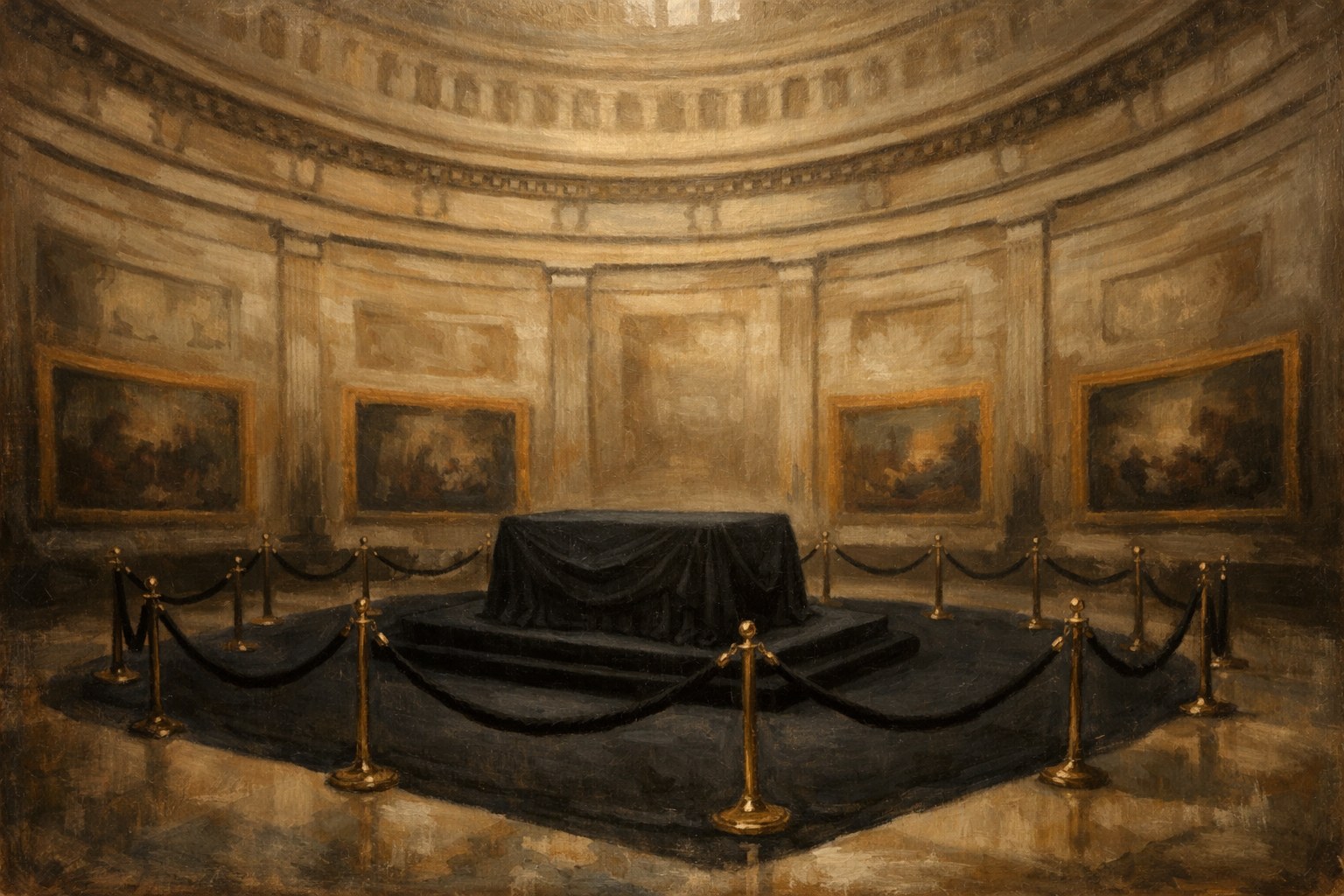
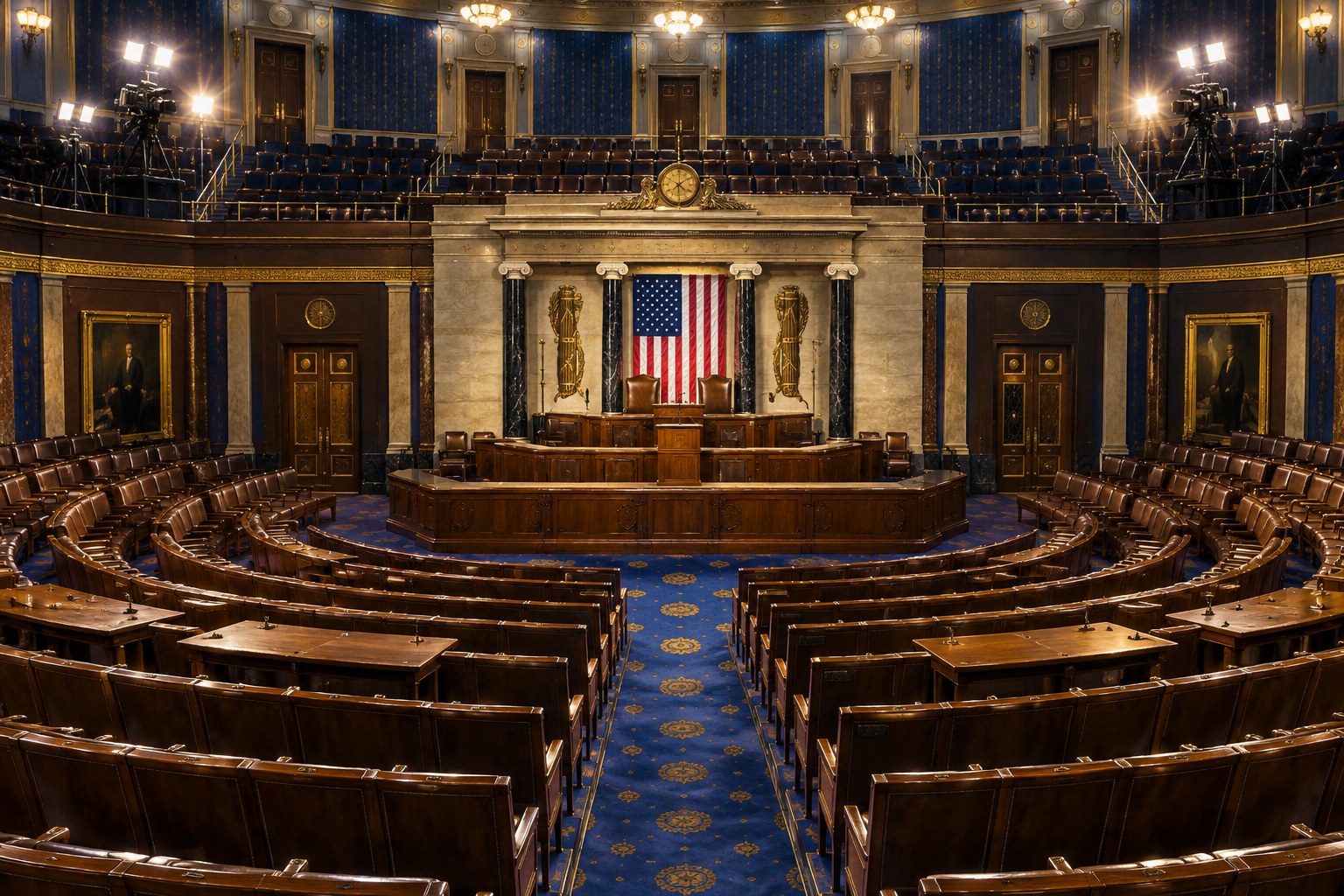
Presidents, former Presidents, and Presidents-elect are entitled to state funerals, planned years ahead by the military with the family. Congress decides who lies in state in the Capitol Rotunda, on the catafalque built for Abraham Lincoln, and private citizens such as Rosa Parks and Billy Graham have lain in honor. Jimmy Carter's state funeral on January 9, 2025, included lying in state in the Rotunda, a service at Washington National Cathedral, and a national day of mourning.
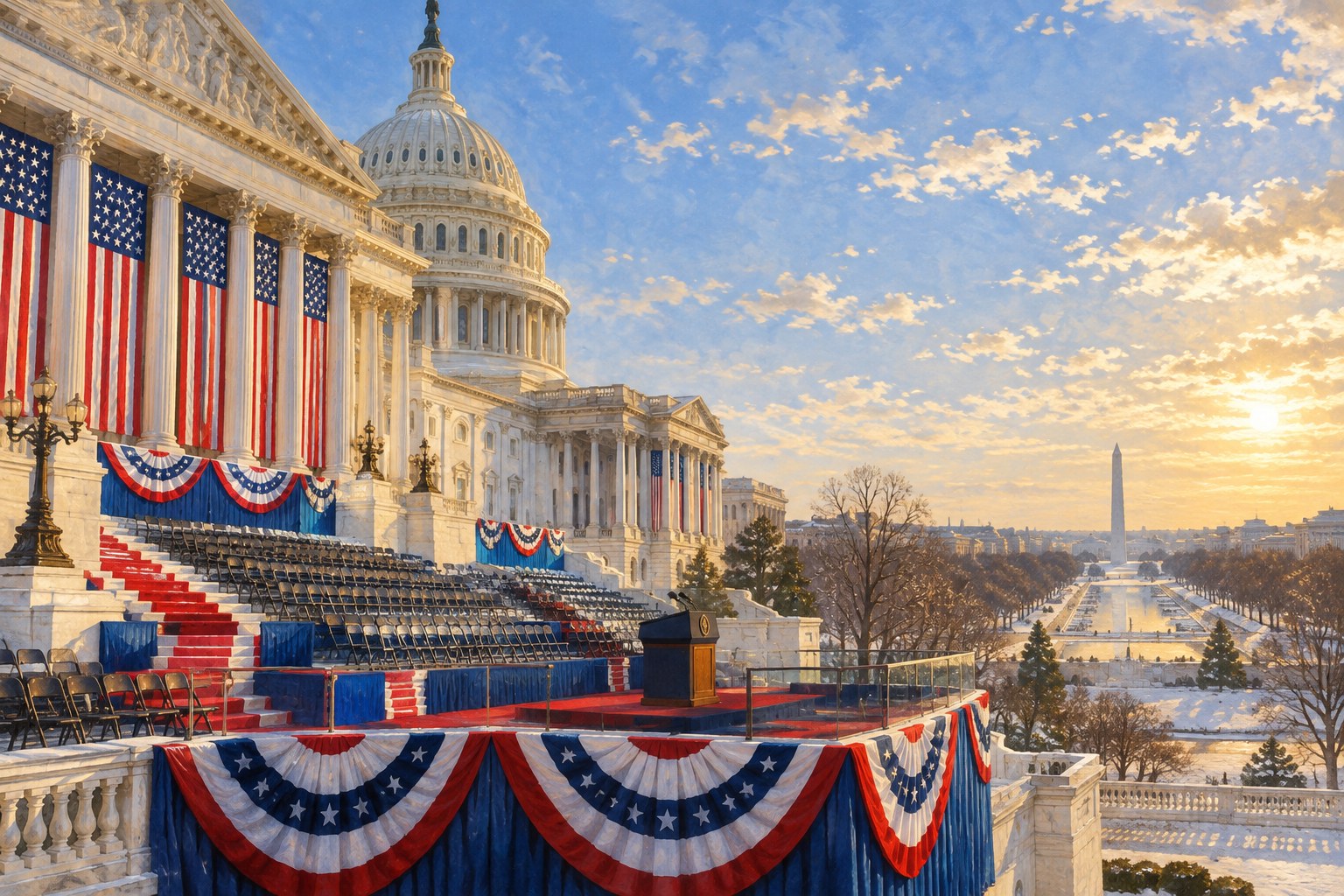
Other national ceremonies include the inauguration, the State of the Union address, and wreath-layings at Arlington on Memorial Day and Veterans Day. The nation marked its 250th anniversary on July 4, 2026, with events planned by a congressional commission and special coins and stamps. Debates over symbols continue, including the names of military bases, which were changed in 2023 to remove Confederate names and largely restored in 2025 using different namesakes, as well as monuments, holidays, and protest during the anthem.
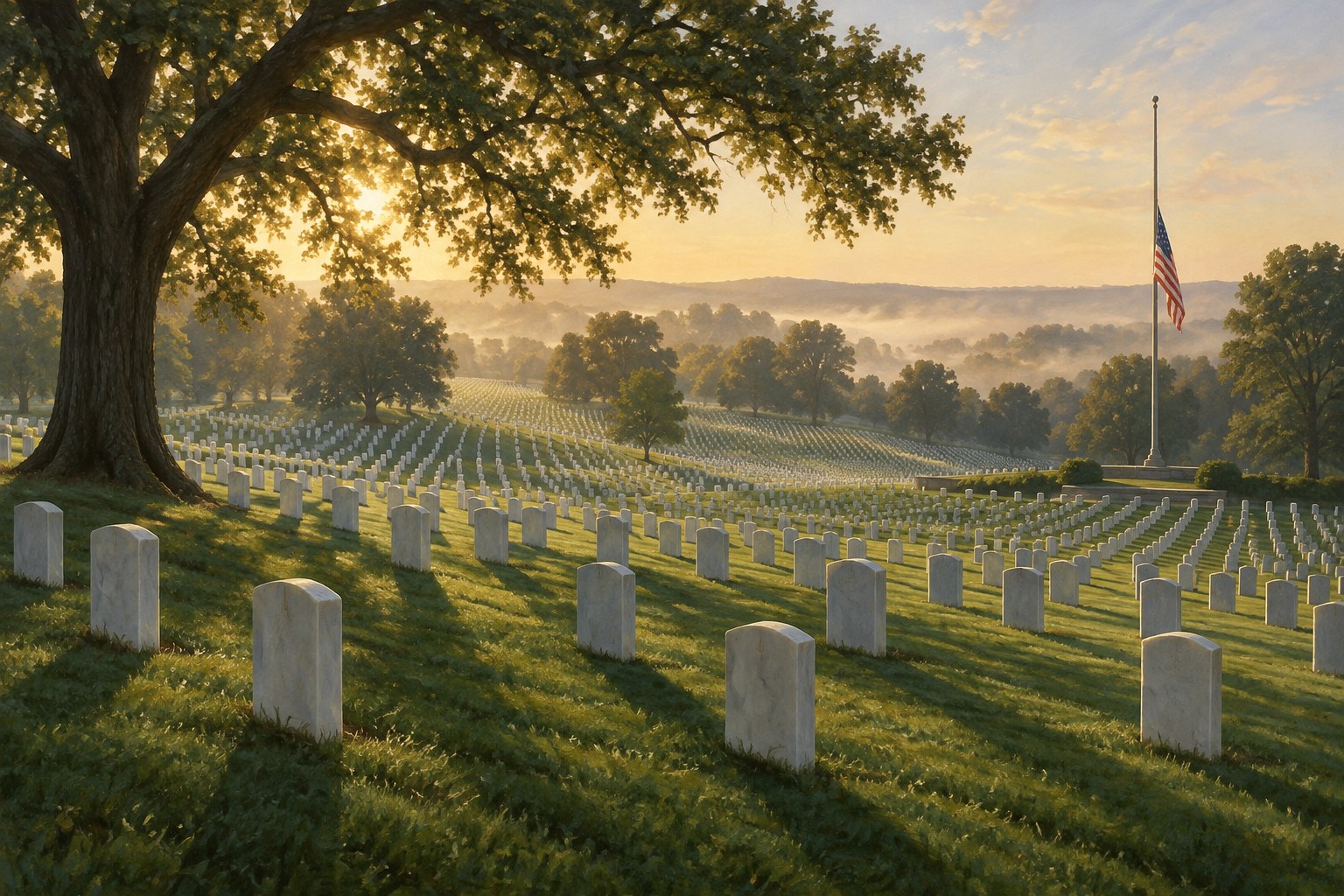


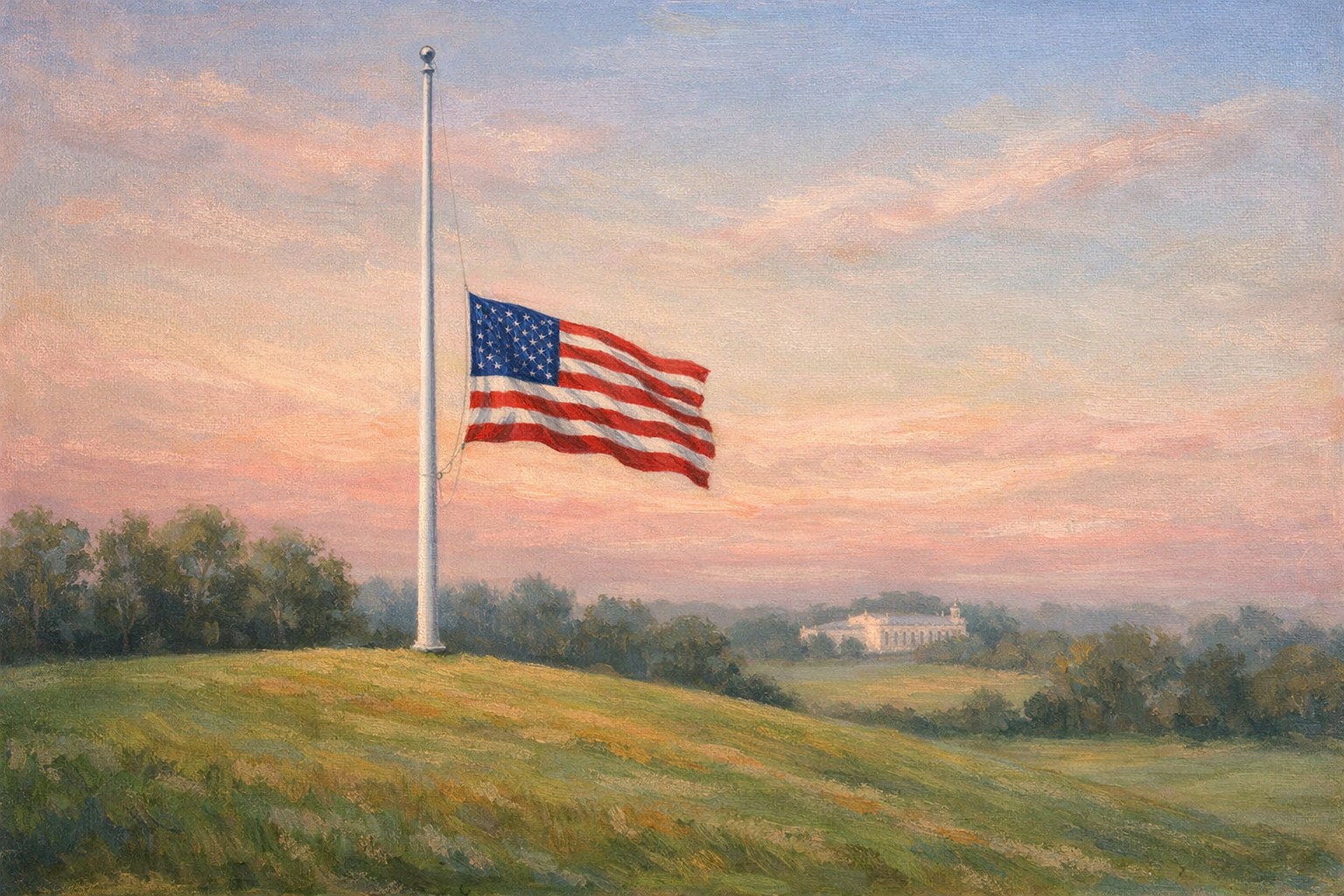
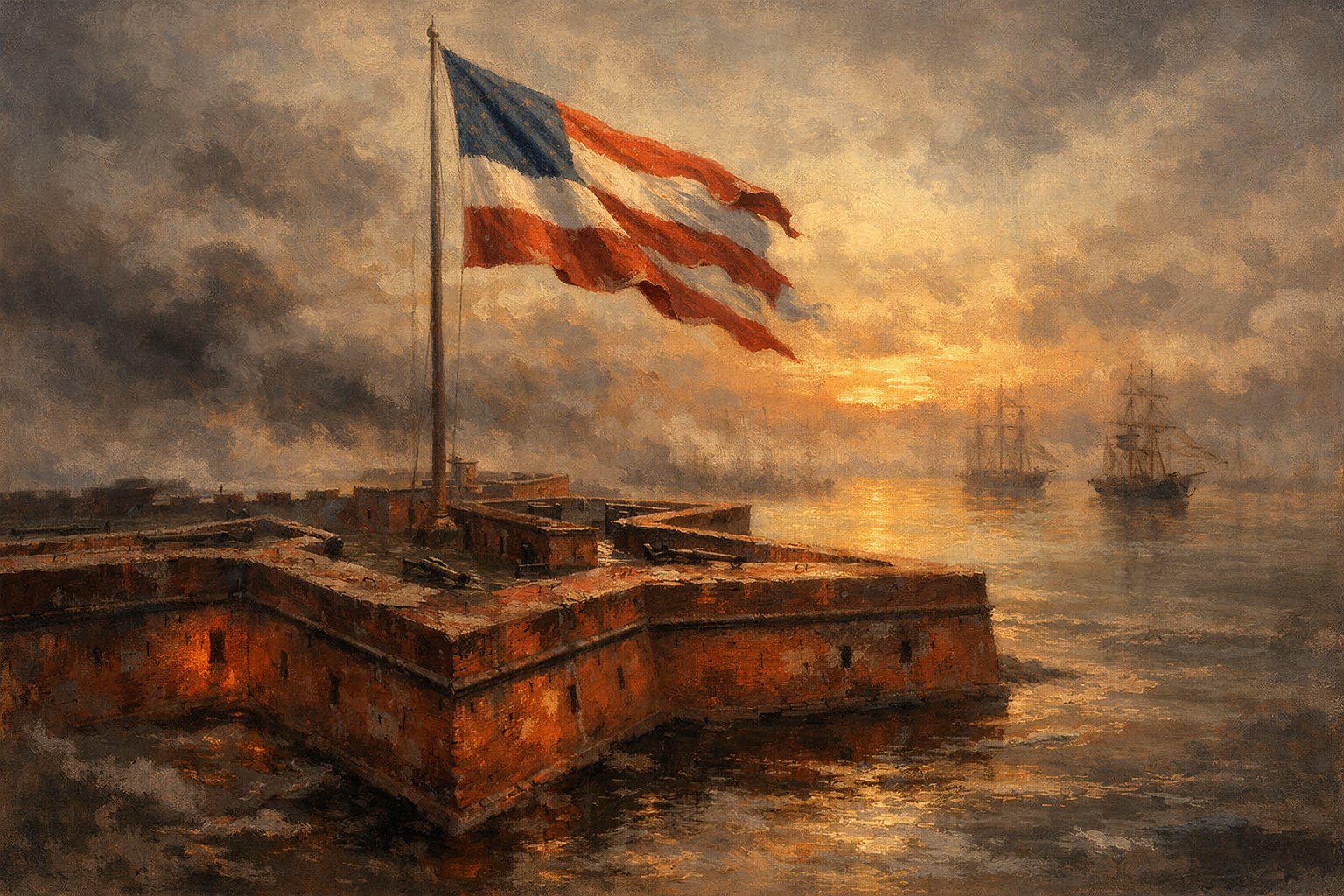
The Stars and Stripes was adopted on June 14, 1777, and the 50-star flag on July 4, 1960. The Flag Code of 1942 says how to display, fold, and retire the flag but sets no penalties for civilians. Only the President or a governor can order flags to half-staff. In 1989 and 1990 the Supreme Court held that flag burning as protest is protected speech, and constitutional amendments to allow a ban have failed. An August 2025 executive order told prosecutors to pursue flag burning that also violates other laws.
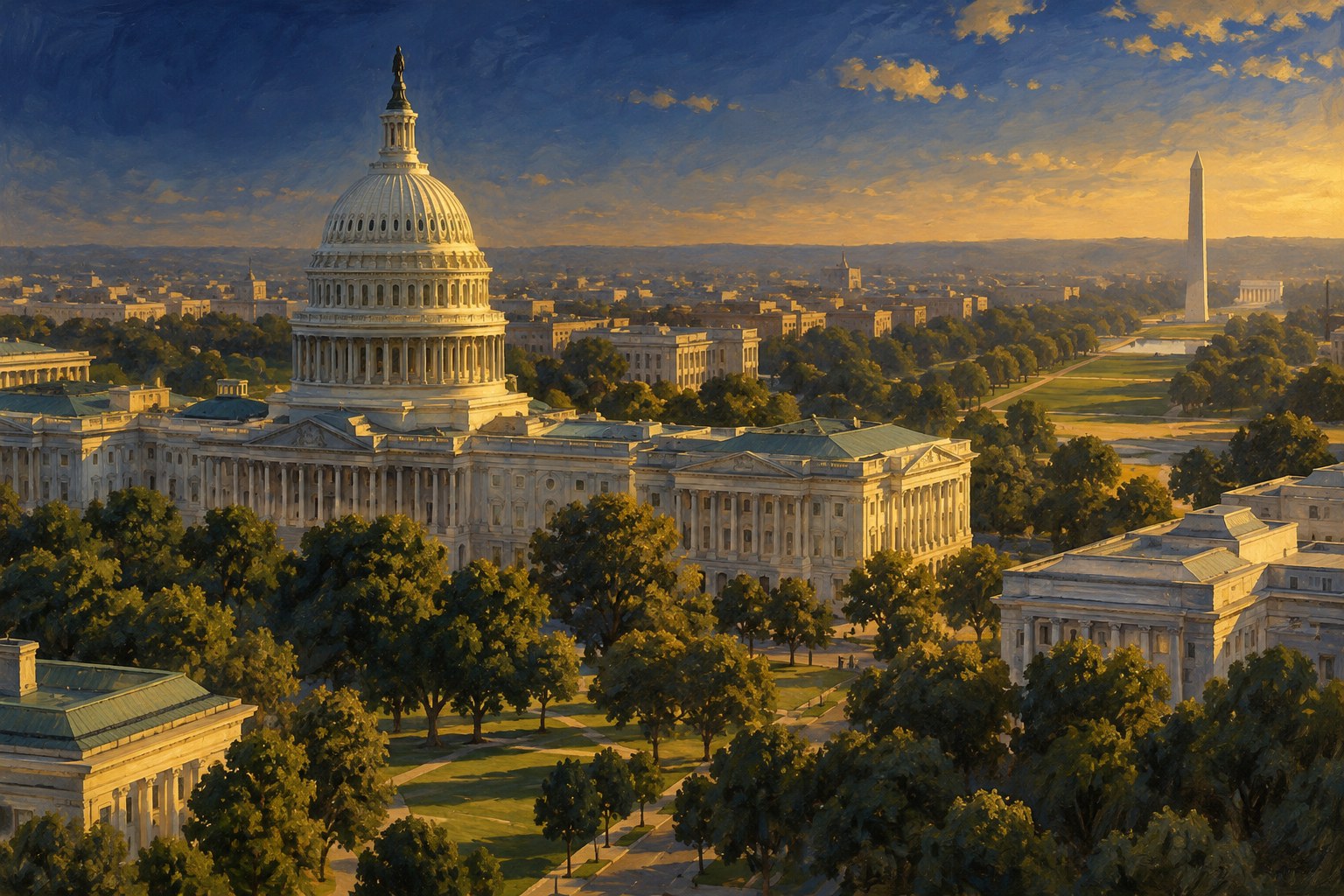
Congress sets most national symbols by law in Titles 4 and 36 of the U.S. Code: the flag rules, the Great Seal, the anthem, the motto, the national flower, tree, mammal, and, since a law signed in December 2024, the bald eagle as national bird. The President issues proclamations for observances, orders flags to half-staff, and can give federal workers extra days off. The State Department keeps the Great Seal, the military plans state funerals, and the courts decide how far the government can require respect for symbols.
The Star-Spangled Banner, written by Francis Scott Key in 1814, became the national anthem in 1931. In God We Trust became the national motto in 1956, appearing on money, and the Pledge of Allegiance, written in 1892, was recognized by Congress in 1942 and changed to include under God in 1954. In West Virginia v. Barnette in 1943 the Supreme Court held that schools cannot force students to salute the flag or recite the pledge, and anthem protests by athletes have sparked repeated public debate.
See the founding documents in the founding documents of government, what new citizens learn about symbols in the U.S. civics test explained, or free speech rules in what the government can and cannot restrict.