Federal Holidays
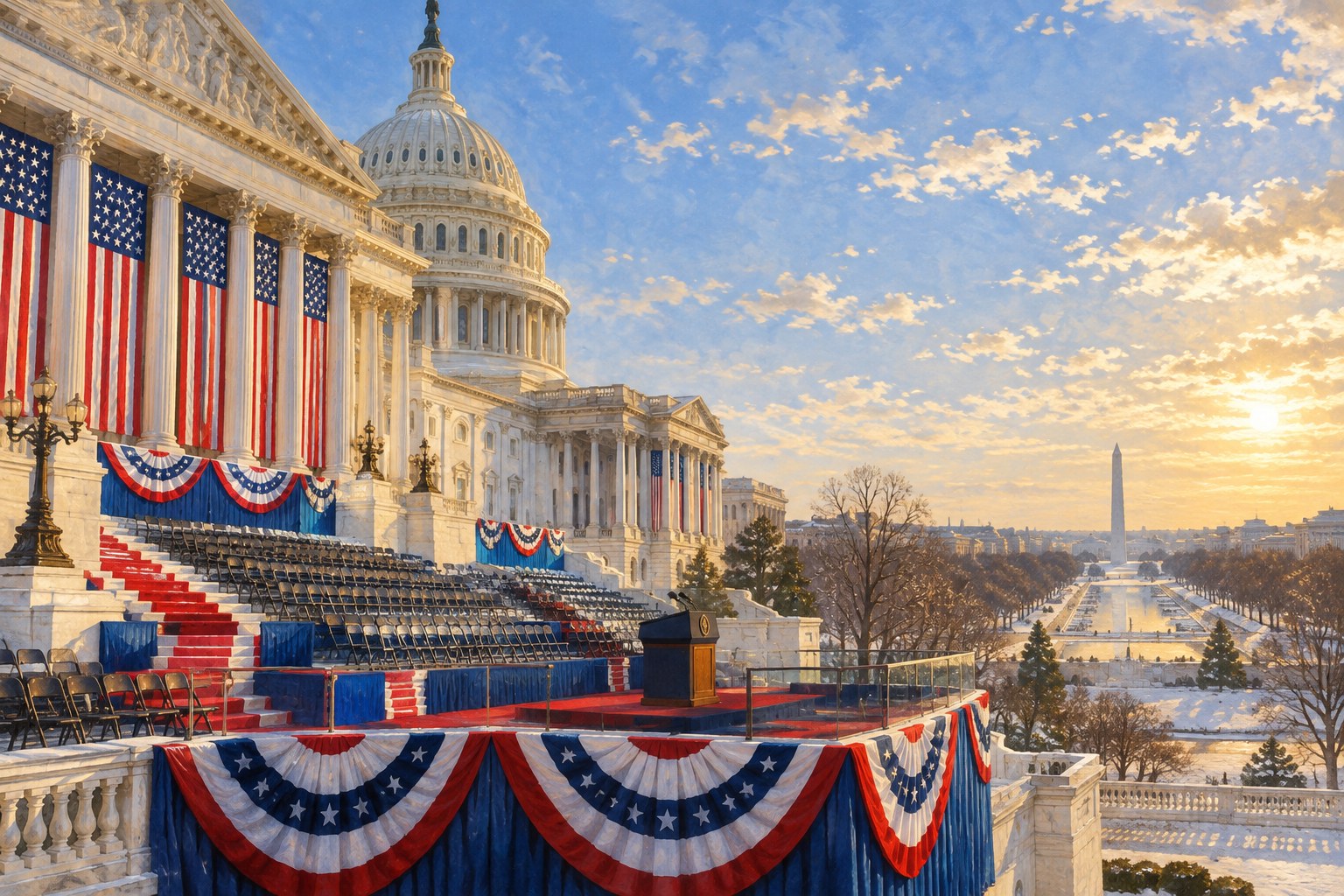
Federal holidays are set by Congress in Title 5 of the U.S. Code and apply to federal employees and the District of Columbia. Congress first made holidays for federal workers in Washington in 1870, including New Year's Day, Independence Day, Thanksgiving, and Christmas. There are now 11: New Year's Day, Martin Luther King Jr. Day, Washington's Birthday, Memorial Day, Juneteenth, Independence Day, Labor Day, Columbus Day, Veterans Day, Thanksgiving, and Christmas, plus Inauguration Day every four years for federal workers in the Washington area.
The Uniform Monday Holiday Act of 1968, effective in 1971, moved several holidays to Mondays to create three-day weekends. Martin Luther King Jr. Day was signed into law in 1983 and first observed in 1986, and Juneteenth, marking the end of slavery in Texas in 1865, was added on June 17, 2021, by a near-unanimous Congress. Presidents may give federal workers extra days off by executive order, as around Christmas in several recent years. States, cities, and private employers decide their own holidays, though banks generally follow the Federal Reserve's calendar.
Holidays carry symbolic weight. Many states and cities celebrate Indigenous Peoples' Day alongside or instead of Columbus Day, and Presidents issued proclamations for it from 2021 to 2024, while the President recognized only Columbus Day from 2025. Proposals in Congress would add Election Day as a holiday to increase turnout, while others note each holiday costs the government a day of work. The official name of the February holiday remains Washington's Birthday, though it is popularly called Presidents Day.
| Status | Active |
| Legal basis | 5 U.S.C. 6103 |
| Official site | opm.gov |
| Number | 11 permanent holidays |
| Set by | Congress, 5 U.S.C. 6103 |
| Newest | Juneteenth, June 17, 2021 |
| Monday holidays | Since 1971 |
| Applies to | Federal employees and Washington, D.C. |
| Date | First federal holidays June 28, 1870 |