U.S. Paper Currency
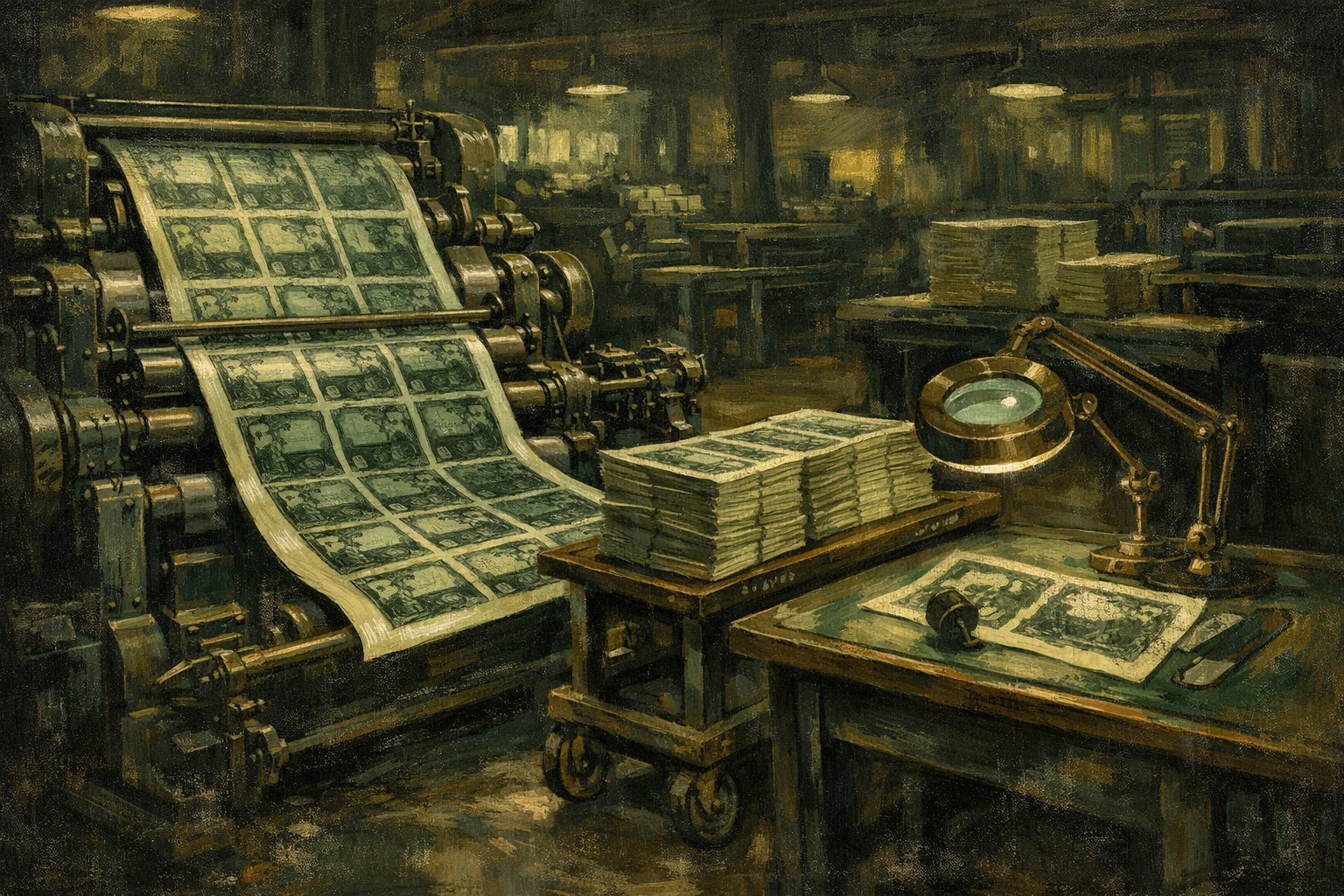
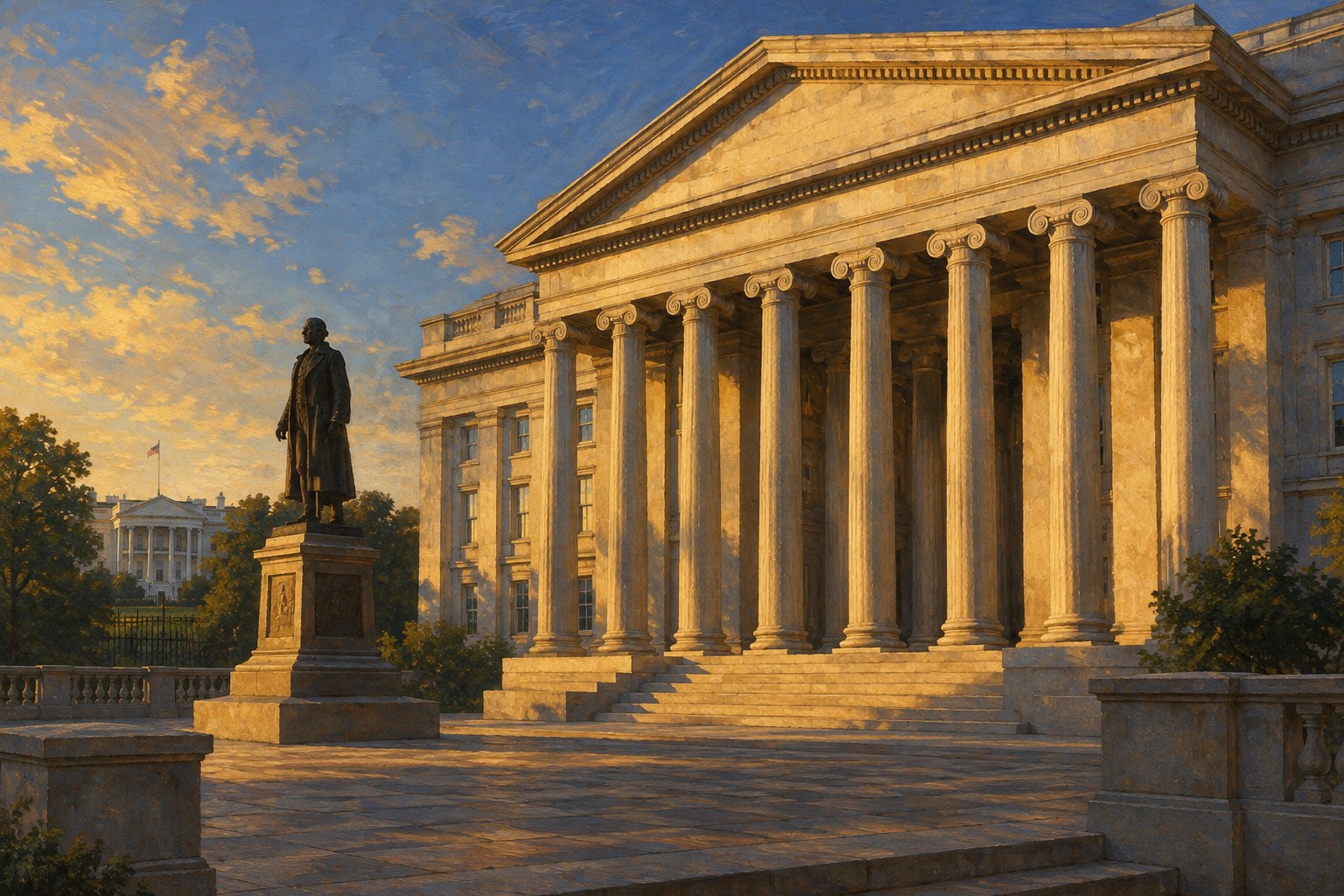
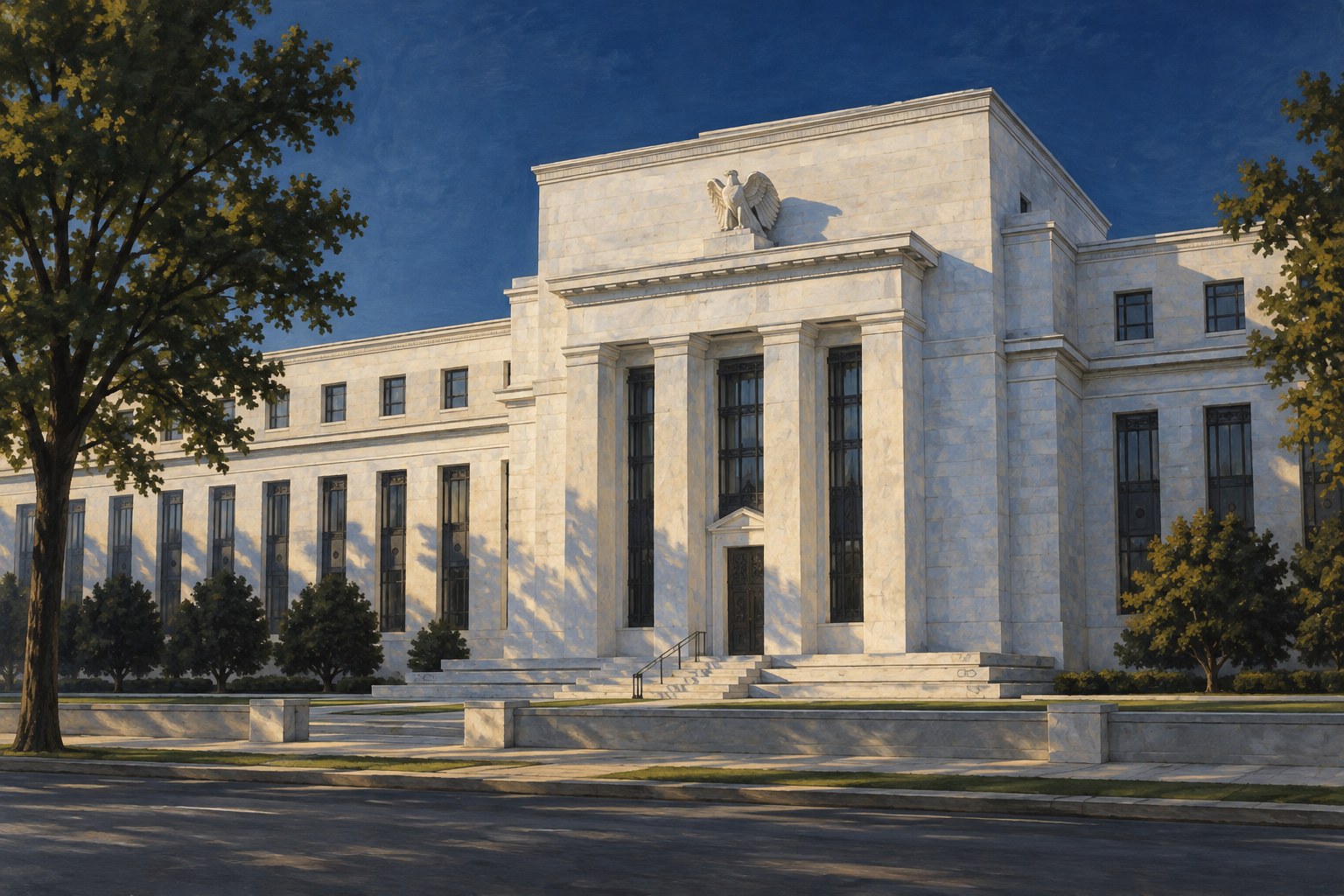
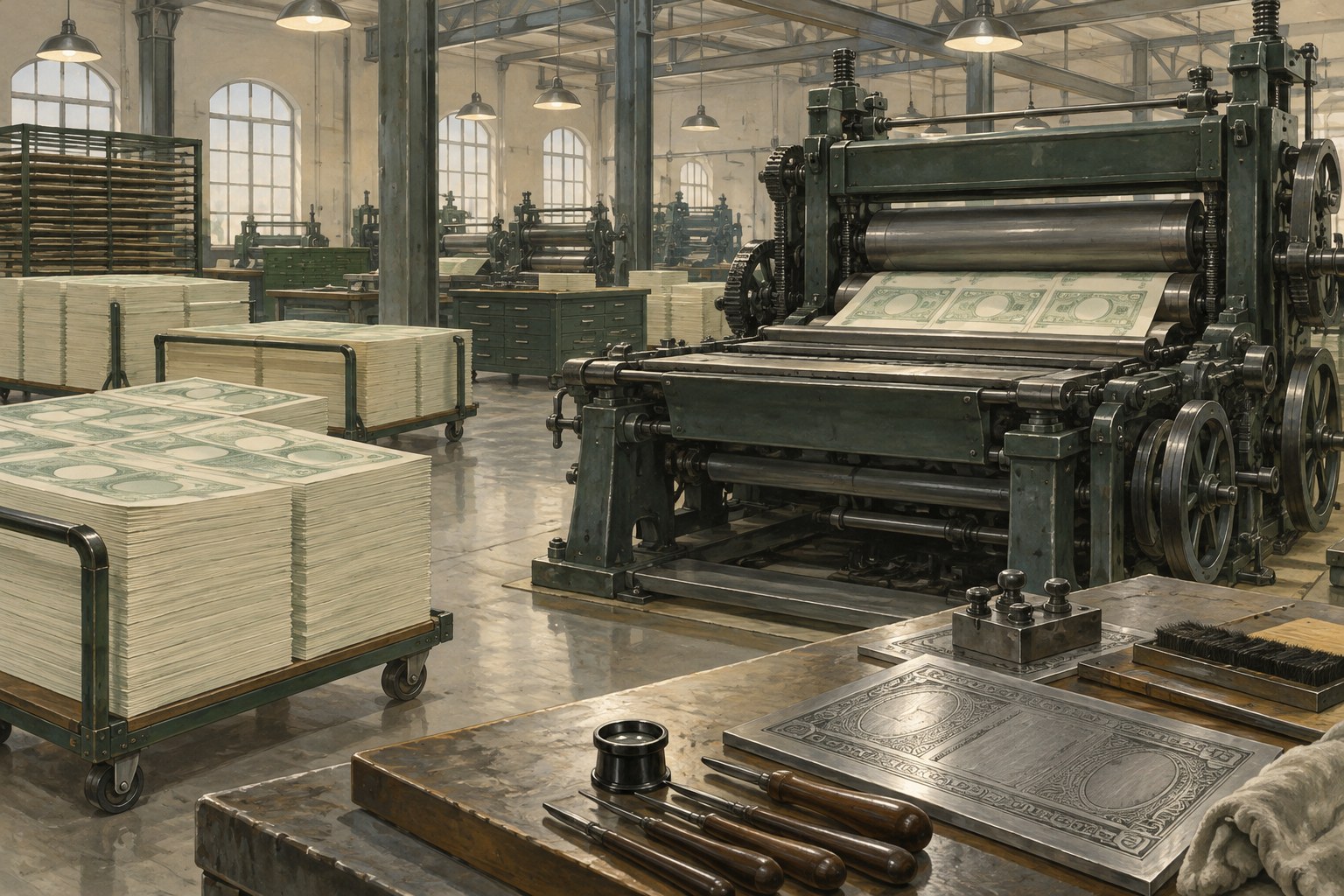
The first national paper money, the greenback, was issued in 1862 under the Legal Tender Act to finance the Civil War, and the Supreme Court eventually upheld Congress's power to make paper money legal tender. Since the Federal Reserve Act of 1913, almost all paper money has been Federal Reserve notes, liabilities of the Federal Reserve. The Bureau of Engraving and Printing prints them in Washington, D.C., and Fort Worth, Texas, and the Federal Reserve orders, buys, and distributes them through banks.
Each year the Federal Reserve Board sets a print order based on demand, typically several billion notes. As of the end of 2025, about 2.4 trillion dollars in currency was in circulation, and 100 dollar bills made up nearly 2 trillion dollars of it, with a large share held outside the United States. Notes carry the signatures of the Treasurer of the United States and the Secretary of the Treasury, the largest denomination now issued is the 100 dollar bill, and worn notes are shredded by Federal Reserve banks.
Designs include color shifting ink, watermarks, security threads, and microprinting to stop counterfeiters, and the Secret Service investigates counterfeiting. A redesign series that began with the 10 and 50 dollar notes is planned for the late 2020s, and a plan announced in 2016 to put Harriet Tubman on the 20 dollar bill has been delayed. Supporters of cash say it protects privacy and serves people without bank accounts, while others note that most payments are now electronic and favor fewer and smaller bills.


| Status | Active |
| Legal basis | 12 U.S.C. 411 (Federal Reserve notes) |
| Official site | uscurrency.gov |
| First national paper money | 1862 greenbacks |
| Issued by | Federal Reserve, since 1914 |
| Printed by | Bureau of Engraving and Printing |
| In circulation | About 2.4 trillion dollars, end of 2025 |
| Largest note issued | 100 dollars |
| Date | First greenbacks issued 1862 |