How the President Travels: Air Force One, Marine One, and the Motorcade
Key takeaways
- Air Force One is the call sign of any Air Force plane carrying the President. Two Boeing 747s have filled the role since 1990, an interim jet donated by Qatar was delivered in June 2026, and two new 747s are expected in 2028.
- Marine One is the call sign of the Marine helicopter carrying the President, which flies with identical decoys.
- On the ground the President rides in an armored limousine in a Secret Service motorcade that often has 30 or more vehicles.
- A military unit, the White House Communications Agency, keeps the President connected everywhere, including to the nuclear command system.
- Foreign trips involve months of planning by the White House, State Department, Secret Service, and military, with cars and helicopters flown ahead.
- Taxpayers pay for official travel, while campaigns and parties must reimburse part of the cost of political trips.
No other leader travels with as much equipment and as many people as the American President. Every trip, even a short drive across Washington, involves the Secret Service, several military units, communications teams, the press, and often hundreds of local police.
This guide explains the aircraft and vehicles the President uses, the agencies that plan and run each trip, the retreats Presidents use outside Washington, and the rules for who pays.
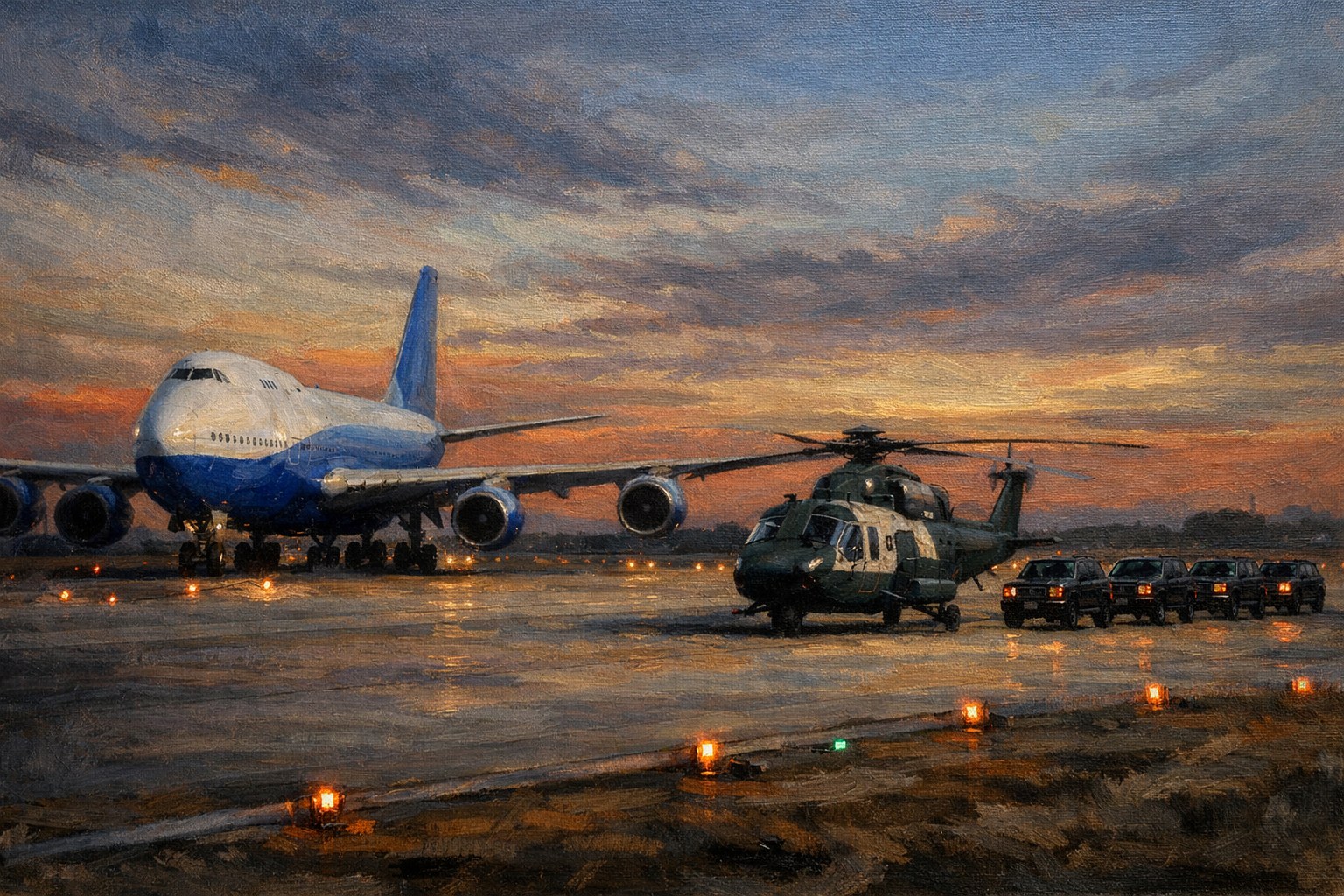
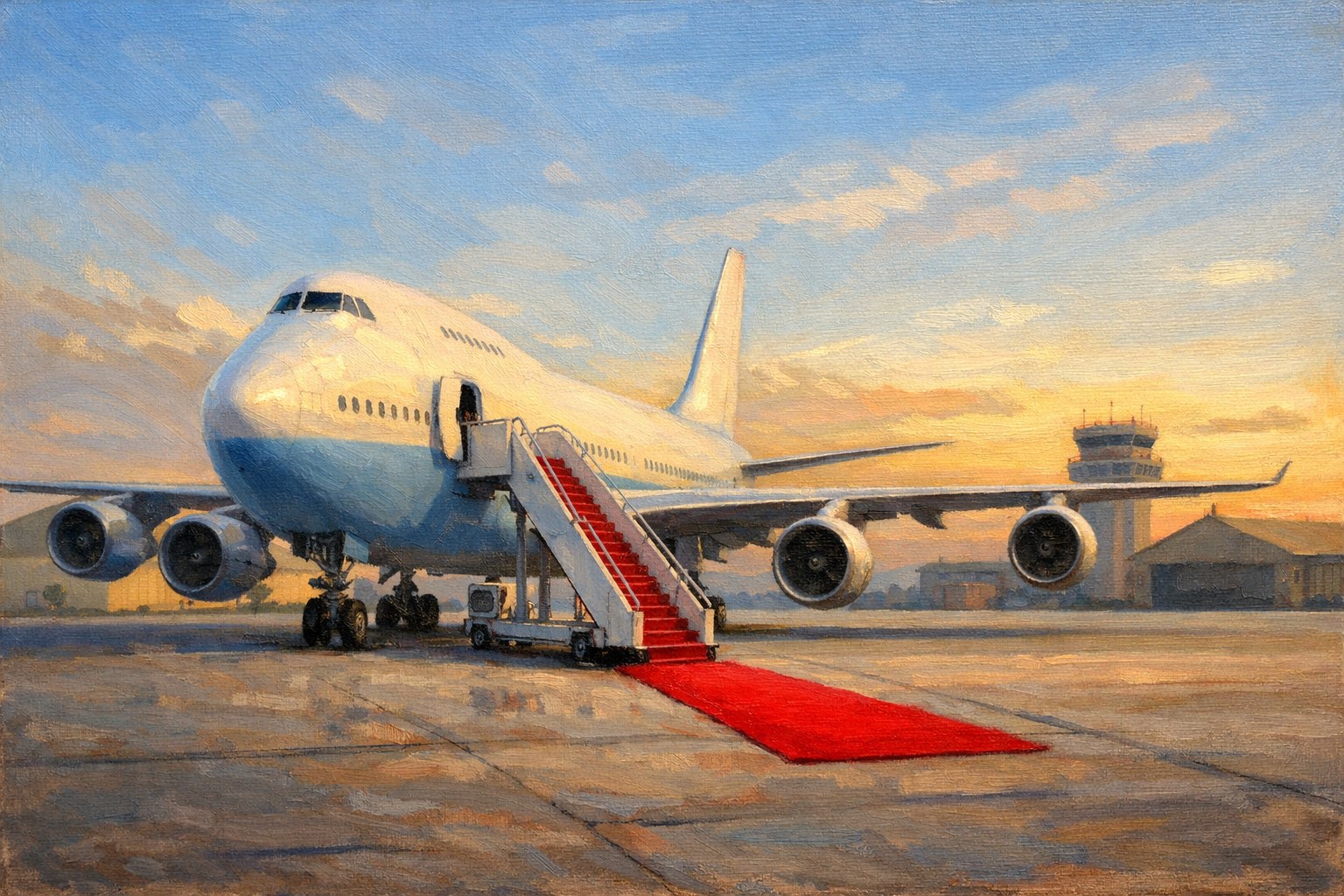
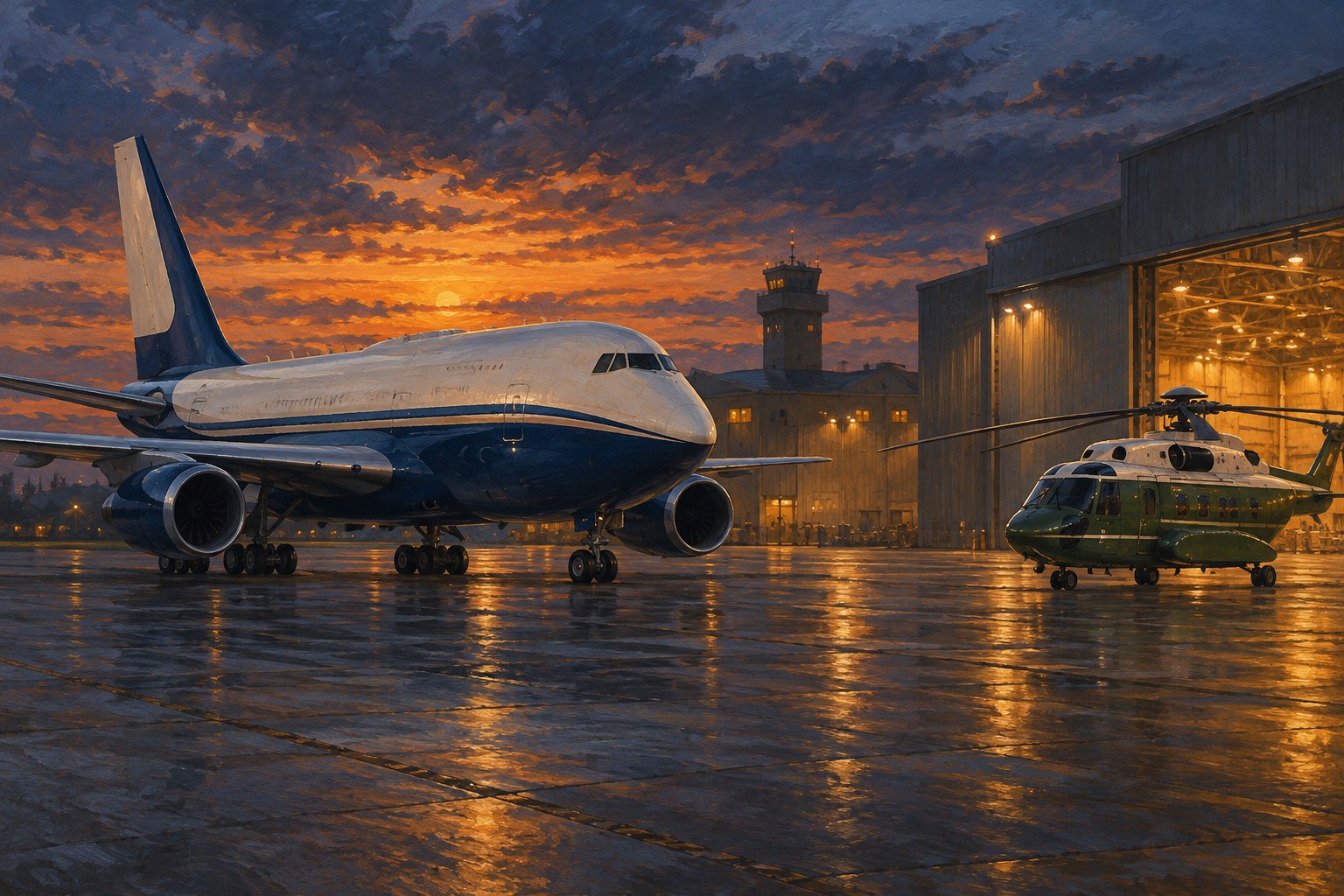
Any Air Force aircraft carrying the President uses the call sign Air Force One, adopted in 1953. Since 1990 the role has been filled by two Boeing 747s, flown by the 89th Airlift Wing at Joint Base Andrews, with secure communications, a medical suite, offices, and seats for staff, Secret Service agents, and reporters. Boeing's replacement 747s are years late and now expected in 2028. In May 2025 the administration accepted a 747-8 from Qatar, which was converted and delivered to the Air Force on June 19, 2026, as an interim presidential plane, a step critics questioned on security, cost, and ethics grounds.
Camp David, a Navy-run retreat in Maryland's Catoctin Mountains established by Franklin Roosevelt in 1942 as Shangri-La and renamed by Dwight Eisenhower, offers privacy for rest and diplomacy, including the 1978 Camp David Accords between Egypt and Israel. Presidents also spend time at their own homes, which become temporary working White Houses with secure communications and Secret Service protection, as at Kennebunkport, Crawford, and Mar-a-Lago in recent decades.
Foreign trips are planned for weeks or months by White House advance teams, the State Department, the Secret Service, and the military, working with the host government. Cargo planes carry the limousines, helicopters, and communications equipment. The ambassador and embassy staff handle local arrangements, the State Department's Office of the Chief of Protocol manages ceremonies and gifts, and diplomatic security agents help protect the traveling party. Large summits involve negotiations over the President's security perimeter and the number of armed agents allowed.
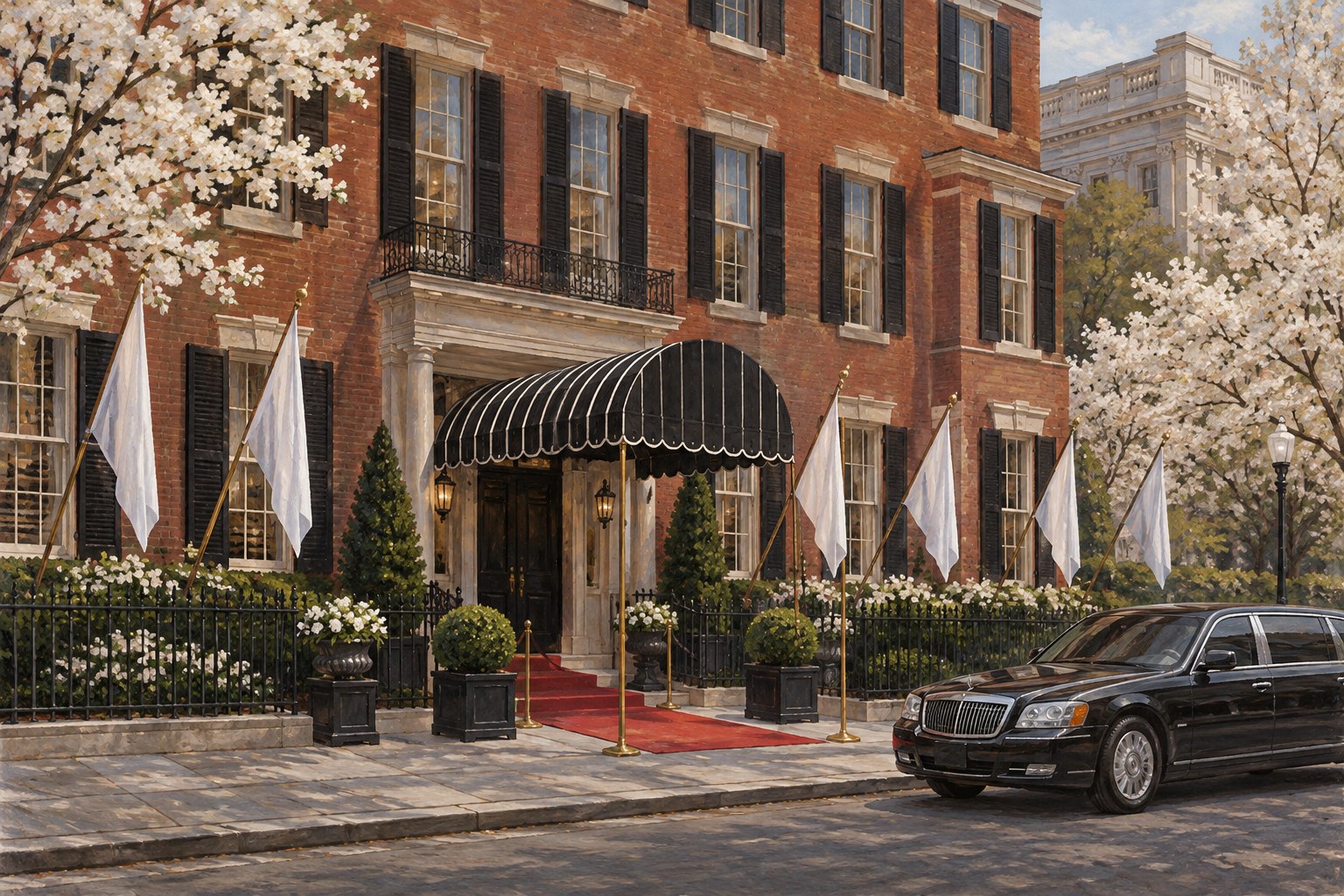
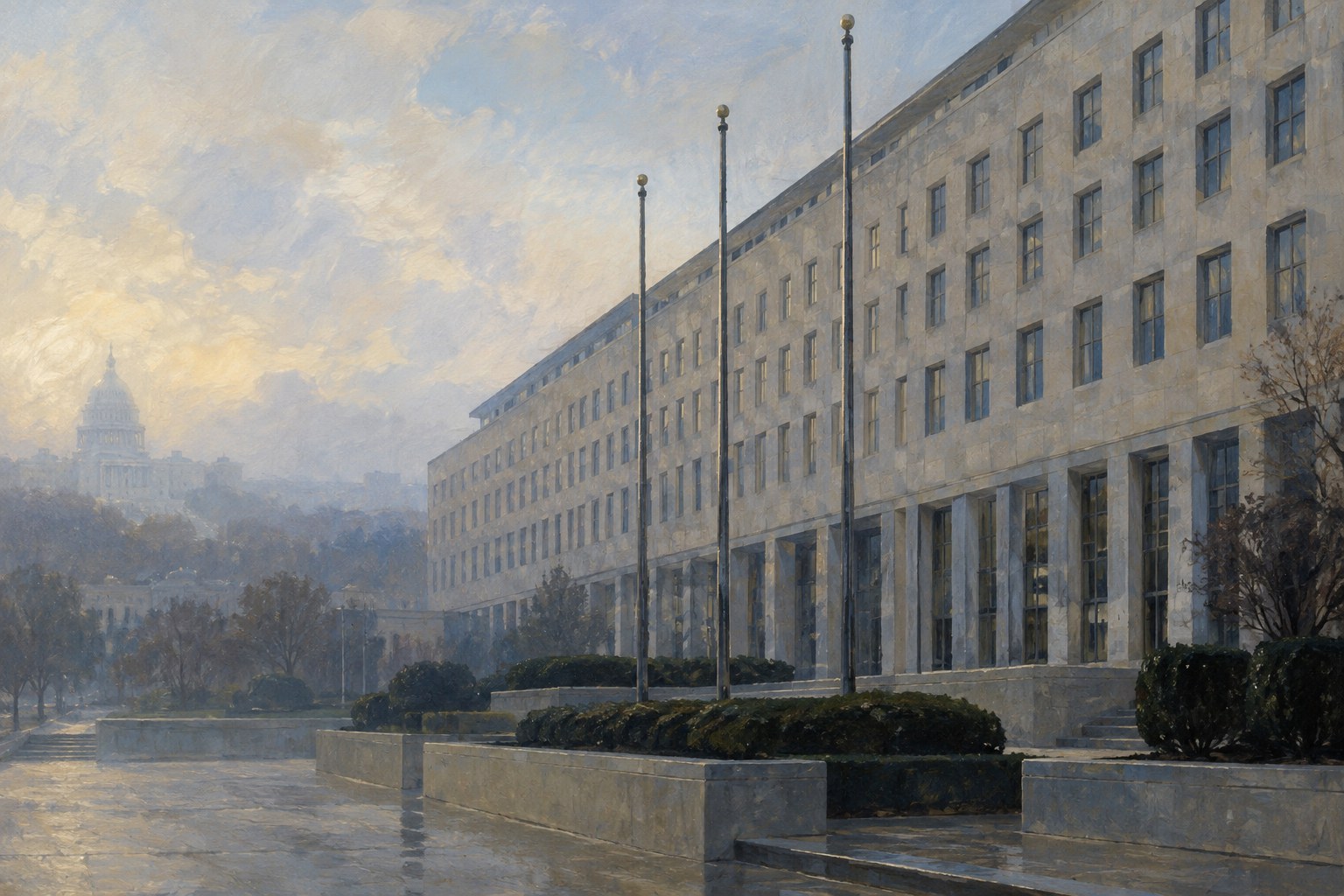
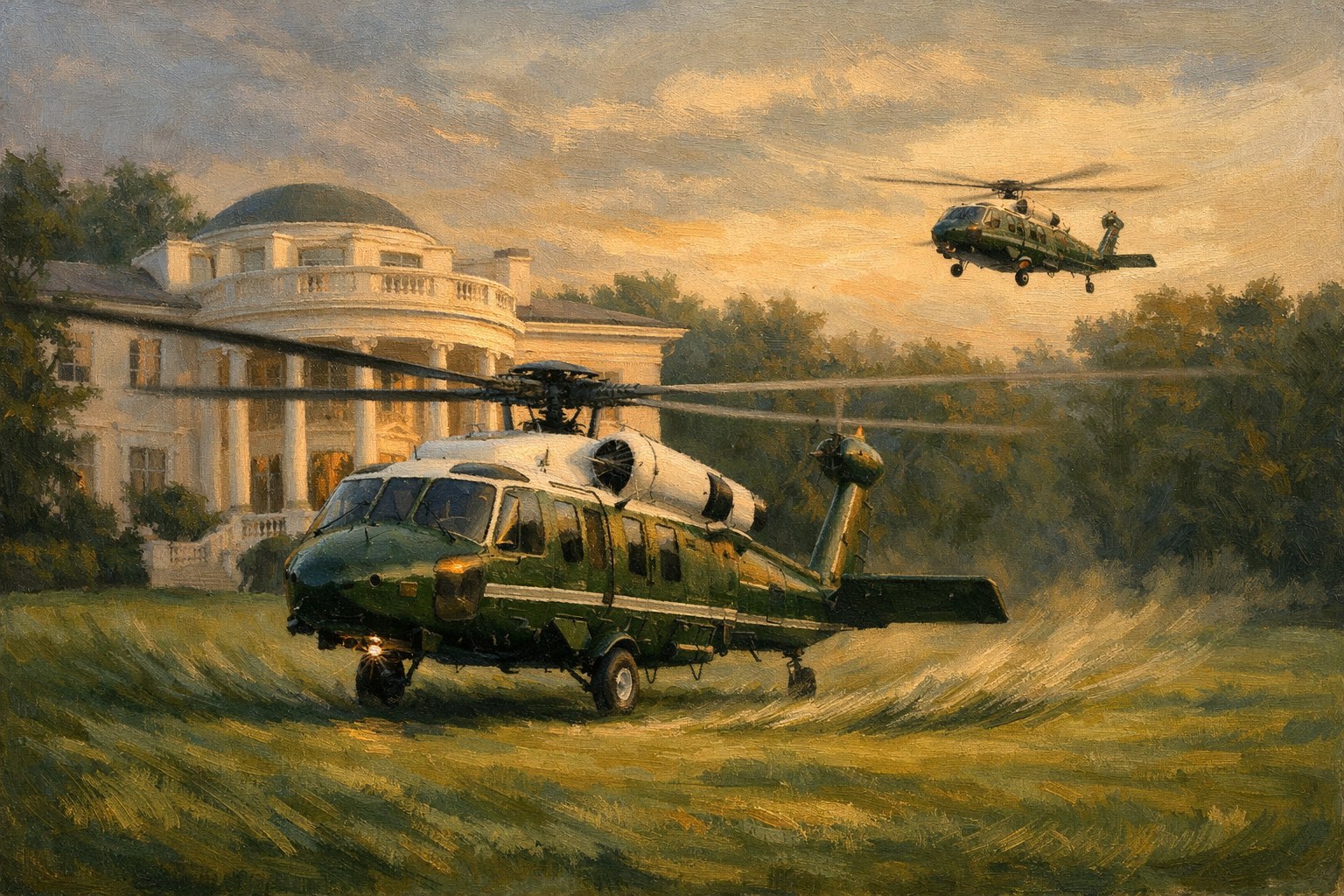
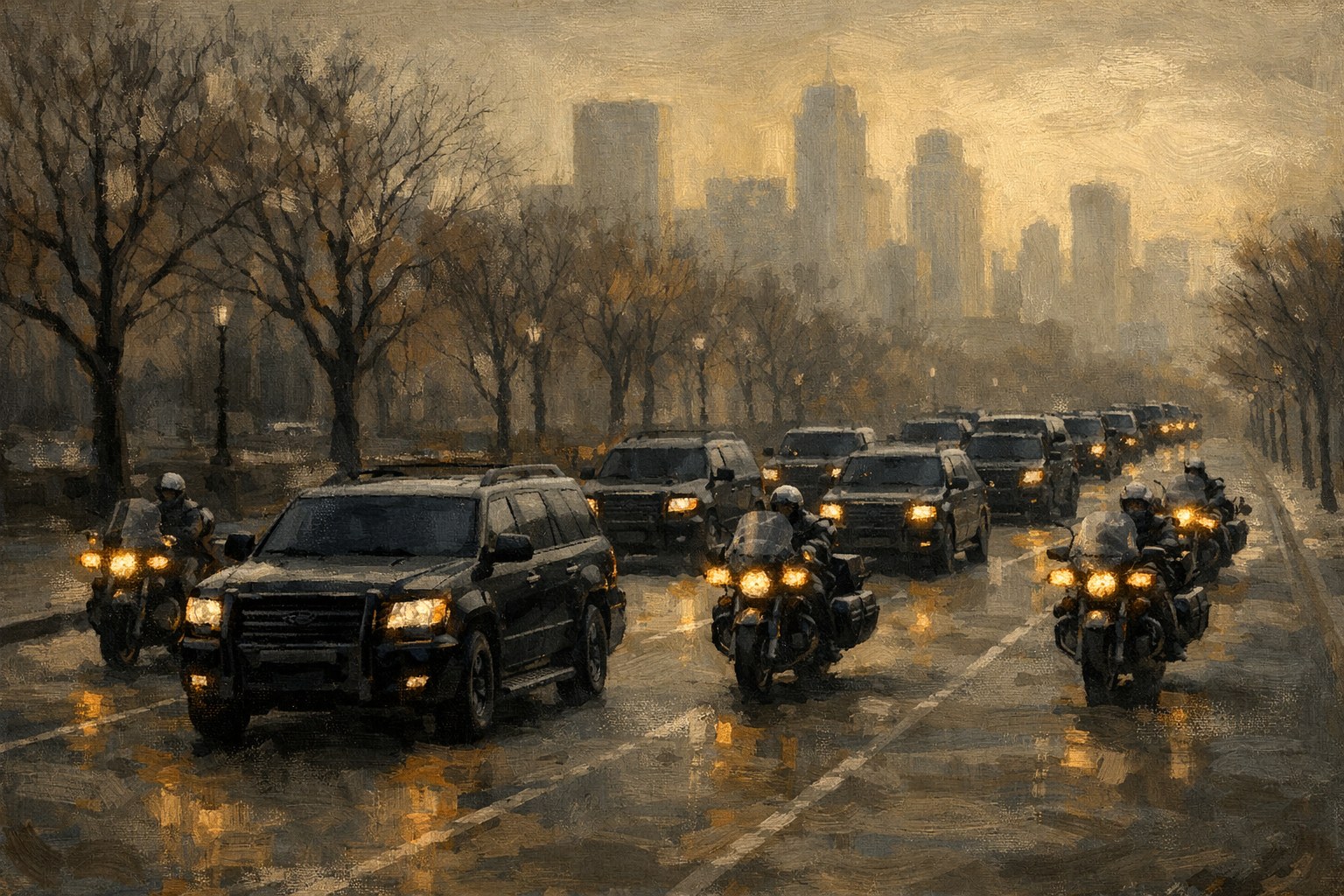
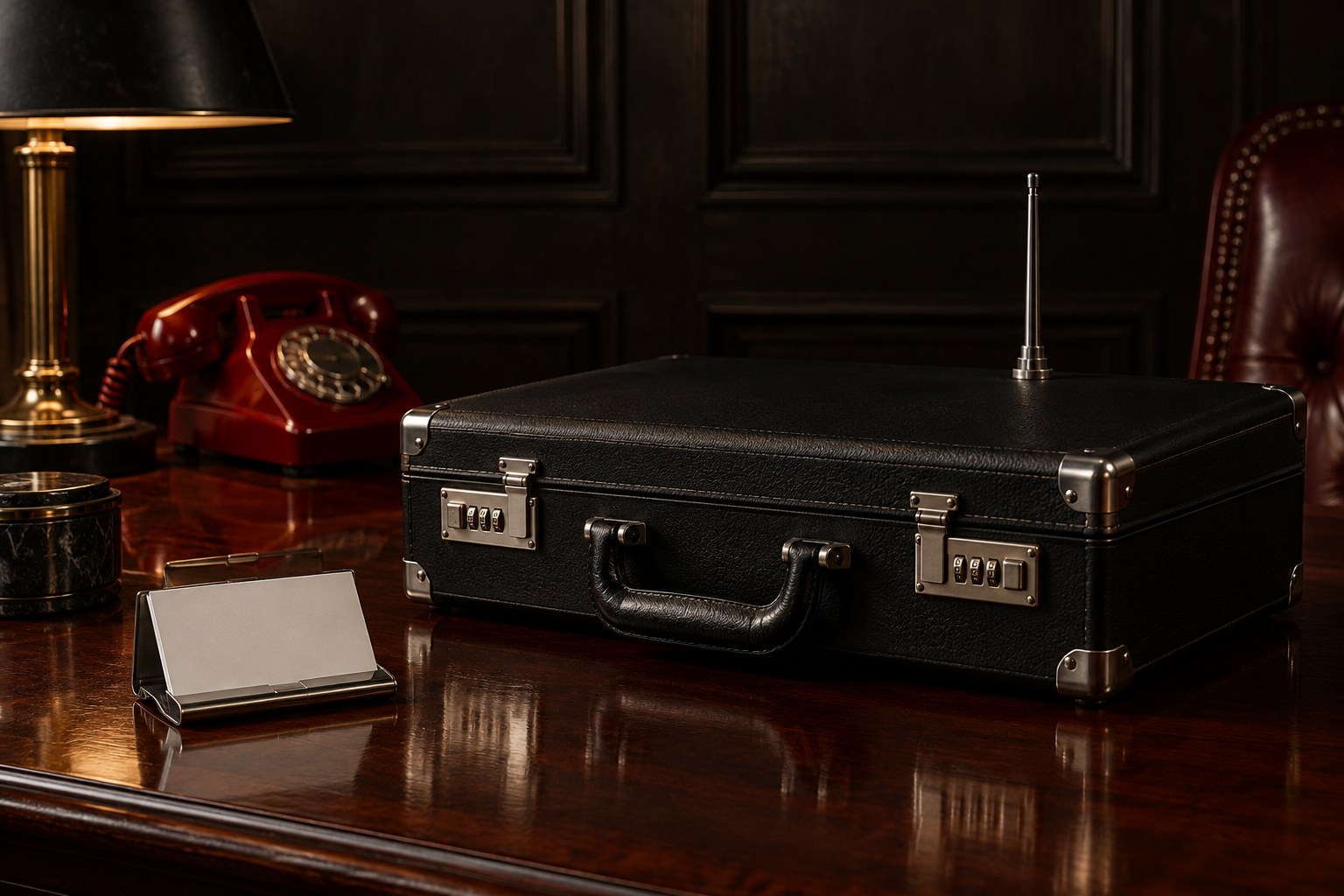
For short hops, such as from the White House South Lawn to Joint Base Andrews, the President flies on Marine One, a helicopter of the HMX-1 squadron, usually accompanied by identical decoys. On the ground, the President rides in an armored limousine nicknamed the Beast, with a spare nearby, in a motorcade planned by the Secret Service that includes police escorts, a counterassault team, a communications vehicle, a military aide with the nuclear football, staff and press vans, and an ambulance. Presidents have ridden in closed armored cars since the 1963 assassination of John Kennedy in an open car in Dallas.
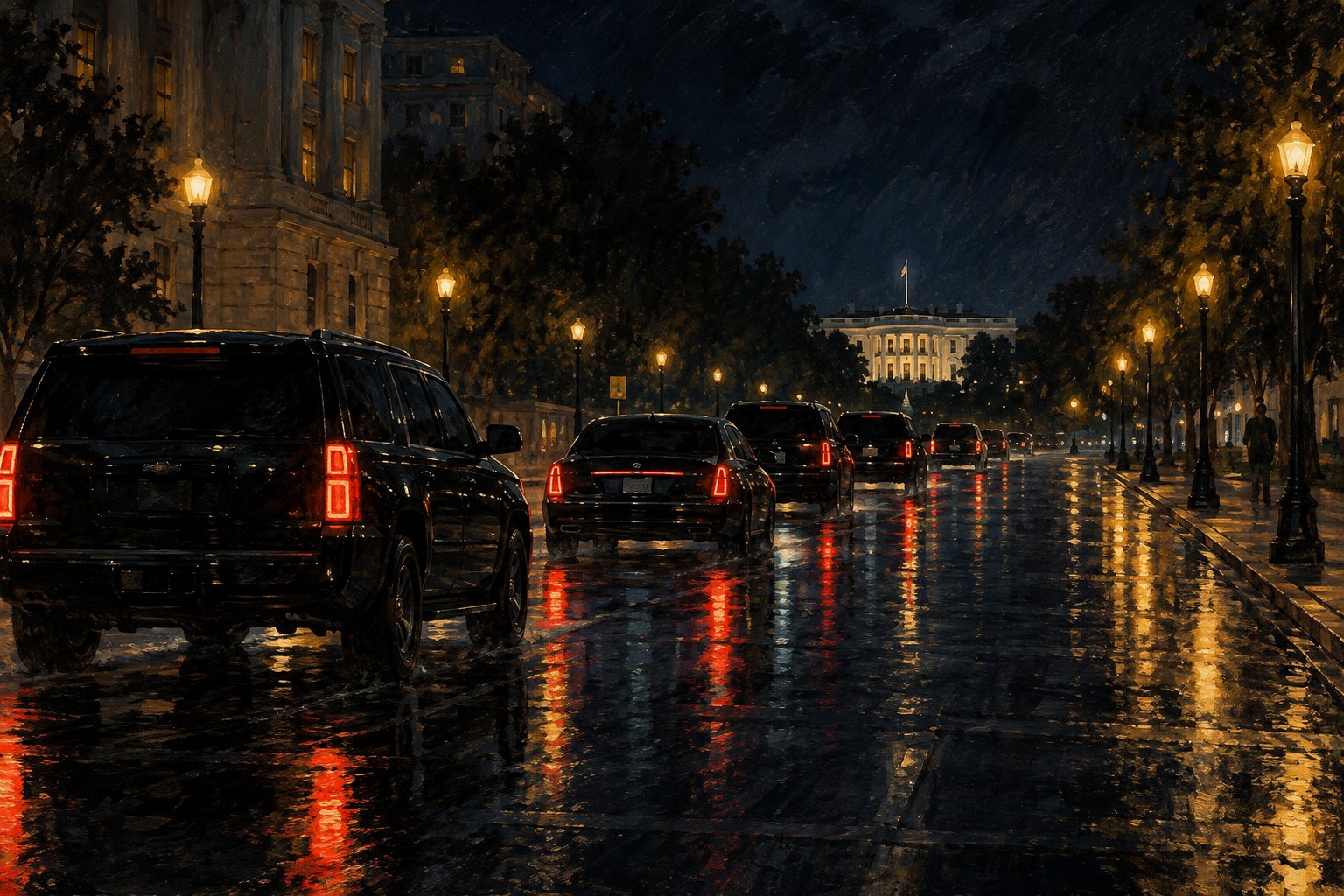
Taxpayers pay for official travel, including Air Force One, the motorcade, and Secret Service costs, which can run into millions of dollars per trip. When a trip is political, such as a campaign rally, federal rules require the campaign or party to reimburse a share of the cost, typically the equivalent of commercial airfare for political travelers, far less than the actual cost. The Government Accountability Office estimated in 2019 that four presidential trips to Florida in 2017 cost about 13.6 million dollars, mostly for flights and protection. Members of both parties have criticized the travel costs of Presidents of the other party.
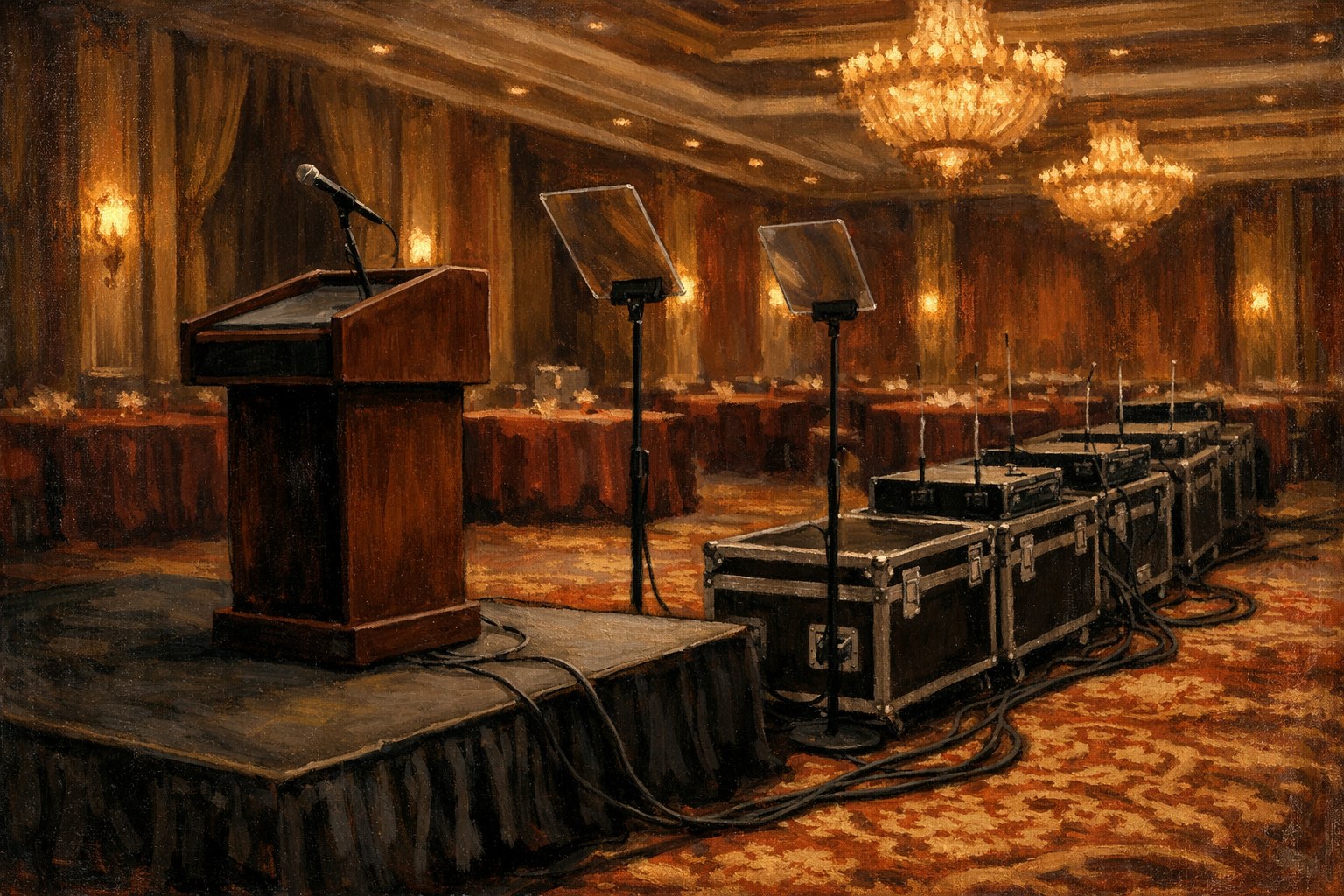
The White House Communications Agency, a military unit created in 1942, provides secure and unclassified phone, data, and video links wherever the President goes, and sets up the lectern and teleprompters at events. A military aide carrying the emergency satchel for nuclear orders is always nearby. A pool of reporters and photographers travels with the President on Air Force One and in the motorcade, so that the public has an independent record of the President's movements.
See who works in the White House in inside the White House, how the President is protected in who protects government officials, or the costs of the office in what officials are paid.