The Presidential Motorcade
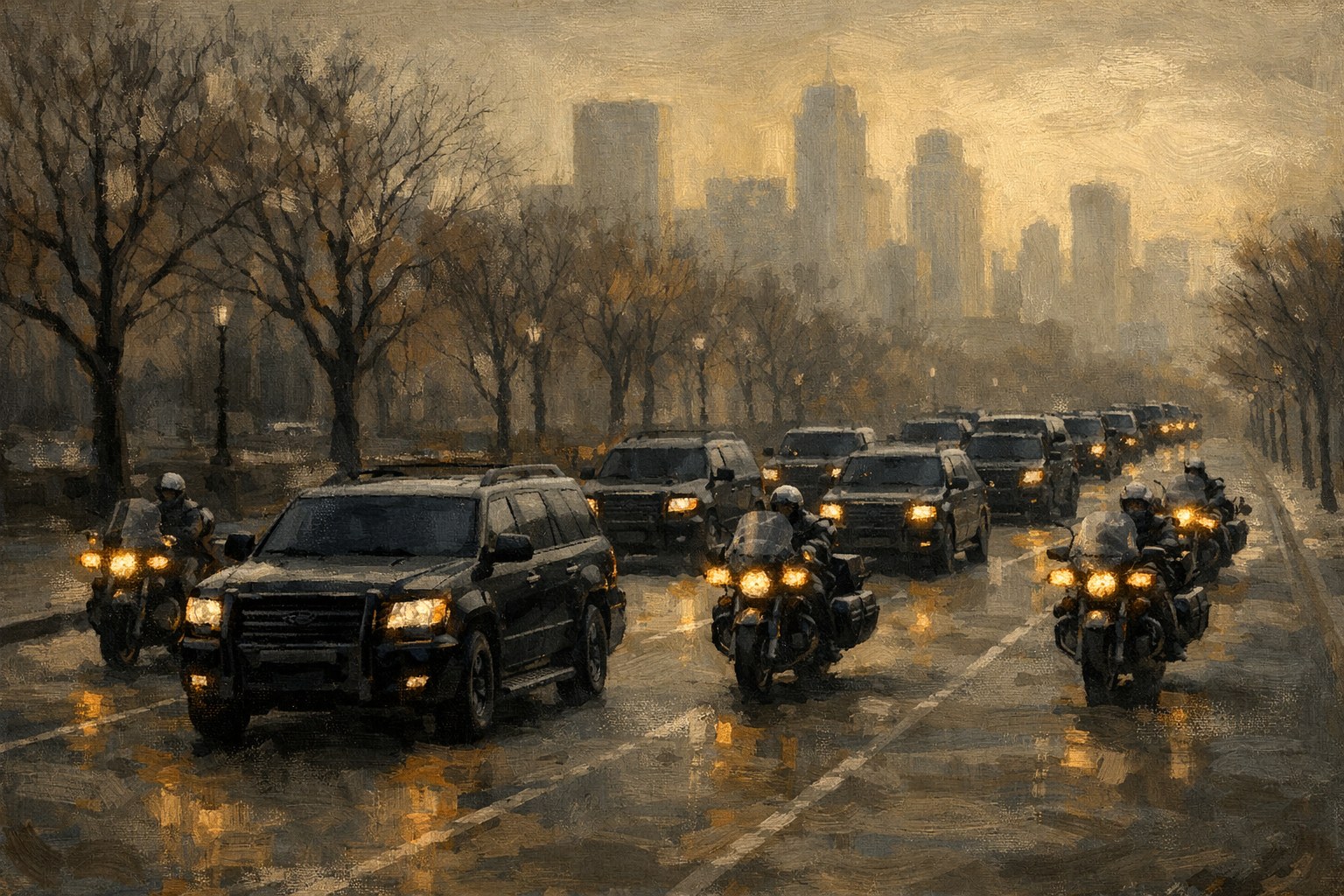
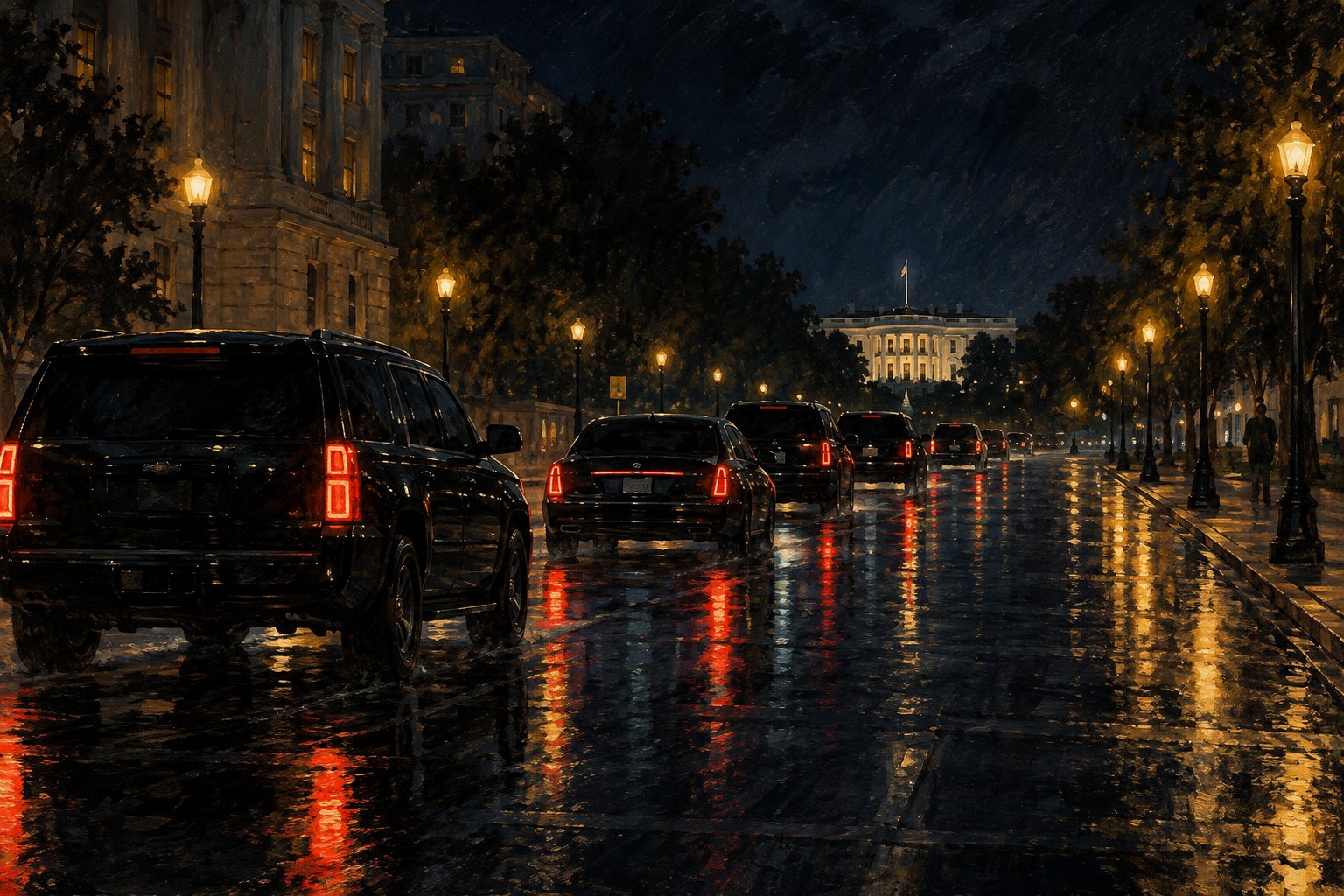
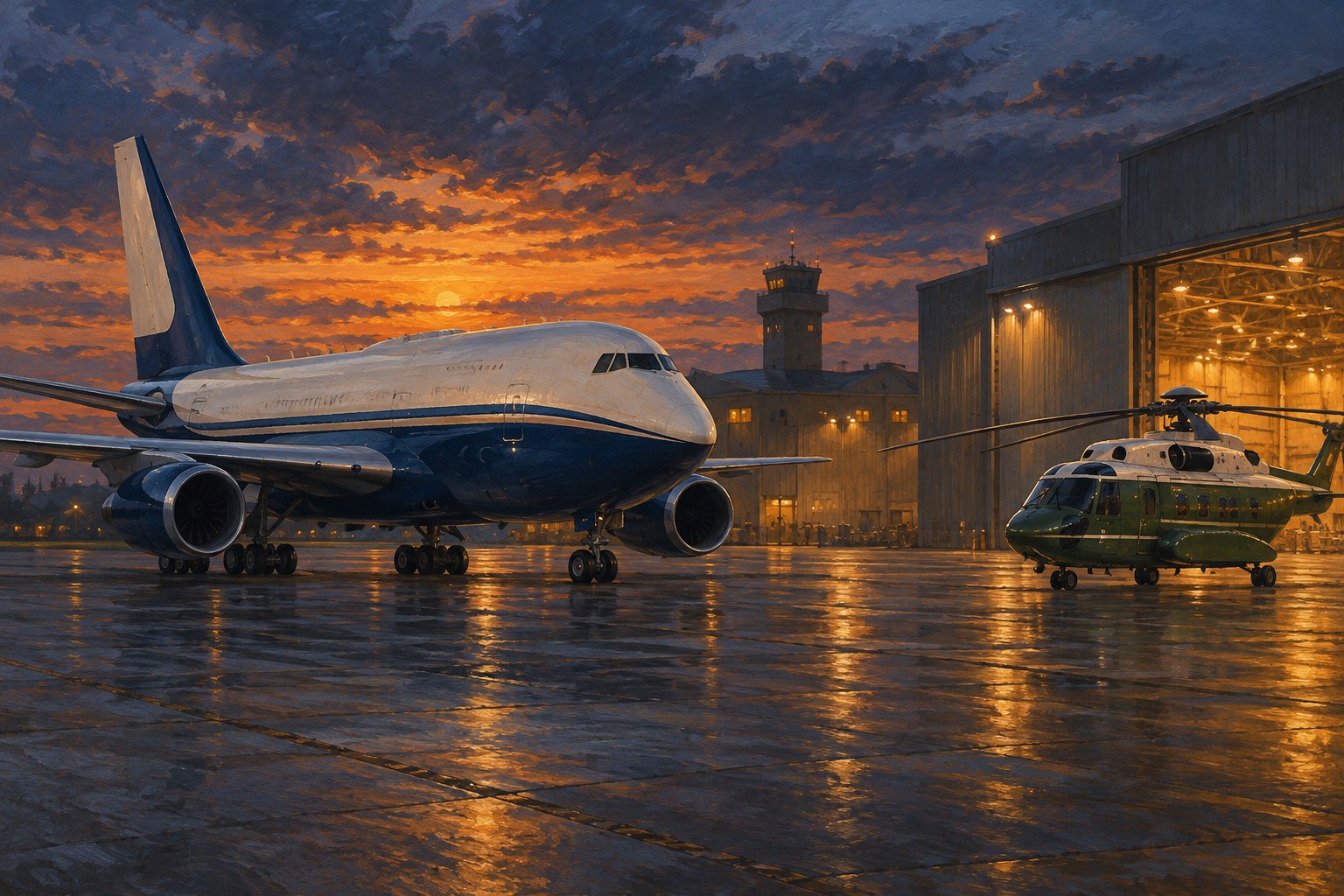
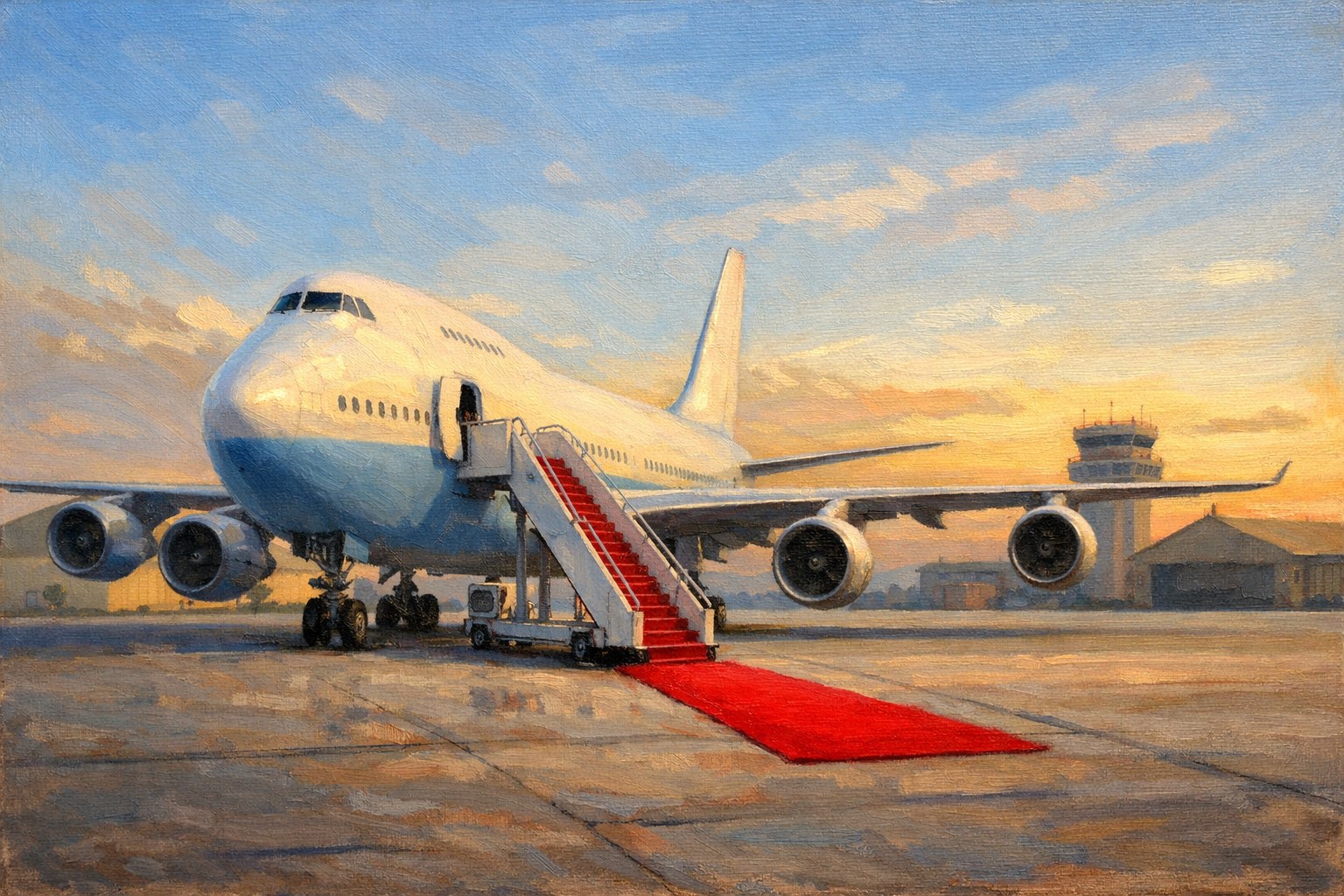
The motorcade is planned by the Secret Service, which surveys routes in advance, works with local police to close roads, and chooses primary and backup routes and hospitals. The President rides in a heavily armored limousine built on a truck frame by General Motors, nicknamed the Beast, with sealed doors, run-flat tires, its own oxygen supply, and blood of the President's type on board. An identical spare limousine travels with it, and the cars are flown ahead on Air Force cargo planes for trips.
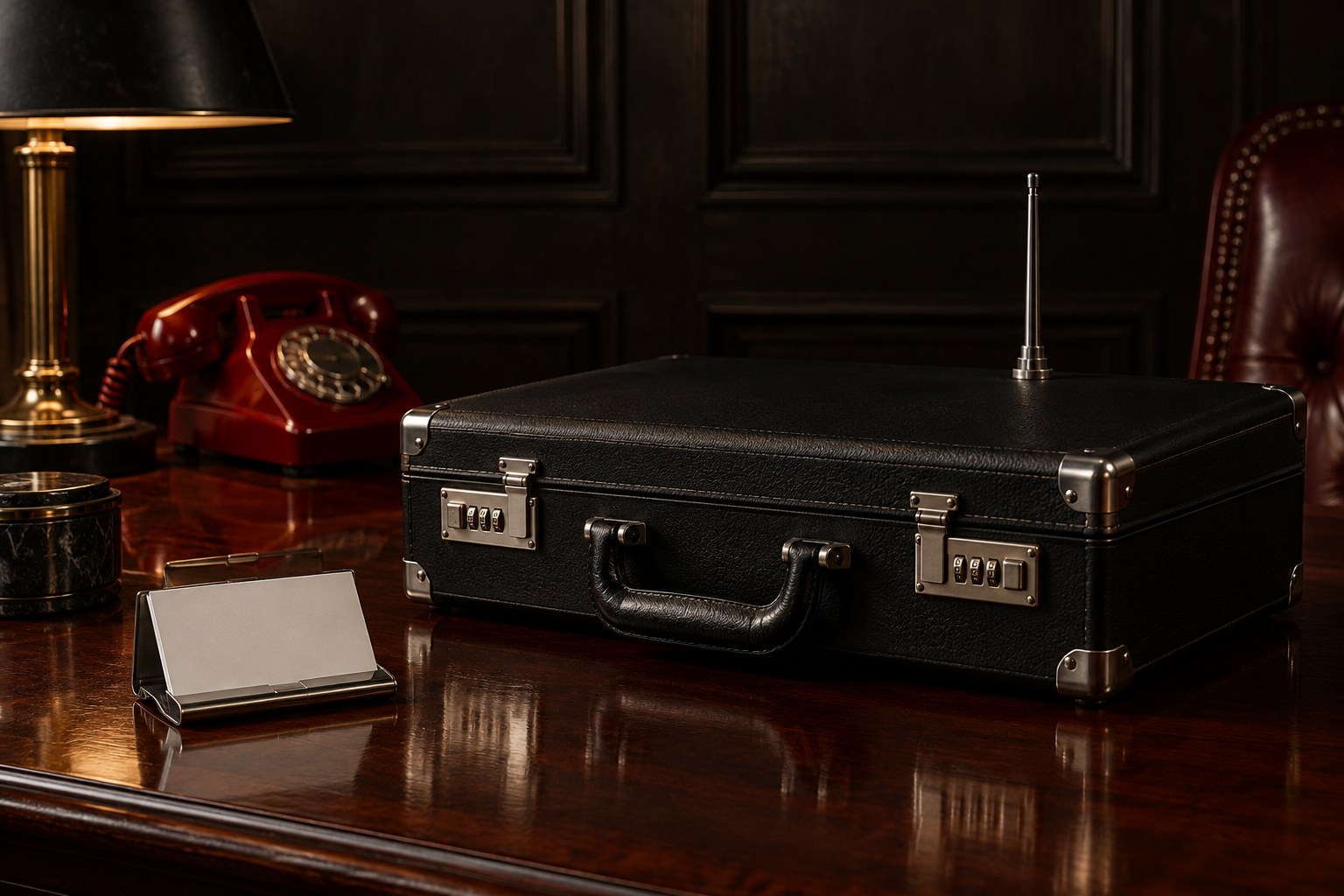
A typical motorcade includes local police motorcycles and cars, Secret Service vehicles with a counterassault team, a communications vehicle, a military aide with the nuclear football, White House staff vans, an ambulance, and vans for the press pool, sometimes 30 or more vehicles. Its makeup changes with the threat and the location. Smaller motorcades protect the Vice President, and visiting foreign leaders receive escorts during major events.
Presidential security in cars was transformed by the assassination of John Kennedy on November 22, 1963, while he rode in an open limousine in Dallas. Presidents have since ridden in closed armored cars, and the attempt on Ronald Reagan's life in 1981 happened as he walked to his car. Motorcades routinely snarl traffic for miles in Washington and other cities, and local governments have sought reimbursement for police overtime. Supporters say the disruption is a small price for security, while critics say the size of motorcades has grown far beyond what is needed.
| Status | Active |
| Legal basis | 18 U.S.C. 3056 (Secret Service protective authority) |
| Official site | secretservice.gov |
| Planned by | U.S. Secret Service |
| Limousine | Armored GM vehicle nicknamed the Beast |
| Typical size | 30 or more vehicles |
| Turning point | Kennedy assassination, November 22, 1963 |
| Transport for trips | Flown ahead on Air Force cargo planes |
| Date | Closed armored cars since 1963 |