Who Protects Government Officials: Secret Service, Marshals, and Capitol Police
Key takeaways
- The Secret Service protects the President, Vice President, their families, former Presidents, major candidates, and visiting heads of state, and leads security at major national events.
- The Capitol Police protect Congress and investigated more than 9,000 threats against members in 2024.
- The U.S. Marshals protect federal judges, who received more than 500 threats in the 11 months to September 2025, and the Supreme Court has its own police force.
- The Federal Protective Service guards about 9,000 federal buildings, and the State Department's Diplomatic Security Service protects the Secretary of State and visiting dignitaries.
- The July 2024 attempt on the life of a presidential candidate in Butler, Pennsylvania, led to independent reviews calling for fundamental reform of the Secret Service.
- Decisions about who gets protection, and when it ends, have become political disputes.
Threats against public officials have risen sharply in recent years, from members of Congress and judges to election workers and candidates. Protection is divided among several federal agencies, each responsible for a different branch or group of officials.
This guide explains who protects whom, how the agencies work, what changed after recent attacks and attempts, and the arguments over the cost and politics of protection.
The State Department's Diplomatic Security Service protects the Secretary of State, visiting foreign ministers and other dignitaries, and U.S. embassies abroad. Most Cabinet secretaries have security details drawn from their own departments' law enforcement officers, and their size and cost have occasionally drawn criticism. In 2025 the President ended protection for several former officials who had received it because of threats from foreign governments, decisions supporters called a proper use of discretion and critics said left them exposed.
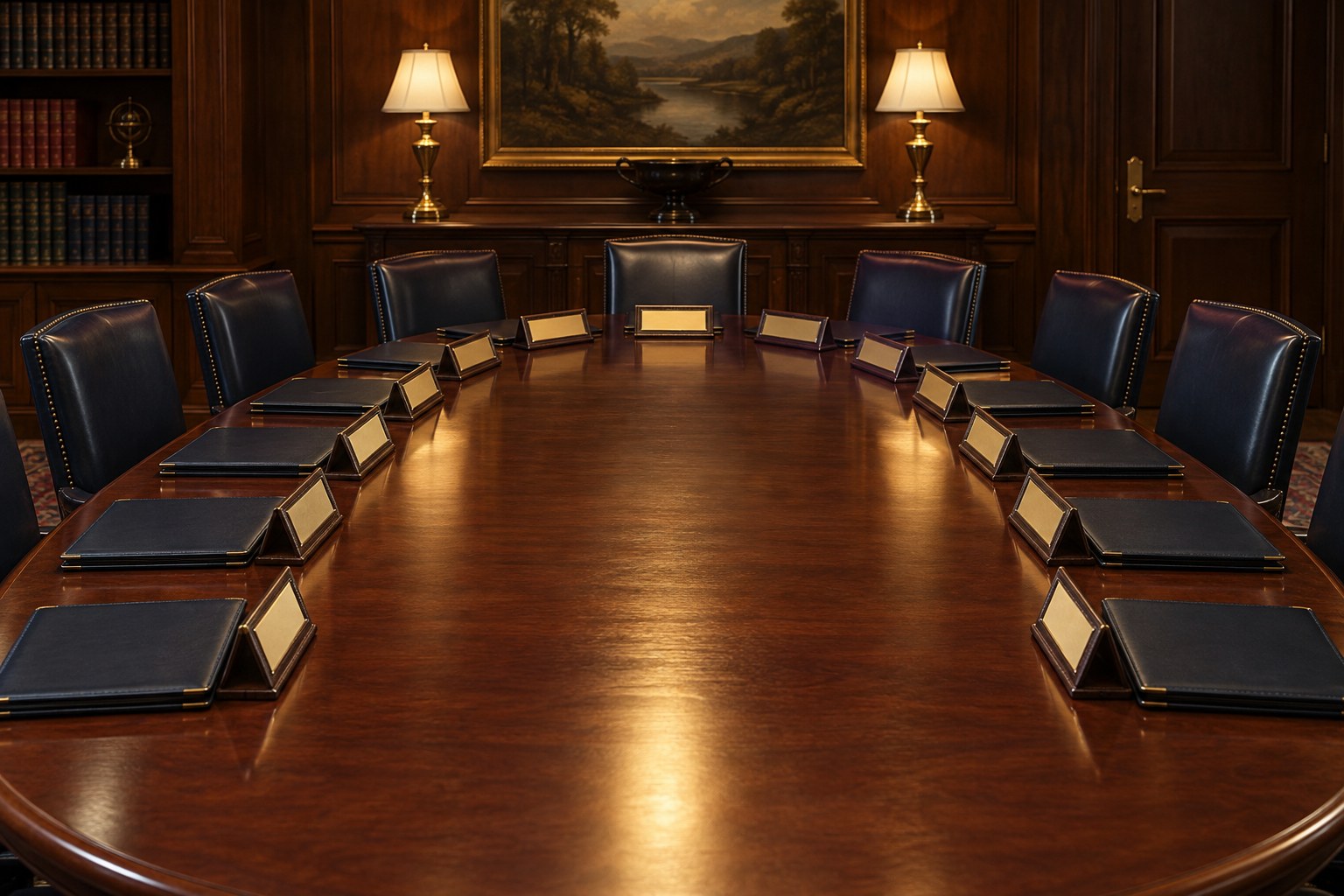
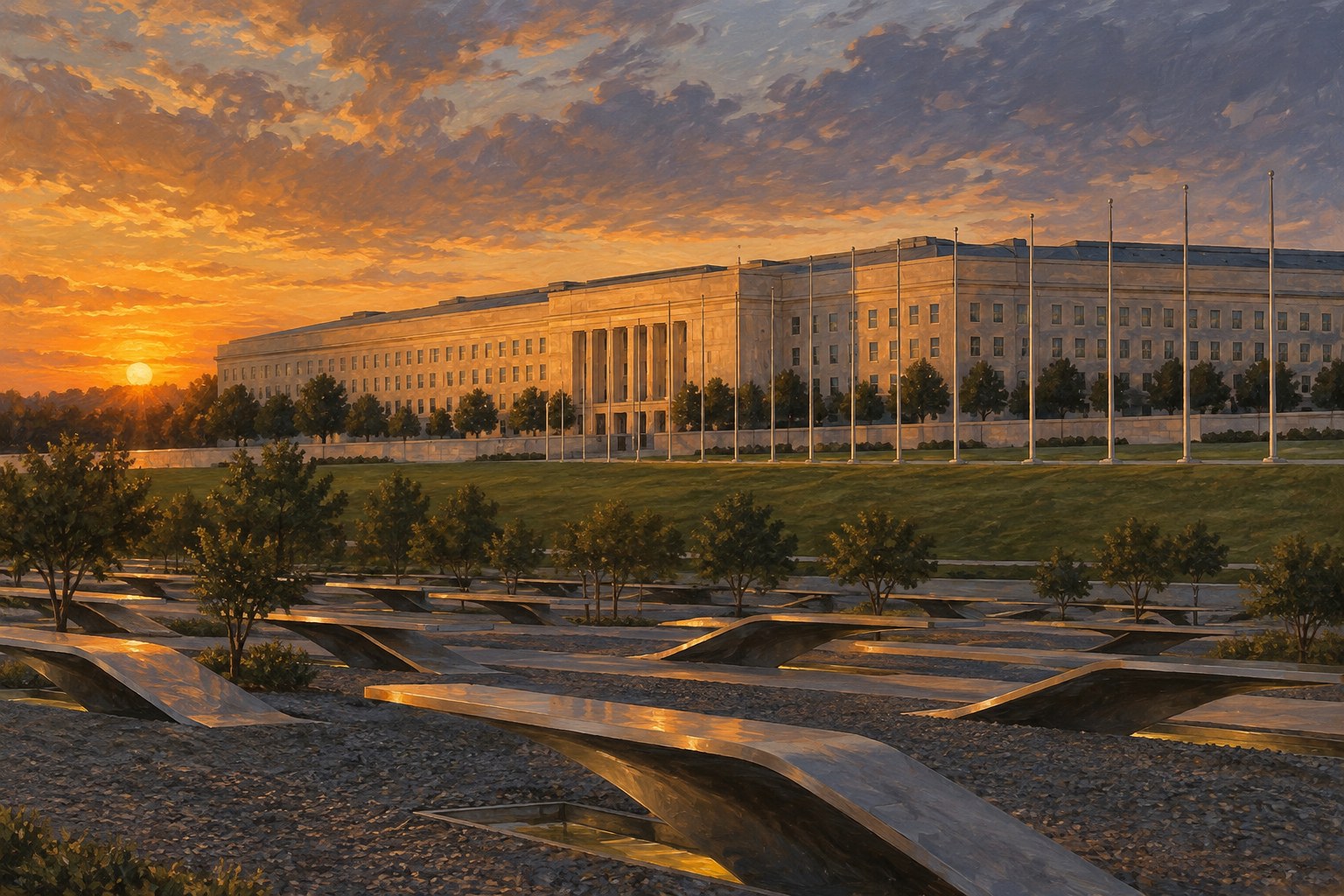
The Federal Protective Service, part of Homeland Security, guards about 9,000 federal buildings with about 1,400 officers and some 13,000 contract guards. Security standards for federal buildings were rewritten after the 1995 Oklahoma City bombing. Other agencies police their own facilities, including the Pentagon Force Protection Agency, the U.S. Park Police on the National Mall, and departmental police forces at agencies such as Veterans Affairs. Federal officers were deployed to protect federal buildings during protests in 2020 and 2025, deployments criticized by local officials.

The Justice Department prosecutes threats against officials, and the Supreme Court held in 2023 that prosecutors must show at least that a speaker recklessly disregarded the threatening nature of the words. Lawmakers have proposed more funding for protection, wider shields for officials' personal information, and protection for election workers. Debates continue over the cost of protecting former officials and candidates, how agencies should share threat information, and whether decisions to grant or end protection have become politicized.


Created in 1865 to fight counterfeiting, the Secret Service began protecting Presidents after William McKinley's assassination in 1901. It now protects the President, Vice President, and their families, former Presidents and their spouses for life, major presidential candidates since the 1968 assassination of Robert Kennedy, and visiting heads of state, and it leads security at designated national events such as conventions and inaugurations. About 8,000 people work for it, including special agents and a uniformed division at the White House. After a gunman fired at a presidential candidate at a rally in Butler, Pennsylvania, on July 13, 2024, the director resigned, and an independent panel said the agency needed fundamental reform.
The U.S. Marshals Service protects more than 2,000 federal judges and other court officials, and it reported more than 500 threats against judges in the 11 months to September 2025. After the son of a federal judge was killed at her home in 2020, a 2022 law let judges shield personal information such as home addresses. The Supreme Court has its own force of about 200 officers, and after an armed man was arrested near a justice's home in June 2022, Congress extended protection to the justices' families. Some judges and lawmakers propose moving judicial security from the Justice Department to the judiciary itself.
The U.S. Capitol Police, with about 2,000 officers, protect the Capitol complex, members of Congress, and their staff, under a board that includes the House and Senate Sergeants at Arms. After rioters breached the Capitol on January 6, 2021, Congress expanded the force and opened field offices to investigate threats nationwide. The department opened more than 9,000 threat assessment cases in 2024. Congressional leaders have security details, and rank-and-file members have received funding for home security systems.
See how the President moves in how the President travels, the wider world of federal police in federal law enforcement agencies, or plans for catastrophe in continuity of government.