White House Communications Agency WHCA
The White House Communications Agency began as the White House Signal Detachment, created on March 25, 1942, to give Franklin Roosevelt secure communications during the Second World War. It took its present name in 1962. It is a military unit of more than a thousand service members and civilians, administered by the Defense Information Systems Agency and directed by the White House Military Office.
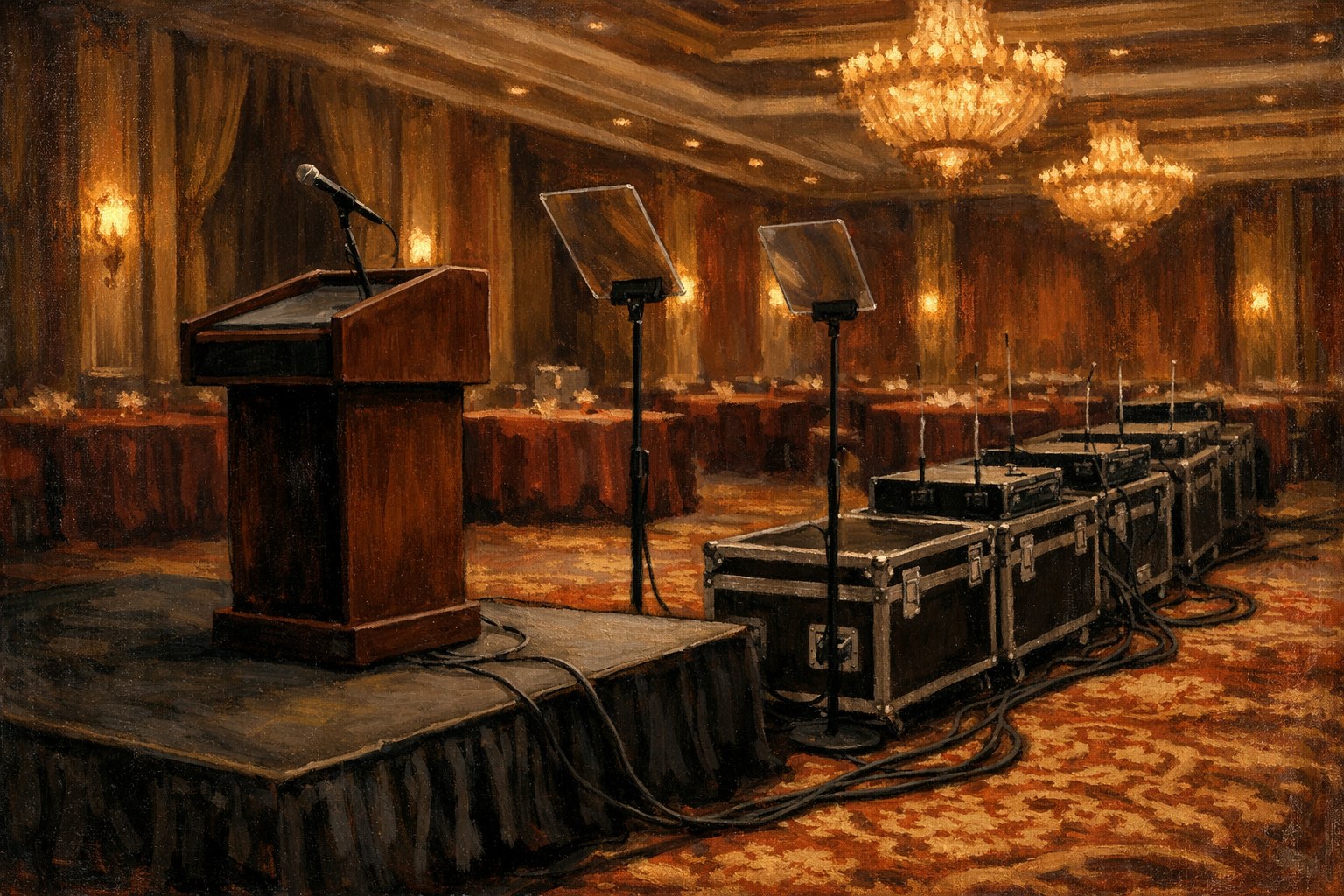
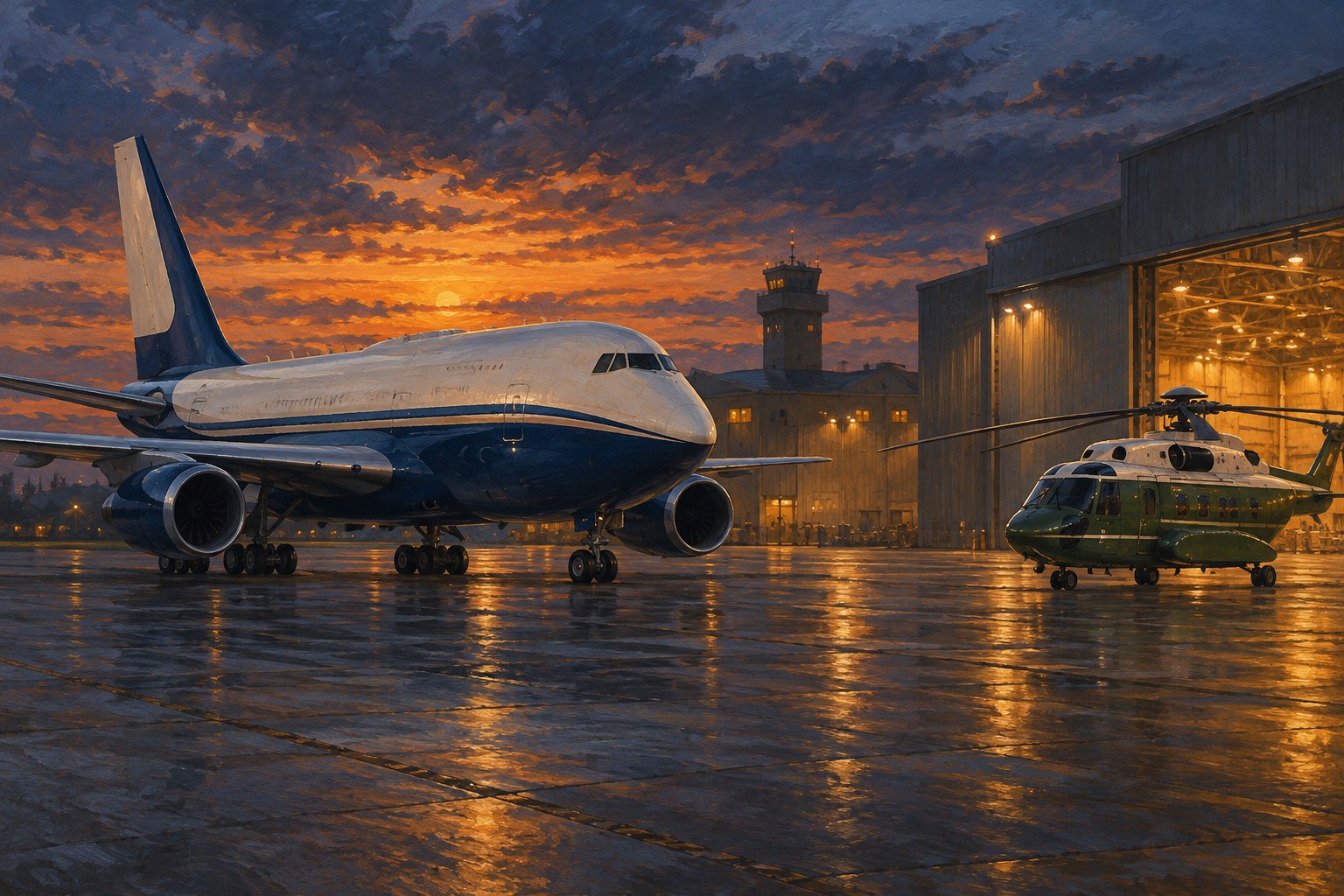
The agency provides the President, the Vice President, the Secret Service, and senior staff with secure and unclassified voice, data, and video communications, and it runs the audiovisual equipment for presidential events, including the lectern, microphones, and teleprompters. Its teams travel ahead of every trip, at home and abroad, to set up communications in hotels, motorcades, and meeting sites, and they carry the equipment that keeps the President in contact with military commanders at all times.
Because it must connect the President instantly in a nuclear crisis, the agency is part of the national command system, and its work is largely classified. Inspectors general have criticized its management and spending at times, and the growth of smartphones and commercial apps has created new security challenges for officials who travel with it. Supporters say its reliability is essential to presidential command, while critics have called for more oversight of its budget.

| Status | Active |
| Abbreviation | WHCA |
| Led by | Commander |
| Legal basis | Department of Defense directives on White House support |
| Official site | disa.mil |
| Created | March 25, 1942 |
| Current name | Since 1962 |
| Staff | More than a thousand service members and civilians |
| Administered by | Defense Information Systems Agency |
| Directed by | White House Military Office |
| Date | Created March 25, 1942 |