What Officials Are Paid: Salaries, Benefits, and Pensions
Key takeaways
- The President earns 400,000 dollars a year, unchanged since 2001, and the Constitution bars any change in that pay during a term.
- Rank-and-file members of Congress earn 174,000 dollars, frozen since 2009, and the Twenty-seventh Amendment delays any pay change until after an election.
- Cabinet secretaries and other top appointees are paid on the Executive Schedule, and most career employees on the General Schedule, which rose 1 percent in 2026.
- Federal judges' pay cannot be cut while they serve, and judges who meet age and service rules can keep their full salary for life.
- Members of Congress and federal employees earn pensions under the Federal Employees Retirement System, which also includes Social Security and a 401(k)-style savings plan.
- Former Presidents receive a pension equal to a Cabinet secretary's salary, office and staff allowances, and lifetime Secret Service protection.
Public pay is set by law, published, and often argued about. Salaries for the President, members of Congress, and judges are fixed by statute and protected by the Constitution in different ways, while most of the federal workforce is paid on scales adjusted each year by the President and Congress.
This guide sets out what the main officials earn, the benefits and pensions that come with public service, what former Presidents receive, and the arguments over whether officials are paid too much or too little.
Most federal employees and members of Congress hired since 1984 are covered by the Federal Employees Retirement System, which combines a pension of about 1 percent of the highest three years of salary for each year of service, Social Security, and the Thrift Savings Plan, with agencies matching contributions up to 5 percent. Employees choose among private health plans in the Federal Employees Health Benefits program, with the government paying roughly 70 percent of premiums, and can keep that coverage in retirement if they meet the rules. In 2025 deferred resignations and layoffs led to a surge in retirements and a backlog of claims.





The Constitution says federal judges' pay may not be diminished while they serve, to protect their independence. District judges earn roughly a quarter of a million dollars, circuit judges somewhat more, and Supreme Court justices more still, with the Chief Justice paid the most. When Congress blocked cost-of-living raises for judges, judges sued, and in 2012 a federal appeals court held that blocking raises Congress had already promised violated the Compensation Clause, restoring back pay. Judges who meet the rule of 80, age plus years of service equal to 80 with at least age 65, may take senior status or retire and keep their full salary for life.




Rank-and-file members of the House and Senate earn 174,000 dollars, unchanged since 2009. The Speaker earns 223,500 dollars and the top party leaders 193,400 dollars. A 1989 law provides automatic cost-of-living adjustments, but Congress has blocked them every year since 2010, and the Twenty-seventh Amendment delays any change until after an election. Members may not accept speaking fees, and their outside earned income is capped. Each House office receives about 2 million dollars a year for staff, district offices, travel, and mail. Members are paid during shutdowns, buy health coverage through the D.C. Affordable Care Act exchange, and earn pensions after five years of service.





Cabinet secretaries and other presidential appointees are paid on the Executive Schedule, five levels set by law, with Level II at 228,000 dollars and Level I at about 253,000 dollars in 2026, though Congress has at times frozen what political appointees actually receive. Most career employees are paid on the General Schedule, 15 grades with 10 steps each plus locality pay that varies by city, and the 2026 raise was 1 percent, with 3.8 percent for some law enforcement officers. Senior career executives are paid in a separate band. Because the Executive Schedule caps other salaries, thousands of senior employees earn the same capped pay.





When Harry Truman left office without a pension, Congress passed the Former Presidents Act of 1958. Former Presidents receive a lifetime pension equal to a Cabinet secretary's salary, office space and a staff allowance through the General Services Administration, and travel funds, and surviving spouses receive 20,000 dollars a year. A 2013 law restored lifetime Secret Service protection for former Presidents and their spouses. Presidential libraries are built with private money and run by the National Archives. Former Presidents can earn freely from books, speeches, and boards, and some lawmakers have proposed trimming benefits for those with large outside incomes.





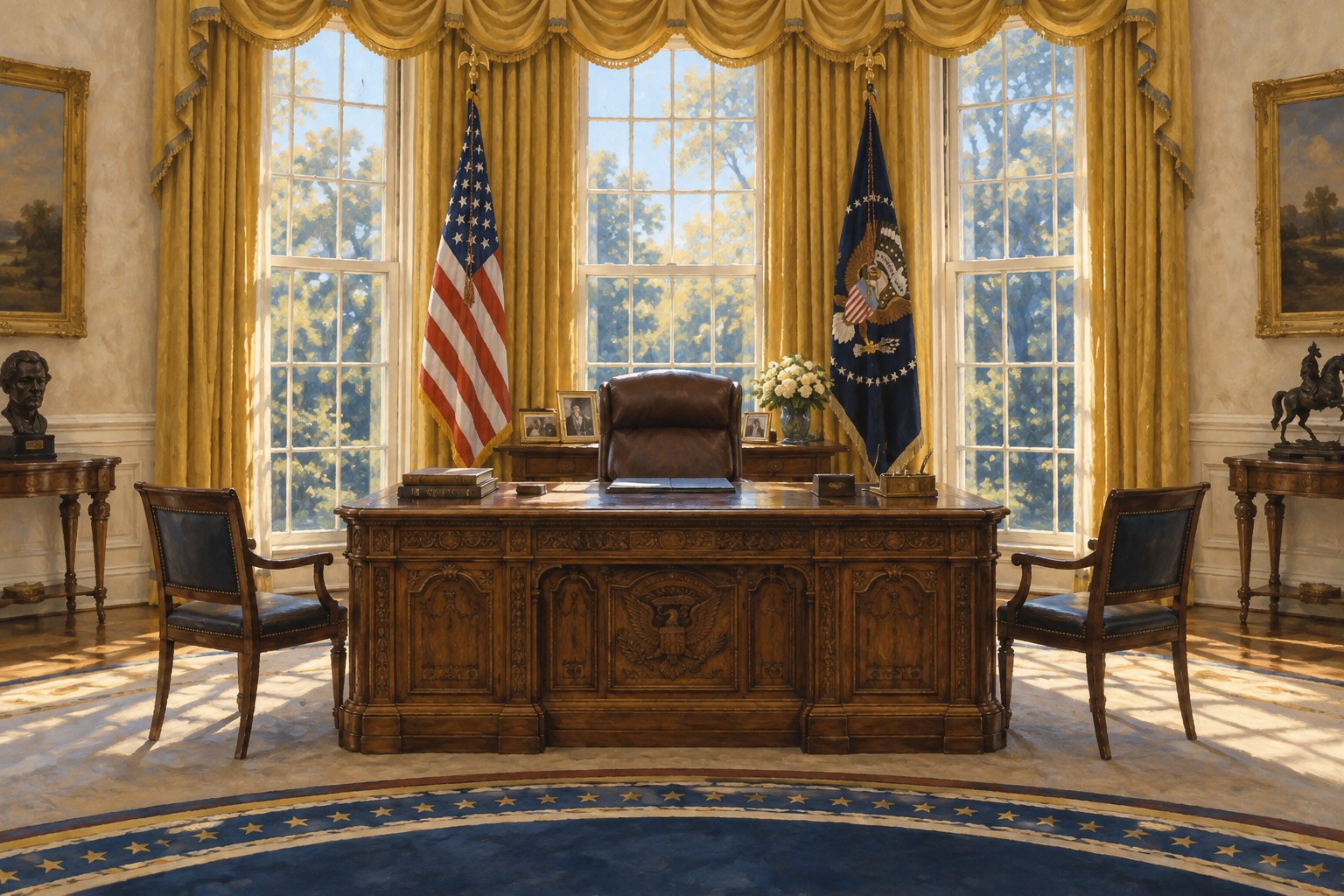
The President is paid 400,000 dollars a year, a salary set in 1999 and in effect since January 2001, plus a 50,000 dollar expense allowance, up to 100,000 dollars for travel, and 19,000 dollars for official entertainment. The Constitution bars any increase or cut during a term and any other payment from the federal or state governments. The government provides the White House, its staff, aircraft, Camp David, and protection, while the President pays for family meals and other personal expenses. Several Presidents have donated their salaries. The Vice President's pay is set separately by law and, like that of other top officials, has been frozen by Congress.



See how officials must handle their own finances in officials' money, check common claims in myths about Congress, the courts, and federal money, or see the workforce as a whole in the federal workforce by the numbers.