The President's Pay and Perks
Article II of the Constitution says the President shall receive a compensation that may be neither increased nor diminished during the term for which he was elected, and bars any other payment from the federal government or any state. Congress set the salary at 25,000 dollars in 1789 and has raised it only five times, most recently to 400,000 dollars, effective in January 2001. Because a change cannot take effect during a term, Congress must set the pay before an inauguration.
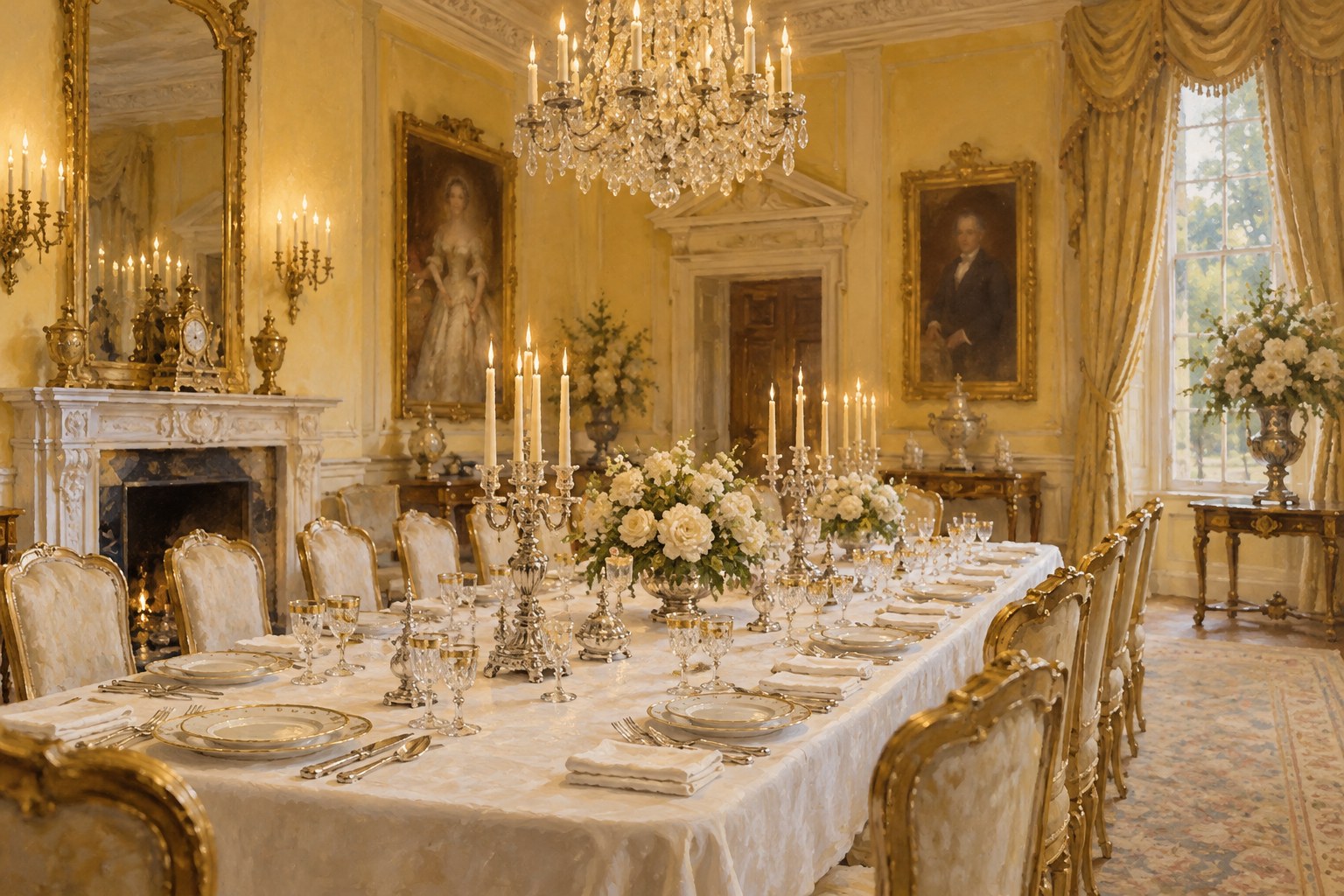
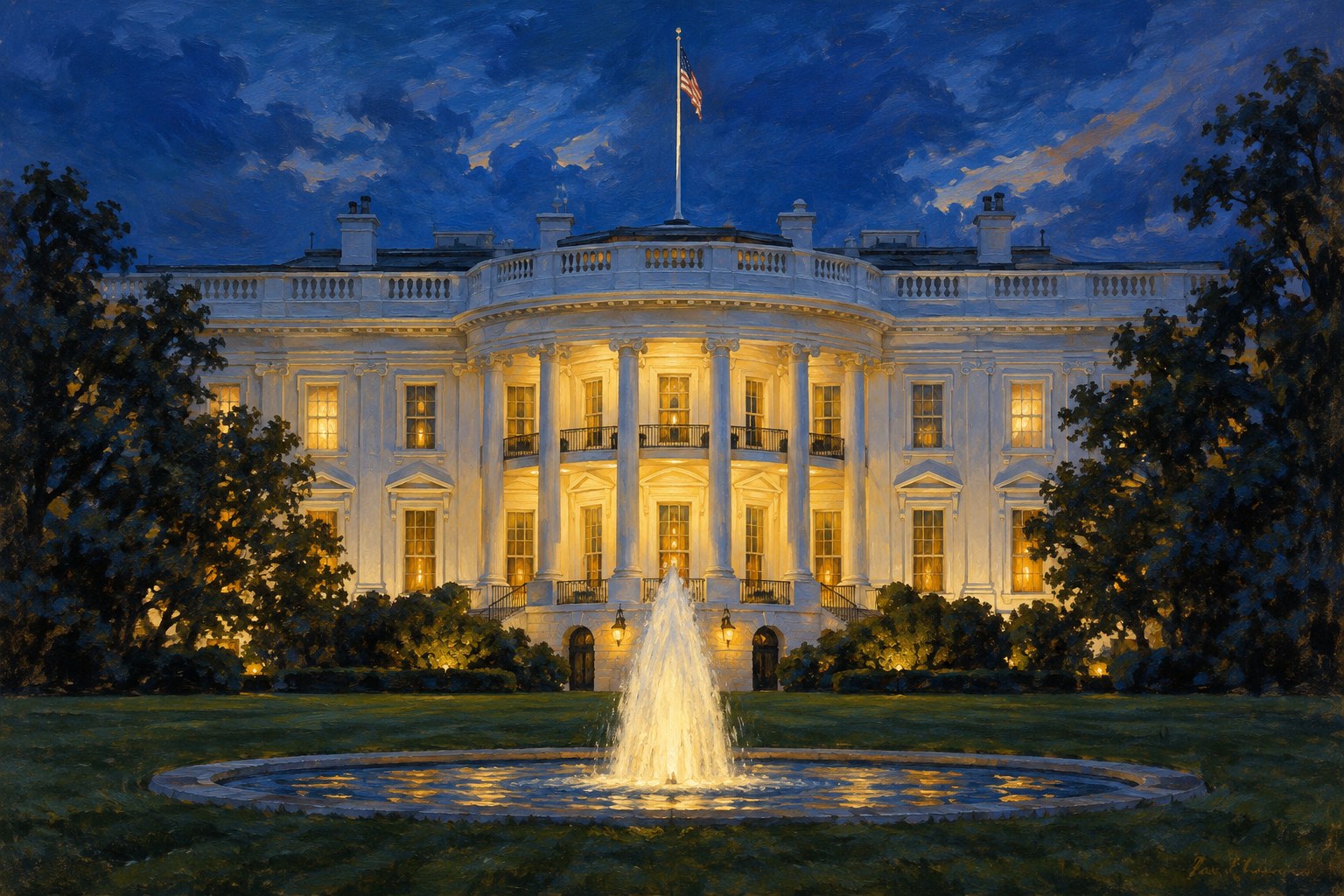
The President also receives a 50,000 dollar expense allowance, up to 100,000 dollars a year for travel, and 19,000 dollars for official entertainment. The government provides the White House and its staff, Camp David, Air Force One and Marine One, Secret Service protection, and medical care. Official functions, such as state dinners, are paid with public money, but the President is billed for personal and family meals, dry cleaning, and other private expenses at the White House, and pays for private events and guests.
Several Presidents, including Herbert Hoover and John Kennedy, donated their salaries, and the President serving since 2025 has also said he donates his. The Vice President's salary is set separately by law and has been frozen by Congress along with other top officials' pay. Some argue the salary is low for the job and should be raised, while others note that the office's perks, and the earnings that former Presidents command from books and speeches, make pay a minor consideration.


| Status | Active |
| Legal basis | Article II, Section 1, Clause 7, and 3 U.S.C. 102 |
| Official site | whitehouse.gov |
| Salary | 400,000 dollars a year, since 2001 |
| Expense allowance | 50,000 dollars |
| Travel allowance | Up to 100,000 dollars, untaxed |
| Entertainment | 19,000 dollars for official events |
| Constitutional rule | Pay cannot change during a term |
| Date | Salary of 400,000 dollars since January 2001 |