Continuity of Government: How Washington Plans for Catastrophe
Key takeaways
- The Presidential Succession Act lists who becomes President after the Vice President, starting with the Speaker of the House and the Senate's President pro tempore and then the Cabinet.
- A designated survivor from the Cabinet stays away from the State of the Union and inaugurations so that someone in the line survives.
- Agencies must have plans to relocate and keep essential functions running, and some alternate sites, such as Mount Weather in Virginia and Raven Rock in Pennsylvania, are publicly known.
- The House adopted a provisional quorum rule in 2005 and requires fast special elections if more than 100 seats are vacant.
- FEMA runs the system that lets the President and other officials send emergency alerts to televisions, radios, and phones.
- Commissions have warned of gaps, including mass vacancies in the House and an unclear succession law, but Congress has not changed them.
Since the start of the nuclear age, the federal government has planned for the possibility that an attack or disaster could kill its leaders or destroy Washington. Much of that planning is classified, but its outlines are public: a line of succession, alternate command sites, rules for keeping Congress and the courts working, and systems to warn the public.
This guide explains what is publicly known about continuity of government, what happened on September 11, 2001, and the gaps that experts say remain.
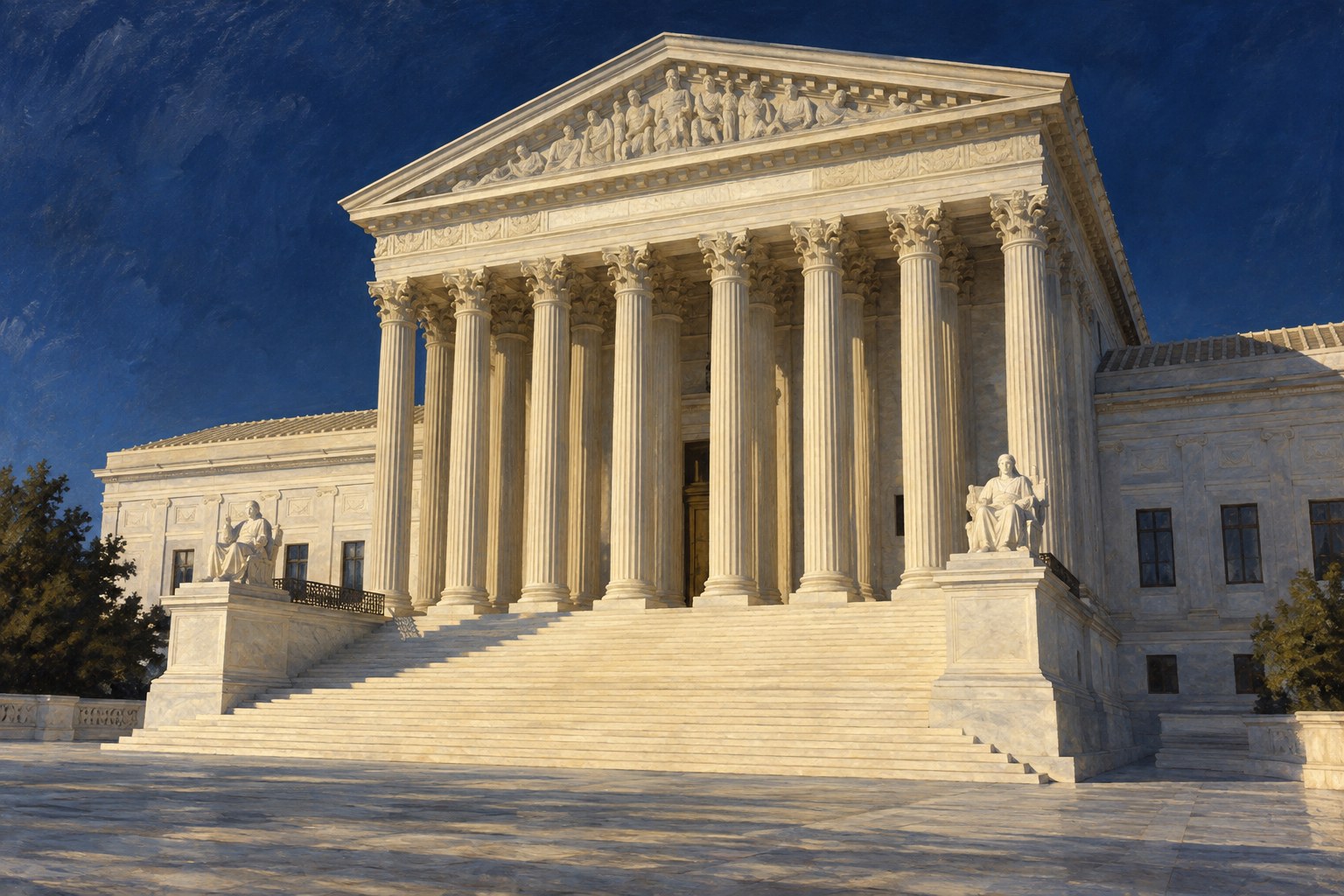
Governors can fill most Senate vacancies by appointment, but House seats can be filled only by election. Since 2005 the House has allowed a provisional quorum after a catastrophe, based on the members able to attend, and federal law requires special elections within 49 days when more than 100 seats are vacant. During the Cold War Congress had a secret bunker at the Greenbrier resort in West Virginia, revealed in 1992. The Supreme Court needs six justices for a quorum, and if it lacks one, lower court rulings stand. Proposals for a constitutional amendment allowing temporary House appointments have not advanced.
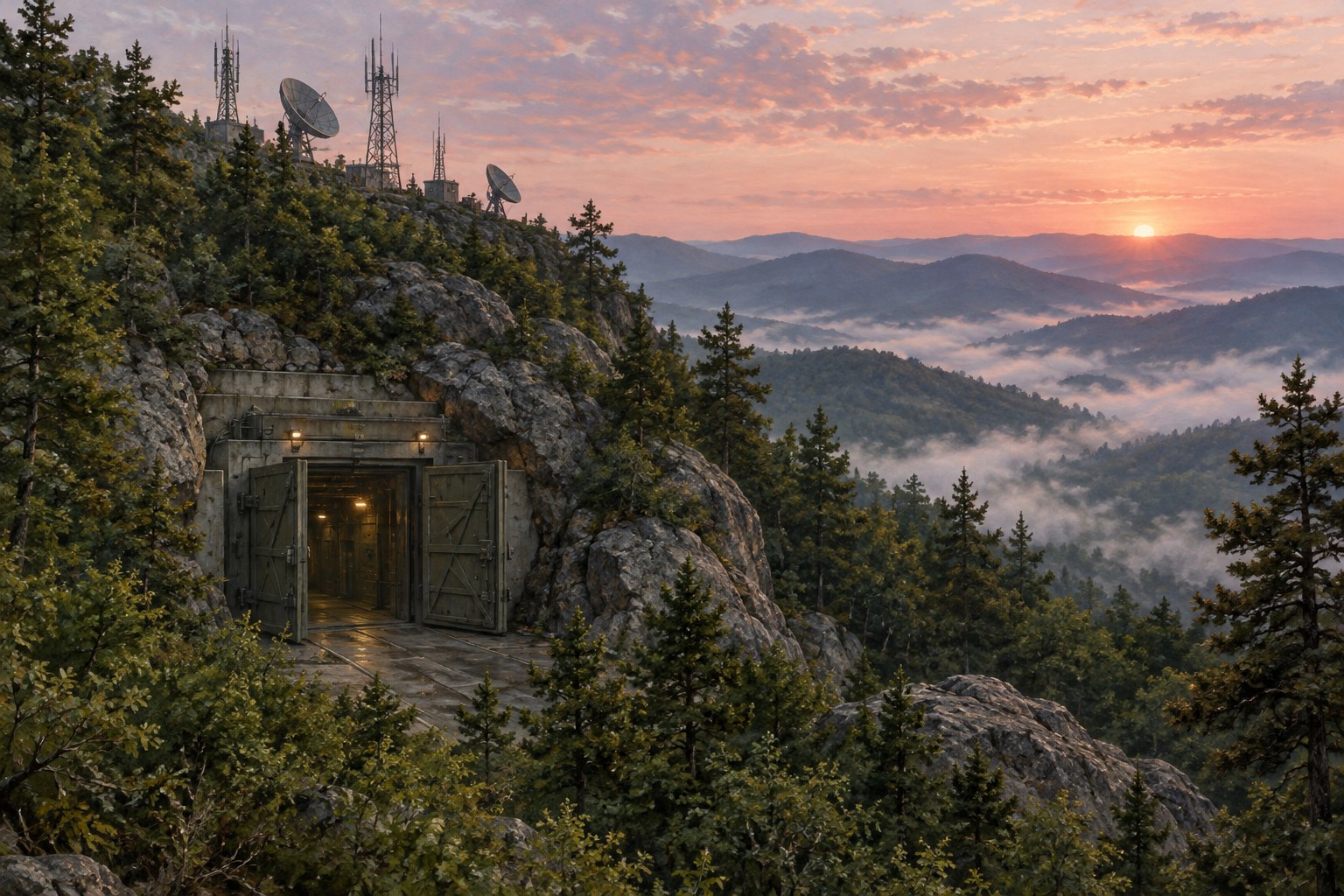
Executive orders and directives since the 1950s require every agency to plan for relocating and continuing essential functions, with guidance from FEMA. Some alternate sites are publicly known, including FEMA's Mount Weather center in Virginia and the Raven Rock complex in Pennsylvania, along with airborne command posts that can carry national leaders. On September 11, 2001, these plans were used for the first time on a large scale: the Vice President directed the response from a White House bunker, congressional leaders were moved to a secure location, and the President stayed aloft on Air Force One for hours before returning to Washington.

The Emergency Alert System, successor to Cold War warning networks, requires broadcasters and cable systems to carry emergency messages, and Wireless Emergency Alerts reach cell phones in affected areas. FEMA's Integrated Public Alert and Warning System routes alerts from the President and authorized officials, and presidential alerts cannot be turned off. Most alerts concern weather and local emergencies, but the system was built so that the President could address the nation in a crisis. A false missile alert in Hawaii in 2018 showed how mistakes can spread panic.

If the President dies, resigns, or is removed, the Vice President becomes President under the Twenty-fifth Amendment. After the Vice President, the Presidential Succession Act of 1947 lists the Speaker of the House, the President pro tempore of the Senate, and then the Cabinet secretaries in the order their departments were created, starting with the Secretary of State. Only officials who meet the constitutional qualifications for President can serve. Scholars have long questioned whether congressional leaders should be in the line at all and how the law would work if many officials were killed at once.
When the President, Vice President, Cabinet, and Congress gather for the State of the Union or an inauguration, one Cabinet member eligible for the presidency stays at a secure location away from the event. The practice dates to the Cold War and became public in the early 1980s, and Congress keeps some members of each party away as well. A designated survivor who became President would be an unelected official, a scenario commissions have cited in urging changes to the succession law.
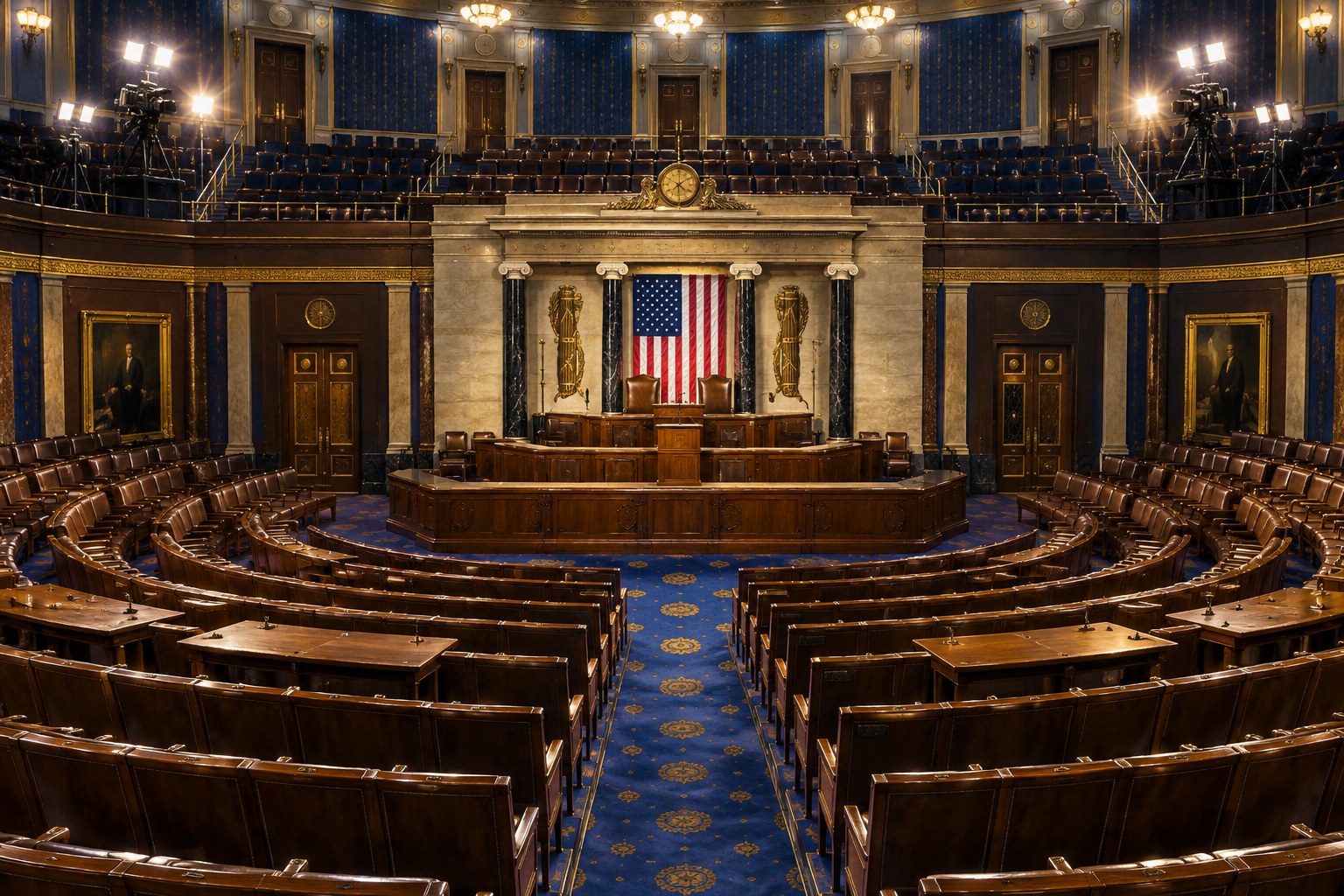
A bipartisan commission formed after September 11 warned that a single attack on the Capitol could leave the House unable to function for months and that the succession law could produce disputes over who is President. It recommended constitutional and statutory changes, but Congress adopted only rules changes and the 49-day election law. Other concerns include how to handle incapacitated rather than dead members, whether plans written for nuclear war fit cyberattacks and pandemics, and how much of the system should remain secret. Supporters of the current approach say elected bodies should not be filled by appointment and that classified planning has improved.
See the line of succession in presidential succession explained, nuclear command in nuclear weapons: who controls them, or disaster response in disasters: how the government responds.