U.S. Strategic Command USSTRATCOM
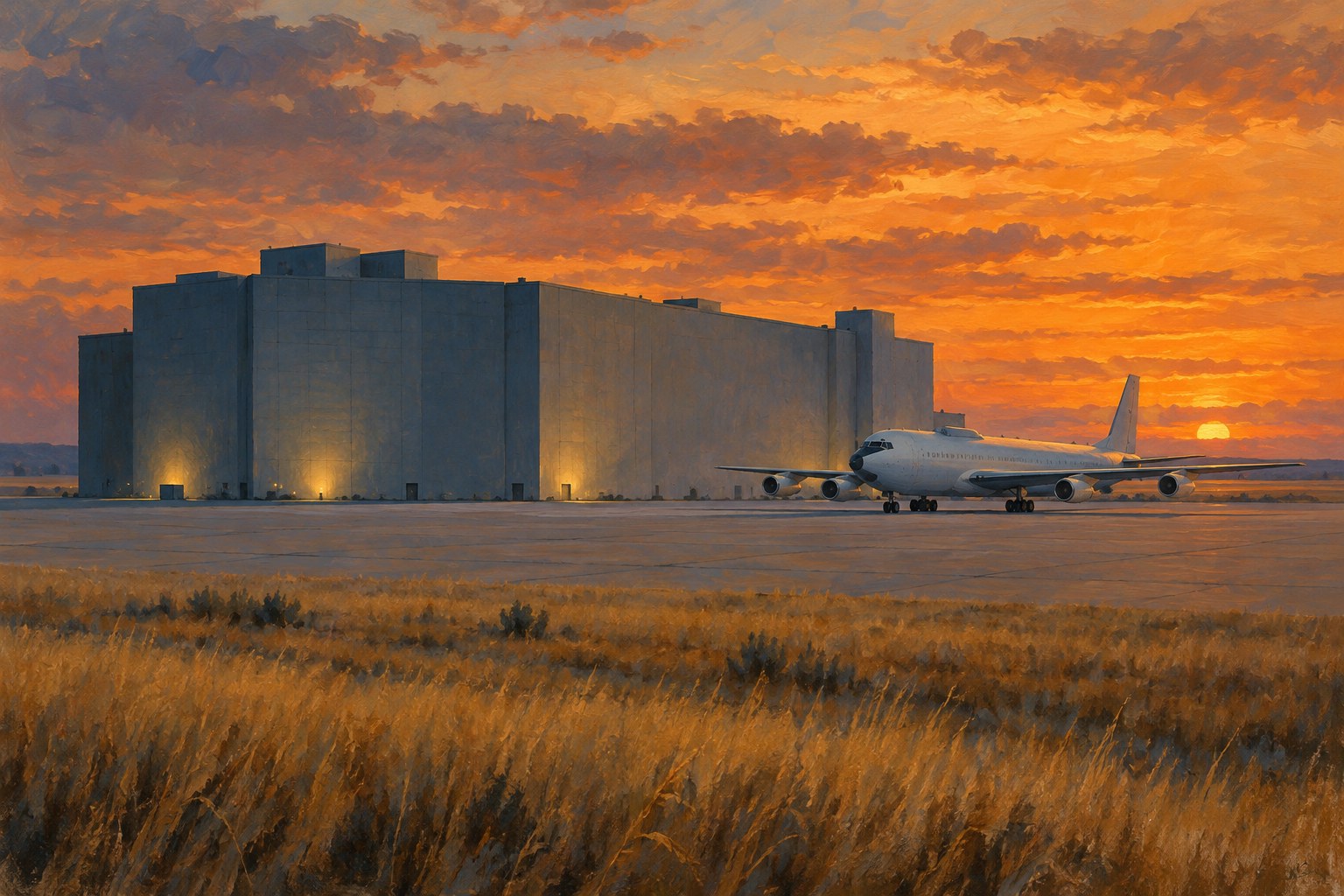
During the Cold War the Air Force's Strategic Air Command, created in 1946, controlled the nuclear bombers and land-based missiles, while the Navy commanded the ballistic missile submarines separately. As the Cold War ended, the forces were combined under a single unified command, U.S. Strategic Command, established on June 1, 1992, at Offutt Air Force Base near Omaha, Nebraska. In 2002 it absorbed U.S. Space Command, which was re-created as a separate command in 2019.
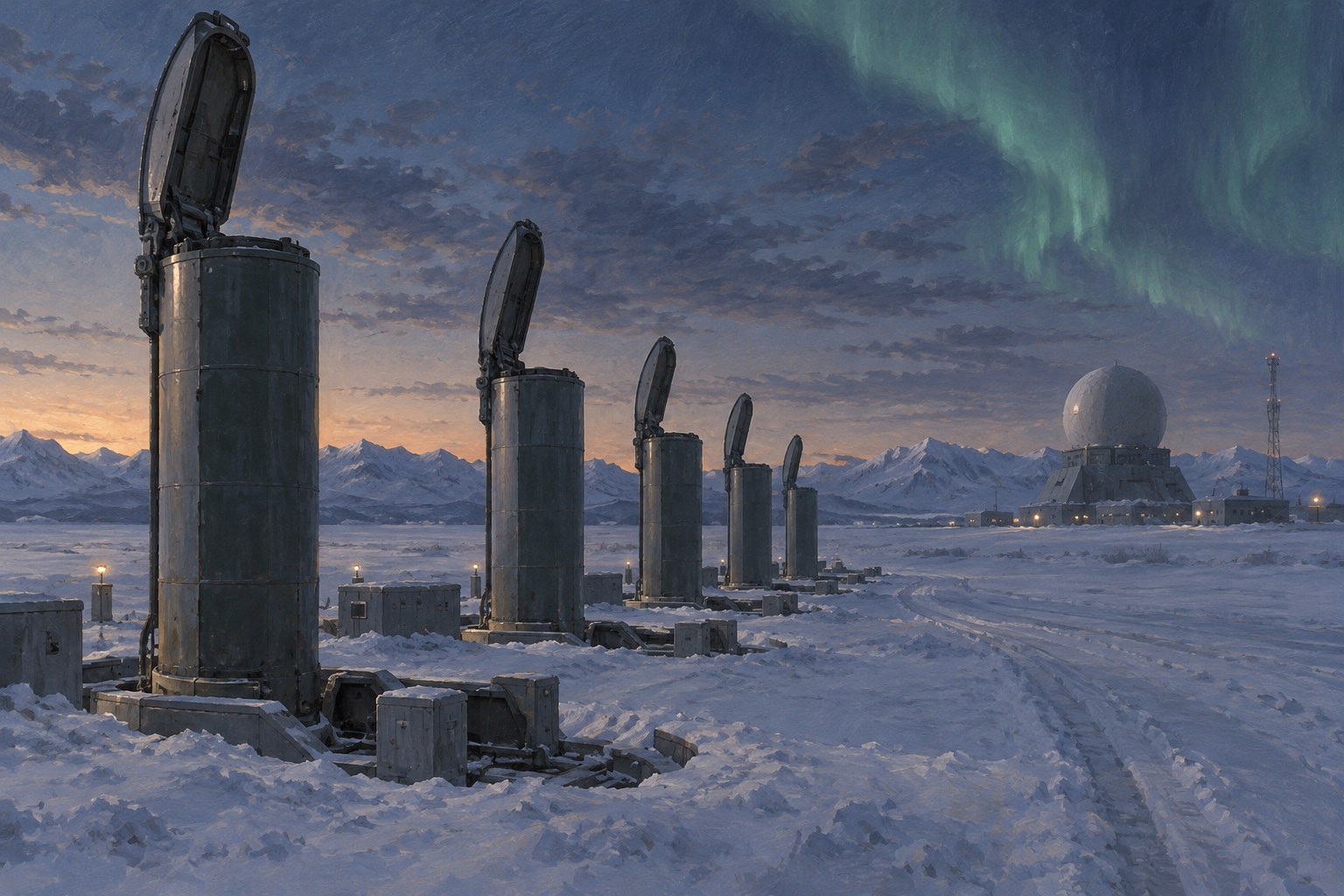
Strategic Command is one of the eleven combatant commands and is led by a four-star officer who reports to the Secretary of Defense and the President. It commands the nuclear triad: about 400 Minuteman III intercontinental ballistic missiles in silos in Montana, North Dakota, and Wyoming, the Navy's Ohio-class submarines carrying Trident missiles, and the Air Force's B-52 and B-2 bombers. It writes the nuclear war plans that give the President options, operates airborne command posts that can relay launch orders if ground centers are destroyed, and shares missile warning duties with other commands.
The command is in the middle of the most expensive overhaul of nuclear forces since the 1980s, replacing every leg of the triad: the Sentinel missile, whose estimated cost rose 81 percent in 2024 and triggered a mandatory review, the Columbia-class submarine, and the B-21 bomber, along with new warheads and command systems. Supporters say modernization is essential as China expands its arsenal and Russia threatens nuclear use. Critics question the cost, estimated by the Congressional Budget Office in 2025 at close to 950 billion dollars over a decade, and some argue that the land-based missiles could be retired.
| Status | Active |
| Abbreviation | USSTRATCOM |
| Led by | Commander |
| Legal basis | Unified Command Plan |
| Official site | stratcom.mil |
| Established | June 1, 1992 |
| Headquarters | Offutt Air Force Base, Nebraska |
| Commands | Land-based missiles, ballistic missile submarines, and nuclear bombers |
| Predecessor | Strategic Air Command (1946 to 1992) |
| Modernization cost | About 950 billion dollars for 2025 to 2034 (CBO) |
| Date | Established June 1, 1992 |
| Location | Offutt Air Force Base, Nebraska |