The Designated Survivor
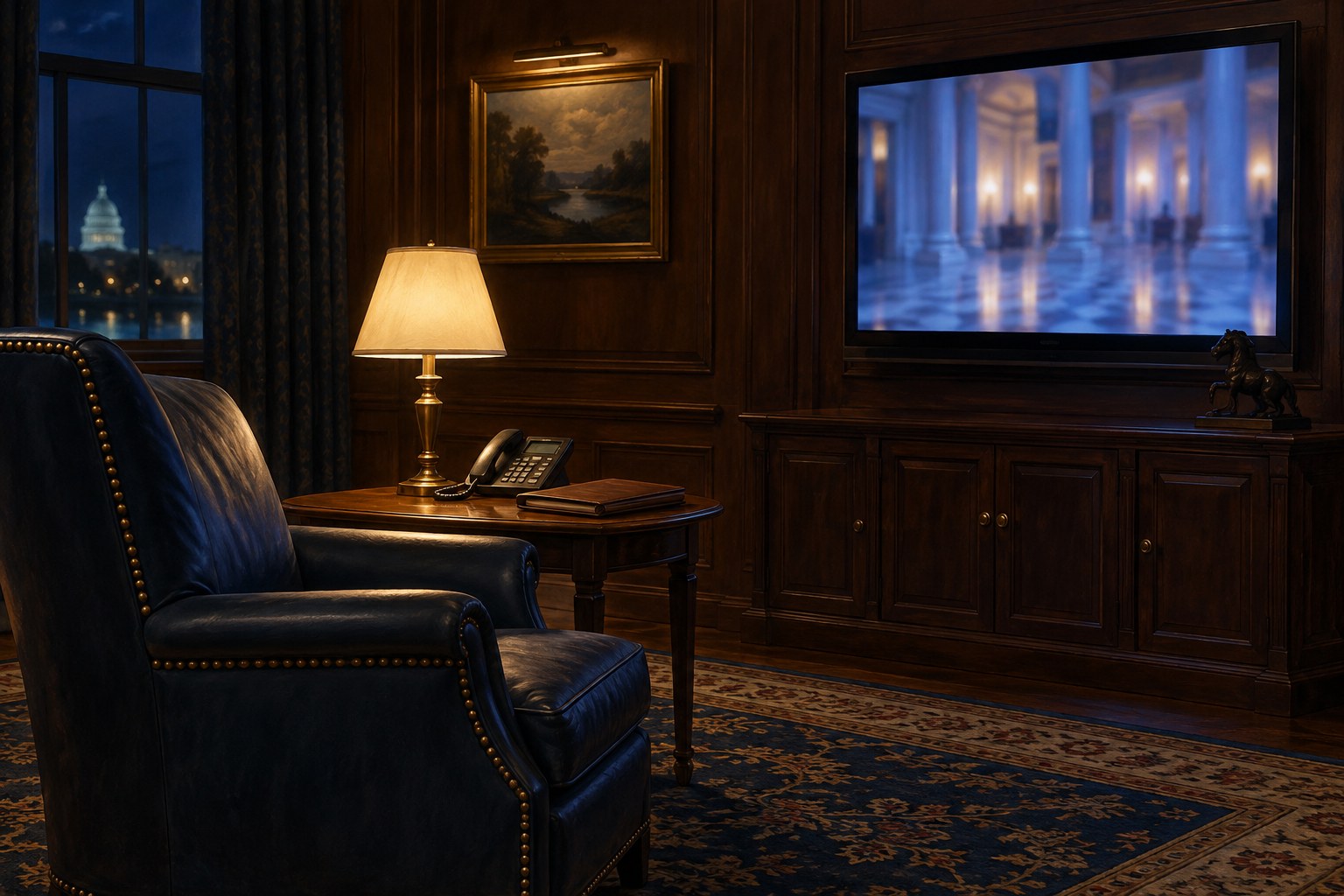
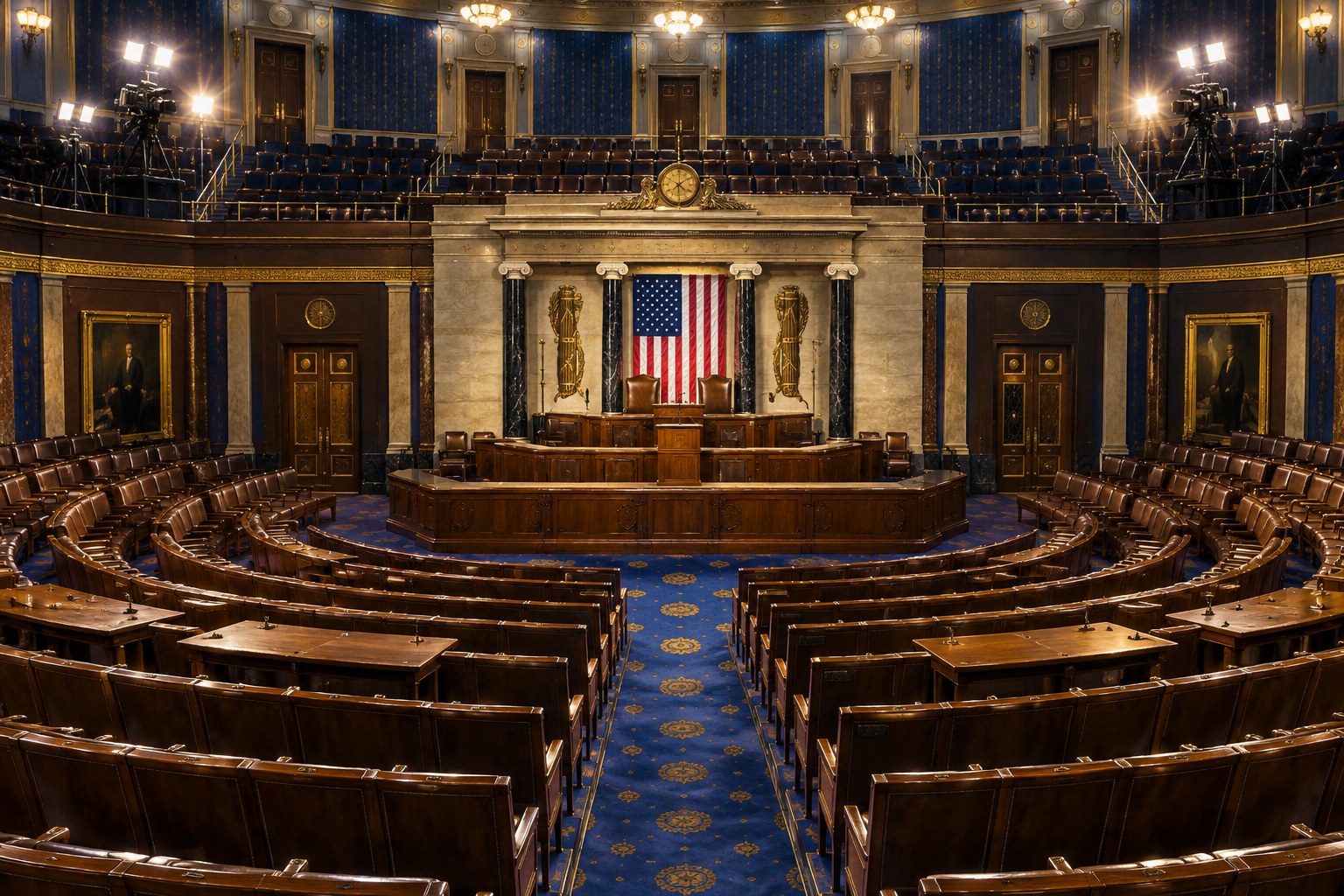
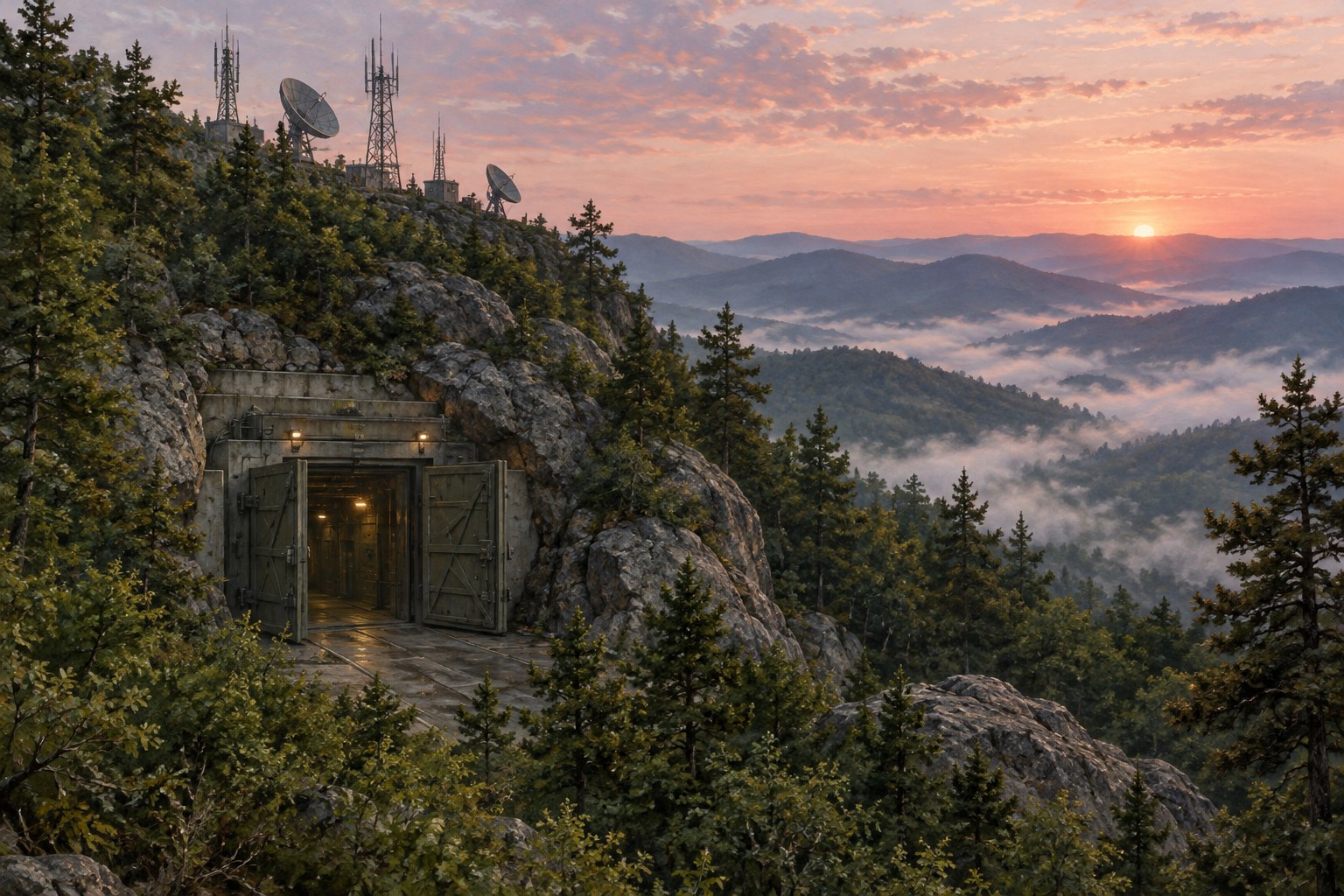
When the President, Vice President, Cabinet, and Congress gather in one place, as at the State of the Union address or an inauguration, a single attack could kill most of the line of presidential succession. Since at least the Cold War, one Cabinet member who is eligible to succeed has been kept at a secure, undisclosed location during such events. The practice became publicly known in the early 1980s, and the White House now routinely announces the designated survivor after the event.
The designated survivor travels with security and a military aide and would be briefed on continuity plans in advance. Congress follows a similar practice, keeping some members of each party away from joint sessions so that the House and Senate could reconstitute. The chosen official must meet the constitutional qualifications for President, so Cabinet members born abroad, such as some secretaries of state, have been skipped.
The practice is a small piece of larger continuity of government plans, and scholars have pointed out its limits. A designated survivor who became President after an attack would be an unelected Cabinet officer, possibly from a minor department, and the Presidential Succession Act raises legal questions, such as whether congressional leaders who survived could later claim the office. Commissions have recommended changing the succession law and adding officials outside Washington, but Congress has not acted.
| Status | Active |
| Legal basis | Presidential Succession Act of 1947 (3 U.S.C. 19) |
| Official site | whitehouse.gov |
| Purpose | Keep someone in the line of succession alive |
| Used at | State of the Union addresses and inaugurations |
| Who is chosen | A Cabinet member eligible to be President |
| Congress | Keeps some members away from joint sessions |
| Legal basis | Presidential Succession Act of 1947 |
| Date | Publicly known since the early 1980s |