Nuclear Weapons: Who Controls Them and How a Launch Is Ordered
Key takeaways
- Only the President can authorize the use of nuclear weapons. No other official must approve, though launch crews act in pairs and must refuse clearly illegal orders.
- The Energy Department designs, builds, and maintains the warheads. The military, through Strategic Command, operates the missiles, submarines, and bombers that carry them.
- The United States has about 3,700 warheads in its military stockpile, according to independent estimates.
- NORAD, run jointly with Canada, and other commands watch for missile and air attacks on North America.
- All three legs of the triad are being replaced at once, at a cost the Congressional Budget Office puts near 950 billion dollars over a decade.
- No U.S. nuclear explosive test has taken place since 1992. New START expired on February 5, 2026, leaving no treaty limits on U.S. and Russian forces.
The United States built the first nuclear weapons in 1945 and is the only country to have used them in war. Today a small number of officials, systems, and agencies control an arsenal of thousands of warheads, under rules designed to keep them ready for use within minutes and secure against any unauthorized launch.
This guide explains who makes the weapons, who commands them, how a launch order would work, how attacks are detected, and the debates over modernization, testing, and arms control.
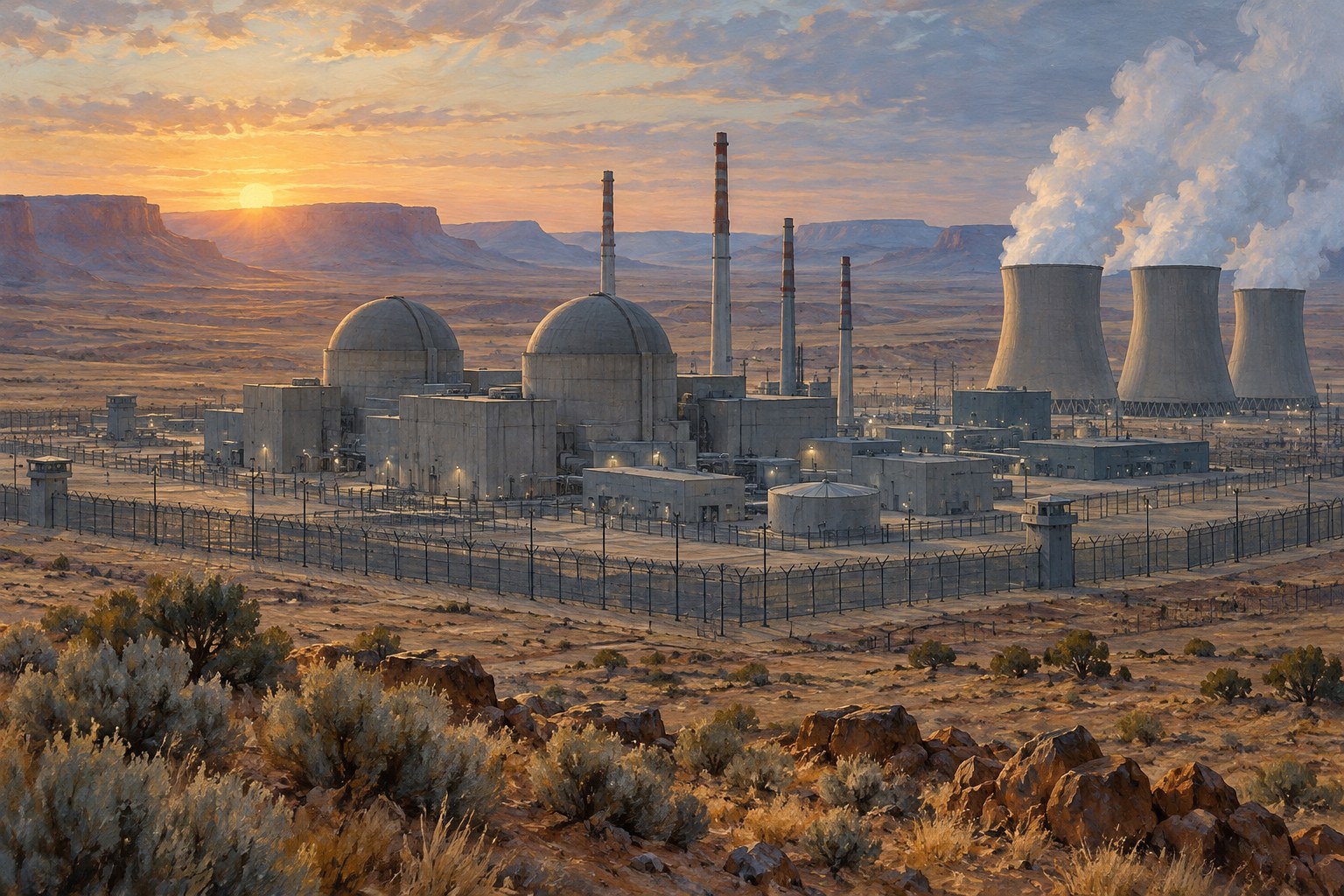
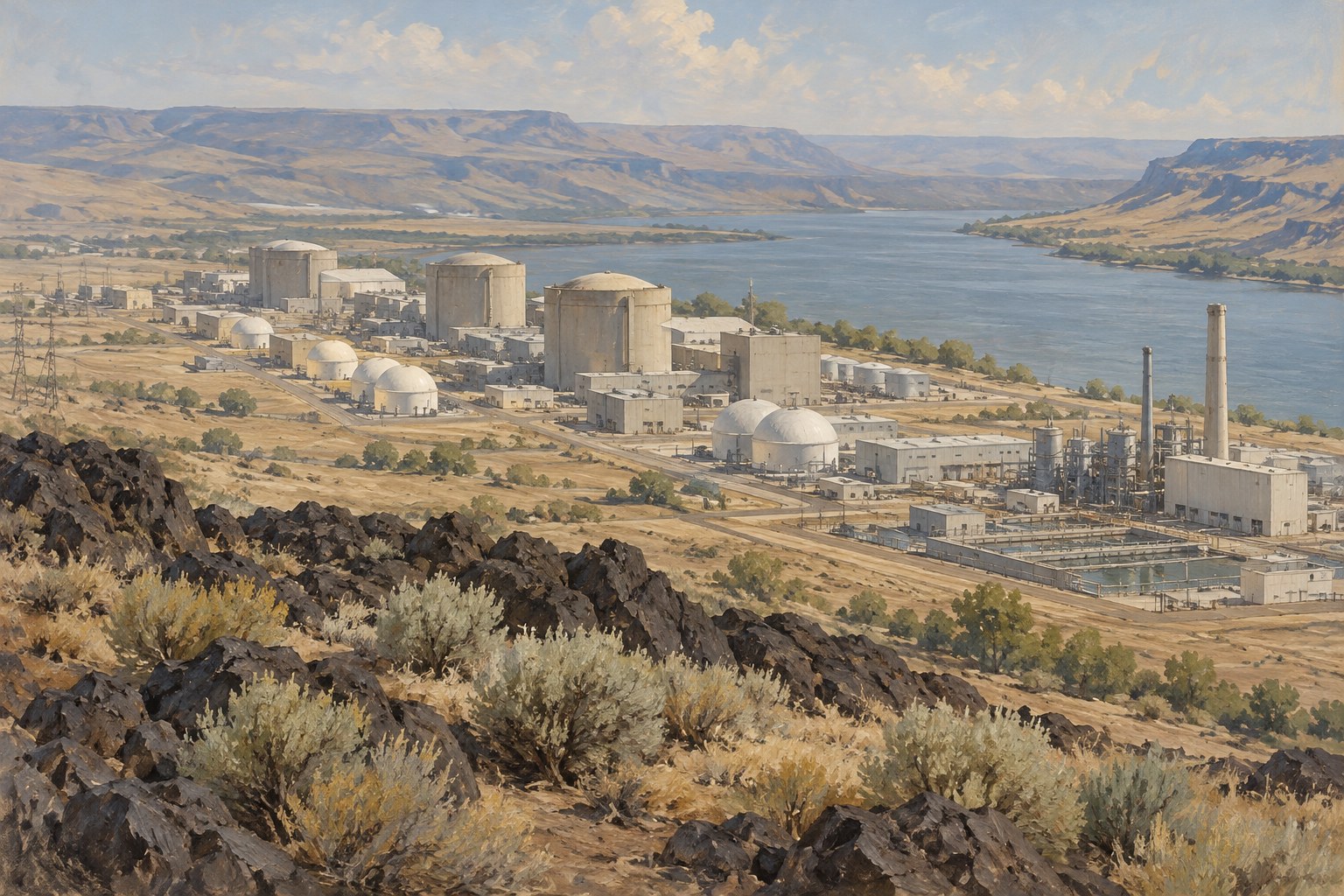
The Atomic Energy Act of 1946 put nuclear weapons under civilian control, creating the Atomic Energy Commission to build and hold them rather than leaving them to the military. That split survives. The Energy Department's National Nuclear Security Administration designs, produces, and maintains the warheads at national laboratories such as Los Alamos, Lawrence Livermore, and Sandia and at plants such as Pantex in Texas, while the Defense Department operates the delivery systems. Each year the laboratory directors and the commander of Strategic Command assess the stockpile, and the Secretaries of Energy and Defense report to the President on whether it remains safe and reliable without explosive testing.

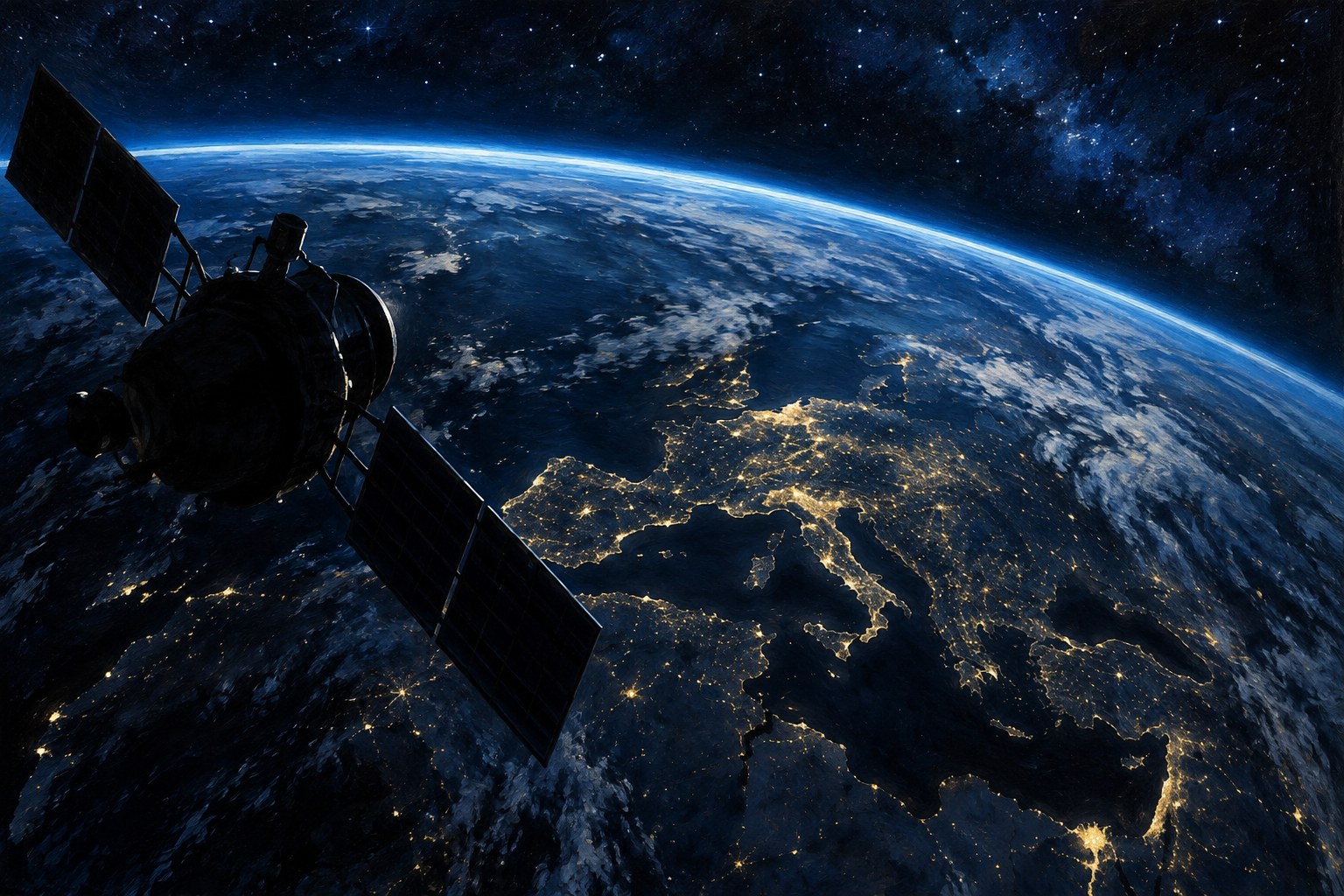
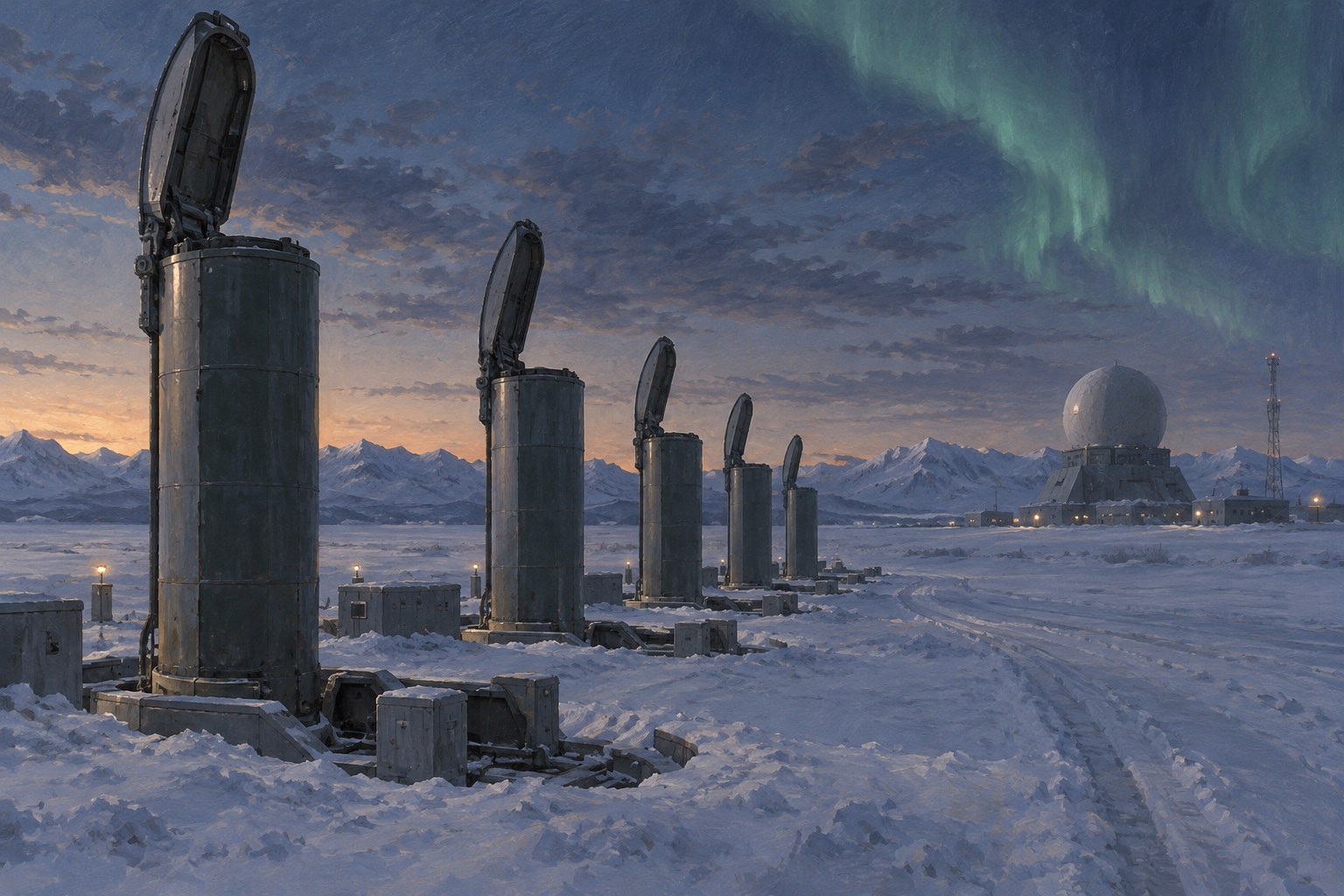
Detecting an attack is the job of satellites operated by the Space Force and ground radars run by several commands. NORAD, a joint command with Canada created in 1958, assesses whether North America is under air or missile attack and controls fighters that intercept threatening aircraft. Northern Command defends the homeland, and the Missile Defense Agency builds interceptors in Alaska and California designed to stop a small number of incoming warheads, not a large attack. In 2025 the United States began work on Golden Dome, a broader missile defense system including interceptors in space, which officials expect to reach an early capability around 2028, and whose cost and feasibility are debated.

From the 1963 ban on atmospheric tests to New START in 2010, treaties limited the American and Soviet or Russian arsenals, which fell by more than 80 percent from their Cold War peaks. Treaties require approval by two-thirds of the Senate, which rejected the nuclear test ban treaty in 1999. The United States left the Anti-Ballistic Missile Treaty in 2002 and the INF Treaty in 2019. New START, which capped each side at 1,550 deployed strategic warheads, expired on February 5, 2026, with no replacement, and the United States has said any new deal must include China. Supporters of arms control say limits reduce the risk of war and the cost of an arms race, while skeptics say treaties bound the United States while rivals cheated or stayed outside them.

Every leg of the triad is being replaced at once: the Sentinel missile, whose estimated cost rose 81 percent in 2024 and triggered a mandatory review, the Columbia-class submarine, and the B-21 bomber, along with new warheads and command systems. The Congressional Budget Office estimated in 2025 that nuclear forces will cost close to 950 billion dollars from 2025 to 2034. The United States has not conducted a nuclear explosive test since 1992, relying on simulation and experiments. In October 2025 the President ordered preparations to resume testing on an equal basis with other countries, and as of November 2026 no U.S. nuclear test had taken place. Supporters of modernization point to China's rapid buildup and Russian threats, while critics question the costs and argue that some systems could be cut.

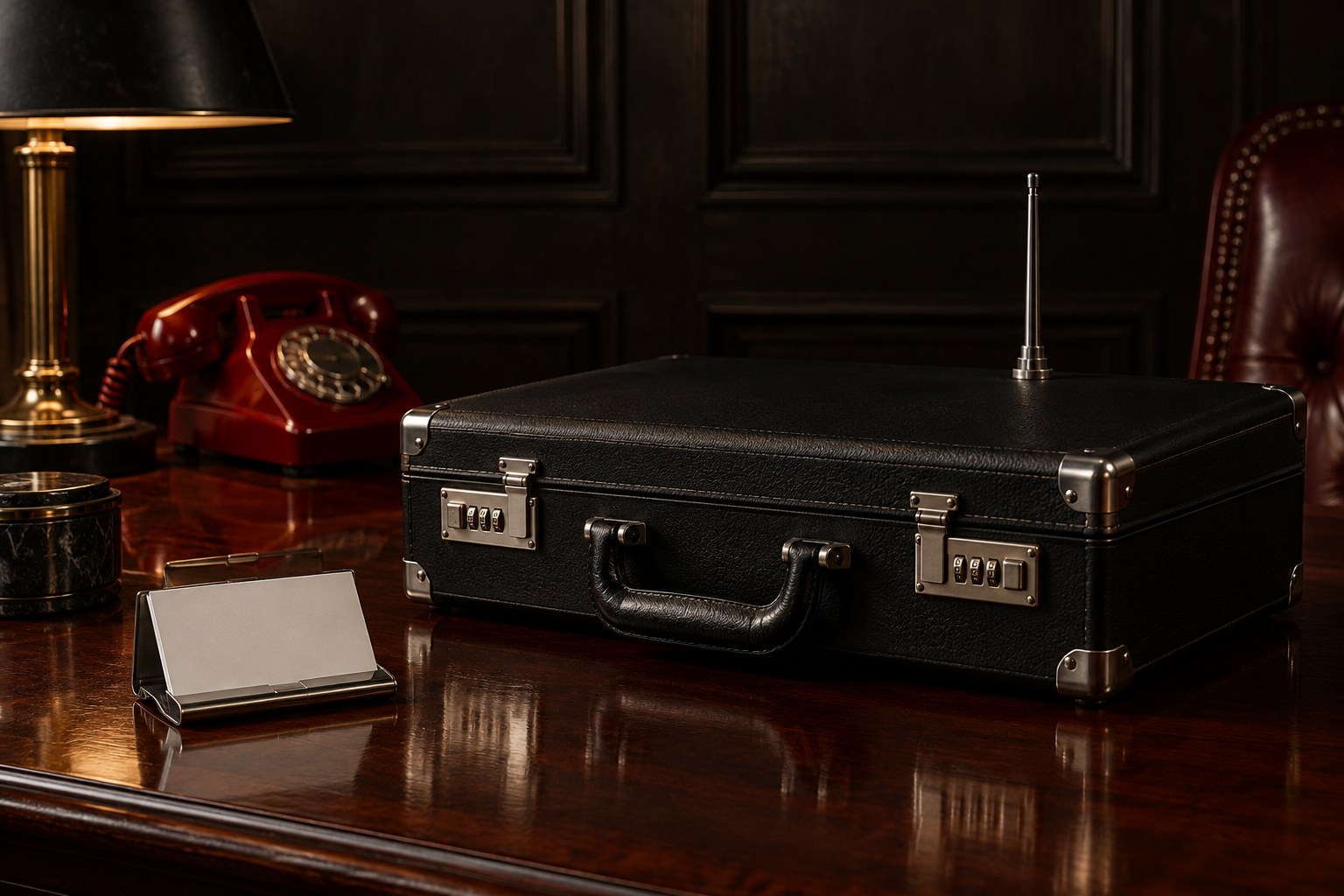
Only the President can order the use of nuclear weapons, and no other official's approval is legally required. A military aide carrying the emergency satchel known as the football stays near the President at all times, and the President carries a card of authentication codes known as the biscuit. In a crisis the President would confer with advisers if time allows, choose from preplanned options, and authenticate the order to the Pentagon's National Military Command Center, which transmits it to crews. The system is built for speed, since a missile attack could arrive in about 30 minutes. Proposals to require a congressional declaration of war before any first use, or the agreement of another official, have not passed.

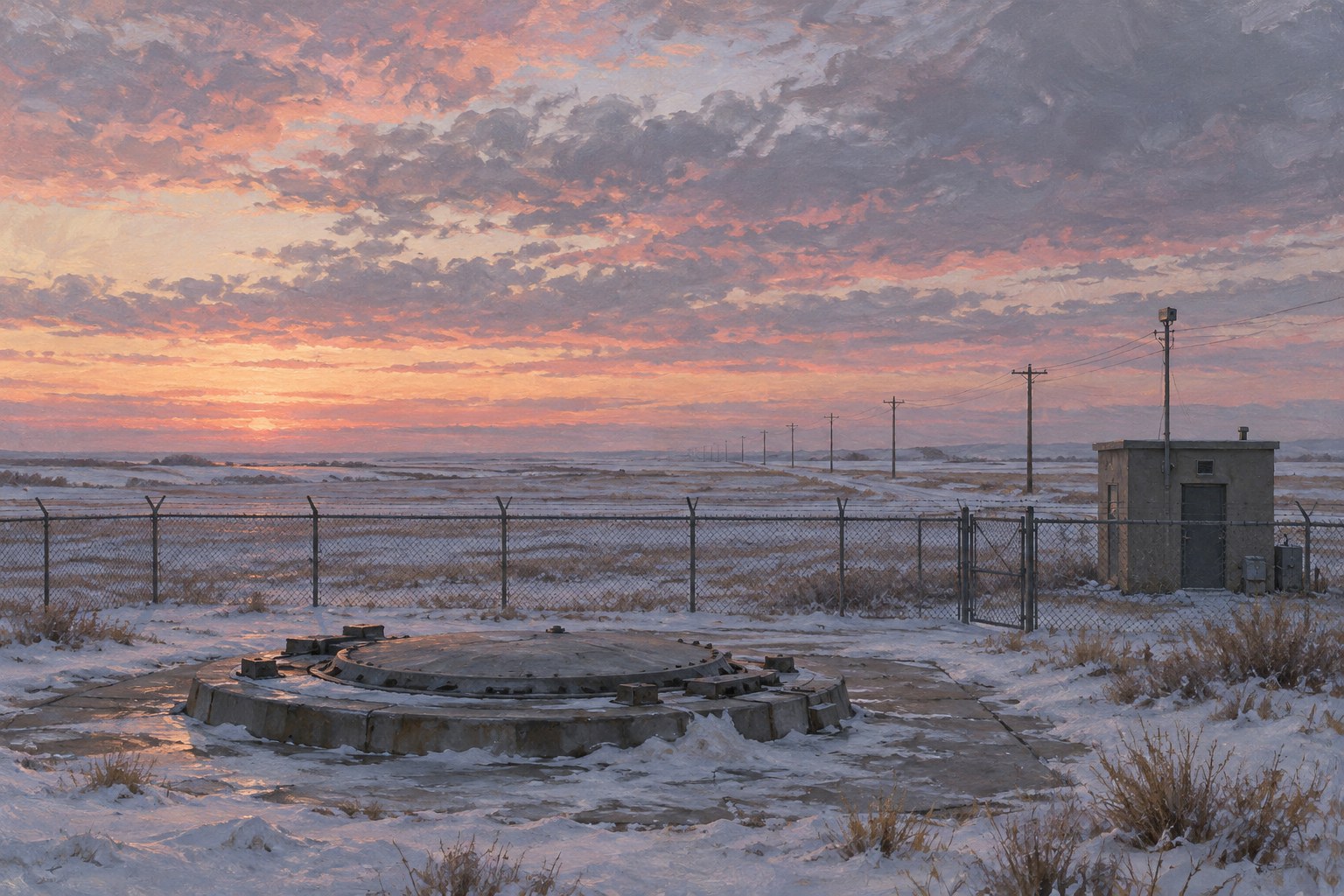
U.S. Strategic Command, headquartered at Offutt Air Force Base in Nebraska, commands the forces that would carry out an order. The triad has three legs: about 400 Minuteman III missiles in silos in Montana, North Dakota, and Wyoming, which can launch within minutes, Ohio-class submarines carrying Trident missiles, which are hard to find and carry most deployed warheads, and B-52 and B-2 bombers, which can be recalled after takeoff. The United States has about 3,700 warheads in its military stockpile, according to independent estimates. Crews at every launch site work under a two-person rule, and weapons carry coded locks to prevent unauthorized use.

See the short answer in myths about presidential power, read about the wider power to use force in war powers explained, or see how treaties are made and ended in how treaties work.