North American Aerospace Defense Command (NORAD) NORAD
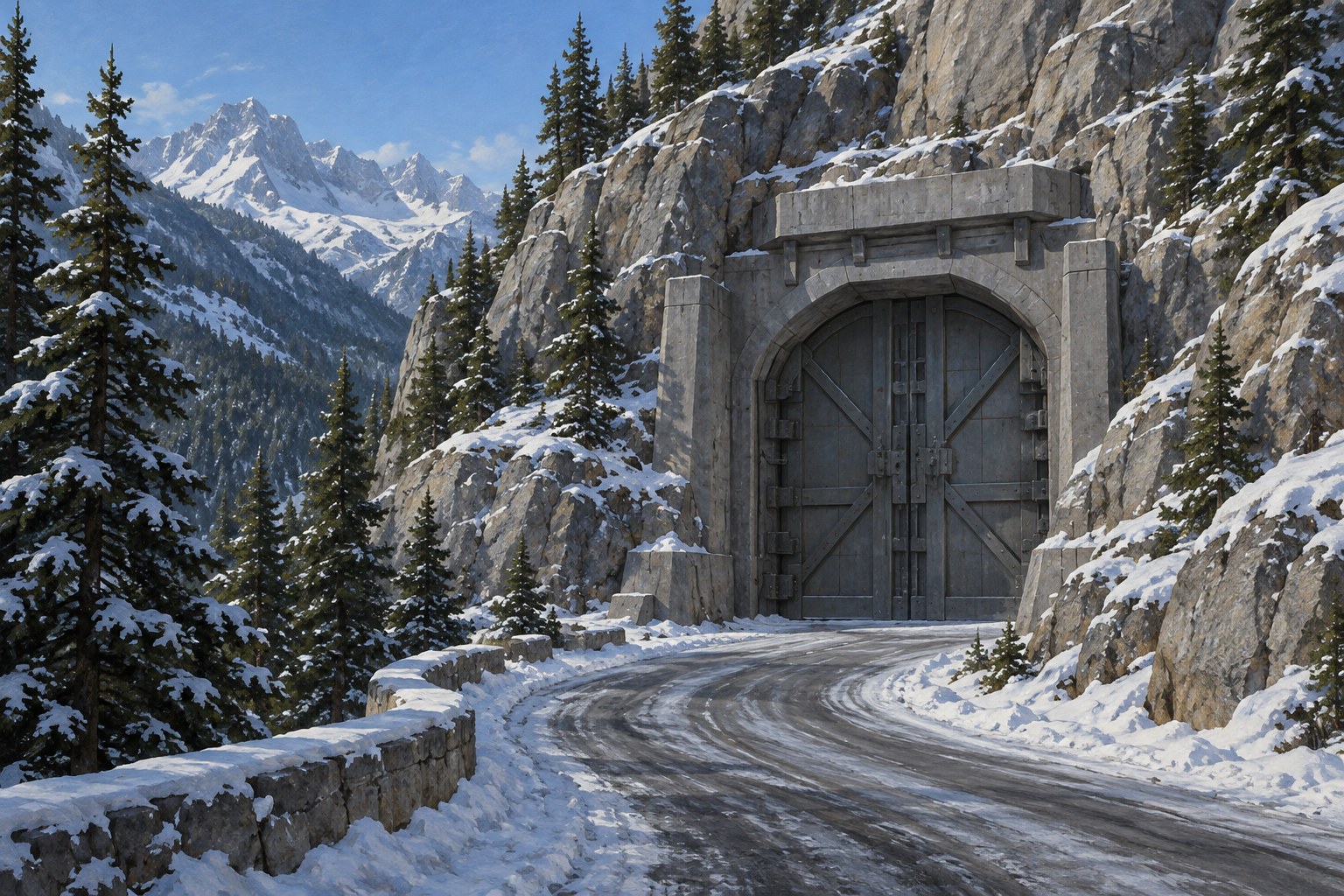
The United States and Canada created the North American Air Defense Command on September 12, 1957, formalized by agreement on May 12, 1958, to defend against Soviet bombers. Its commander is an American four-star officer and its deputy a Canadian, and it answers to both governments. It was renamed the North American Aerospace Defense Command in 1981 to reflect its role in warning of missile and space threats. Its Cold War headquarters was dug into Cheyenne Mountain in Colorado, which remains an alternate command center, while daily operations run from Peterson Space Force Base in Colorado Springs.
NORAD's missions are aerospace warning, detecting and assessing attacks on North America by aircraft, missiles, or space vehicles, aerospace control, intercepting suspicious aircraft, and, since 2006, maritime warning. Its commander also leads U.S. Northern Command. Fighters on alert scramble to intercept planes that violate restricted airspace around Washington and Russian aircraft that approach Alaska. After the September 11 attacks exposed gaps in watching domestic airspace, NORAD began monitoring flights inside the country as well as approaches from abroad. Since 1955 it and its predecessor have also tracked Santa Claus on Christmas Eve, a tradition that began with a misprinted phone number.
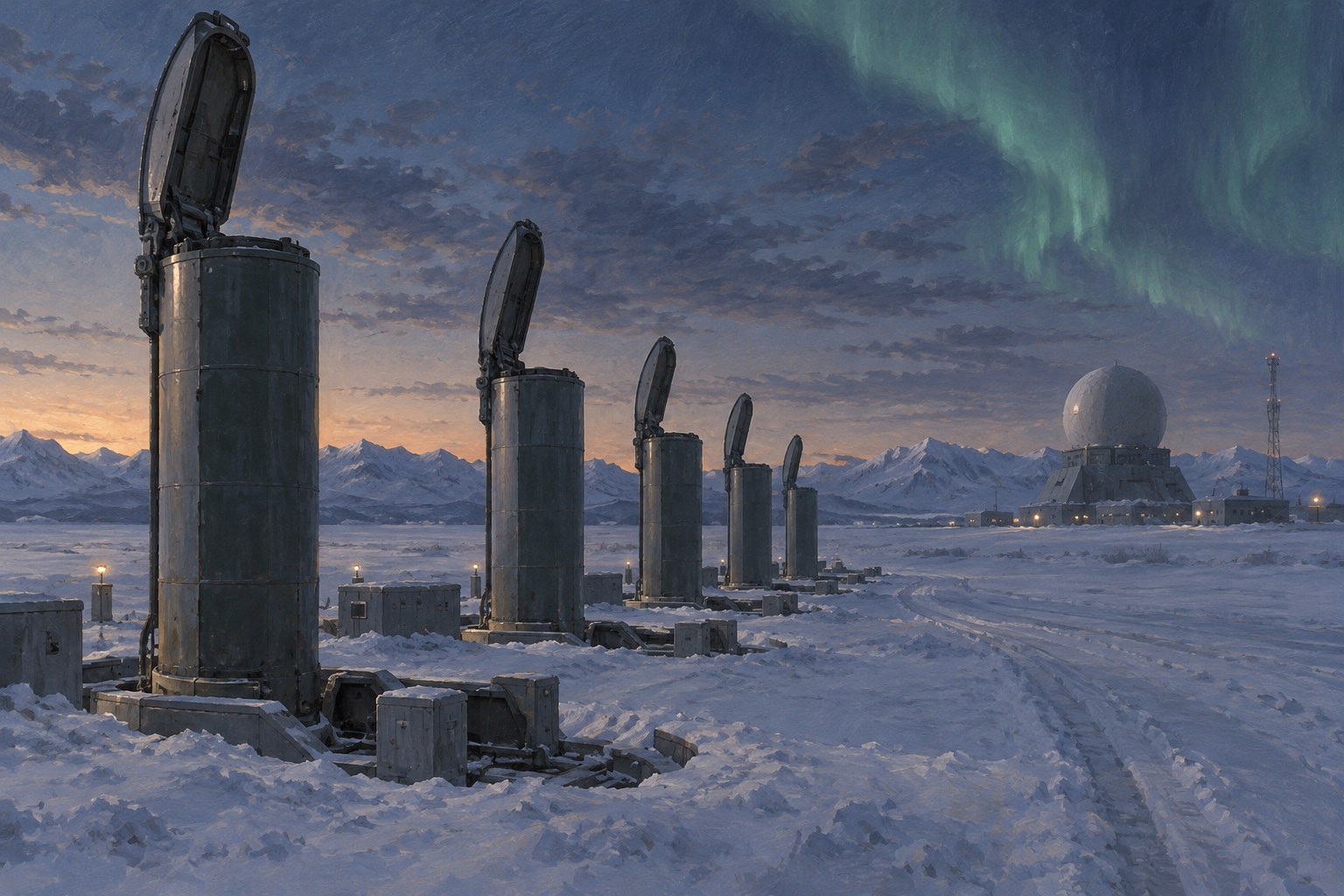
The radars of the North Warning System across the Arctic date to the 1980s, and in February 2023 NORAD fighters shot down a Chinese surveillance balloon and three unidentified objects over the United States and Canada, renewing concern about gaps in detection. Canada announced a major program to modernize its share of NORAD in 2022. In 2025 the United States began work on Golden Dome, a planned national missile defense system that would include space-based interceptors, with officials expecting an early version around 2028. Supporters say new threats such as hypersonic and cruise missiles require it, while critics question its cost, feasibility, and effect on arms control.


| Status | Active |
| Abbreviation | NORAD |
| Led by | Commander |
| Legal basis | NORAD Agreement between the United States and Canada (1958, renewed) |
| Official site | norad.mil |
| Established | May 12, 1958, operating since September 12, 1957 |
| Members | United States and Canada |
| Leadership | A U.S. commander with a Canadian deputy |
| Headquarters | Peterson Space Force Base, Colorado |
| Missions | Aerospace warning, aerospace control, and maritime warning |
| Date | Established May 12, 1958 |
| Location | Peterson Space Force Base, Colorado |