Disasters: How the Government Warns, Responds, and Rebuilds
Key takeaways
- The National Weather Service, NOAA, and the U.S. Geological Survey forecast and warn of storms, floods, earthquakes, and volcanoes, and FEMA runs the system that sends alerts to phones.
- Disasters are handled first by local and state governments, and the federal government steps in when a governor asks and the President declares an emergency or major disaster.
- Under the Stafford Act, a major disaster declaration usually means the federal government pays at least 75 percent of eligible public costs and provides grants to families.
- FEMA coordinates the federal response, with help from the Army Corps of Engineers, HHS, the Small Business Administration, and others.
- Most flood insurance is sold by the federal government's National Flood Insurance Program, which owes more than 20 billion dollars and is authorized through December 11, 2026.
- A council convened by the President recommended in May 2026 a slimmer, renamed FEMA, block grants to states, and fewer federal declarations, changes that would require Congress to act.
Hurricanes, floods, wildfires, tornadoes, and earthquakes test every level of government. The system for handling them rests on a simple principle, that disasters are managed locally first, with state and then federal help when local resources are overwhelmed, but in practice it involves dozens of agencies and tens of billions of dollars a year.
This guide follows a disaster from forecast to recovery and explains the debate, sharpened in 2025 and 2026, over how much responsibility should fall on Washington.
In 2025 the President called for shifting disaster responsibility to the states and convened a review council, which reported on May 7, 2026. It recommended renaming and shrinking FEMA, replacing Public Assistance with block grants paid to states within 30 days based on measures such as wind speed or flood depth, replacing household aid with a single capped payment, raising the thresholds for declarations, and moving flood insurance toward the private market. Most of these changes require Congress, where a bipartisan bill would instead make FEMA an independent agency again. Supporters say states know their needs best and federal aid has grown too broad, while critics say smaller and poorer states could not absorb the costs.

Nearly every disaster begins as a local emergency handled by city and county police, firefighters, and emergency managers. When local resources run short, governors activate state emergency agencies and the National Guard, and states share help through an interstate compact for emergency management. Many disasters never reach the federal level. Governors decide when to ask for federal help, and that request must show that the disaster is beyond what the state and its localities can handle.



Most homeowners policies do not cover floods, and most flood insurance is sold by the federal National Flood Insurance Program, created in 1968, which covers about 4.7 million policies and owes more than 20 billion dollars to the Treasury. Its authority must be renewed by Congress, and it lapsed during the 2025 shutdown before being extended, currently through December 11, 2026. Mitigation, such as elevating homes and strengthening buildings, saves several dollars for every dollar spent, according to federal studies, but a major pre-disaster mitigation program was ended in April 2025, a decision challenged in court. Private insurers have pulled back from high-risk areas in states such as Florida and California.
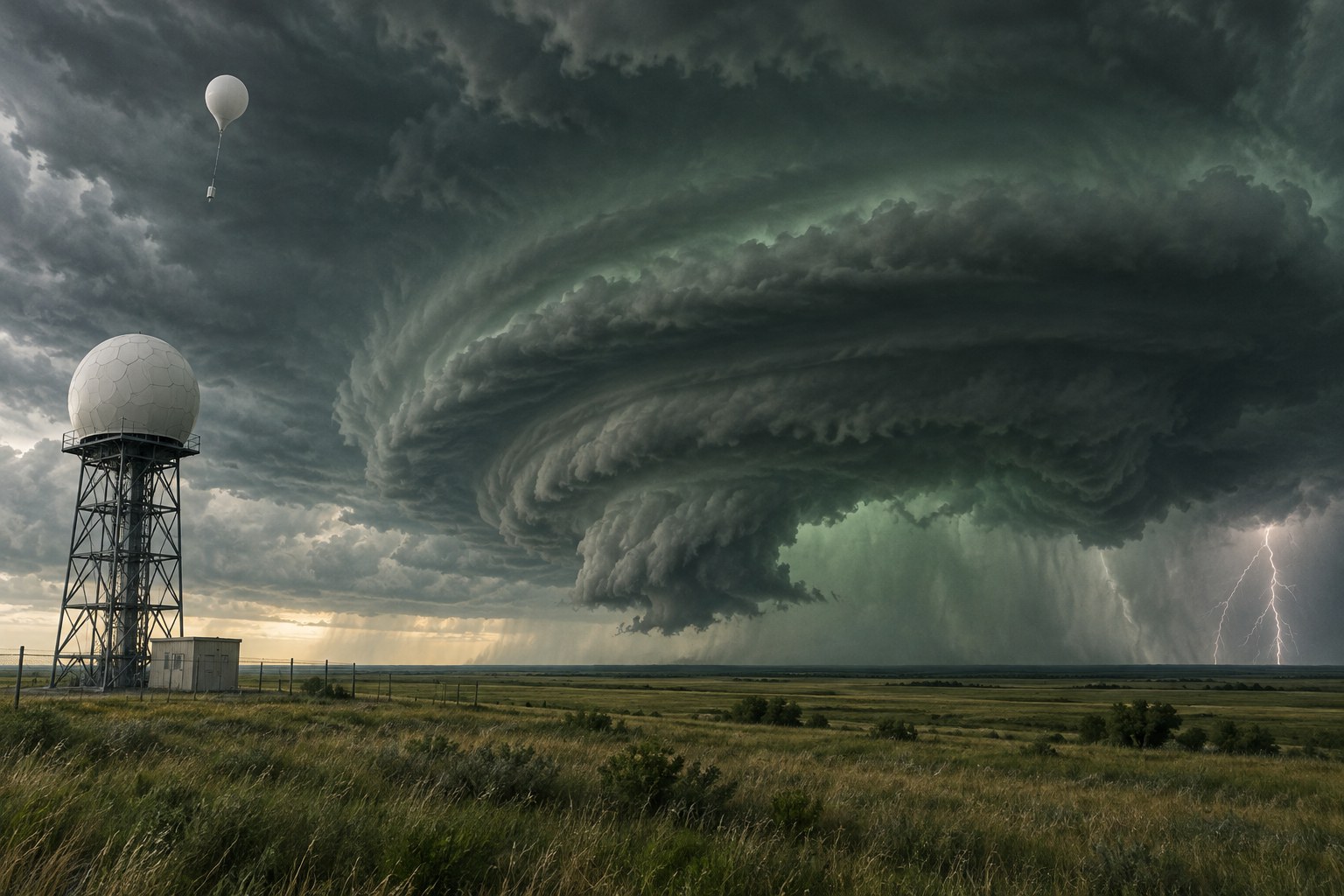
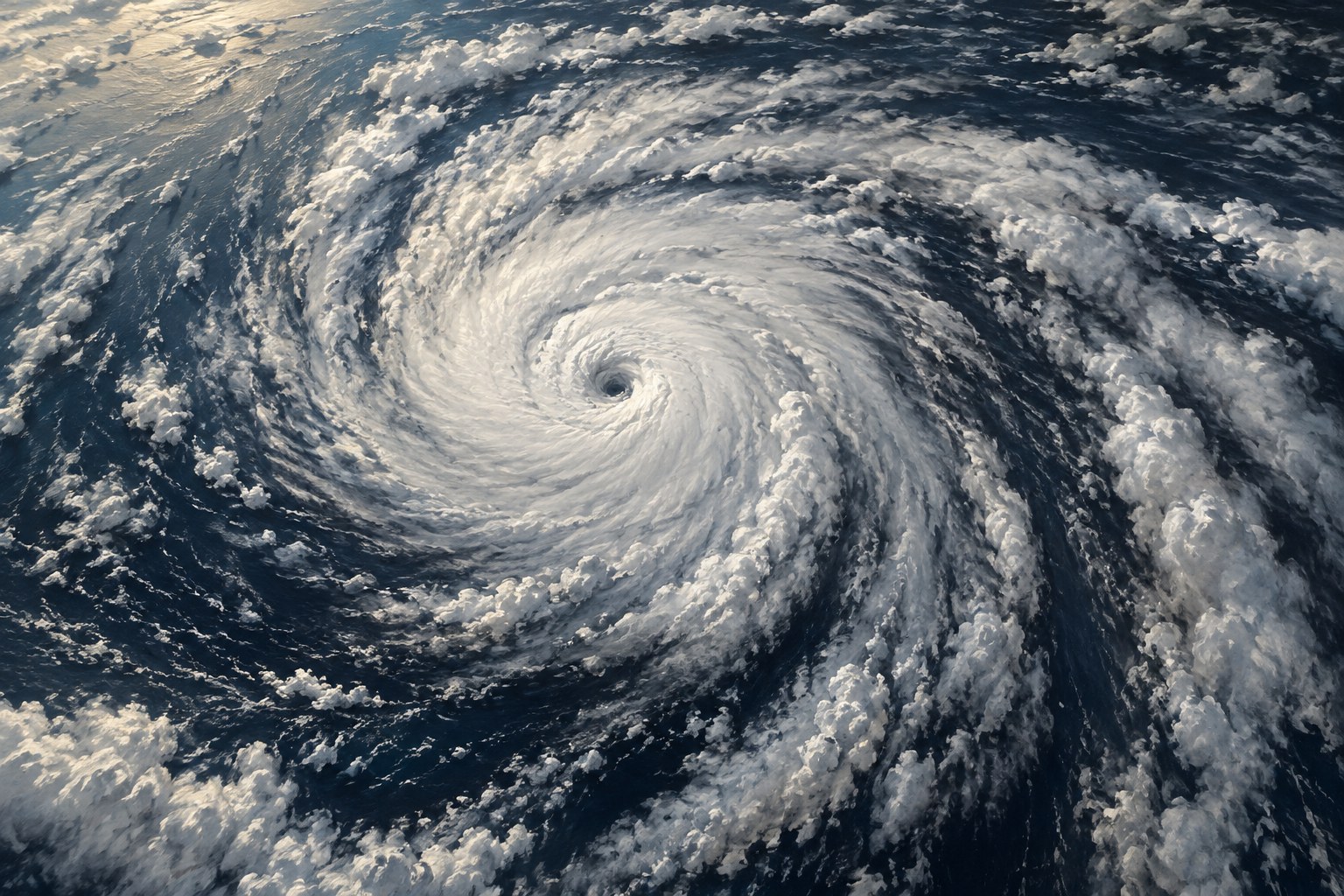
The National Weather Service, part of NOAA, issues forecasts, watches, and warnings from 122 local offices and national centers such as the National Hurricane Center, using satellites, radar, and weather balloons. The U.S. Geological Survey monitors earthquakes, volcanoes, and river levels, and NOAA runs the tsunami warning centers. Alerts reach the public through radio and television and through Wireless Emergency Alerts on phones, part of a system run by FEMA with the Federal Communications Commission. After flash floods in the Texas Hill Country killed more than 130 people on July 4, 2025, attention turned to Weather Service staffing cuts and to how local officials pass on warnings.


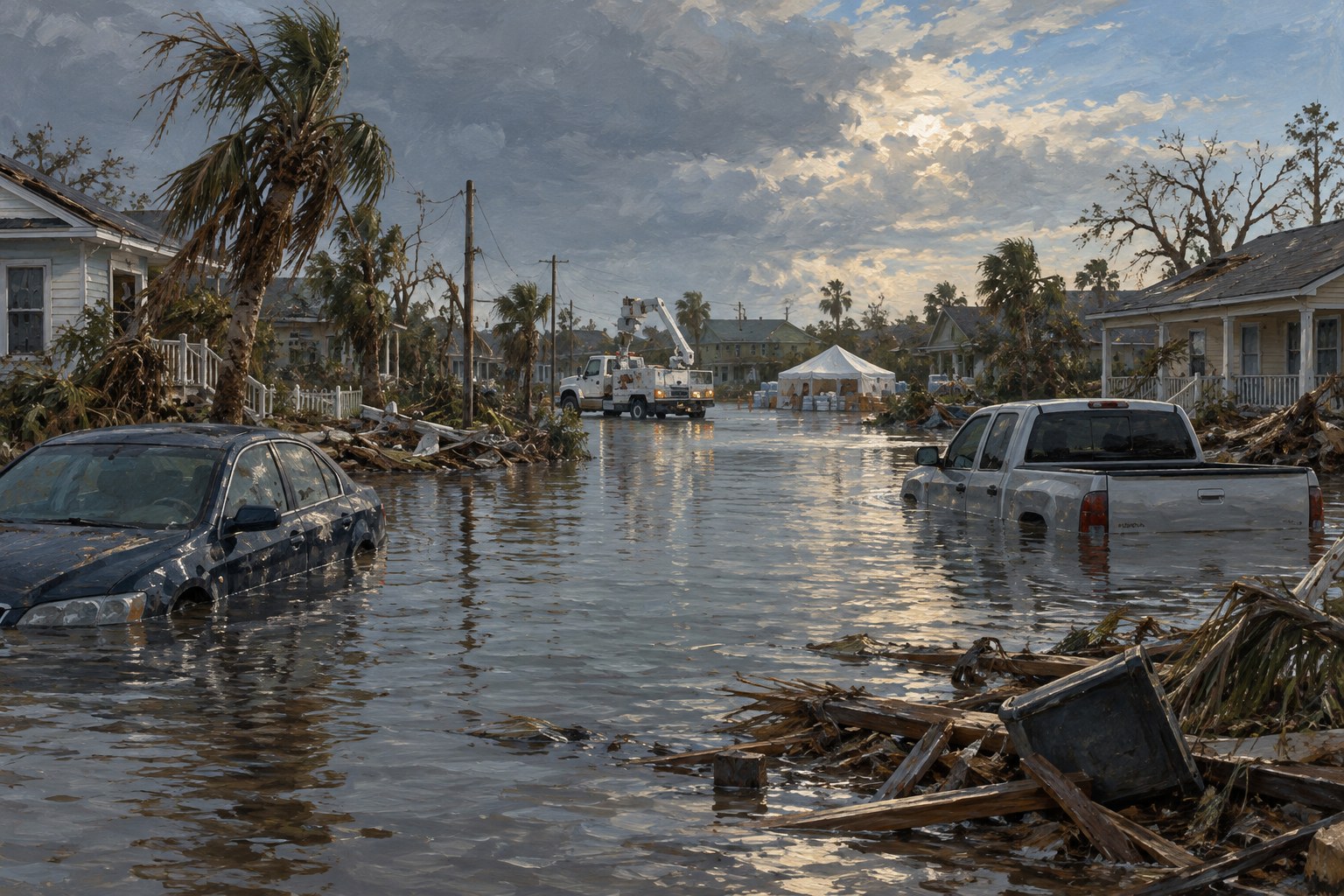
Under the Stafford Act of 1988, the President can declare an emergency or a major disaster at a governor's or tribal leader's request. A major disaster declaration opens Public Assistance, in which the federal government pays at least 75 percent of the cost of debris removal and rebuilding public facilities, Individual Assistance grants for housing and household needs, and hazard mitigation grants. The money comes from FEMA's Disaster Relief Fund, which Congress refills. Declarations have grown from a few dozen a year in the 1980s to often more than fifty, and in 2025 the administration slowed some approvals and called for states to bear more of the cost.
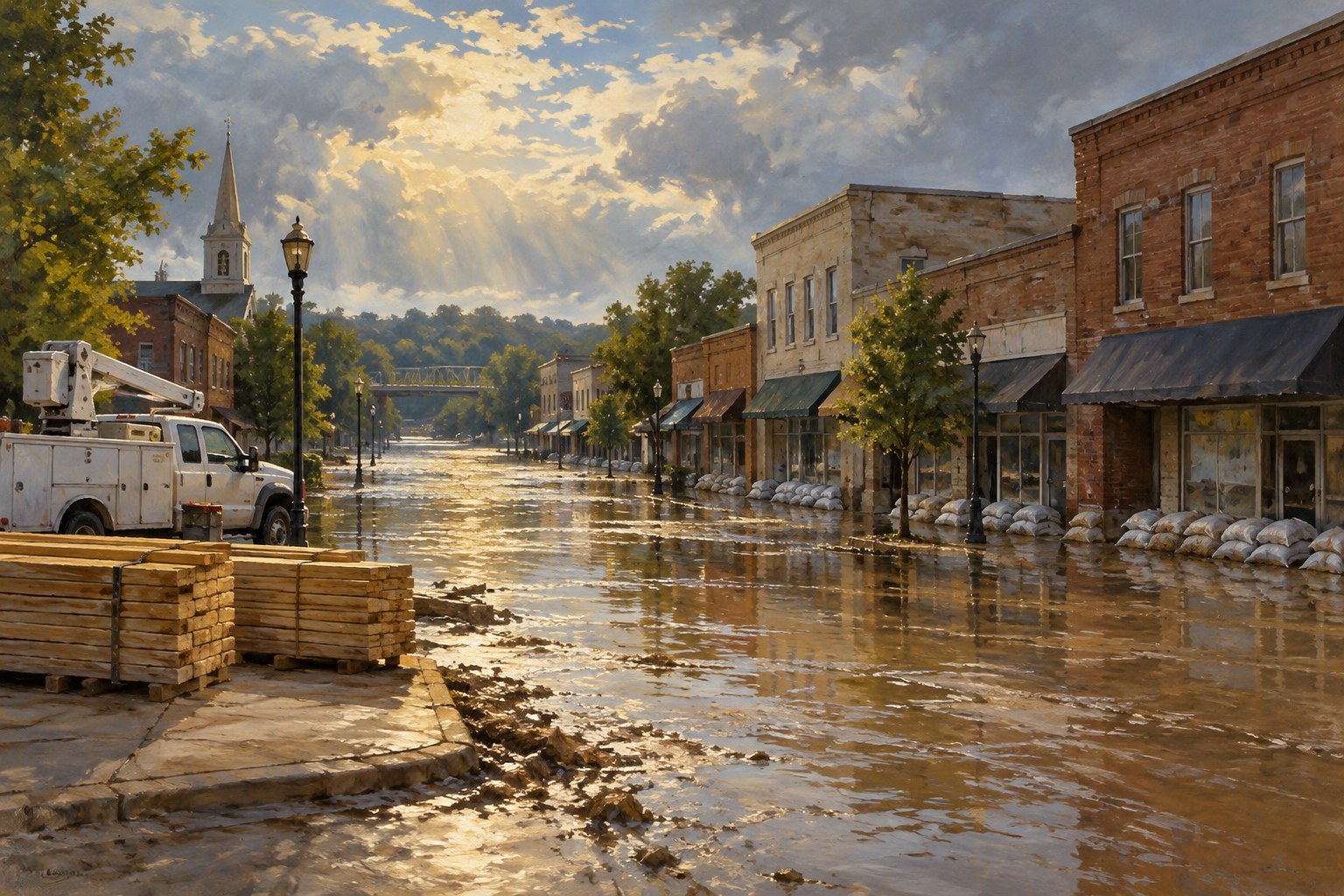
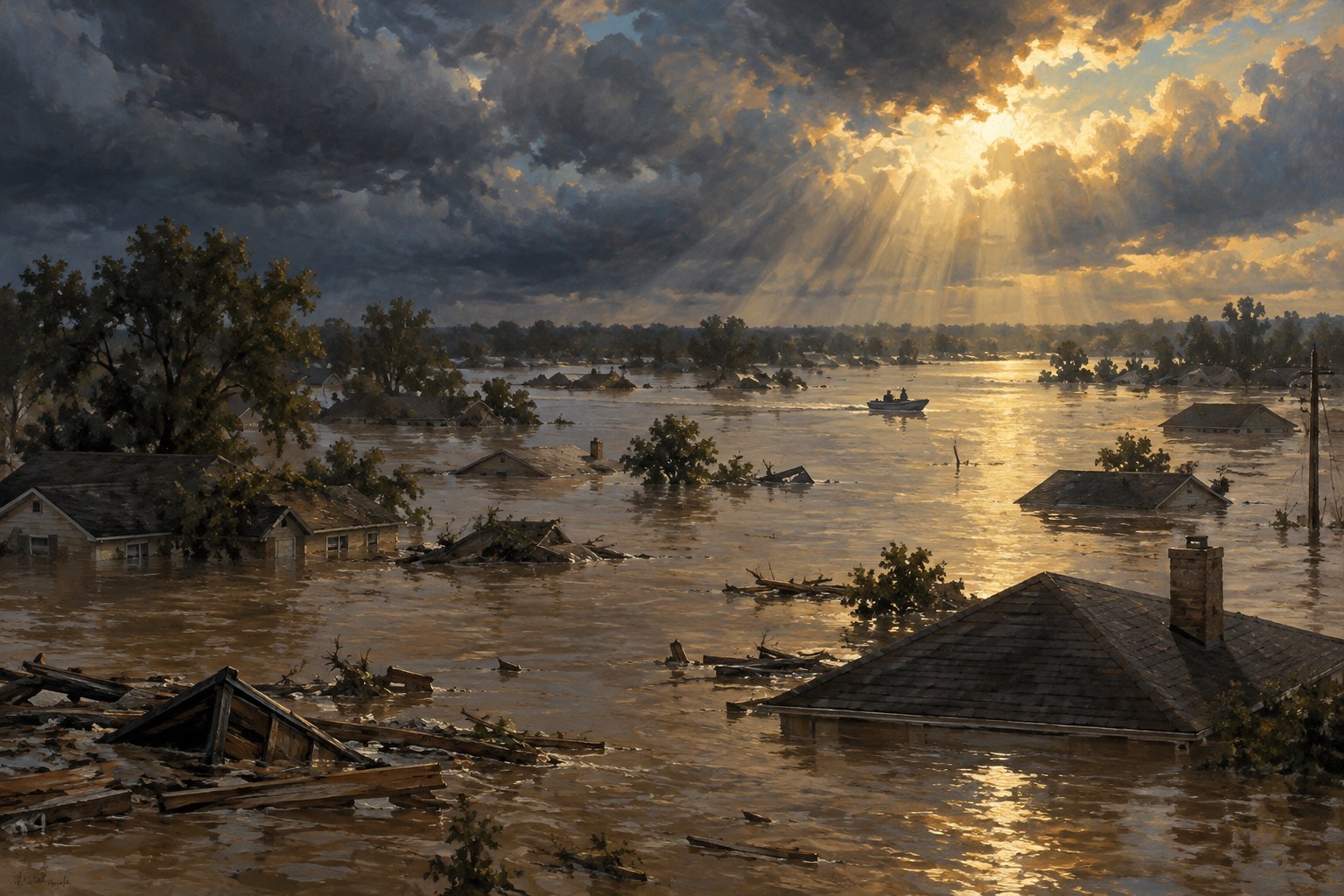

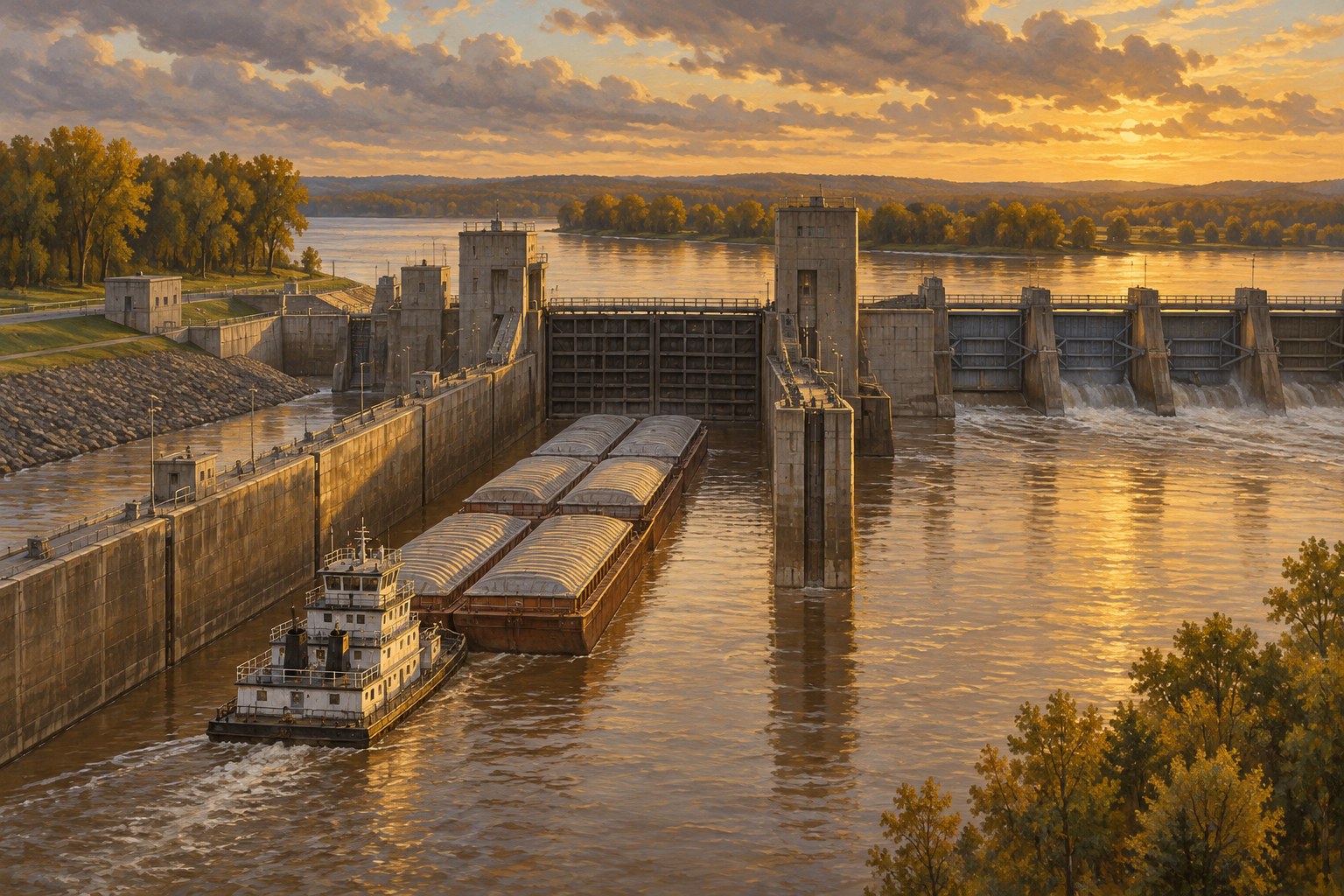
FEMA coordinates the federal response under a national plan that assigns tasks to many agencies. The Army Corps of Engineers clears debris, restores power, and repairs levees. HHS sends medical teams and supplies. The Small Business Administration makes low-interest disaster loans to homeowners, renters, and businesses, often the largest source of federal recovery money for families. HUD provides long-term rebuilding grants, and the Agriculture Department helps farmers. The military can support civilian authorities, and the Red Cross, chartered by Congress, runs shelters with other charities.




See the department behind FEMA in the homeland security agencies, the Guard's role in the National Guard explained, or the money flowing to states in how federal money reaches your town.