Supreme Court Police
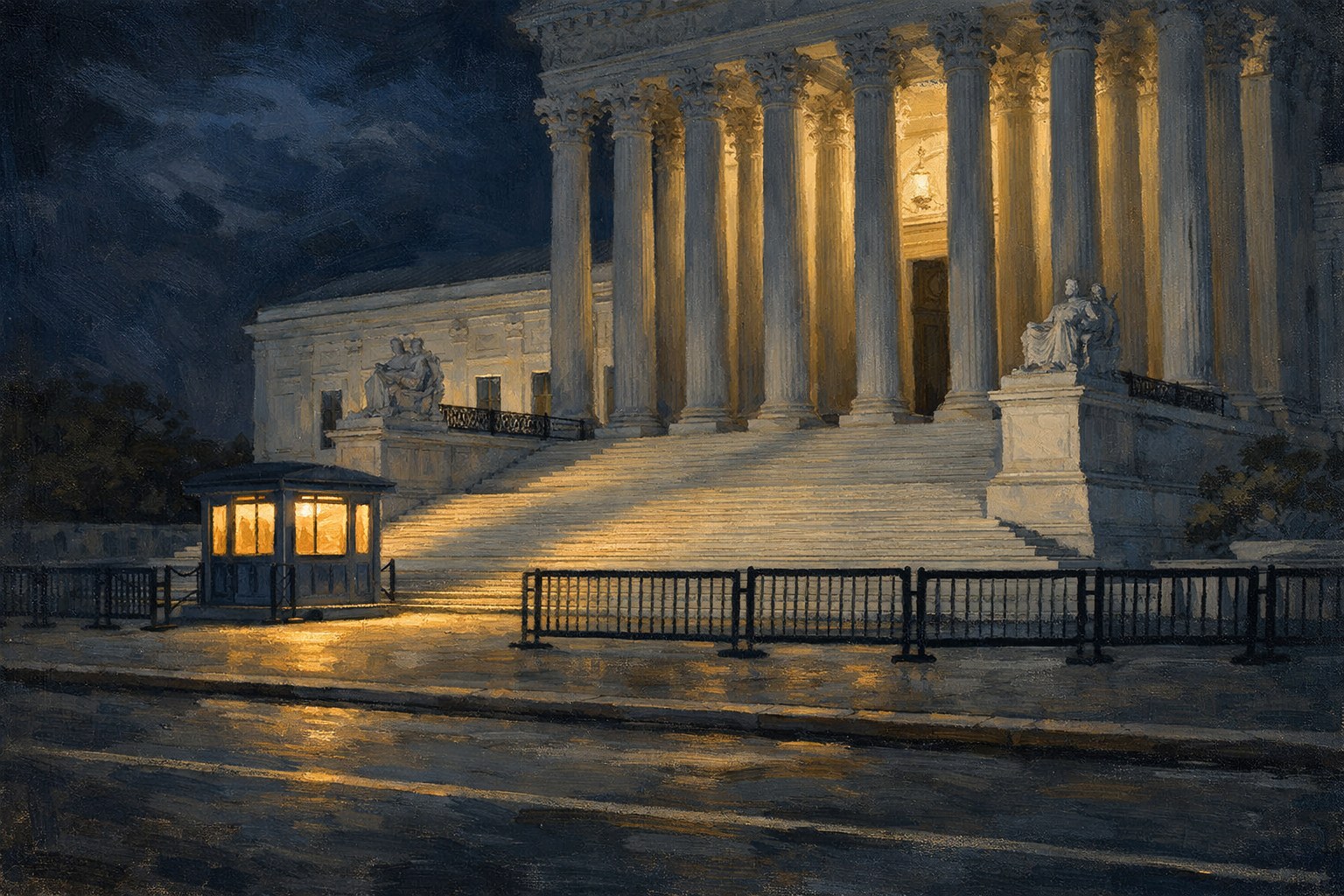
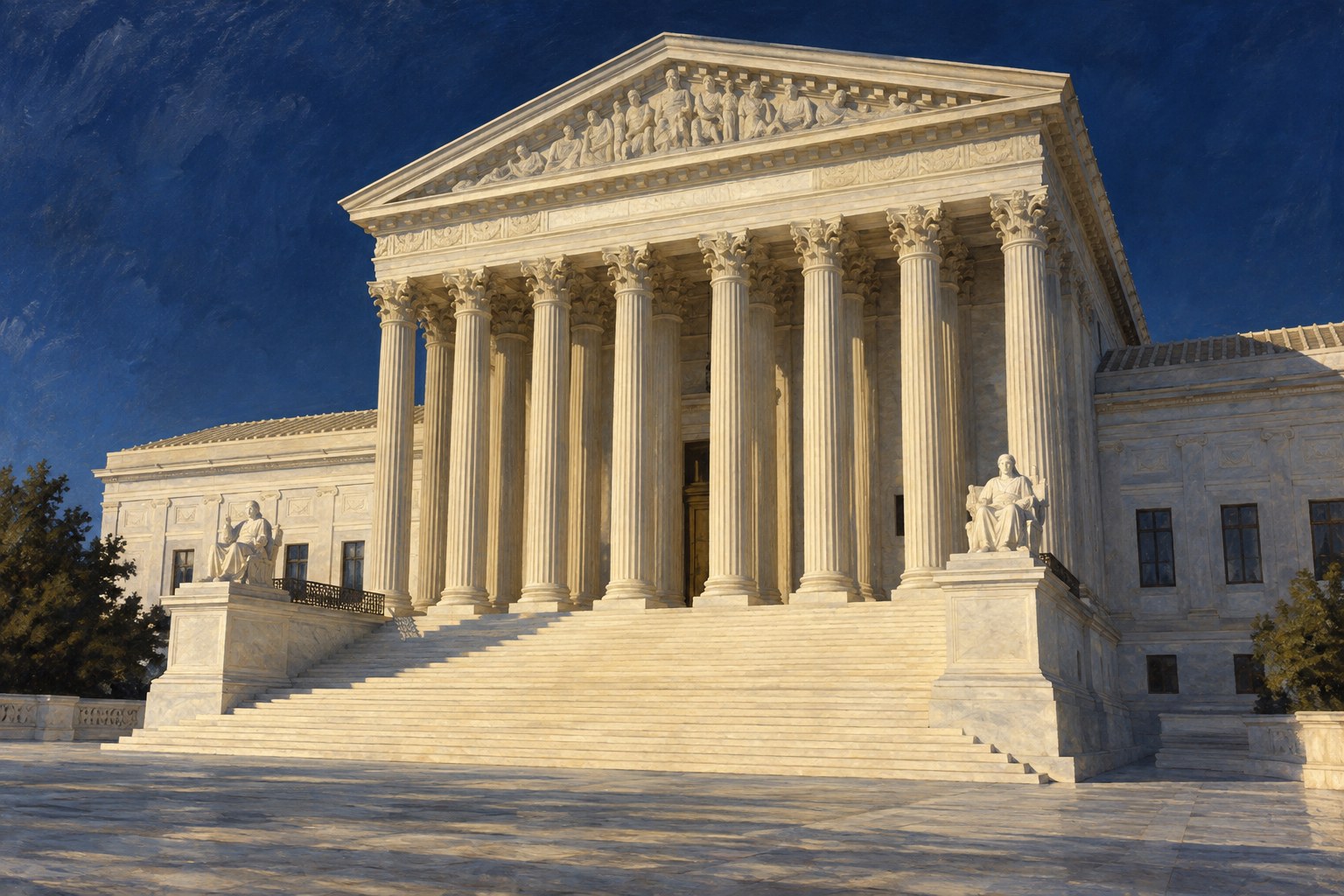
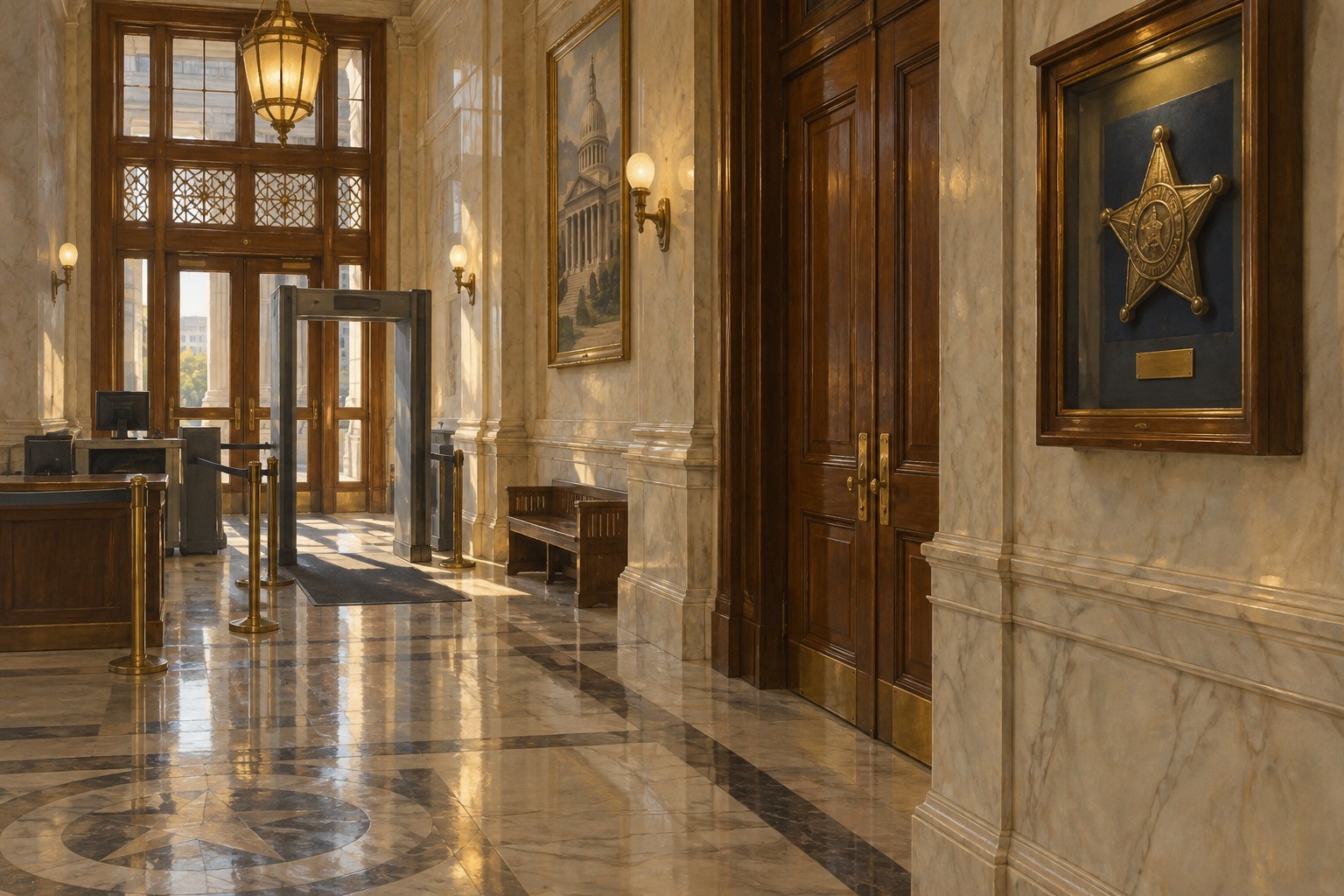
When the Supreme Court moved into its own building in 1935, a force of guards was created to protect it, and Congress gave them police powers by statute in 1949. The Supreme Court Police, under the Marshal of the Supreme Court, now number about 200 officers. They guard the building and grounds, screen visitors, provide security in the courtroom, and protect the justices in Washington and when they travel.
The force's role grew after threats against the justices rose. In June 2022, weeks after a draft opinion overturning Roe v. Wade leaked, a man armed with weapons was arrested near a justice's home in Maryland. Congress responded within days with a law signed June 16, 2022, extending Supreme Court Police protection to the justices' immediate families, and the U.S. Marshals Service temporarily added protection at justices' homes.
Justices of both ideological camps have told Congress that the force needs more officers and money, and two justices testified in July 2026 in support of additional security funding. Because the Court polices its own building, critics have asked whether it should also investigate itself, as it did after the leak, when the Marshal reported that the source could not be identified. Supporters of more funding say threats against judges are at record levels, while others say security spending should come with more transparency.
| Status | Active |
| Led by | Marshal of the Supreme Court |
| Legal basis | 40 U.S.C. 6121 |
| Official site | supremecourt.gov |
| Created | 1935 |
| Police powers | By statute since 1949 |
| Size | About 200 officers |
| Led by | Marshal of the Supreme Court |
| Family protection | Added by law June 16, 2022 |
| Date | Force created in 1935 |
| Location | Supreme Court, Washington, D.C. |