When Government Works: Hours, Recesses, and Vacations
Key takeaways
- Most federal employees work a 40-hour week, but many agencies, from air traffic control to VA hospitals and border crossings, run 24 hours a day.
- Federal workers earn 13 to 26 days of vacation a year depending on service, 13 sick days, and 11 paid holidays, and since 2020 they get 12 weeks of paid parental leave.
- A January 2025 order ended most federal telework, and hybrid work fell from about 61 percent of employees to about 28 percent by mid-2025.
- Congress is in Washington fewer than half the days of the year and calls its breaks district or state work periods, with the longest in August.
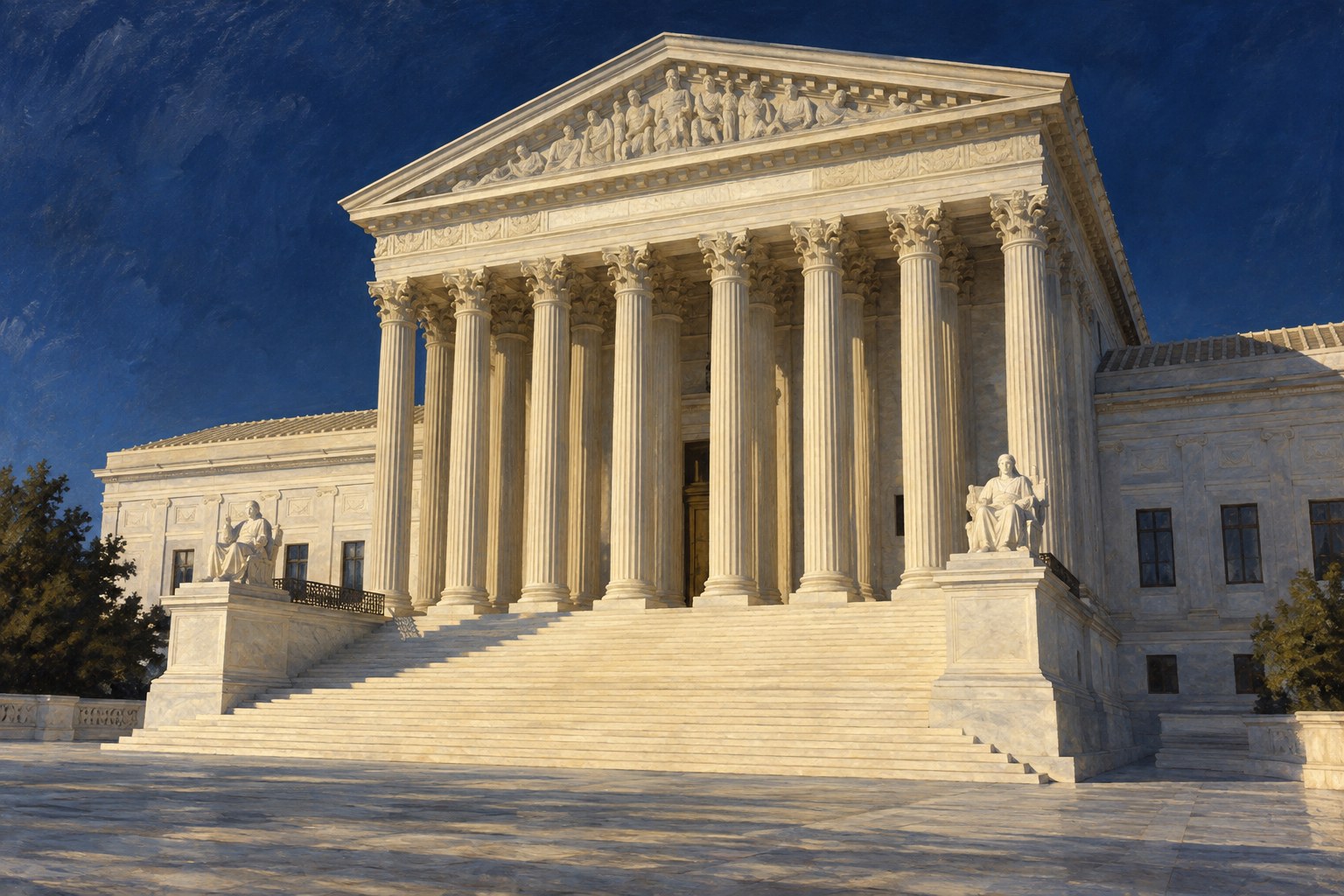
- The Supreme Court hears arguments from October to April and issues its last opinions by the start of July, then breaks for the summer.
- Presidents have no vacation days and remain on duty wherever they go, usually at Camp David or a home that becomes a summer White House.
People often ask whether the government ever closes, how much time off federal workers get, and why Congress seems to be on vacation so often. The answers vary by branch: the executive branch runs every day, Congress keeps a schedule split between Washington and home, and the courts follow an annual term.
This guide explains the schedules, leave rules, and breaks of each part of the government, and the debates over them.
Congress usually meets Tuesday through Thursday and spends many weeks a year away, which the House calls district work periods and the Senate state work periods. The longest break comes in August, and in election years both chambers leave for much of October. Members are expected to meet constituents at home, though critics call the breaks vacations. When one chamber is away, the other often holds brief pro forma sessions every three days to block recess appointments. During the record 2025 shutdown, the House did not vote for nearly eight weeks.
Federal workers earn 13 days of annual leave a year in their first three years, 20 after three years, and 26 after 15 years, plus 13 days of sick leave and 11 federal holidays. Since 2020 they get 12 weeks of paid parental leave. Telework spread during the pandemic, and by the end of 2024 about 61 percent worked hybrid schedules. A January 20, 2025, order required most to return to the office full time, and hybrid work fell to about 28 percent by mid-2025.


Most federal employees work a standard 40-hour week, and many use flexible or compressed schedules, such as four 10-hour days. Offices commonly open between 7 and 9 in the morning and close by late afternoon, but many agencies never close: air traffic controllers, border officers, VA hospitals, federal prisons, the Coast Guard, and the National Weather Service work around the clock. The Office of Personnel Management decides when Washington-area offices close for snow or emergencies, and Federal Executive Boards coordinate elsewhere.

When Congress fails to pass funding, agencies shut down except for essential work, and furloughed employees stay home, though back pay has been guaranteed by law since 2019. The record 43-day shutdown in the fall of 2025 showed how much depends on schedules and funding. Debates continue over whether federal leave is too generous or needed to compete for workers, whether telework saves money or hurts performance, and whether Congress should spend more weeks in Washington.
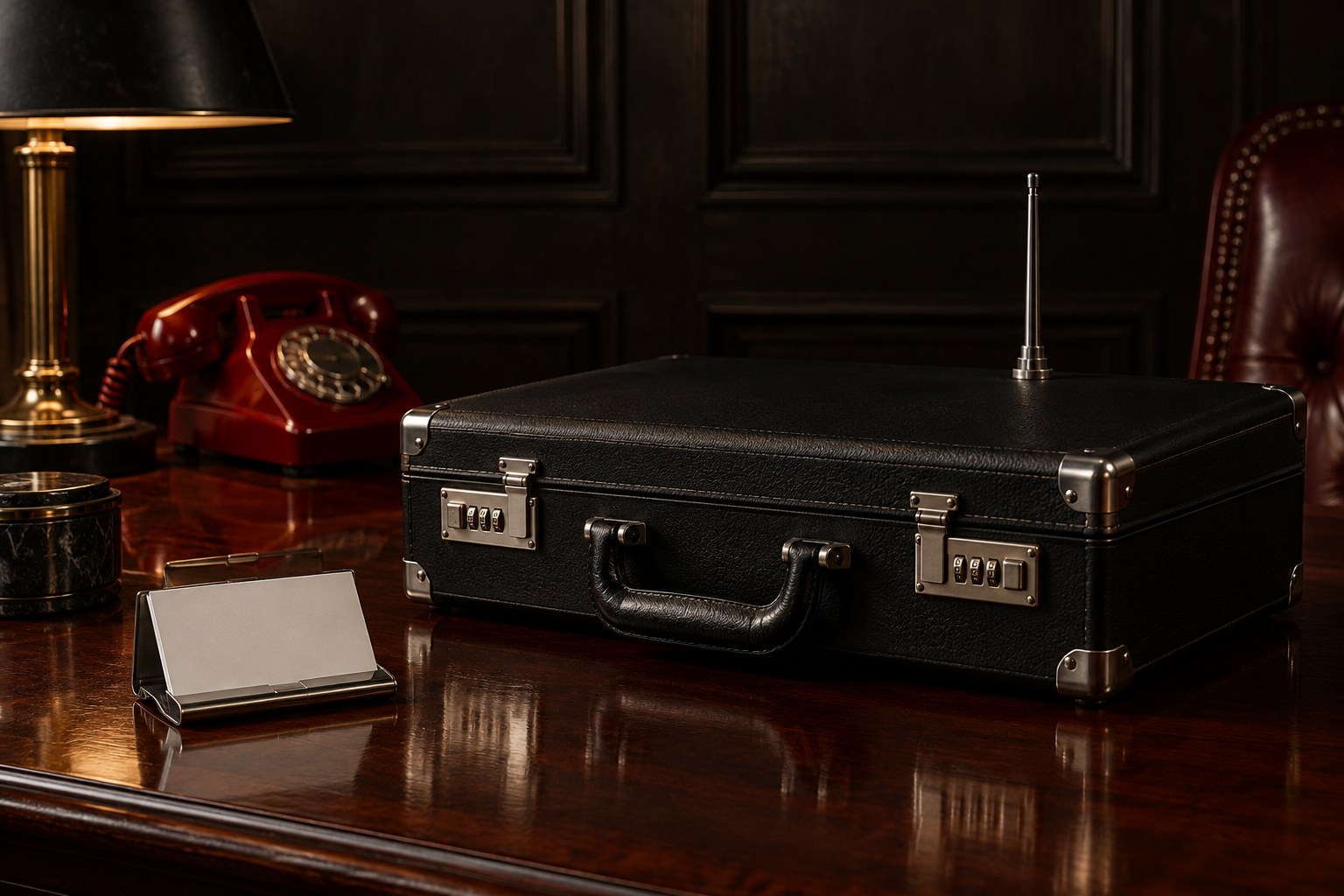
No law gives the President vacation days, and the job goes wherever the President goes, with aides, a military aide carrying nuclear launch codes, communications teams, and the Secret Service. Presidents often spend weekends at Camp David or at their own homes, which become summer White Houses with secure communications. Opposing parties routinely count days away to accuse Presidents of slacking.


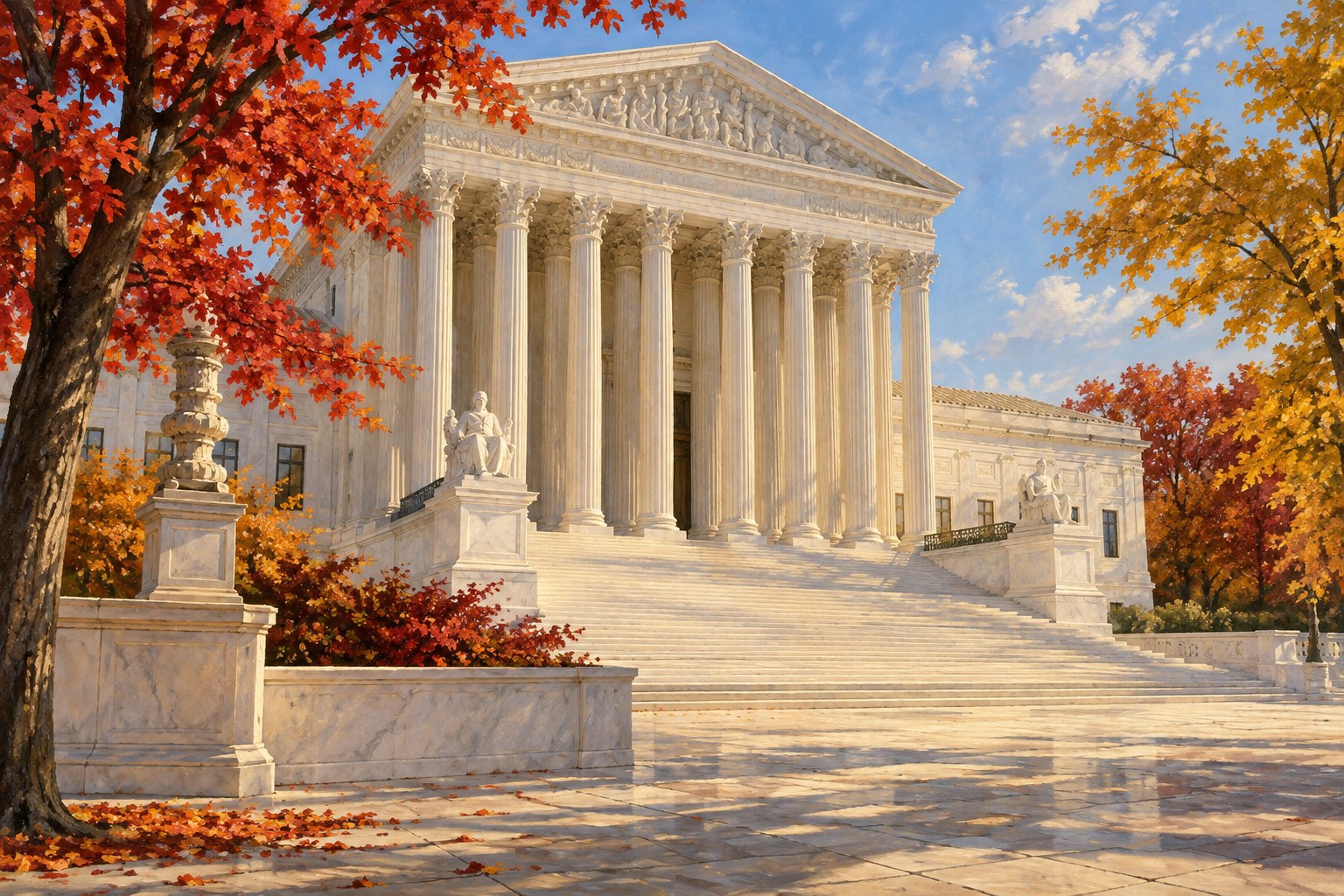
The Supreme Court's term begins on the first Monday in October. It hears arguments from October through April and issues opinions through late June or early July, then takes a summer recess, when justices often teach or travel, though they still handle emergency applications all year. Lower federal courts sit year round, and judges set their own schedules.
See what happens when funding runs out in what happens in a shutdown, how members spend their time in a week in Congress, or federal holidays and symbols in who decides national symbols, holidays, and ceremonies.