A Week in Congress: How Members Spend Their Time

Key takeaways
- The House usually votes from Monday or Tuesday evening to Thursday or Friday, and members spend most weekends and many weeks at home.
- A typical day in Washington mixes floor votes, committee hearings and markups, party meetings, meetings with constituents and lobbyists, and media interviews.
- Members surveyed say they work about 70 hours a week while Congress is in session.
- House members vote electronically, while senators answer a clerk who calls the roll by name.
- District offices handle casework, helping constituents with problems at agencies such as Social Security and the VA.
- Fundraising takes hours a week, and critics say the short Washington week leaves too little time for legislating.
Members of Congress split their lives between Washington and their home states. A week in session is packed with votes, hearings, and meetings, while time at home is filled with town halls, local events, and constituent services.
This guide follows a typical week, explains how Congress votes and how members help constituents, and looks at the debate over the congressional calendar.
During district and state work periods, members hold town halls, visit businesses, schools, and military bases, attend community events, and meet local officials. Their district offices handle casework, helping constituents with problems at federal agencies such as Social Security, the VA, the IRS, and immigration offices. Casework is free and popular with voters of all parties and helps members spot problems in federal programs.



Much of the real work happens in committees, where members question witnesses at hearings and amend bills in markups, often running from one hearing to another and stepping out to vote. Each party holds a weekly conference or caucus meeting to plan strategy, and members attend meetings of informal caucuses on issues or regions. Leadership meetings, whip meetings, and briefings fill the gaps.


When Congress is in session, House members usually fly in for votes on Monday or Tuesday evening and leave on Thursday or Friday afternoon, and senators keep a similar schedule. Leaders announce the floor schedule each week. The House typically votes on fewer than half the days of the year, with longer breaks in August and before elections. Members surveyed by the Congressional Management Foundation say they work about 70 hours a week while in session, and many sleep in their offices rather than rent a second home.



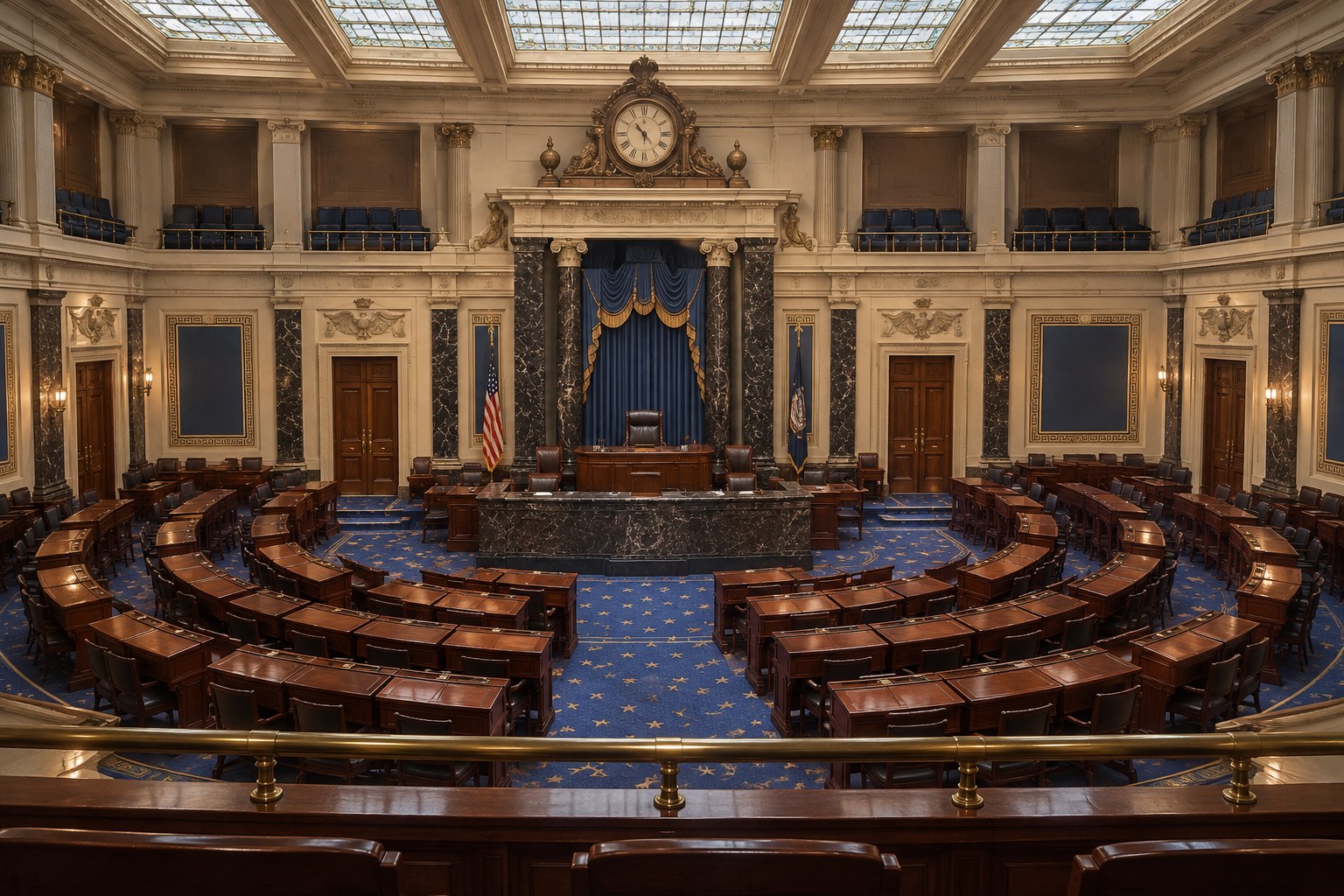
Votes are called in groups so members can come to the floor together, often several times a day. In the House members vote electronically with a card, usually in 15 minutes, while in the Senate a clerk calls each name. Whips track how members plan to vote and lobby wavering colleagues. Members must vote in person, and missed votes are recorded and often used against them in campaigns.


Members spend hours meeting constituents, advocacy groups, business leaders, and lobbyists who come to Washington, and giving interviews to local and national media. Party committees have encouraged members to spend hours a week calling donors from offices outside federal buildings, since fundraising is barred in congressional offices. Critics say the time spent raising money crowds out legislating, while supporters of current rules say talking to supporters is part of representing them.



Critics say the short Washington workweek leads to missed budget deadlines, last-minute deals, and too little oversight, and some propose five-day weeks with fewer weeks away. During the record 43-day shutdown in the fall of 2025, the House did not vote from September 19 until November 12, drawing criticism from members of both parties. Supporters of the current schedule say time at home keeps members accountable and that the travel burden is heavy for members from distant states.


See the institution as a whole in how Congress works, the people behind members in what congressional staff do, or how to reach your own members in how to contact your representatives.