Federal Work Hours and Leave
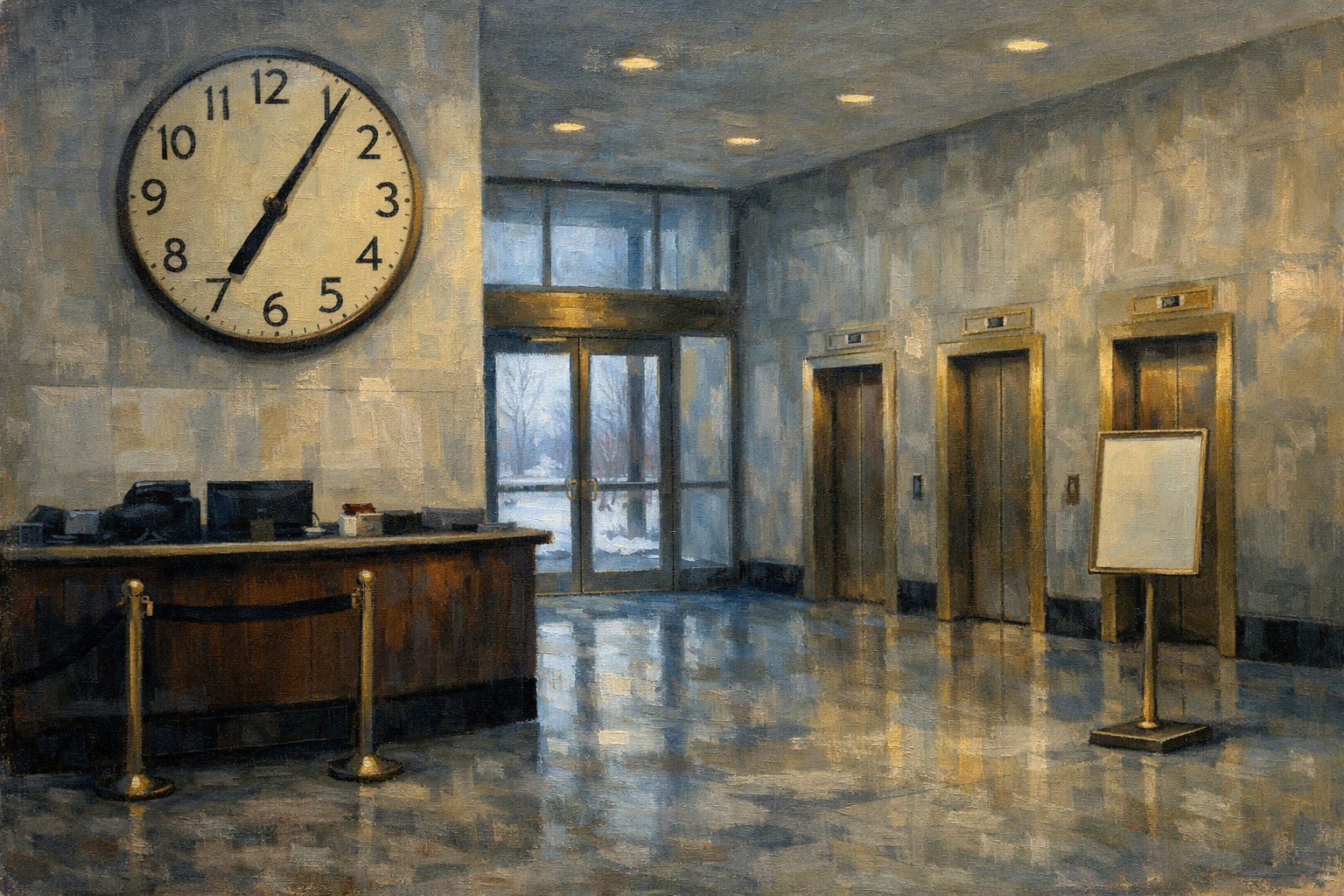
Most federal employees work a 40-hour week, typically on weekdays, though agencies set their own office hours, and many offices open between 7 and 9 in the morning and close between 4 and 6 in the afternoon. Under laws passed in the late 1970s and 1980s, many workers use alternative schedules, such as flexible start times around required core hours or compressed schedules of four 10-hour days or nine longer days in two weeks. Many jobs run around the clock, including air traffic control, border inspection, hospitals, prisons, and weather forecasting.
Full-time employees earn annual leave for vacations and personal business on a scale based on service: 13 days a year in the first three years, 20 days after three years, and 26 days after 15 years, and most may carry over up to 30 days. They also earn 13 days of sick leave a year, which has no cap, plus 11 paid federal holidays. Since October 1, 2020, employees can take 12 weeks of paid parental leave after the birth, adoption, or foster placement of a child. Political appointees in senior positions and members of Congress do not earn annual leave in the same way.
The Office of Personnel Management decides whether federal offices in the Washington area are open, delayed, or closed for snow and other emergencies, and agencies elsewhere follow local Federal Executive Boards and their own leaders. During a lapse in funding, employees who are not excepted are furloughed. Critics have argued federal leave is more generous than in much of the private sector, while defenders say it helps the government compete for workers paid less than in comparable private jobs.

| Status | Active |
| Legal basis | 5 U.S.C. chapters 61 and 63 |
| Official site | opm.gov |
| Standard week | 40 hours |
| Annual leave | 13, 20, or 26 days a year by service |
| Sick leave | 13 days a year, no cap |
| Paid parental leave | 12 weeks since October 1, 2020 |
| Weather closures in Washington | Decided by OPM |
| Date | Paid parental leave since October 1, 2020 |