The Six Armed Forces: Army, Navy, Marines, Air Force, Space Force, Coast Guard
Key takeaways
- The United States has six armed services: the Army, Navy, Marine Corps, Air Force, Space Force, and Coast Guard, with about 1.3 million active duty members.
- Five sit in the Defense Department under three military departments. The Coast Guard is part of Homeland Security in peacetime and can move to the Navy in war.
- The services recruit, train, and equip forces, but combatant commanders lead them in operations, under the President and the Secretary of Defense.
- Each service has part-time reserves, and the Army and Air National Guard also answer to governors. The Selected Reserve numbers roughly three quarters of a million.
- The force has been all-volunteer since 1973. Men must still register for a possible draft, and registration becomes automatic in December 2026.
- Every officer promotion requires Senate confirmation, which is why a single senator's hold can stall hundreds of promotions.
The armed forces are the largest part of the federal government by people, with more than 2 million active duty and reserve members and hundreds of thousands of civilians. Each service has its own history, culture, and specialty, from land combat to space, but all operate under civilian control set by the Constitution and federal law.
This guide explains what each service does, where it sits, who serves, how ranks work, and the debates over the size and shape of the force. In 2025 an executive order authorized Department of War as a secondary name for the Defense Department, and this guide uses the department's name in law.
The services recruit, train, and equip forces, but they do not run wars. Under the Goldwater-Nichols Act of 1986 the chain of command runs from the President to the Secretary of Defense and then directly to eleven combatant commanders, such as Indo-Pacific Command and Strategic Command, who lead forces drawn from several services. The Joint Chiefs of Staff, the chiefs of each service plus a chairman and vice chairman, advise the President but command no troops. Civilian control is a constitutional principle: the President is commander in chief, and Congress raises and funds the forces and makes the rules that govern them.

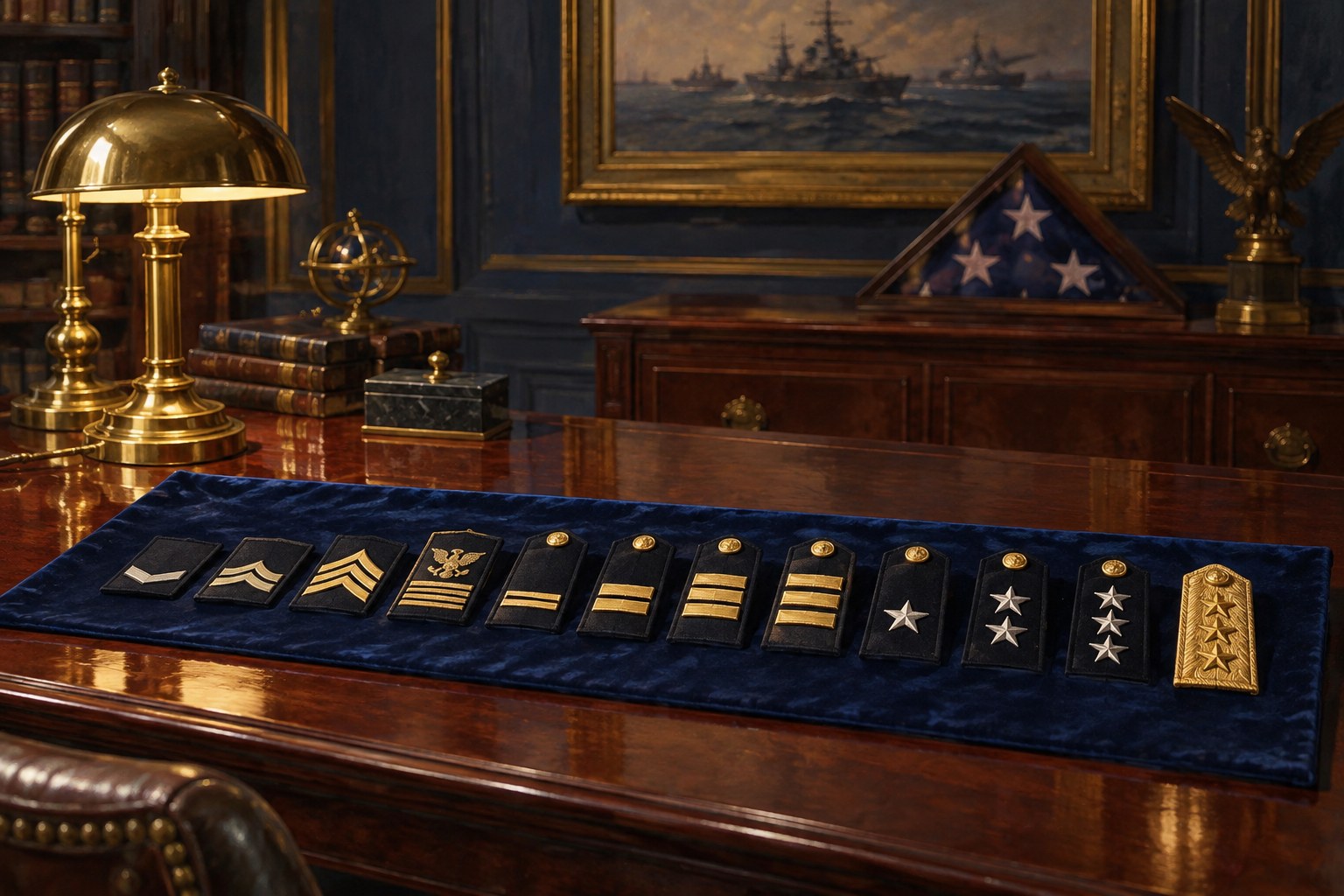
Enlisted members hold grades E-1 to E-9, warrant officers W-1 to W-5, and commissioned officers O-1 to O-10, from second lieutenant or ensign to four-star general or admiral. Pay is set by grade and years of service in one table for all services. Officers are appointed by the President with the Senate's consent, so every officer promotion goes to the Senate, usually in large lists approved without debate. Promotion boards rank officers against their peers, and those passed over twice must generally leave. In 2023 a single senator's hold delayed hundreds of senior promotions for most of the year. In 2025 the Secretary of Defense removed several top officers and ordered a 20 percent cut in four-star positions.



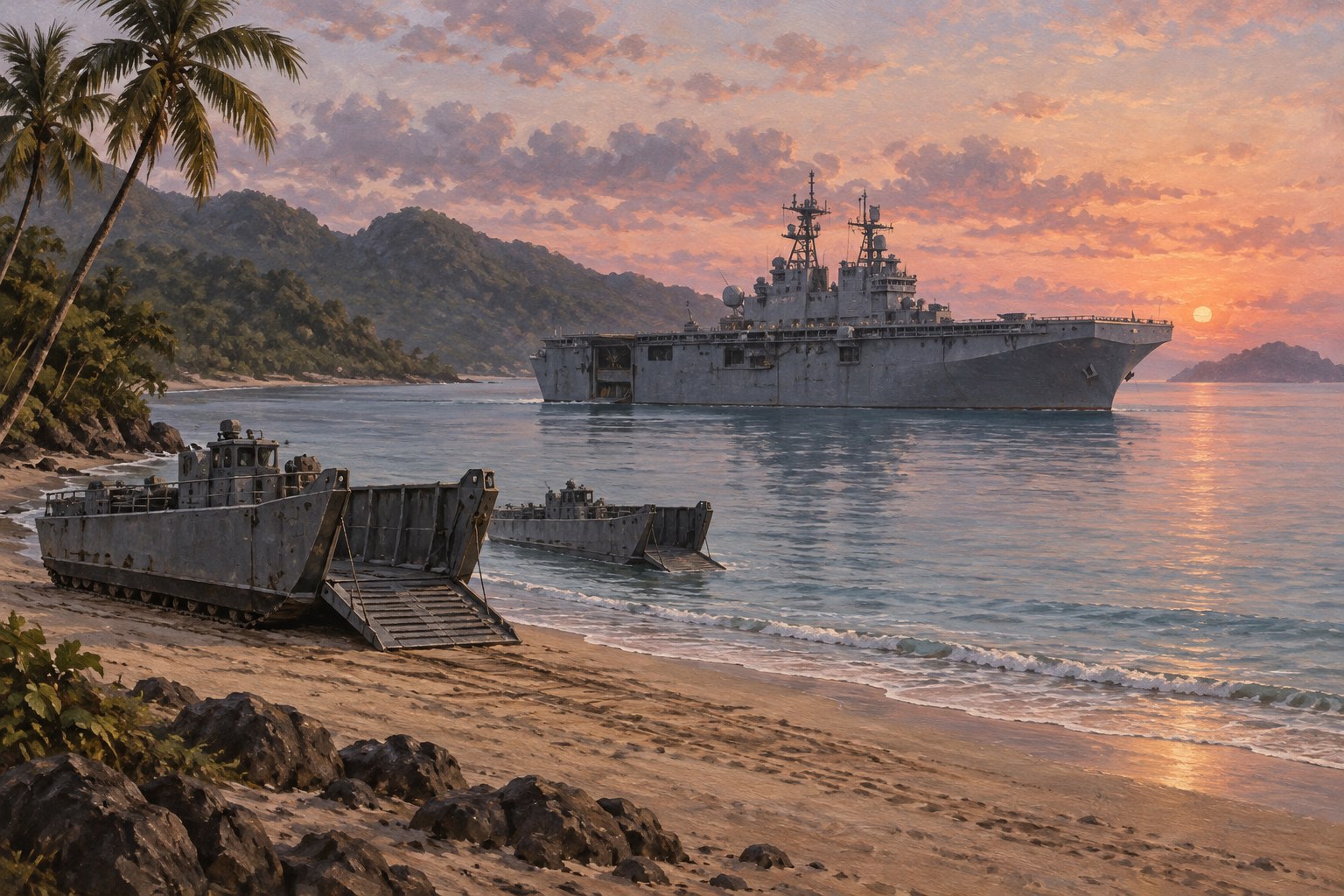
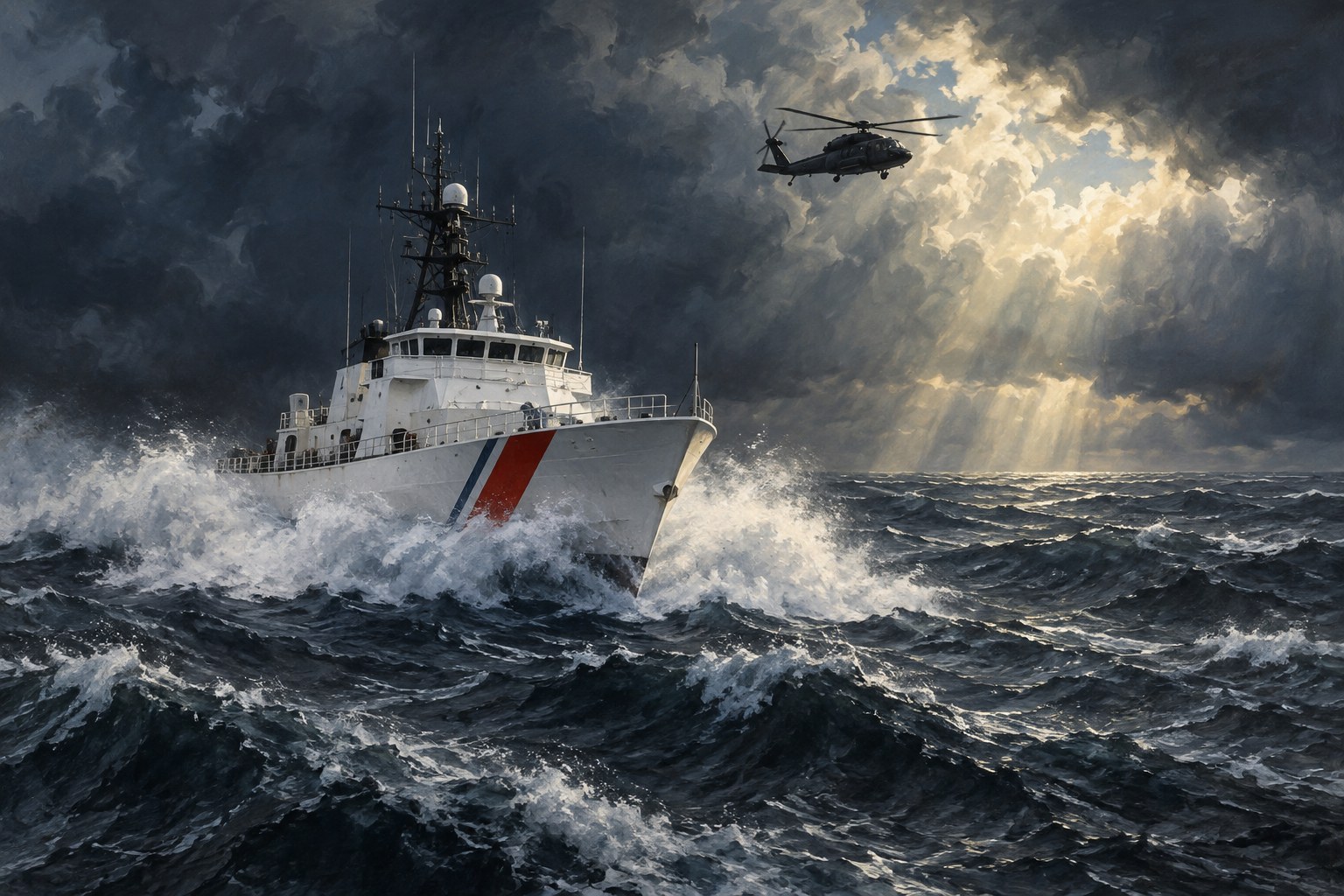
The Army, created in 1775, fights on land and is the largest service, with about 450,000 active soldiers. The Navy, also born in 1775, operates about 295 battle-force ships, and the Marine Corps, inside the Department of the Navy, provides forces that fight from ships and ashore. The Air Force became independent of the Army in 1947, and the Space Force was split from it in 2019 as the first new service in 72 years. The Army has its own civilian secretary, the Navy and Marine Corps share one, and the Air Force and Space Force share one, and all three military departments report to the Secretary of Defense. The Coast Guard, the sixth service, belongs to Homeland Security and carries out law enforcement that the others cannot.

About 1.3 million people serve on active duty, a smaller share of the population than at any time since before the Second World War. The force has been all-volunteer since the draft ended in 1973. Recruits must be at least 17 and within age limits that vary by service, generally need a high school diploma, and must meet fitness, health, and conduct standards that Defense Department studies say most young Americans would not meet without a waiver. Green card holders may enlist and can then naturalize on a faster track. Women have been eligible for all combat roles since 2016. In 2025 the Defense Department barred transgender people from serving, a policy the Supreme Court allowed to take effect while lawsuits continued. Recruiting fell short in several services in 2022 and 2023 and recovered in 2024 and 2025.




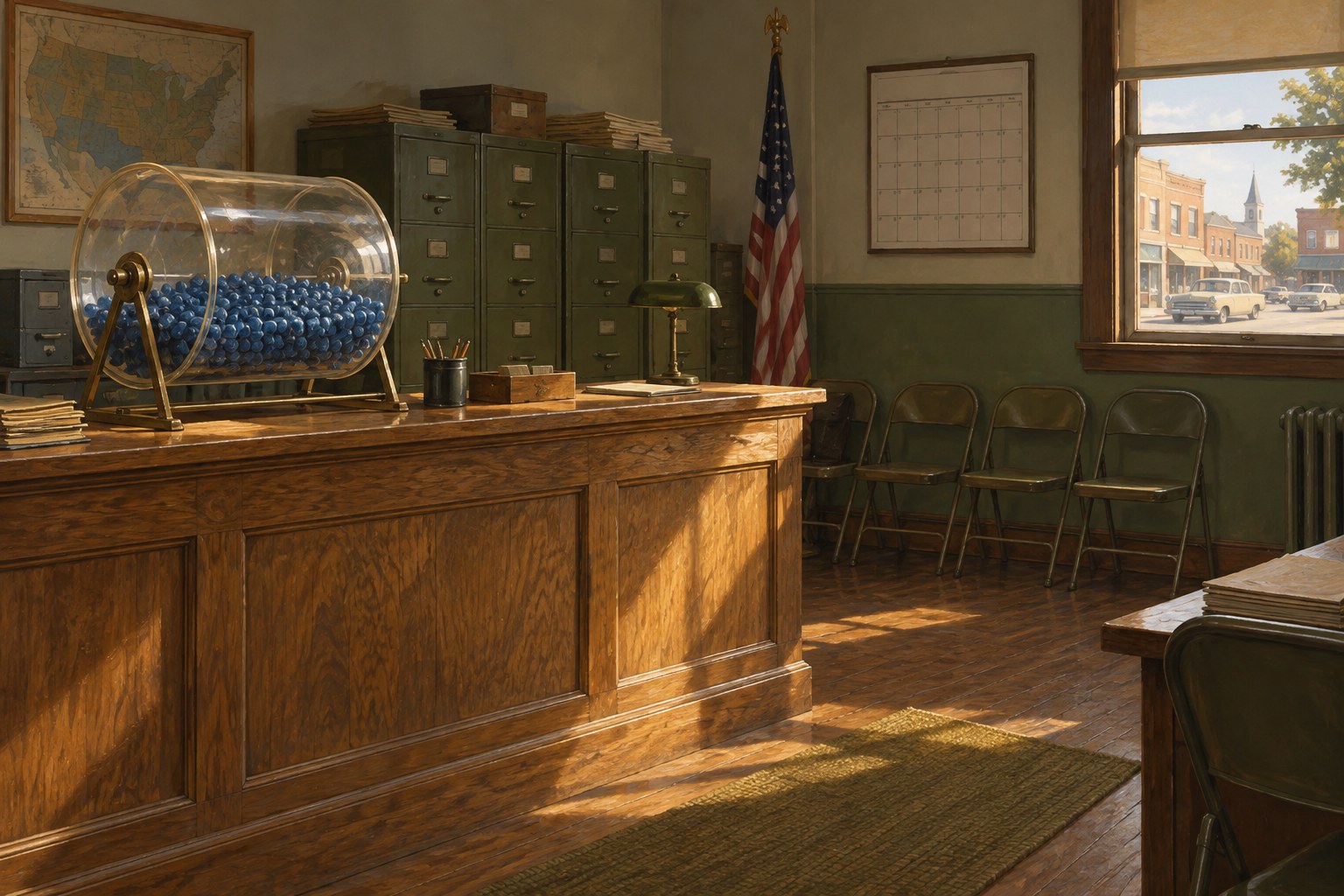
Each service has a reserve of part-time members who train about one weekend a month and two weeks a year, and the Army and Air National Guard serve both their states and the nation. Roughly three quarters of a million people serve in the Selected Reserve, and since 2001 they have deployed on a scale once reserved for world wars. The President can call up to 200,000 reservists for up to a year without a national emergency. Behind them stands the Selective Service System: almost all men ages 18 to 25 must register for a possible draft, and under the defense bill signed in December 2025, registration becomes automatic in December 2026. Only Congress can authorize an actual draft, which would use a lottery.

The services are reshaping for a possible conflict with a major power. The Marine Corps gave up its tanks to build small missile units for the Pacific, the Army is cutting some headquarters and older equipment in favor of drones, and the Navy and Air Force are buying new submarines, ships, and bombers while retiring older ones. Debates in Congress center on how large the force should be, whether the budget favors the right services, how to fix shipbuilding delays, and how far the military should be used at home, an issue sharpened by the 2025 deployments of Guard troops and Marines to American cities. Supporters and critics of each change argue over readiness, cost, and the proper role of the military in a democracy.



See how orders flow in the military chain of command, learn about the Guard's dual role in the National Guard explained, or read nuclear weapons: who controls them.