Courts-Martial
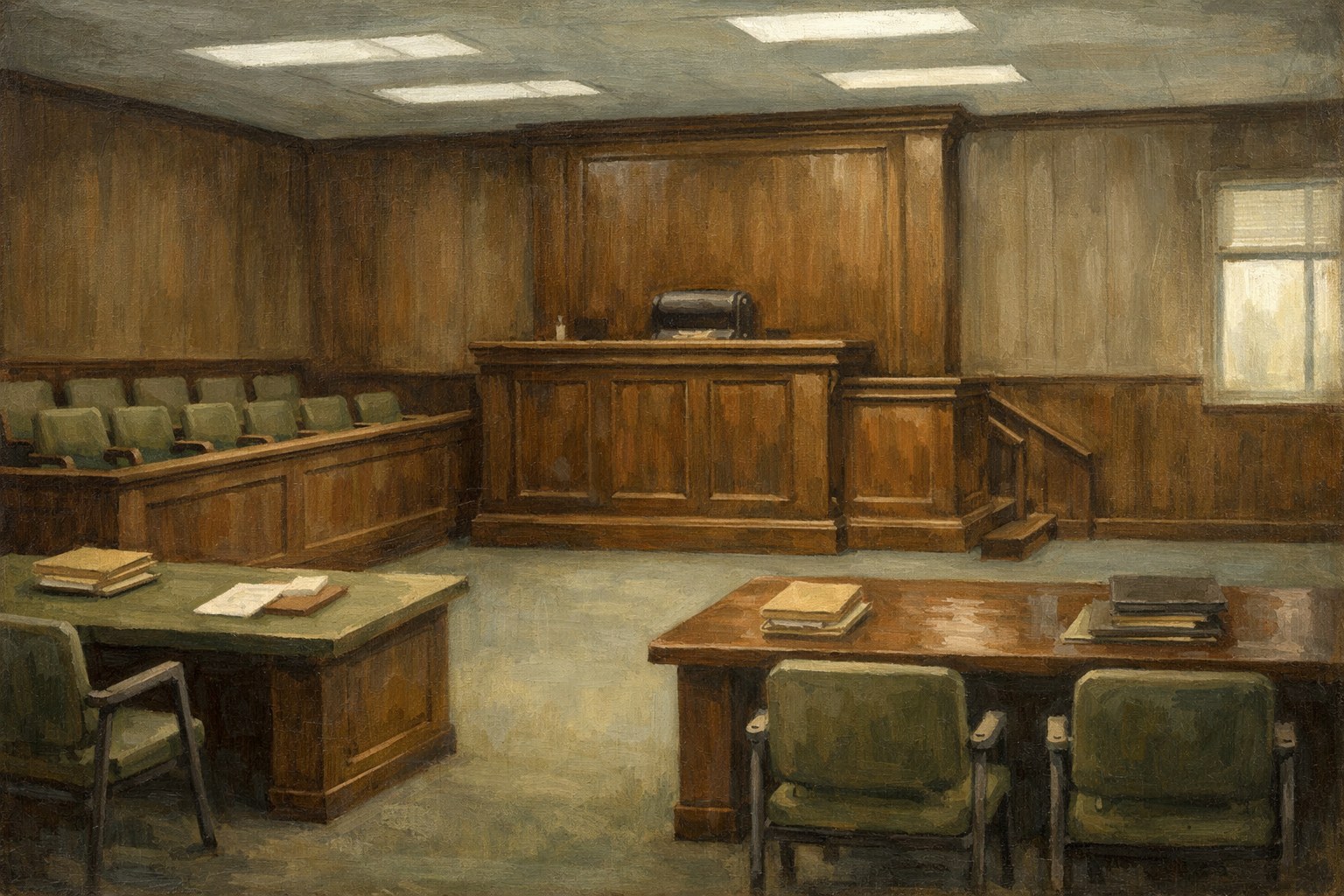
A court-martial is a military criminal trial. There are three kinds. A summary court-martial, handled by one officer, deals with minor offenses by enlisted members. A special court-martial, like a civilian misdemeanor court, can impose up to a year of confinement. A general court-martial, for the most serious crimes, can impose any punishment allowed by law, including dishonorable discharge, life in prison, or death. Many minor offenses are instead handled by commanders through nonjudicial punishment under Article 15, which the service member can usually refuse in favor of a court-martial.
Military judges preside, and the accused can choose trial by judge alone or by a panel of service members, the military version of a jury. Since 2023 panels have been randomly selected and sentencing is set by the judge. Defendants get free military defense lawyers and can hire civilians. For sexual assault, murder, and other serious offenses, independent special trial counsel now decide whether to prosecute, but commanders still convene courts-martial for most other crimes.
Courts-martial have handled famous cases, from Lieutenant William Calley, convicted in 1971 for the My Lai massacre, to Chelsea Manning in 2013 for leaking classified documents and Sergeant Bowe Bergdahl in 2017 for desertion. The number of trials has fallen sharply since the 1990s as forces shrank and commanders turned to administrative discharges. Critics say convictions can be hard to win in sexual assault cases and that results vary by service and commander, while supporters say the system is fair and in some ways gives defendants more protections than civilian courts.

| Status | Active |
| Legal basis | 10 U.S.C. 816 to 876 |
| Official site | jsc.defense.gov |
| Types | Summary, special, and general |
| Maximum punishment | Death, in a general court-martial |
| Jury equivalent | A panel of service members, randomly chosen since 2023 |
| Alternative | Article 15 nonjudicial punishment |
| Serious crimes prosecuted by | Offices of Special Trial Counsel |
| Date | Current system since 1951 |