Officials' Money: Stock Trading, Taxes, and Conflicts of Interest

Key takeaways
- Members of Congress may trade individual stocks but must report trades within 45 days under the 2012 STOCK Act. The House passed a ban in July 2026, and it fell short in the Senate on September 30, 2026.
- No law requires a President to release tax returns. Presidents from the 1970s through 2016 did so by tradition, and the IRS audits a sitting President's returns each year as a matter of policy.
- Presidents and Vice Presidents are exempt from the main conflict-of-interest law and do not have to sell their businesses or stocks.
- Other senior executive officials must stay out of matters that affect their finances and often sell holdings or use blind trusts.
- Every senior official, including the President, members of Congress, and federal judges, must file a public financial disclosure report each year.
- The emoluments clauses bar federal officials from taking gifts or payments from foreign governments without Congress's consent and bar the President from receiving extra pay from the federal or state governments.
People often ask whether the officials who make laws and spend public money can profit from their positions. The answer depends on the office: the rules for members of Congress, the President, Cabinet officers, career employees, and judges differ, and some rest on tradition rather than law.
This guide answers the most common questions, explains the laws and constitutional clauses involved, and sets out the arguments in the continuing debate over officials' finances.
No. The main conflict-of-interest law exempts the President and Vice President, and the Justice Department concluded in 1974 that applying it to the President would raise constitutional problems. By tradition, most modern Presidents placed their assets in blind trusts or simple investments: Jimmy Carter's peanut business went into a trust, several later Presidents used blind trusts, and Barack Obama held index funds and Treasury bonds. In 2017 the President kept his businesses in a revocable trust run by his sons, and in his second term his family's ventures expanded, including into cryptocurrency. Supporters say the holdings are disclosed and lawful, while critics say they create the conflicts the old tradition was meant to avoid.


The Ethics in Government Act of 1978 requires the President, Vice President, members of Congress, federal judges, senior executive officials, and candidates for federal office to file public reports each year listing assets, income, debts, gifts, and outside positions for themselves and their spouses, generally in broad value ranges rather than exact amounts. Nominees file before confirmation, and presidential candidates file soon after entering the race. Reports are filed with the Office of Government Ethics, the Clerk of the House, the Secretary of the Senate, or the judiciary and are available to the public. Critics say the ranges are too wide to reveal much, while others say the reports already intrude deeply into officials' private lives.

No law requires it. After reports that Richard Nixon paid little income tax, he released his returns in 1973, and every major-party nominee from 1976 through 2012 released at least some returns. The IRS has audited the sitting President's returns each year as a matter of policy since 1977. The 2016 Republican nominee broke the tradition, citing an audit. In 2020 the Supreme Court held that a sitting President is not immune from a state grand jury subpoena for financial records. The House Ways and Means Committee, using a 1924 law that lets it obtain any taxpayer's returns, released six years of the former President's returns on December 30, 2022. A California law requiring release for ballot access was struck down in 2019.



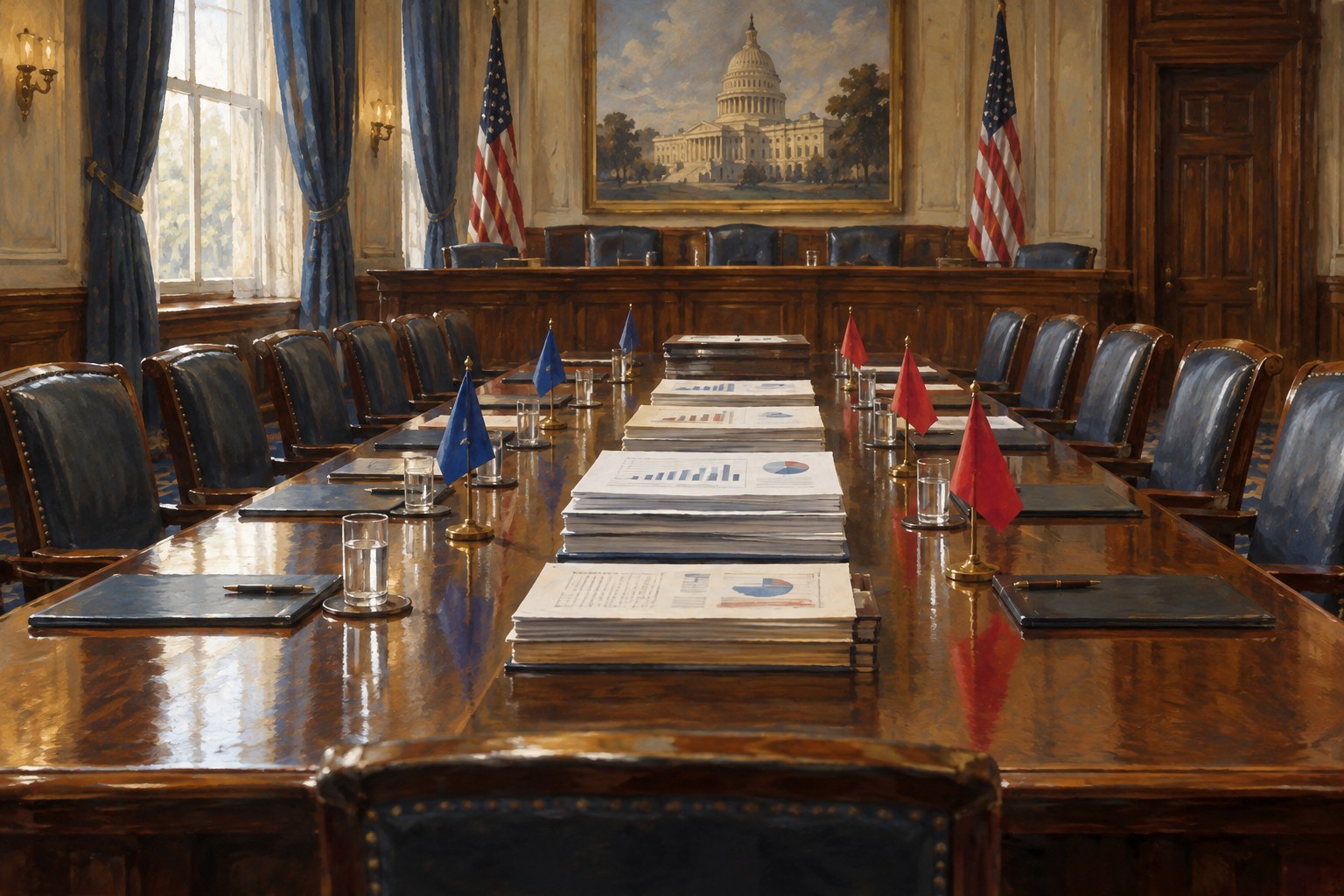
The Constitution bars anyone holding federal office from accepting any present, payment, office, or title from a foreign government without Congress's consent, and bars the President from receiving any payment from the federal or state governments beyond the salary. Congress consented to gifts of minimal value in a 1966 law, and more valuable gifts become government property. Lawsuits from 2017 claimed that foreign governments' spending at the President's businesses violated the clauses, but they were dismissed as moot in 2021. In 2025 the administration accepted a Boeing 747 from Qatar for use as Air Force One, and family ventures with foreign investors renewed the debate, with supporters calling them lawful and critics calling them the dangers the clauses were written to prevent.

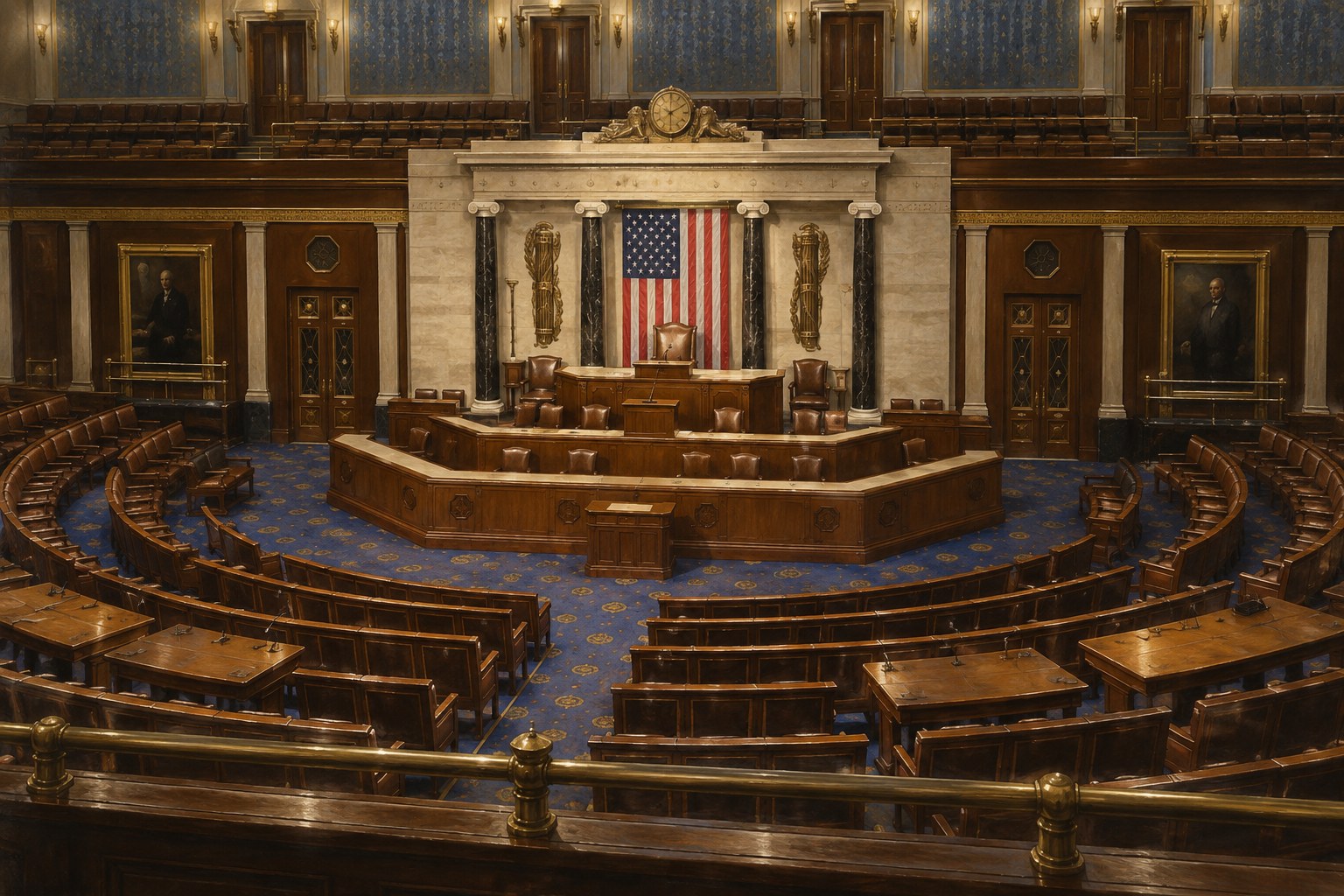
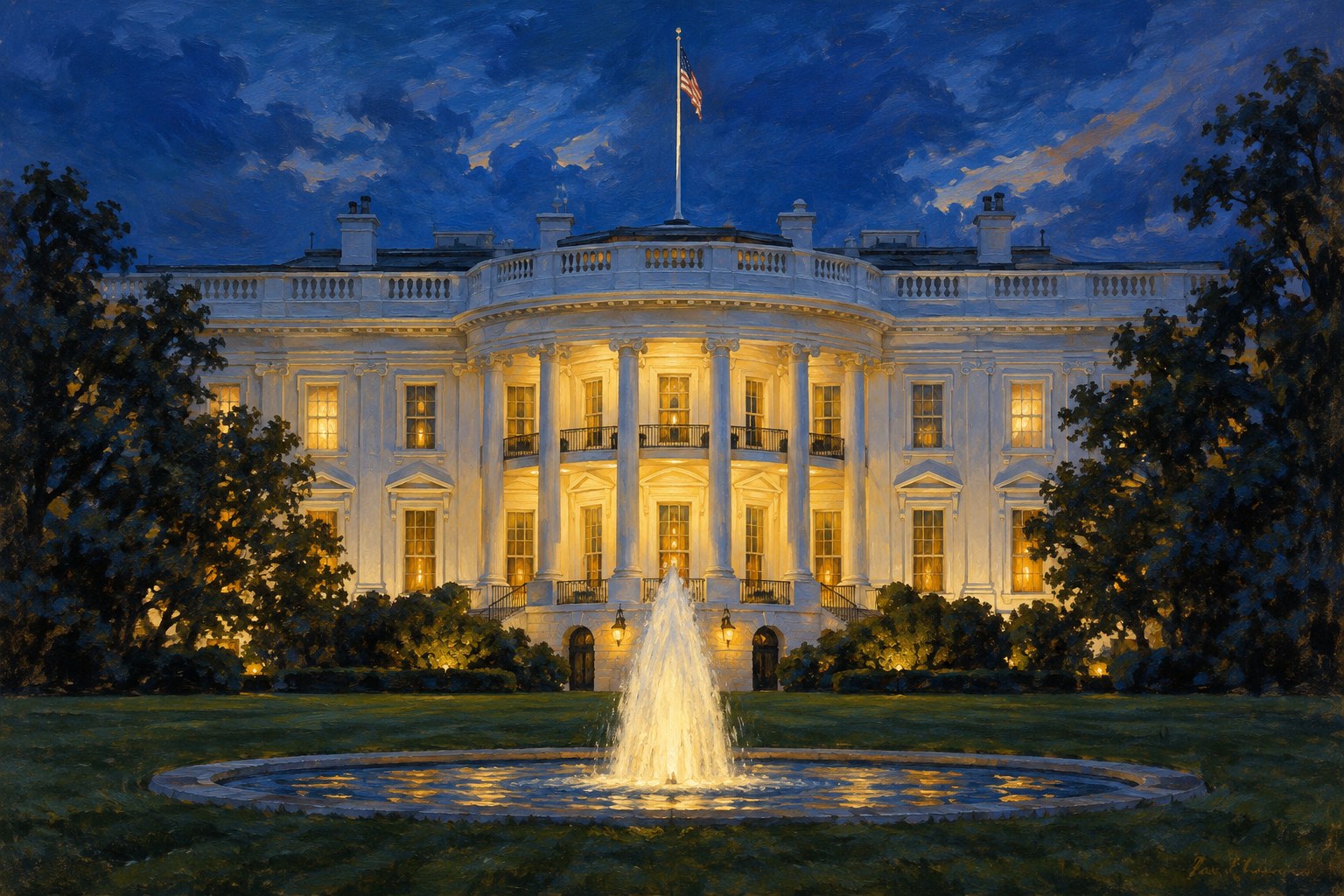



Senior executive officials must also report trades, and a criminal law bars executive employees from working on matters that affect their own finances, so Senate-confirmed nominees usually agree to sell conflicting holdings or recuse. After trading by Federal Reserve officials came to light in 2021, the Fed barred its senior officials from owning individual stocks. Federal judges must recuse from cases involving companies they own, and after reports that many had failed to, a 2022 law required judges' financial reports and trades to be posted online. Supreme Court justices file disclosure reports and decide their own recusals.


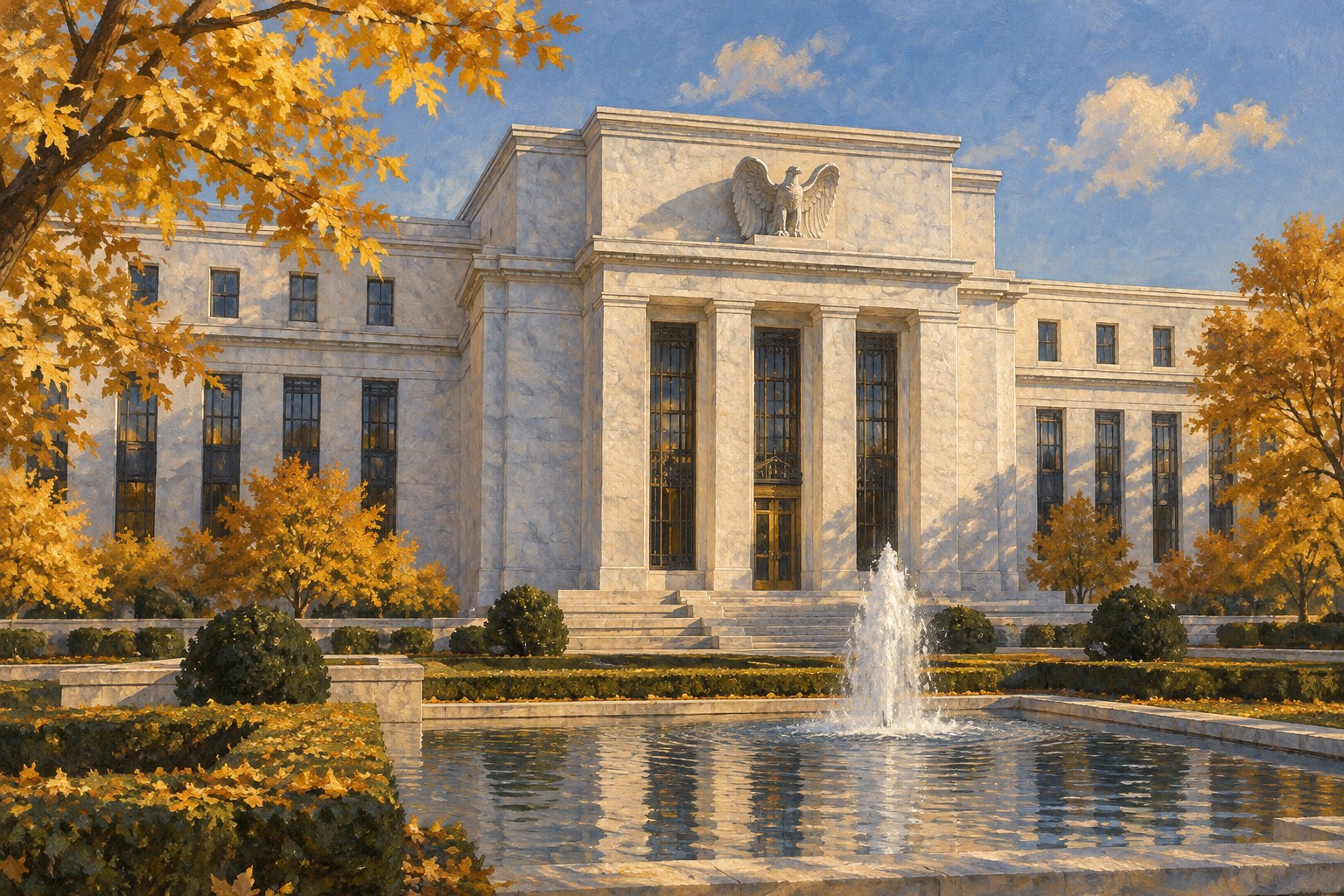


Yes. Members, their spouses, and their staff may buy and sell individual stocks, but the STOCK Act of 2012 requires members and senior staff to report each trade within 45 days, and the reports are posted online. Insider trading laws apply to them, though cases are rare. The usual penalty for a late report is 200 dollars, and late filings have been common. Trading by several senators after private coronavirus briefings in early 2020 was investigated without charges. A ban on owning or trading individual stocks has broad support in polls and among members of both parties. In July 2026 the House passed a bill, 232 to 198, barring members, spouses, and dependent children from buying shares of individual companies, but on September 30, 2026, the Senate vote to advance it fell short, 53 to 47.




For the full rulebook see ethics rules for officials, for salaries see what officials are paid, or check more claims in myths about Congress, the courts, and federal money.