Myths About Congress, the Courts, and Federal Money
Key takeaways
- Members of Congress are paid during a shutdown, because their salaries come from a permanent appropriation and the Twenty-seventh Amendment blocks mid-term pay changes. Most of their staff are not paid until it ends.
- Members do not get free healthcare for life. Since 2014 they buy coverage through an Affordable Care Act exchange with an employer contribution, and in retirement they get federal health benefits only on the same terms as other federal retirees.
- The federal government has no balanced budget requirement. Nearly every state does.
- The Federal Reserve does not print cash. The Bureau of Engraving and Printing does, to meet public demand. The Fed creates money electronically through interest rates and bond purchases.
- The Supreme Court has no force of its own to carry out its rulings. It depends on the executive branch, the states, and public acceptance.
- Valid federal law overrides conflicting state law, but Washington cannot order governors or state officers to carry out federal programs.
Some of the most widely shared claims about government concern the pay and perks of Congress, the federal budget, the Federal Reserve, and the power of courts and Washington over the states. This guide answers six of them with what the Constitution, federal law, and court rulings provide.
Where the facts are settled, each section says so. Where the question is debated, it sets out the main arguments without a verdict.
Not by itself. Beyond the police force that guards its building, the Court has no means of carrying out its judgments, and Alexander Hamilton wrote in Federalist No. 78 that the judiciary has neither force nor will, but merely judgment. It relies on the executive branch to enforce its rulings, on lower courts and state officials to apply them, and on public acceptance of its authority. U.S. marshals enforce federal court orders, and judges can hold officials in contempt. When Arkansas resisted school desegregation in 1957, President Eisenhower sent troops, and in Cooper v. Aaron the Court declared that its rulings bind state officials. Open defiance by a President has been rare. Disputes in 2025 over whether agencies complied with lower-court orders renewed the question of what happens if the executive refuses.





Yes. Members' salaries are paid from a permanent appropriation rather than the annual spending bills, so they keep flowing when those bills lapse, and the Twenty-seventh Amendment bars any change in their pay from taking effect until after the next House election. During shutdowns some members ask for their pay to be withheld or donate it, as many did during the 43-day shutdown that began on October 1, 2025. Congressional staff are paid from annual appropriations, so most work without pay or are furloughed, like other federal workers, though a 2019 law guarantees back pay once the government reopens. Proposals to dock members' pay run into the amendment, which is why the 2013 No Budget, No Pay Act, aimed at chambers that failed to adopt a budget, held pay in escrow rather than cutting it.




No. Nothing in the Constitution or federal law requires the federal budget to balance, and the government has run a deficit every year since fiscal 2001, close to 2 trillion dollars in fiscal 2026. Nearly every state, by contrast, must balance its operating budget, with Vermont the main exception, though states can borrow for roads and buildings. A balanced budget amendment passed the House in 1995 and fell one vote short in the Senate, and versions are introduced in nearly every Congress. Congress does set limits on itself, including the debt ceiling, pay-as-you-go rules, and the Byrd rule on reconciliation bills, but it can waive or raise them. Supporters of an amendment say it would force discipline, while critics say it would deepen recessions by forcing cuts when revenue falls.





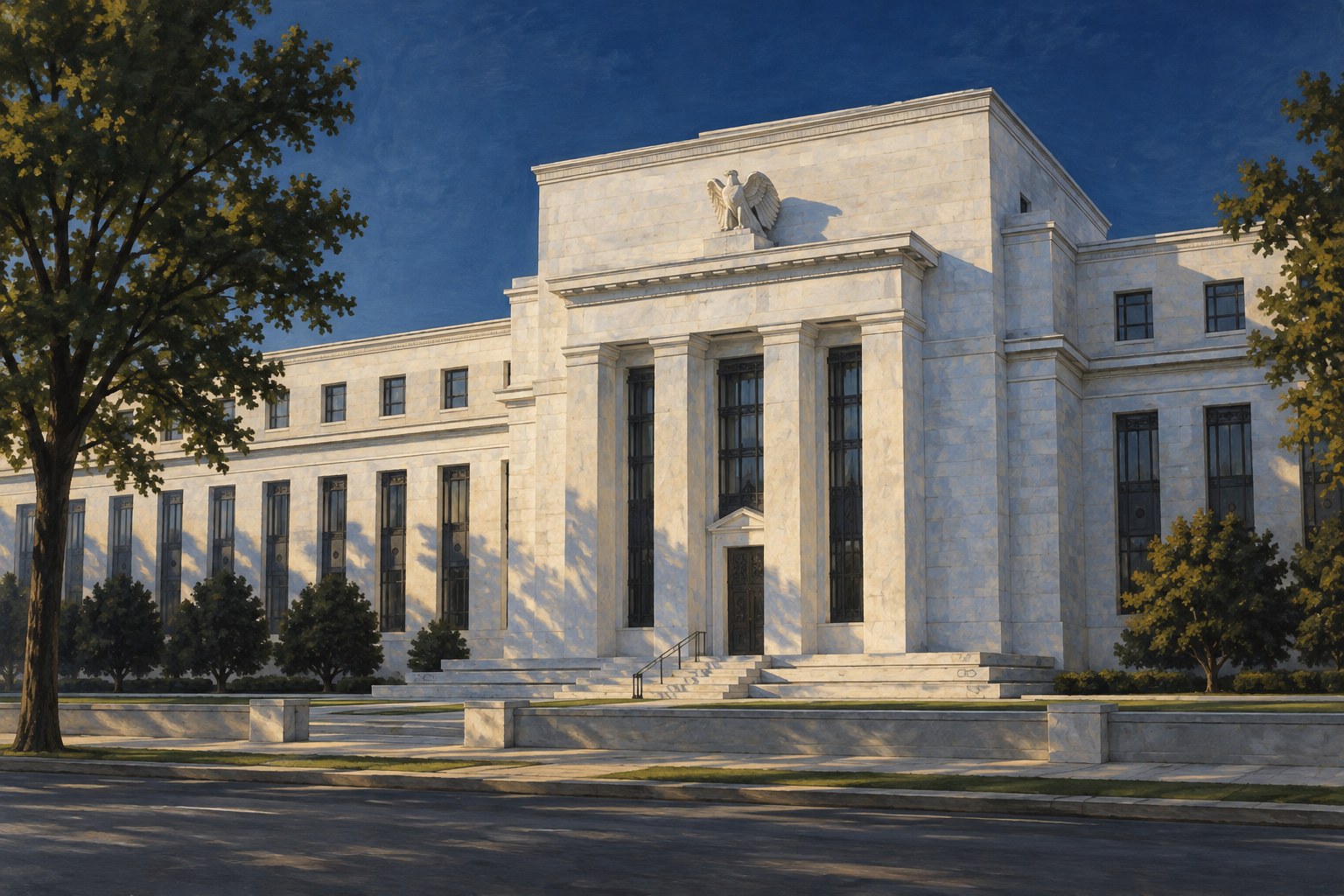
Not in the way the phrase suggests. Paper currency is printed by the Treasury's Bureau of Engraving and Printing, and coins are made by the U.S. Mint. The Federal Reserve Board sets an annual order for notes based on how much cash banks and the public need, and physical cash is a small share of the money supply. The Fed does create money electronically, by crediting banks' reserve accounts when it buys Treasury and mortgage securities, as it did on a vast scale in 2008 and 2020, and it steers the economy by setting interest rates. Congress gave it a mandate of maximum employment and stable prices and requires the Chair to testify twice a year, but its rate decisions need no approval from the President or Congress. In June 2026 the Supreme Court blocked the removal of a sitting governor. Critics want more accountability, while supporters say independence keeps inflation in check.



No. Since 2014, under a provision of the Affordable Care Act, members and many of their staff must get health coverage through the District of Columbia's ACA exchange instead of the regular federal employee program, with the government paying an employer share as it does for other federal workers. Members can also pay an annual fee for basic care from the Office of the Attending Physician at the Capitol. After leaving office, a former member keeps federal health coverage only on the same terms as other federal retirees, which require at least five years of coverage before leaving and eligibility for an immediate pension, and pays the employee share of premiums. Members earn pensions under the Federal Employees Retirement System after five years, in amounts that depend on age and years of service, not a full salary for life.





Sometimes. Under the Supremacy Clause, a valid federal law overrides conflicting state law, and federal courts can block state actions that violate the Constitution or federal statutes. The President can federalize a state's National Guard in certain circumstances, as in Little Rock in 1957 and in several states in 2025, and in December 2025 the Supreme Court refused to allow a deployment in Illinois. But the federal government cannot commandeer the states. Under Printz v. United States in 1997 and related cases, Congress cannot order governors, legislatures, or state officers to carry out federal programs, which is why states may decline to help with federal immigration enforcement. Washington's strongest lever is money, since federal grants come with conditions, though the Court limited coercive conditions in its 2012 Medicaid ruling. Defenders of state power and of national uniformity weigh these limits differently.





Read more in how Congress works, the Federal Reserve explained, and federalism explained, or go back to myths about presidential power.