Blind Trusts and Divestiture
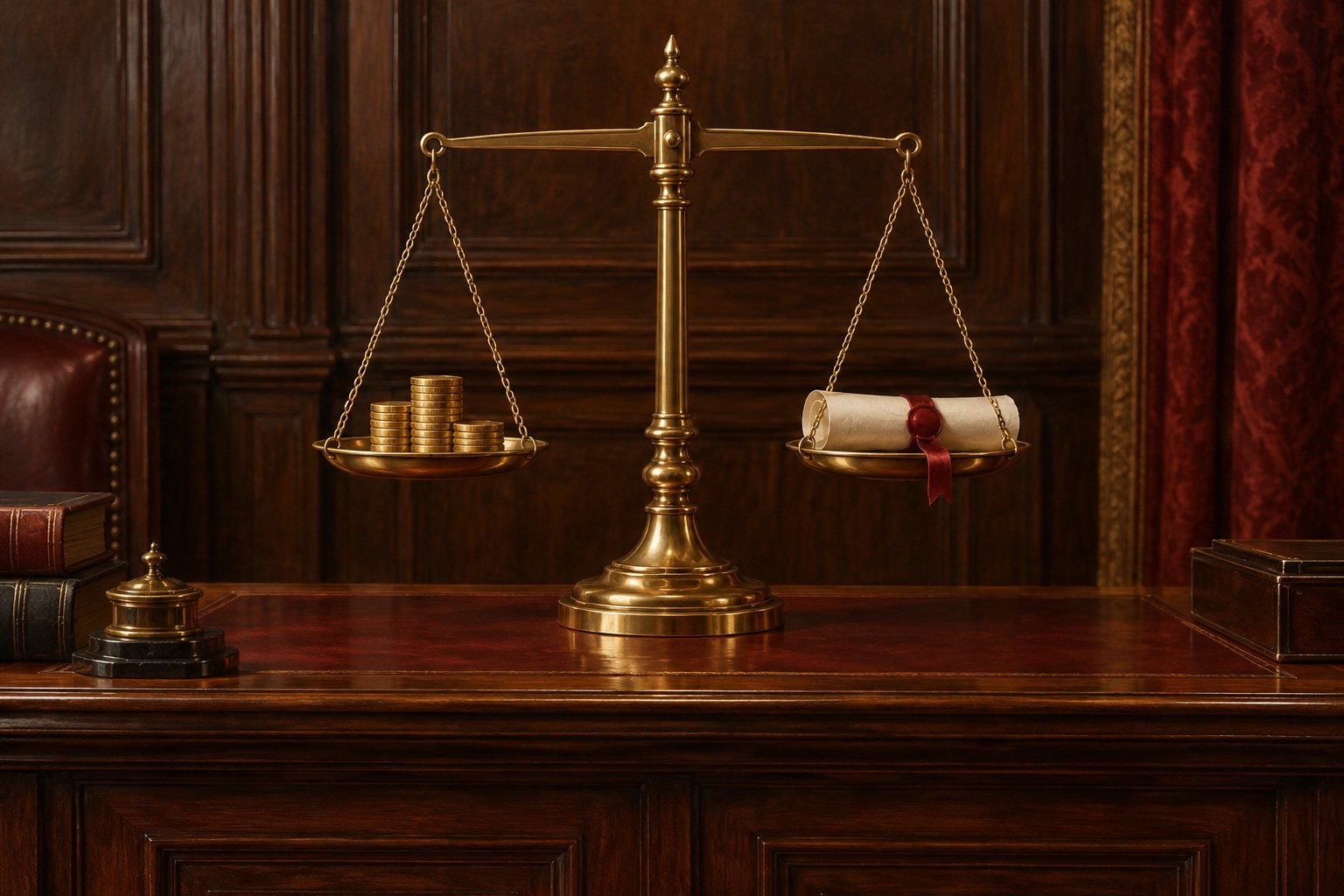
Officials who own assets that could conflict with their duties have three main options: sell them, recuse from matters affecting them, or place them in a trust they do not control. The Ethics in Government Act of 1978 created the qualified blind trust, in which an independent trustee approved by the Office of Government Ethics manages the assets and does not tell the owner what they hold, and the qualified diversified trust, which holds a broad portfolio. Over time, as the trustee sells the original holdings, the owner no longer knows what is in the trust.
Because assets an official places in a blind trust are known at the start, ethics officials often prefer outright sales of conflicting holdings into broad mutual funds or Treasury securities, and a certificate of divestiture lets officials defer capital gains taxes when the sale is required. Many senior officials and members of Congress use these tools. Operating businesses are hard to place in a true blind trust, since the owner knows what they are, which is why business owners entering government often sell or step away from management.
Presidents are not legally required to divest, but most modern Presidents placed their holdings in blind trusts or simple investments. Jimmy Carter put his family peanut business in a trust, Ronald Reagan, George H. W. Bush, Bill Clinton, and George W. Bush used blind trusts, and Barack Obama held index funds and Treasury bonds. In 2017 the President kept his business empire, placing it in a revocable trust managed by his sons and pledging no new foreign deals, and in his second term his family's ventures expanded, including into cryptocurrency and foreign real estate. Supporters say his holdings are disclosed and lawful, while critics say they create conflicts that a blind trust is meant to prevent.
| Status | Active |
| Legal basis | Ethics in Government Act of 1978, Section 102(f) |
| Official site | oge.gov |
| Created by | Ethics in Government Act of 1978 |
| Approved by | Office of Government Ethics |
| Alternative | Sale with a certificate of divestiture to defer taxes |
| Required for the President | No |
| Common practice | Most modern Presidents used blind trusts or simple investments |
| Date | Qualified blind trusts created October 26, 1978 |