Who Controls Energy: Oil, Gas, Nuclear Power, and the Grid
Key takeaways
- The United States is the world's largest producer of oil and natural gas, mostly from private land regulated by states.
- The Federal Energy Regulatory Commission oversees interstate power lines, gas pipelines, and wholesale electricity, while states set retail electricity rates.
- The Nuclear Regulatory Commission licenses the 94 commercial reactors that make about 19 percent of the nation's electricity.
- Electricity demand is rising for the first time in decades, driven by data centers, factories, and electrification.
- The 2022 Inflation Reduction Act expanded clean energy tax credits, and the 2025 budget law cut many of them back.
- In 2025 the government ordered some retiring coal and gas plants to keep running and set a goal of quadrupling nuclear power by 2050.
Energy touches nearly every part of government: public lands and offshore drilling, power plants and pipelines, taxes, foreign policy, and the environment. Control is split among federal agencies, states, utilities, and markets, which is why energy policy is often fought out in many places at once.
This guide explains who controls each part of the energy system and the main debates.
Data centers for AI and cloud computing could use a large and growing share of U.S. electricity by the end of the decade, raising questions about who pays for new plants and power lines. In 2025 the Energy Department ordered some retiring coal and gas plants to keep running, citing reliability. Supporters of the administration's approach say the country needs more of every kind of power, especially fossil fuels and nuclear, with fewer regulations. Critics say cutting wind and solar credits and pollution rules will raise prices and emissions.
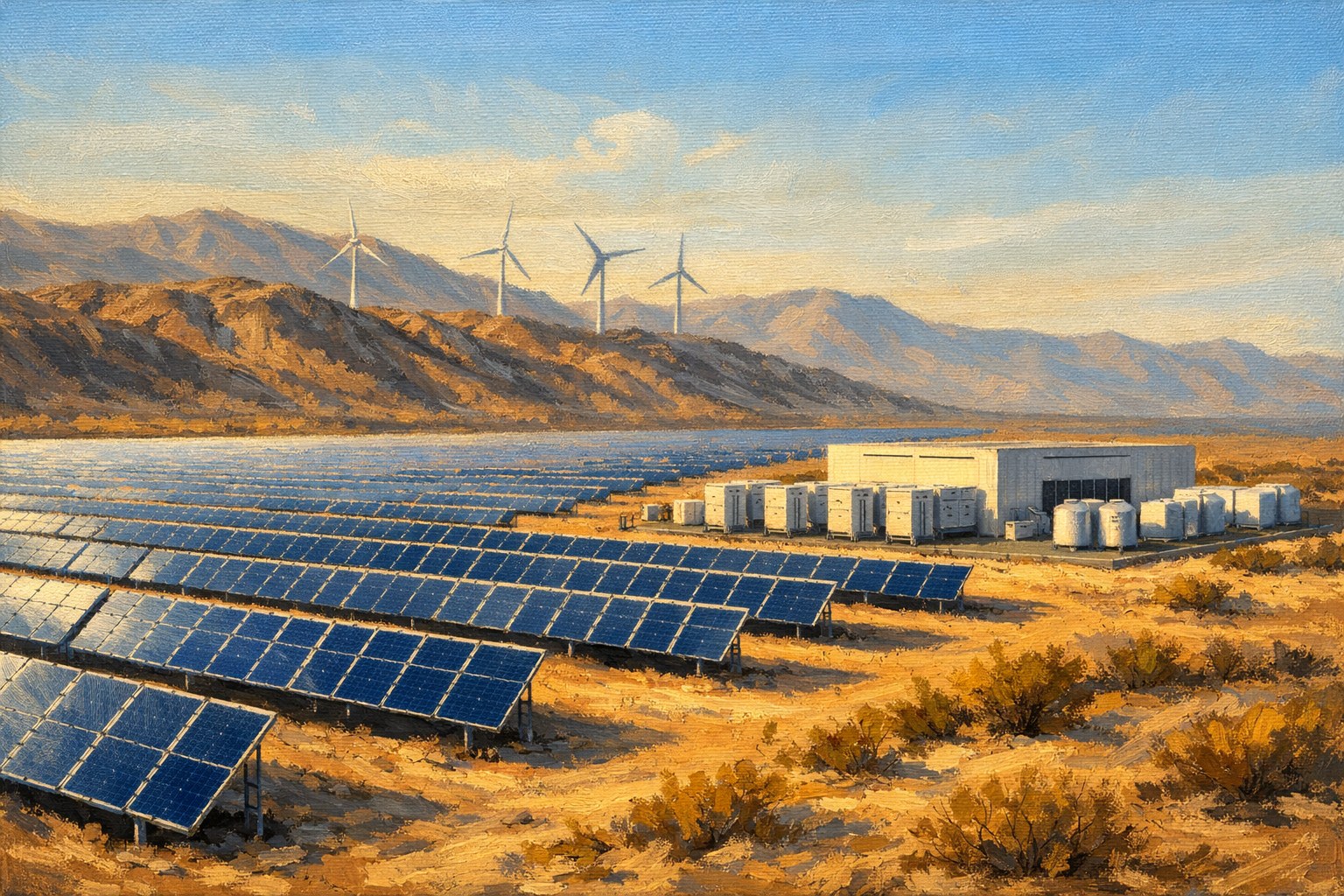
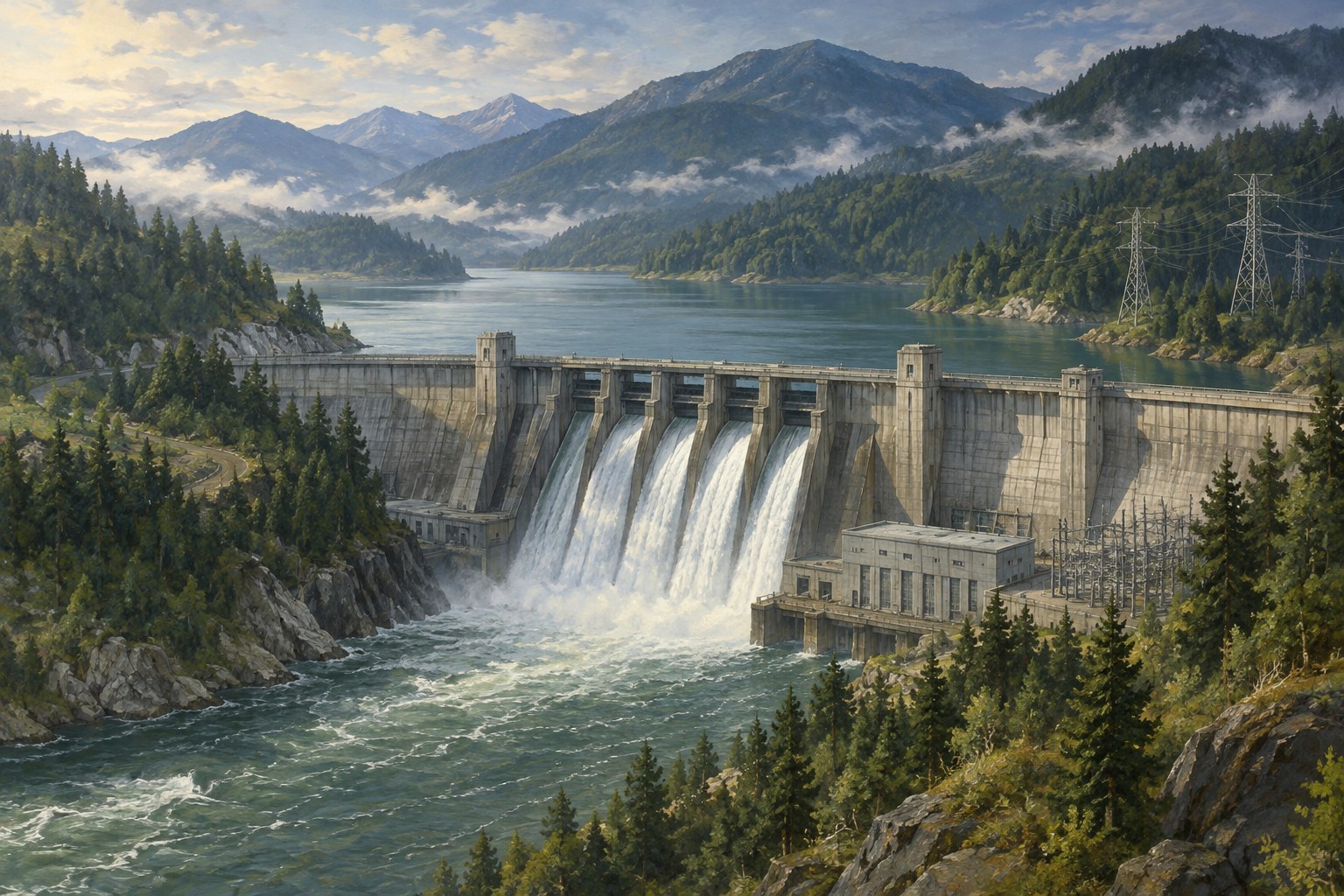
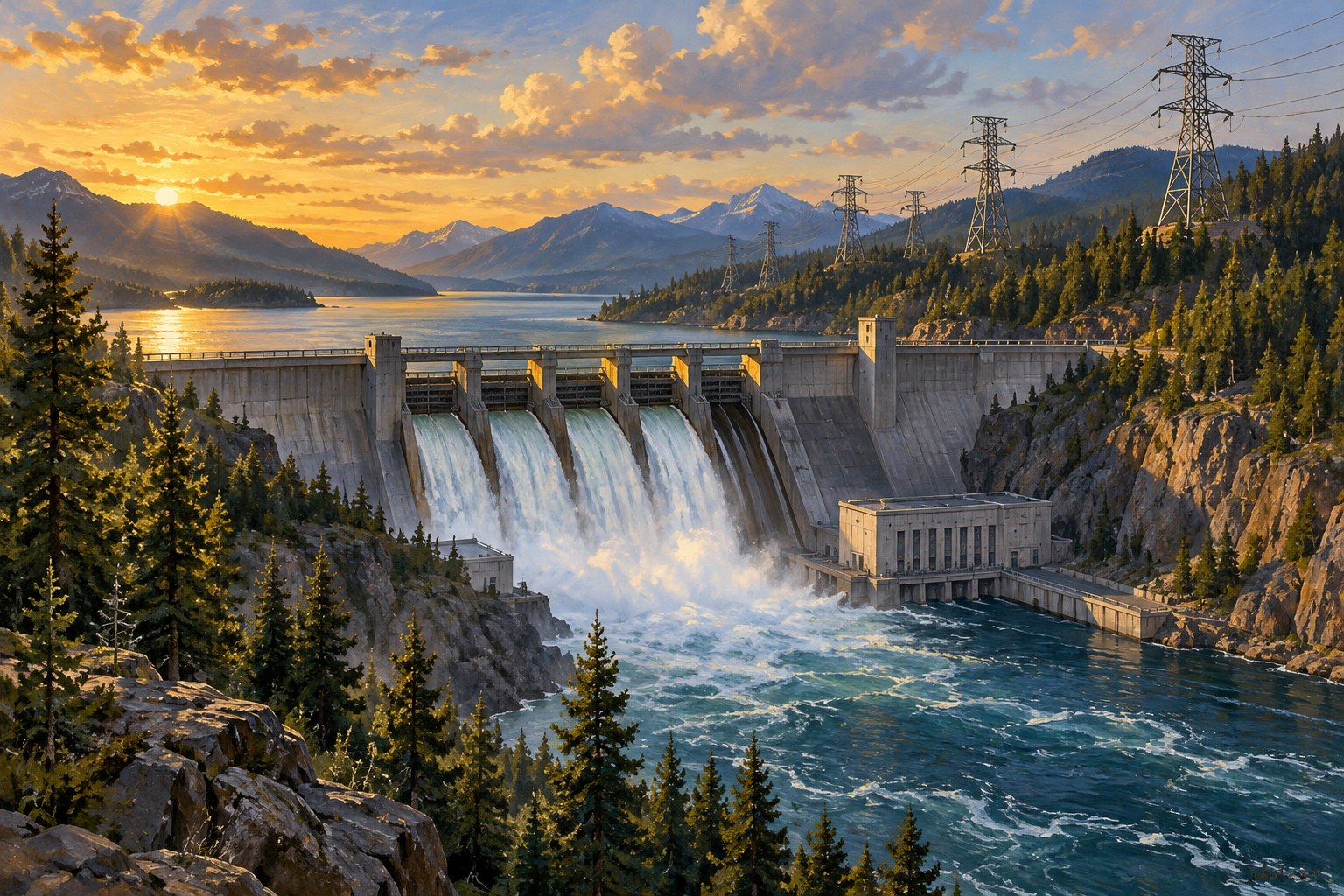
The federal government owns power systems through the Tennessee Valley Authority and four power marketing administrations that sell electricity from federal dams. Tax credits have shaped what gets built: the 2022 Inflation Reduction Act expanded credits for wind, solar, batteries, electric vehicles, and nuclear, and the 2025 budget law ended consumer EV credits and phased out credits for new wind and solar while keeping them for nuclear, geothermal, and storage.
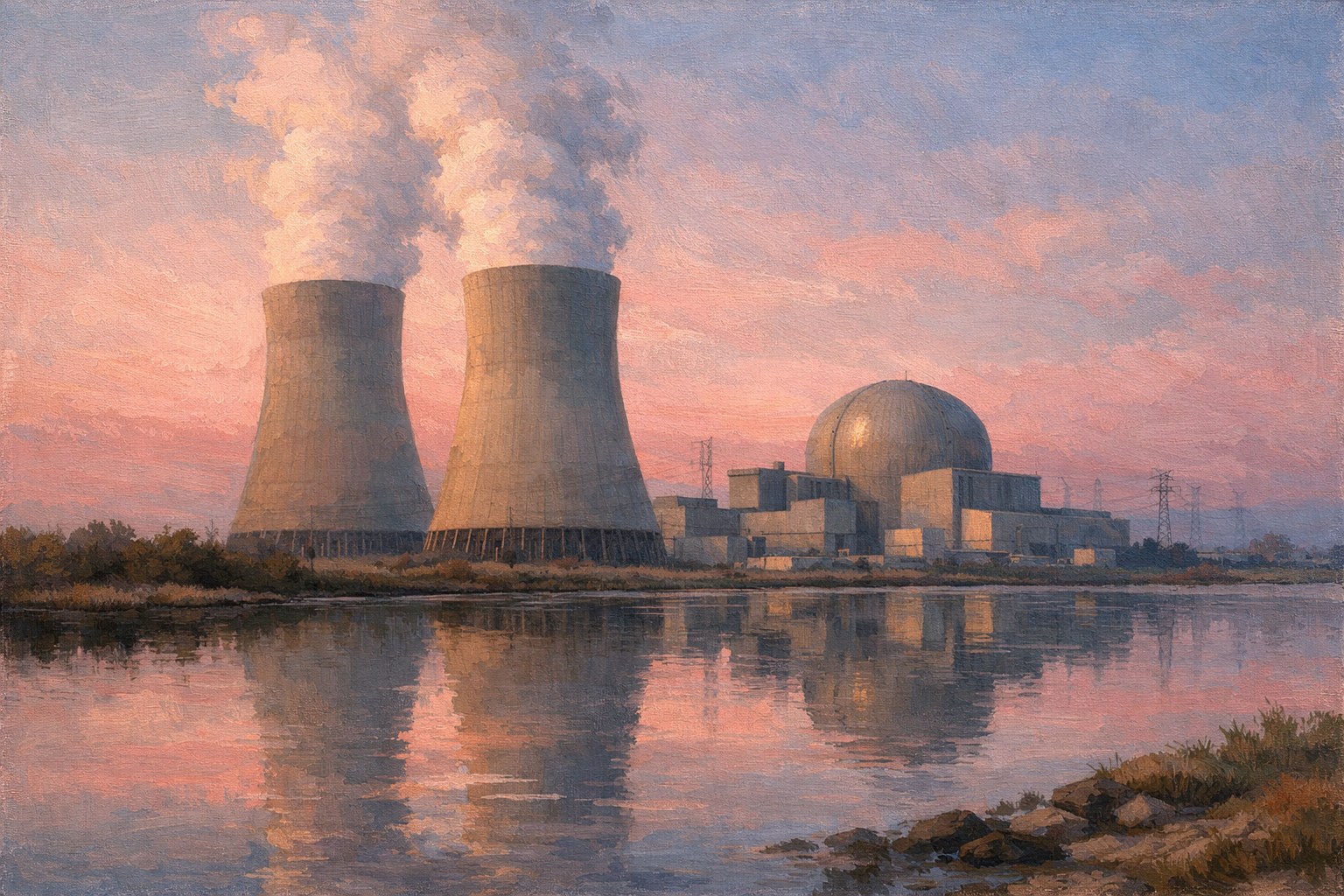
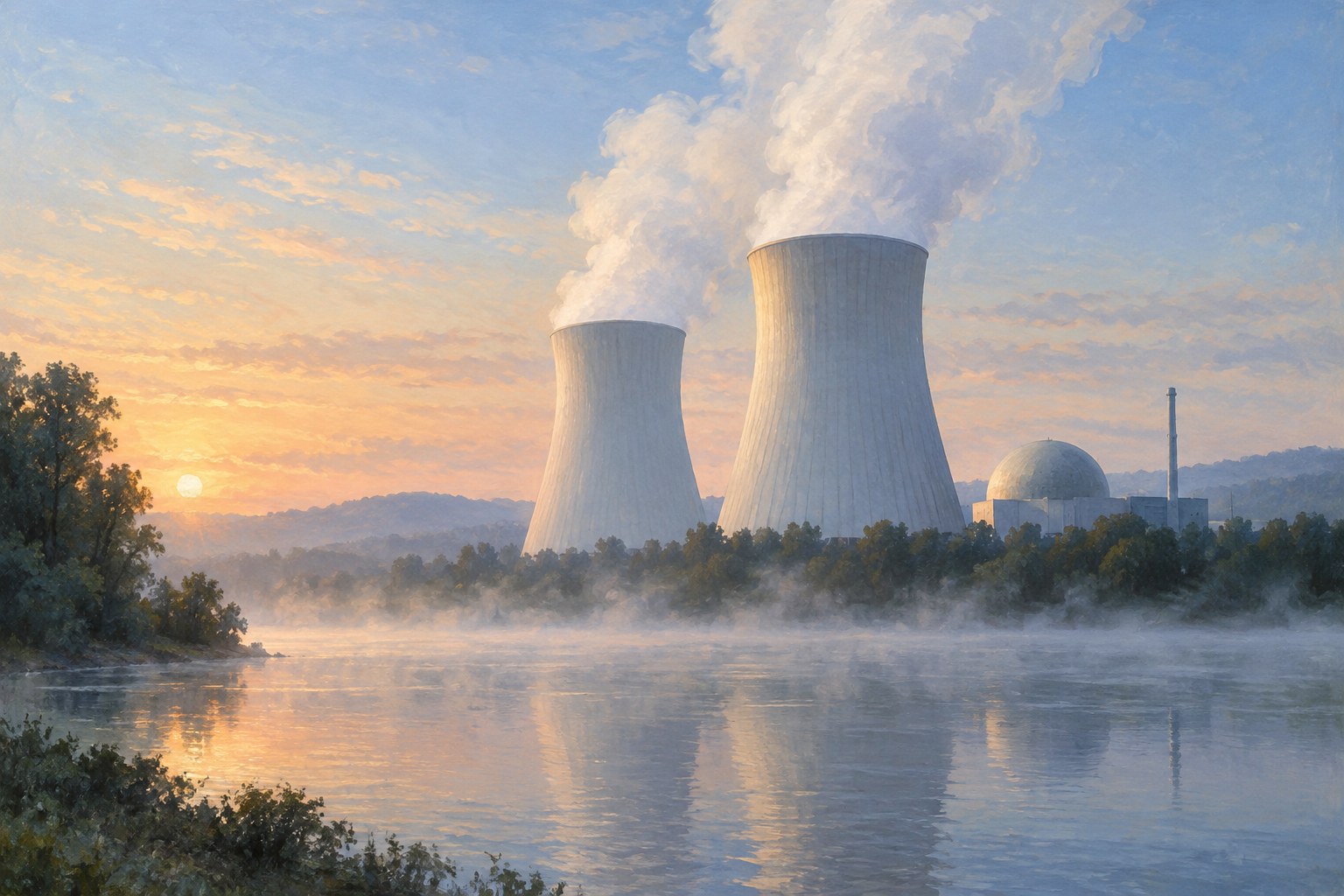
About 94 reactors make roughly 19 percent of U.S. electricity and nearly half of its carbon-free power. The Nuclear Regulatory Commission licenses and inspects them. Only two new reactors have been completed in decades, but tech companies have signed deals to restart closed plants and buy power from new designs. A 2024 law and 2025 executive orders aim to speed licensing and quadruple nuclear capacity by 2050.
The United States has been the world's largest producer of oil and natural gas since the late 2010s, thanks largely to fracking on private land regulated by states. About a quarter of oil comes from federal land and offshore leases. The Strategic Petroleum Reserve, created after the 1973 oil embargo, holds emergency crude in Gulf Coast salt caverns. Oil prices are set on world markets, so presidents have limited power over gasoline prices.
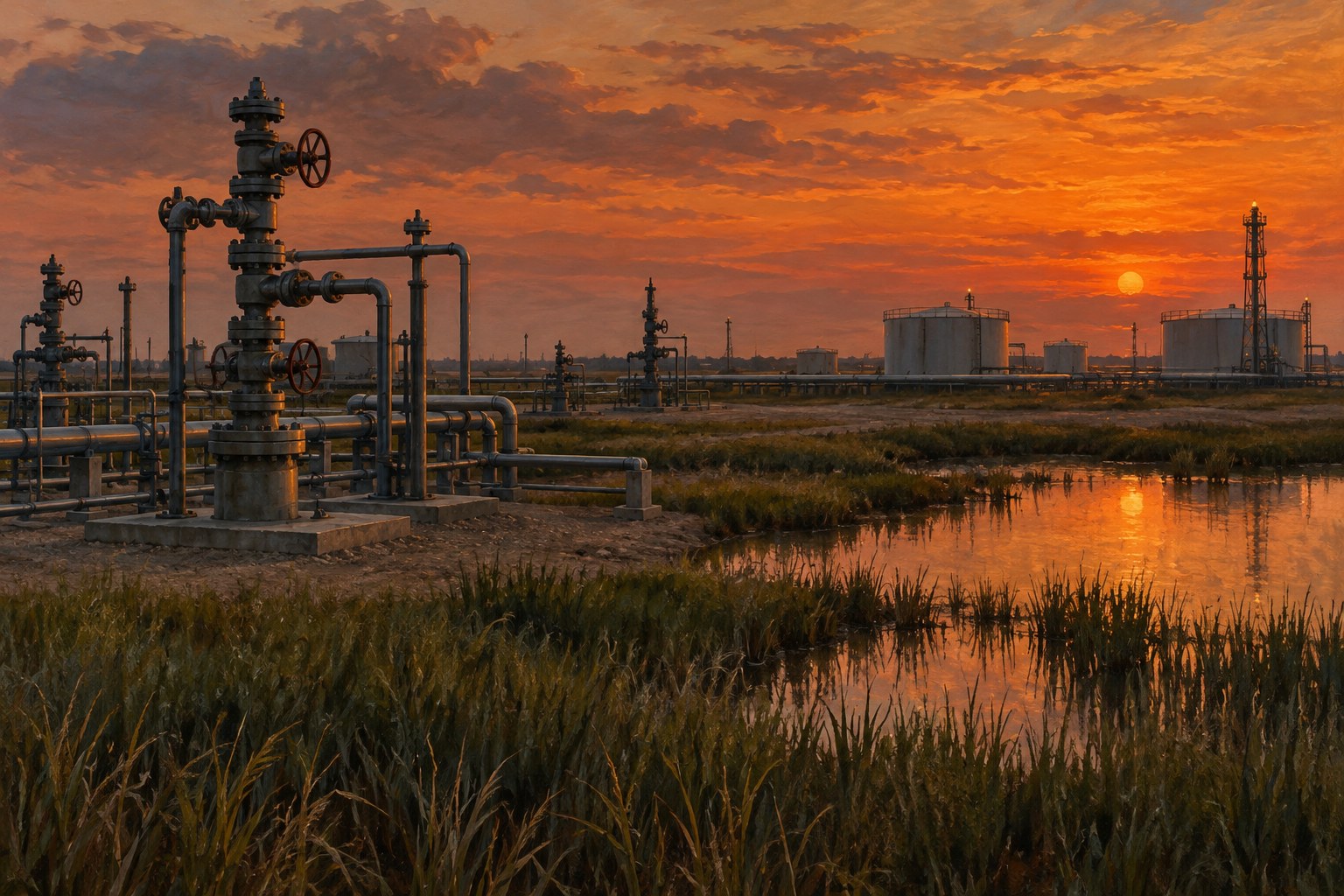
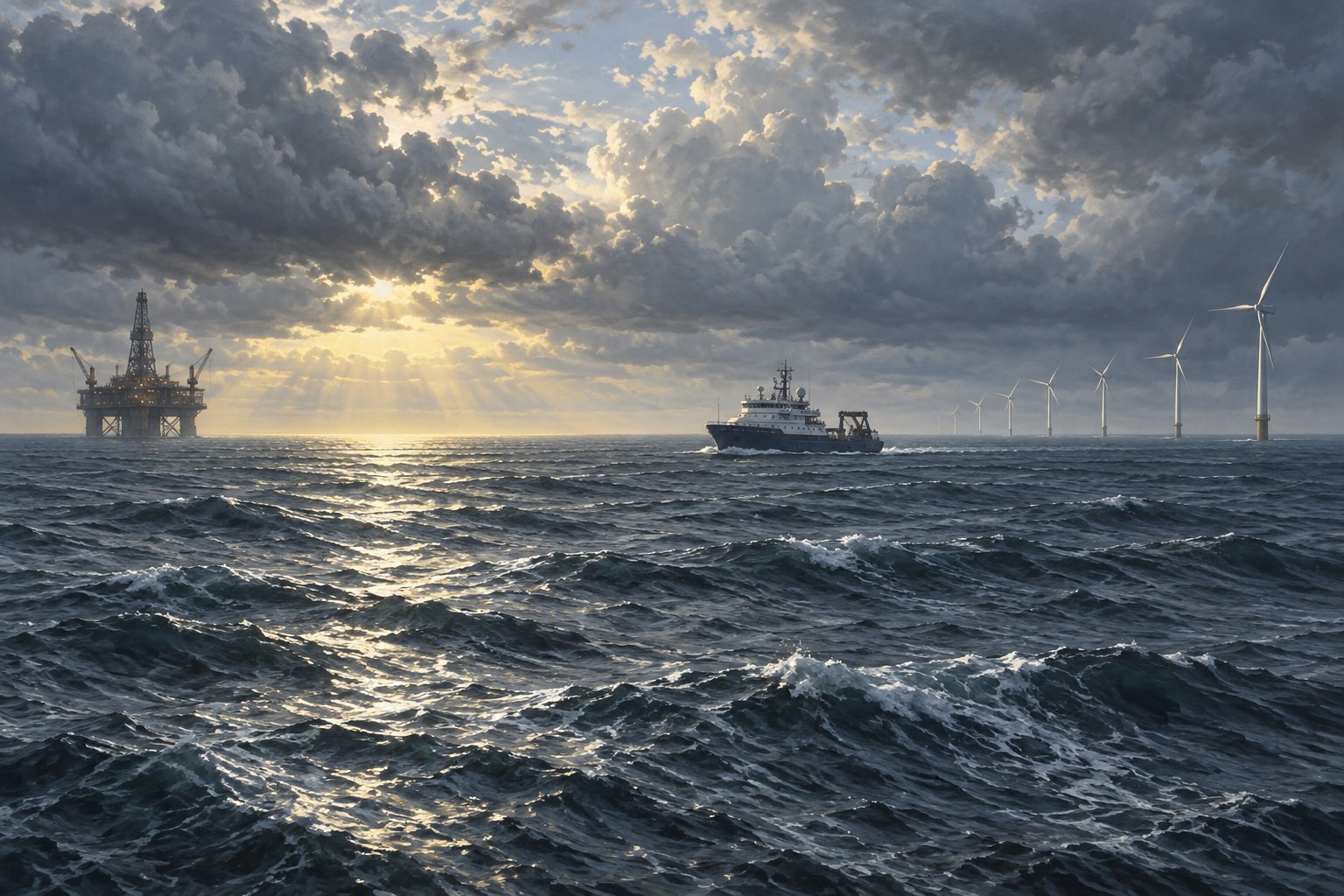
The Energy Department runs research, the national labs, the nuclear weapons complex, and energy efficiency standards, and it manages the Strategic Petroleum Reserve. The Federal Energy Regulatory Commission, an independent agency, regulates interstate electricity transmission, wholesale power markets, and natural gas pipelines. The EPA sets pollution limits for power plants and vehicles, the Interior Department leases federal land and offshore areas, and states regulate utilities and most drilling.
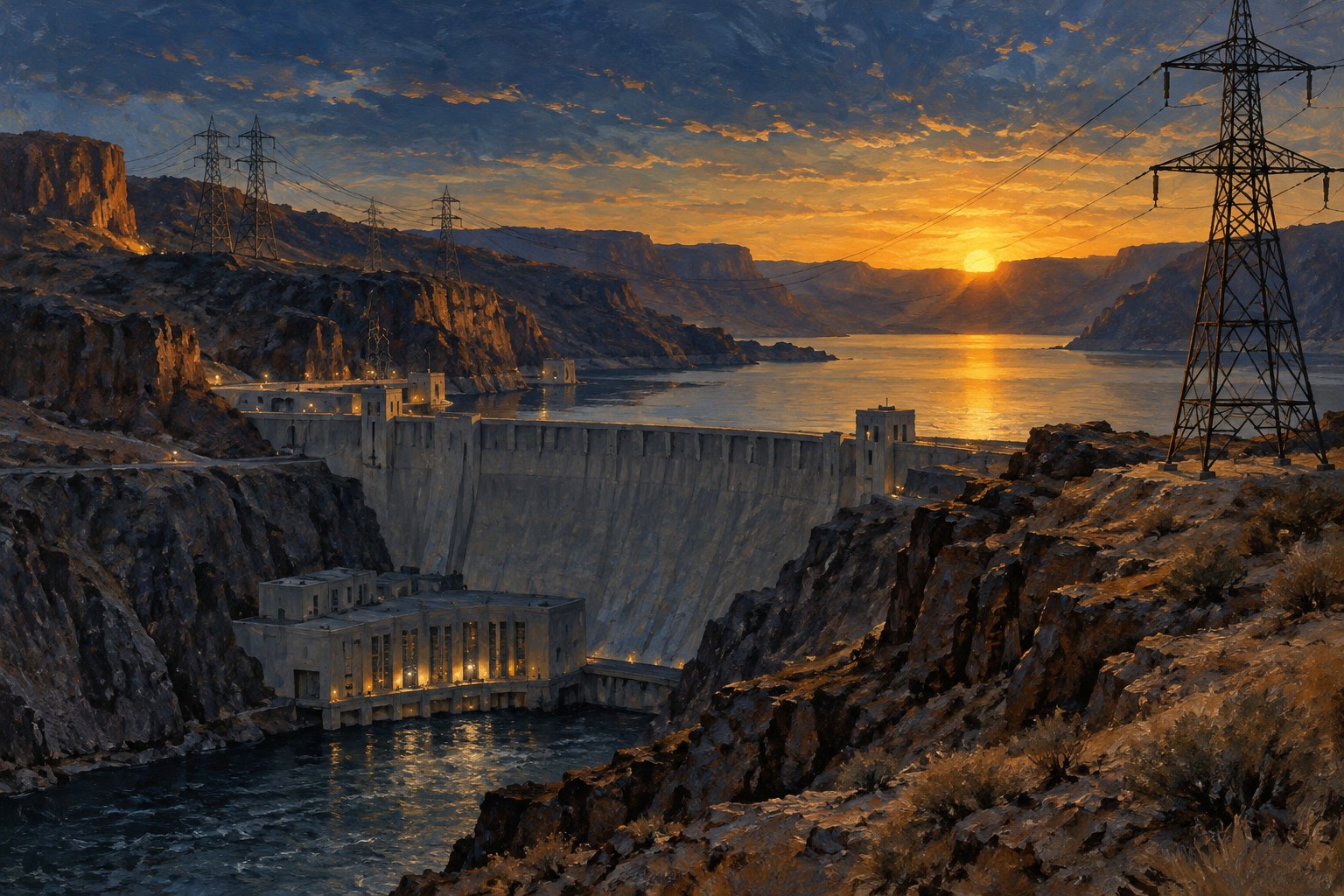
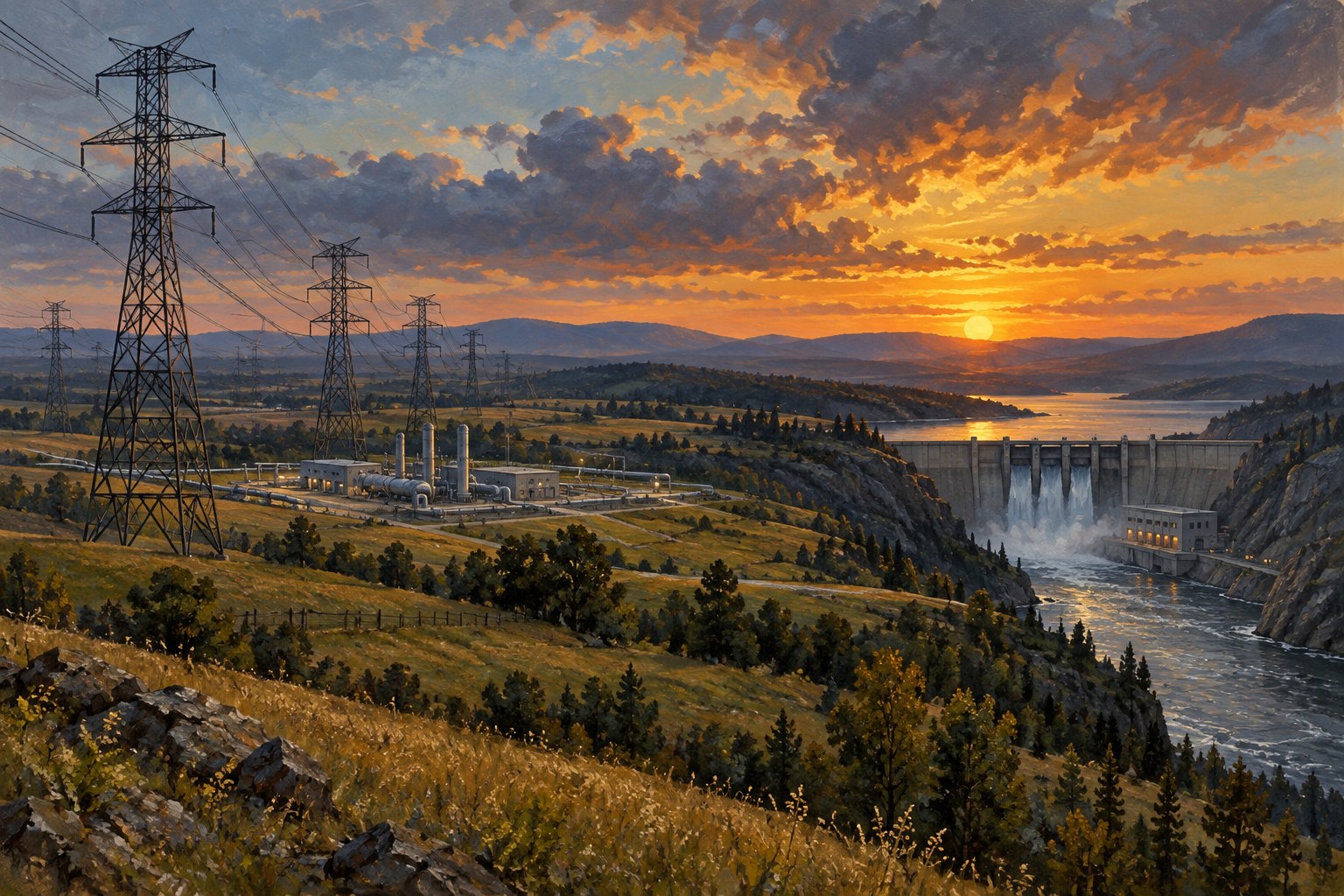
Three main grids serve the lower 48 states, run by utilities and regional operators. FERC regulates transmission and wholesale markets, enforces reliability standards through NERC, and in 2025 and 2026 began rules for connecting large customers such as data centers. States set retail rates and decide what plants get built. After demand was flat for nearly two decades, it is now growing quickly, and prices rose faster than inflation in many places.
See public lands in who manages public lands, regulators in the regulatory commissions, or AI data centers in who regulates artificial intelligence.