Who Manages Public Lands: Parks, Forests, Refuges, and Monuments
Key takeaways
- The federal government owns about 640 million acres, roughly 28 percent of the nation's land, mostly in the West and Alaska.
- Four agencies manage most of it: the Bureau of Land Management, the Forest Service, the Fish and Wildlife Service, and the National Park Service, each with a different mission.
- National parks drew a record 331.9 million visits in 2024 and about 323 million in 2025, while the Park Service lost nearly a quarter of its staff.
- Presidents can create national monuments under the 1906 Antiquities Act, and in July 2026 two Utah monuments were cut by about 90 percent.
- Public lands produce oil, gas, coal, timber, and grazing, and the balance between use and conservation shifts with each administration.
- A 2025 proposal to sell some federal land was dropped after opposition from both parties.
Most Americans own a share of the country's public lands, from Yellowstone and the Grand Canyon to vast stretches of sagebrush desert and forest. These lands are run by different agencies under different laws, some for preservation, some for wildlife, and some for many uses at once.
This guide explains who manages what, how the lands are used, and why decisions about them are among the most heated in Western politics.
The federal government owns about 640 million acres, roughly 28 percent of all land in the United States. Most of it is in the West, where the government kept land that settlers did not claim: it owns about 80 percent of Nevada, more than 60 percent of Utah and Alaska, and large shares of Idaho, Oregon, and Wyoming, but only a few percent of most Eastern states. The Constitution's Property Clause gives Congress power over federal land, and the Federal Land Policy and Management Act of 1976 declared that the remaining public domain would generally stay in federal hands.
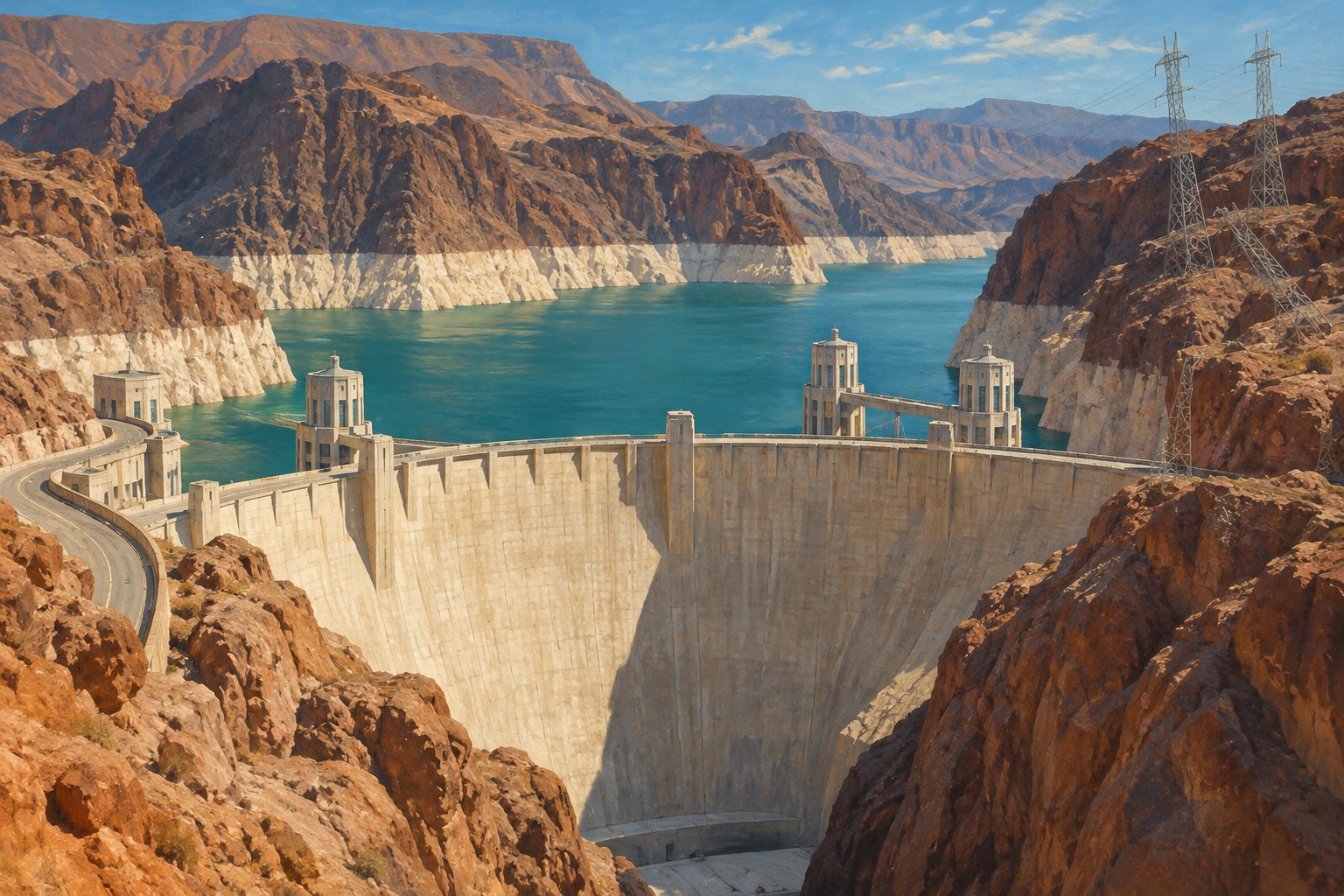
Public lands produce a large share of the nation's oil, gas, and coal, and companies pay royalties, part of which go to the states. Ranchers graze cattle and sheep on public rangeland for a small fee, timber companies log national forests, and hardrock mining still operates under a law from 1872 that charges no federal royalty. Offshore drilling is managed by the Bureau of Ocean Energy Management. Since 2025 the administration has expanded leasing, logging, and mining and rolled back conservation rules, while previous administrations emphasized conservation and renewable energy.

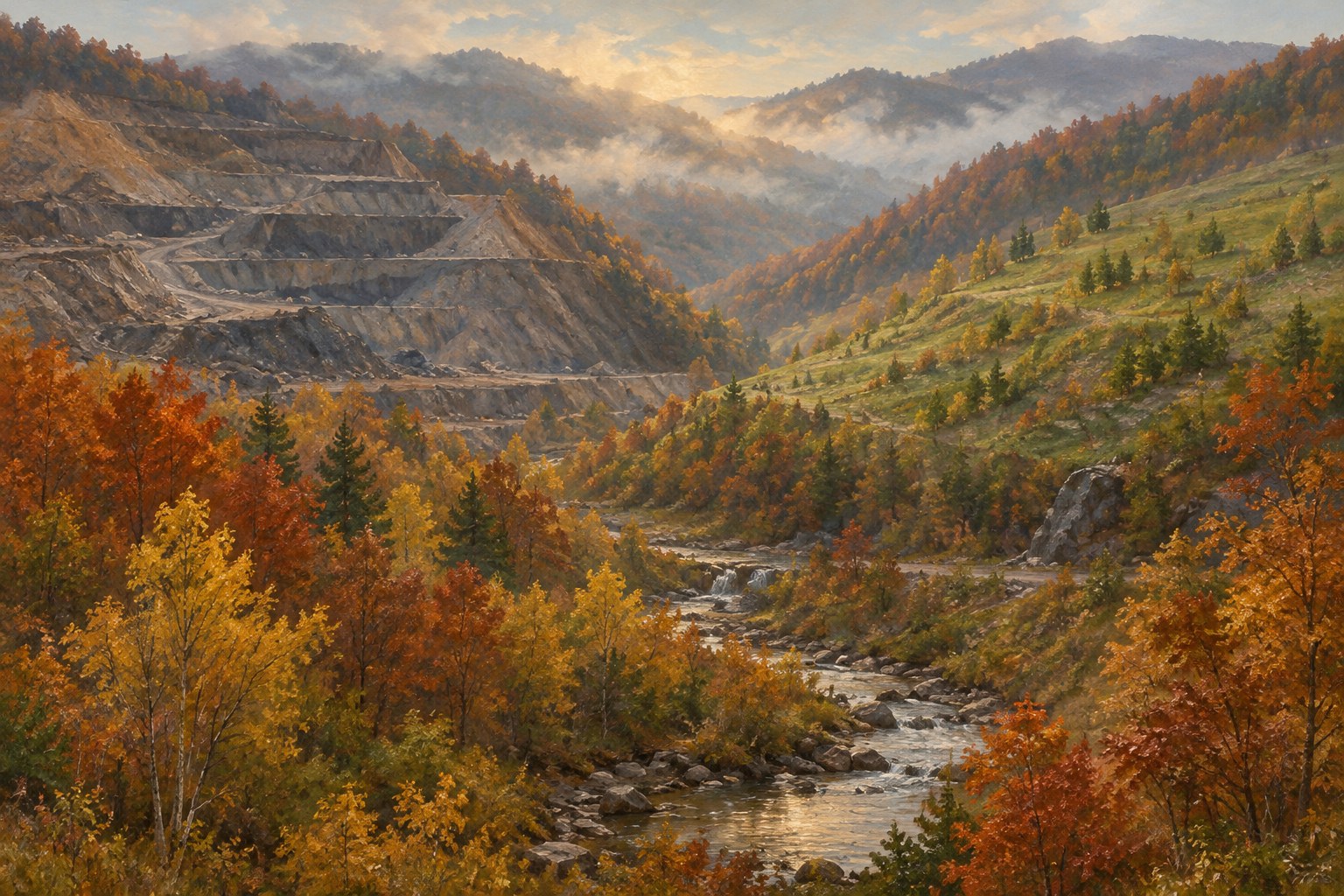
Some Western politicians have long pushed to transfer federal lands to the states or sell them, arguing that local control would bring jobs and tax revenue. In June 2025 a proposal to sell some federal land to raise money was dropped from a budget bill after objections from hunters, anglers, and lawmakers of both parties. Conservation groups and many outdoor users say public lands should stay public. Other debates involve wildfire management, drought and water rights, tribal co-management of sacred sites, and the balance between energy development and protecting landscapes and wildlife.
The Antiquities Act of 1906 lets Presidents protect federal land as national monuments without a vote of Congress, and Presidents have created more than 150. The Wilderness Act of 1964 lets Congress designate wilderness areas, now more than 110 million acres, where roads and motorized vehicles are banned. Large Western monuments have become political flashpoints: Bears Ears and Grand Staircase-Escalante in Utah were cut in 2017, restored in 2021, and cut again by about 90 percent in July 2026, and a 2025 Justice Department opinion said Presidents can abolish monuments entirely. Tribes and conservation groups have sued.
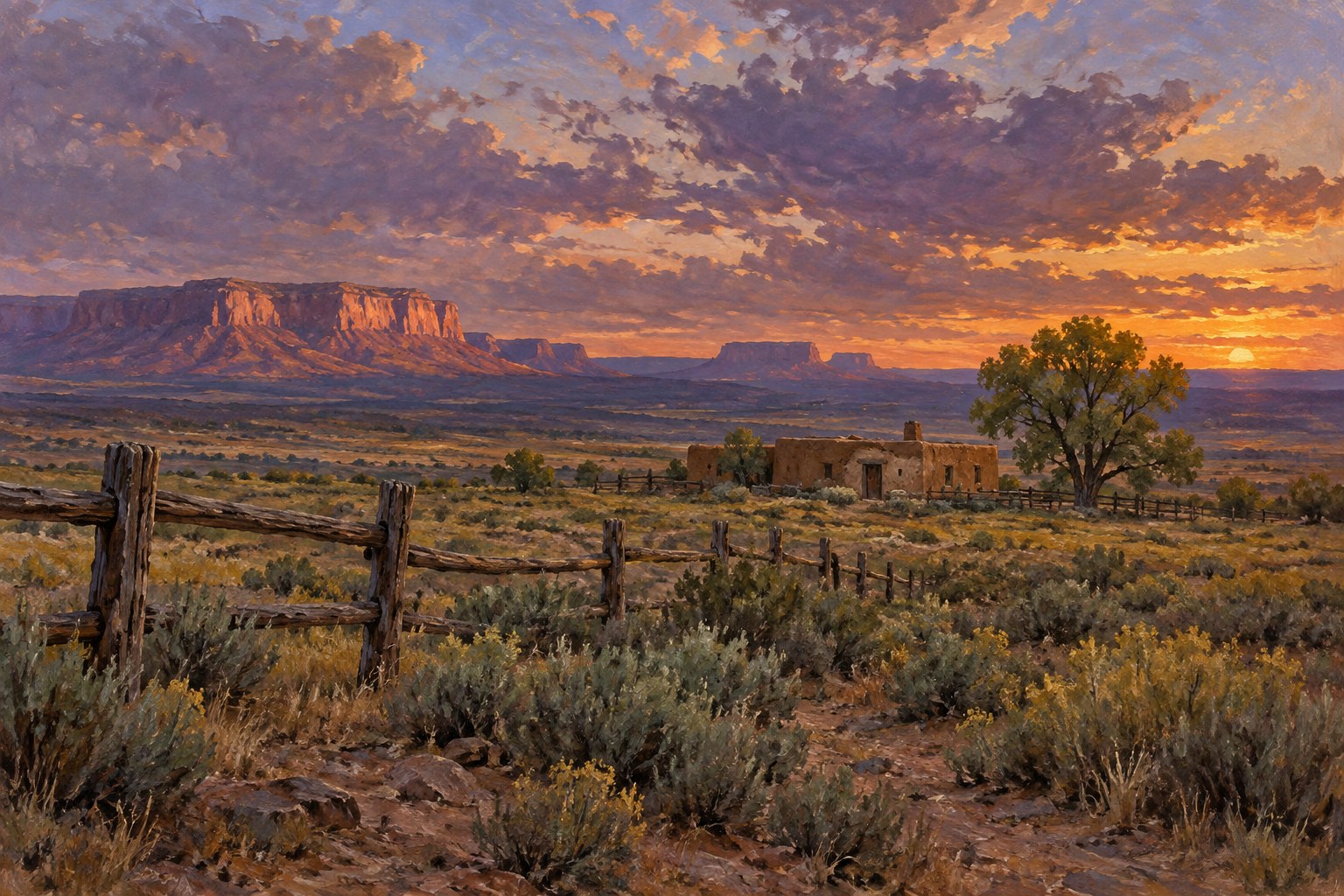
The Bureau of Land Management manages about 245 million acres, mostly rangeland, for multiple uses including grazing, energy, mining, and recreation. The Forest Service, part of the Agriculture Department, runs about 193 million acres of national forests and grasslands for timber, recreation, water, and wildlife. The Fish and Wildlife Service manages wildlife refuges, and the National Park Service manages parks and historic sites. The Defense Department, the Bureau of Reclamation, and the Army Corps of Engineers also hold large areas.
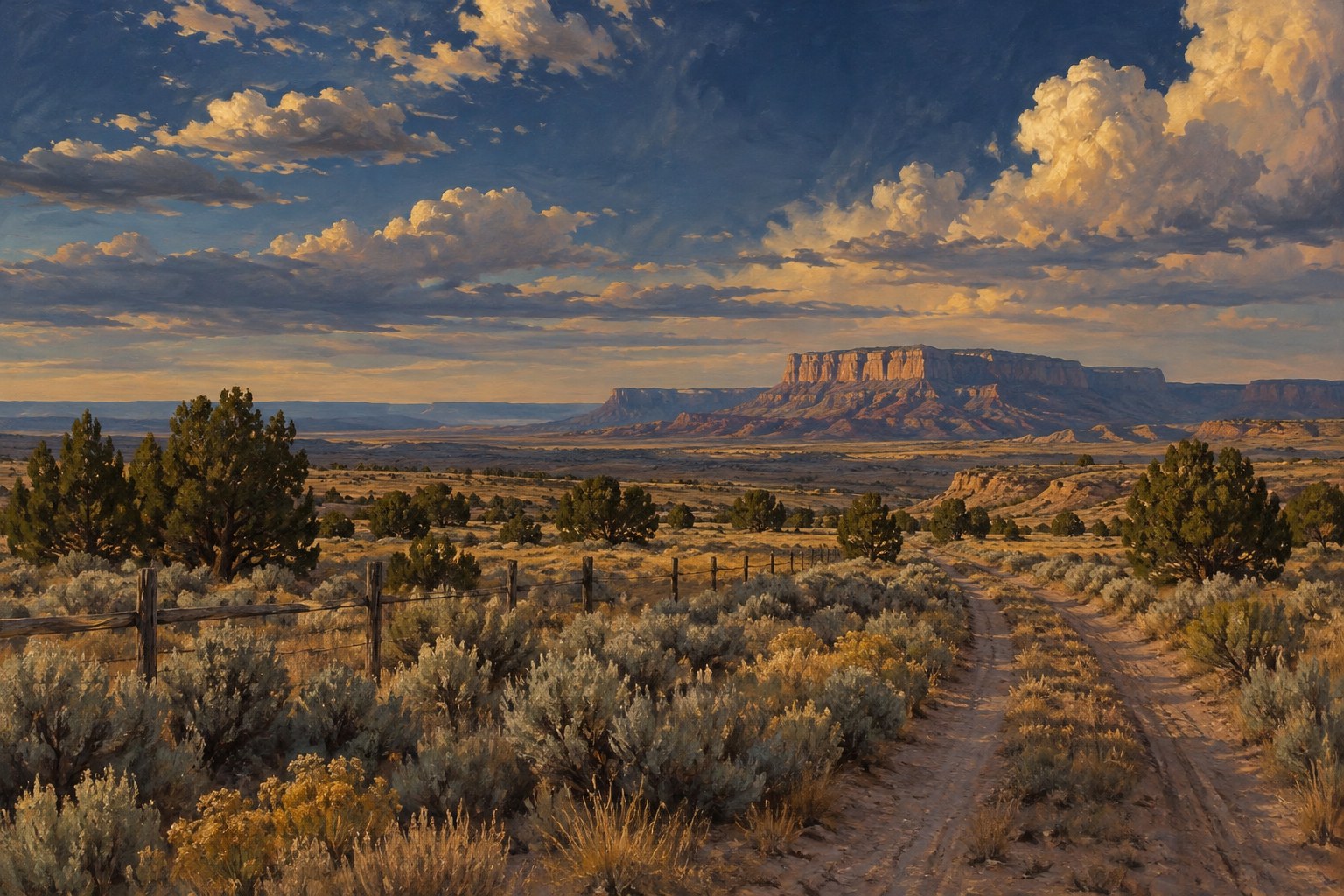
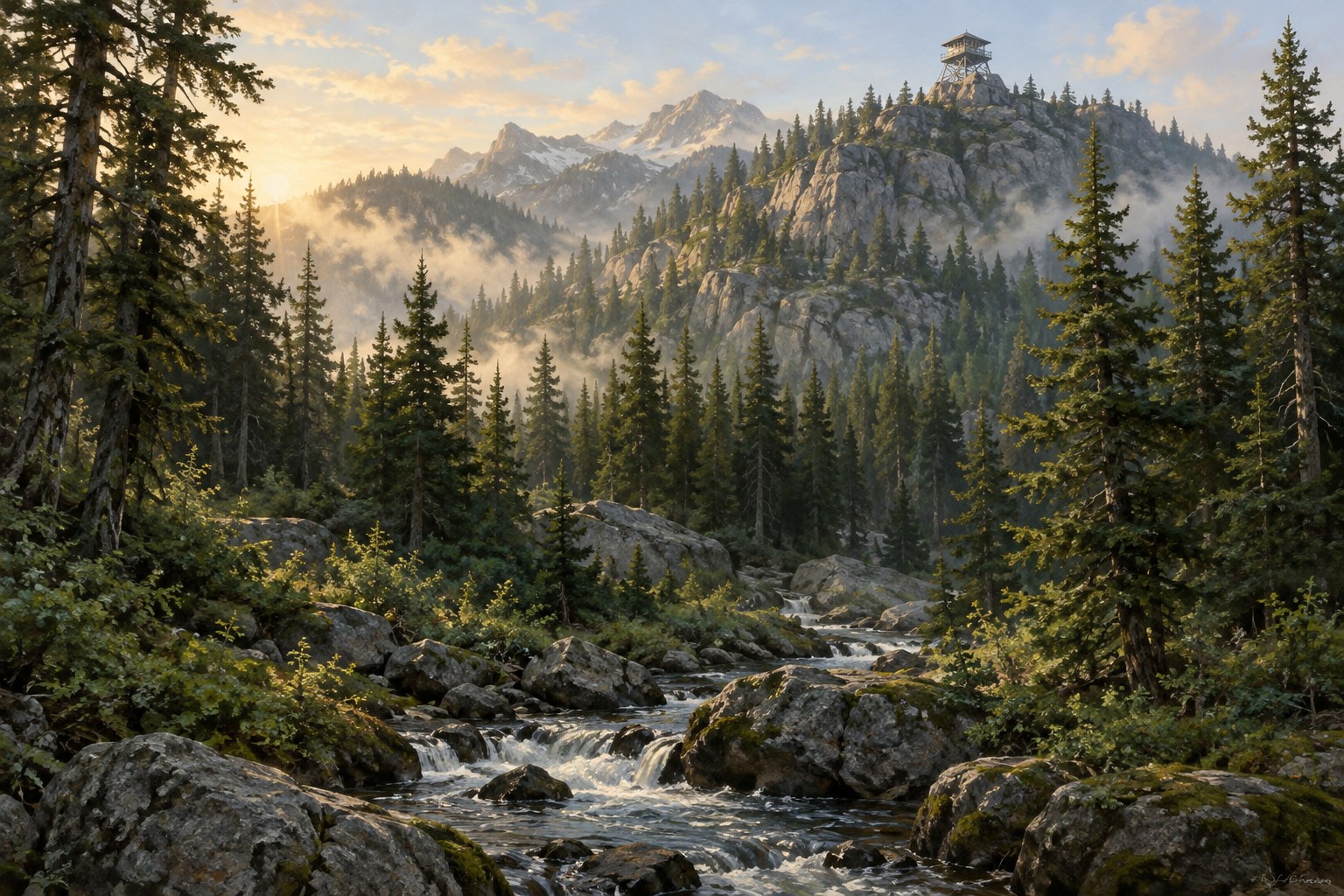
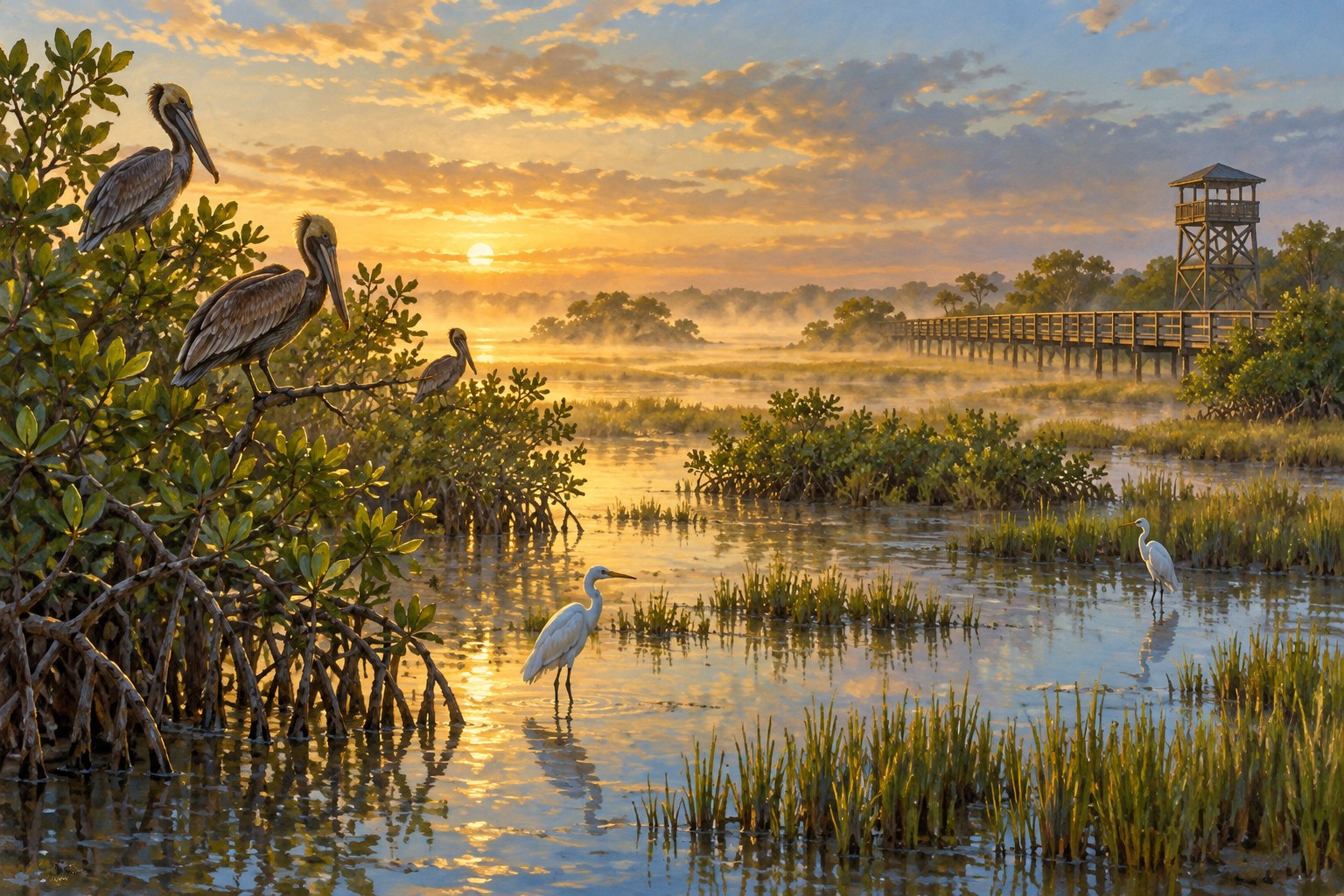

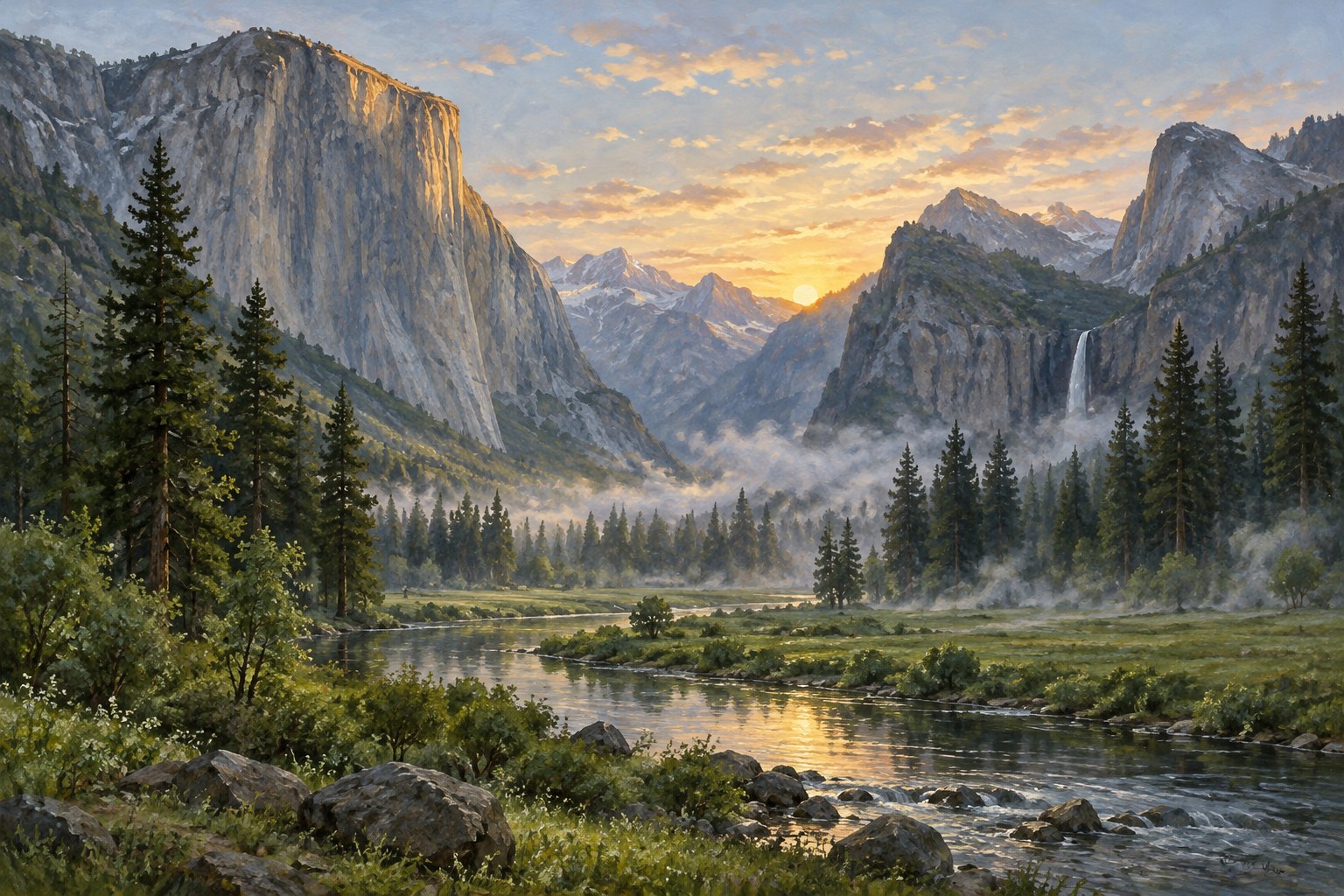
Yellowstone became the world's first national park in 1872, and the National Park Service was created in 1916 to preserve parks unimpaired for future generations. The system now has more than 430 units, including 63 national parks plus monuments, battlefields, seashores, and historic sites. Parks drew a record 331.9 million visits in 2024 and about 323 million in 2025. The Great American Outdoors Act of 2020 funded repairs to a maintenance backlog of more than 20 billion dollars, and since 2025 the Park Service has lost nearly a quarter of its staff, according to a parks advocacy group.
See the laws that protect air, water, and wildlife in who protects air and water, how tribes govern their own lands in tribal sovereignty explained, or how disasters such as wildfires are handled in how disasters are handled.