Nuclear Power Licensing
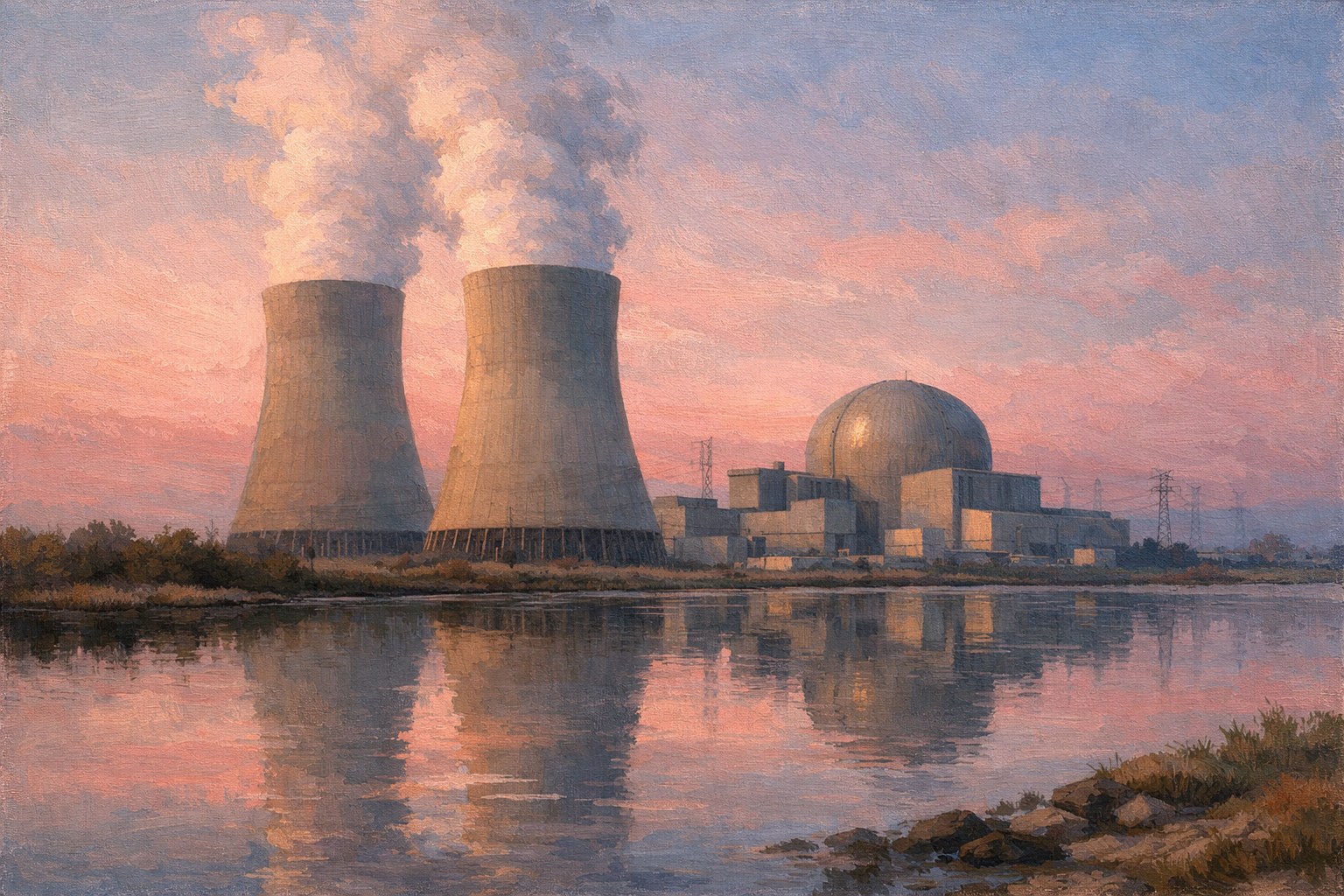
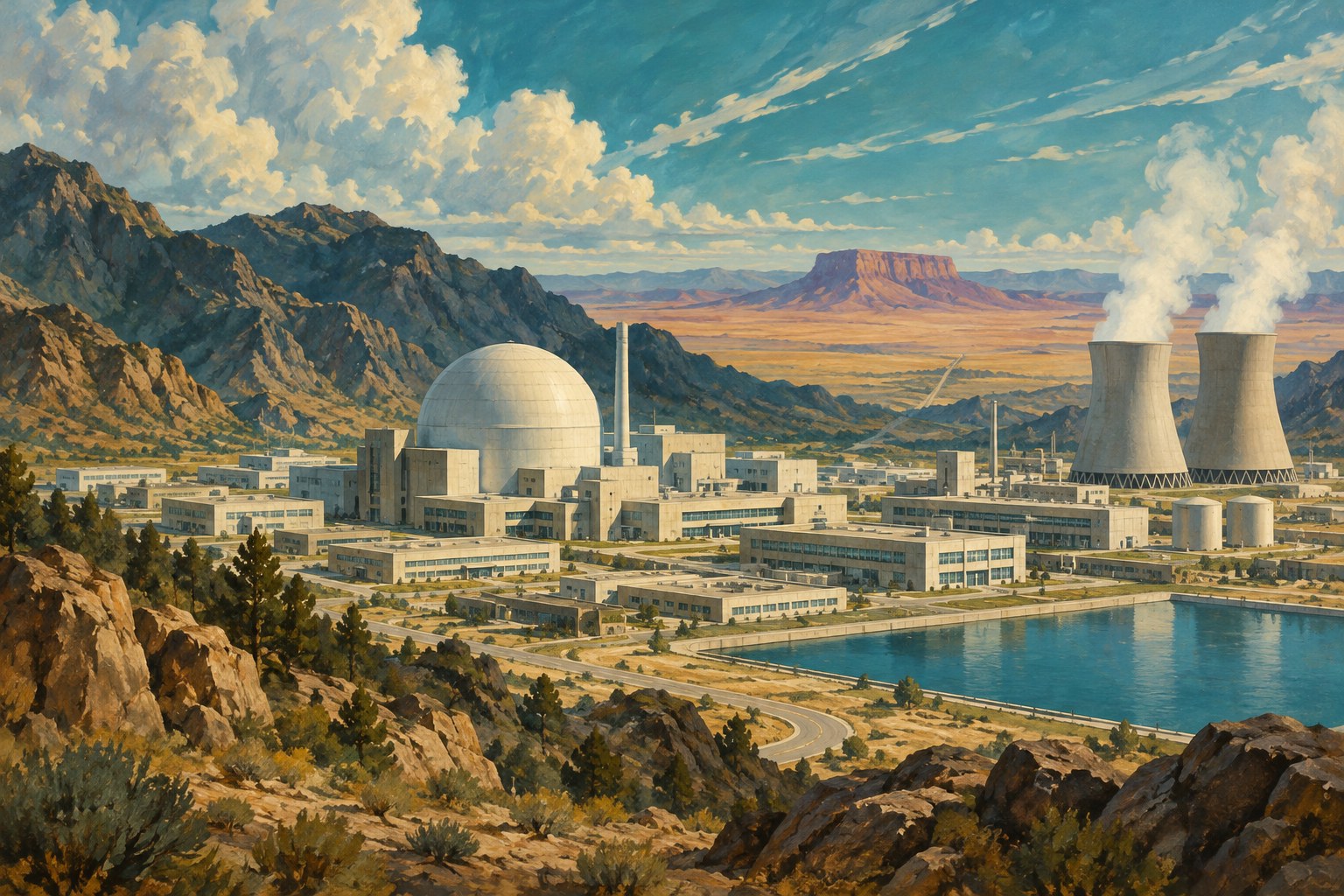
The Atomic Energy Act of 1954 opened nuclear power to private companies, and the Energy Reorganization Act of 1974 created the Nuclear Regulatory Commission to license and inspect reactors, separate from the agency that promotes nuclear energy. About 94 commercial reactors at 54 plants supply roughly 19 percent of the nation's electricity and nearly half its carbon-free power. Most were built in the 1970s and 1980s, and many have received license extensions to run 60 or 80 years.
New reactors need NRC approval of their design, site, and construction and operation, a process that has taken many years and cost hundreds of millions of dollars. After the 1979 Three Mile Island accident, rules tightened and orders for new plants stopped. The only reactors completed in recent decades, Vogtle Units 3 and 4 in Georgia, came online in 2023 and 2024, years late and billions over budget. A growing number of companies are designing small modular and advanced reactors.
The ADVANCE Act of 2024, passed with broad bipartisan support, directed the NRC to speed and modernize licensing. In May 2025 the President signed four executive orders setting a goal of quadrupling nuclear capacity to 400 gigawatts by 2050, giving the NRC 18 months to decide on new reactor applications, and launching a pilot program to build test reactors outside the NRC process. Supporters say nuclear power provides reliable carbon-free electricity for growing demand. Critics worry that rushing approvals and weakening the NRC's independence could compromise safety, and note the unsolved problem of storing spent fuel.
| Status | Active |
| Legal basis | 42 U.S.C. 2011 and following, and 42 U.S.C. 5841 |
| Official site | nrc.gov |
| Regulator | Nuclear Regulatory Commission |
| Operating reactors | About 94 |
| Share of electricity | About 19 percent |
| Newest units | Vogtle 3 and 4 (2023 and 2024) |
| 2025 goal | 400 gigawatts by 2050 |
| Date | NRC created by the Energy Reorganization Act of 1974 |