Uniform Code of Military Justice UCMJ
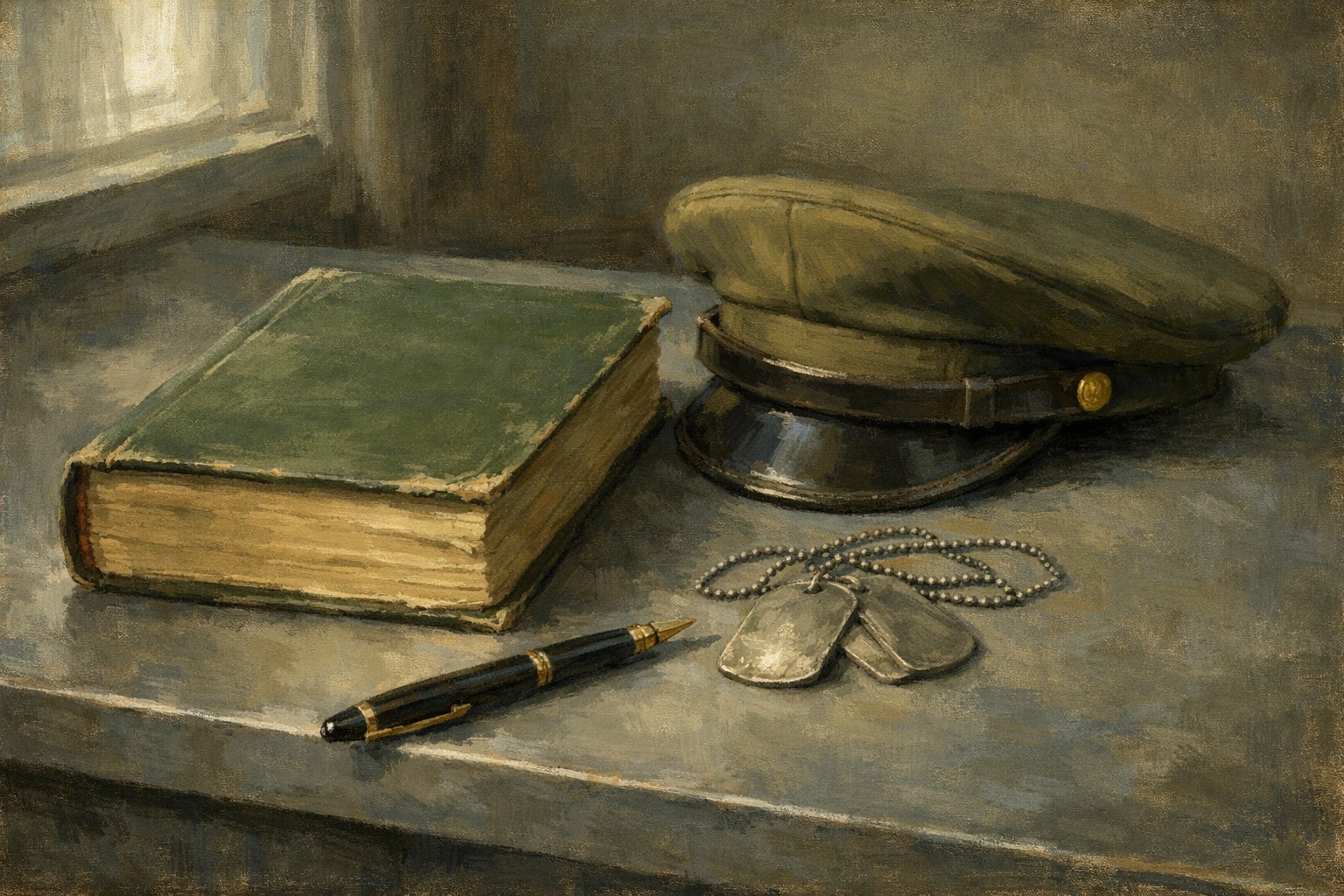
Article I of the Constitution gives Congress power to make rules for the government and regulation of the land and naval forces. For most of American history each service had its own code, such as the Articles of War, and complaints about harsh and arbitrary justice in World War II, when about 2 million courts-martial were held, led Congress to replace them with one law. Harry Truman signed the Uniform Code of Military Justice on May 5, 1950, and it took effect in 1951.
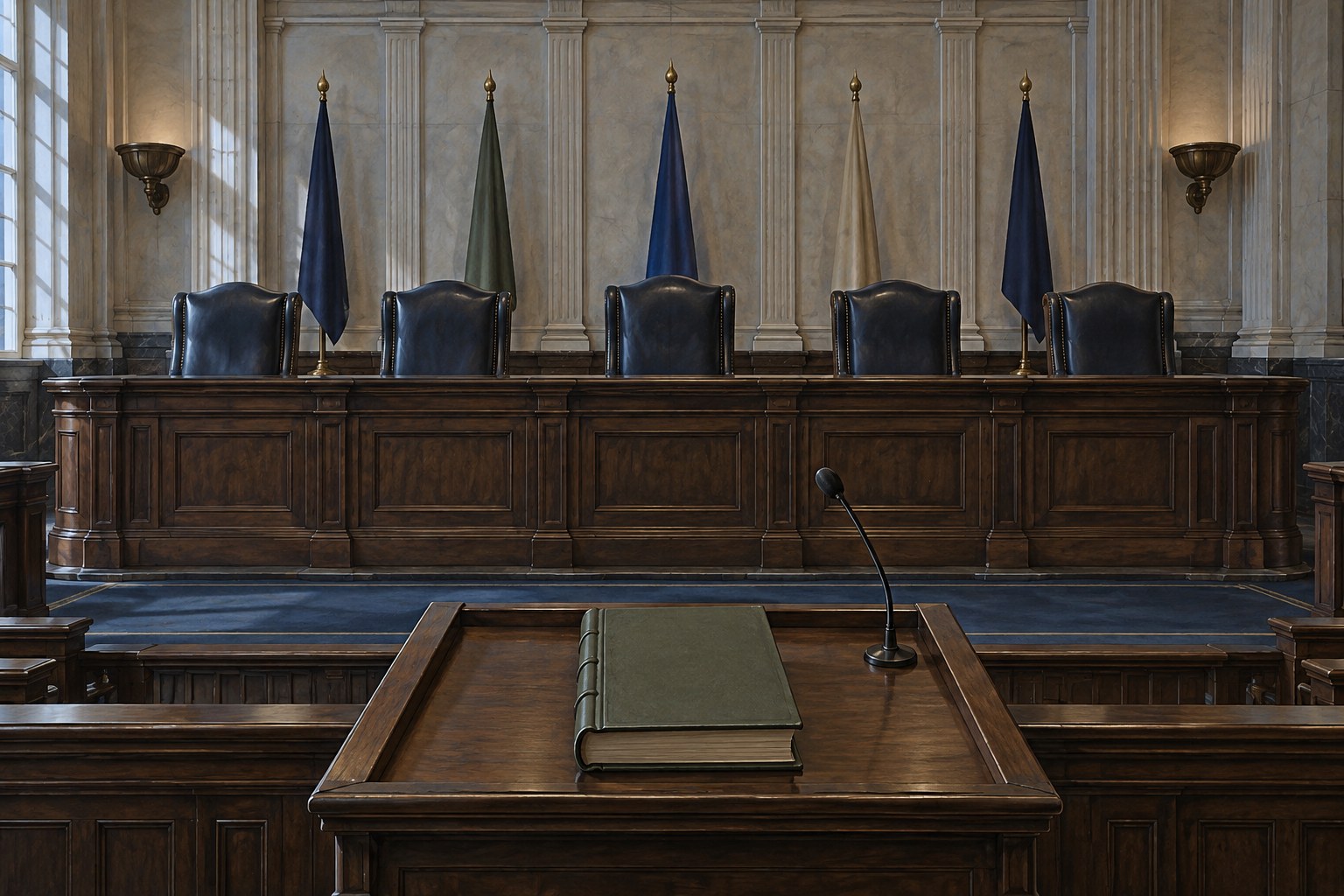
The code applies to active-duty members, reservists on duty, military academy cadets, and in some cases retirees and civilians accompanying forces in war. It includes ordinary crimes such as murder, theft, and sexual assault, and military offenses with no civilian equal, such as desertion, absence without leave, disrespect toward superior officers, disobeying a lawful order, and conduct unbecoming an officer. Article 88 bars commissioned officers from using contemptuous words against the President and other senior officials. The President fills in details in the Manual for Courts-Martial.
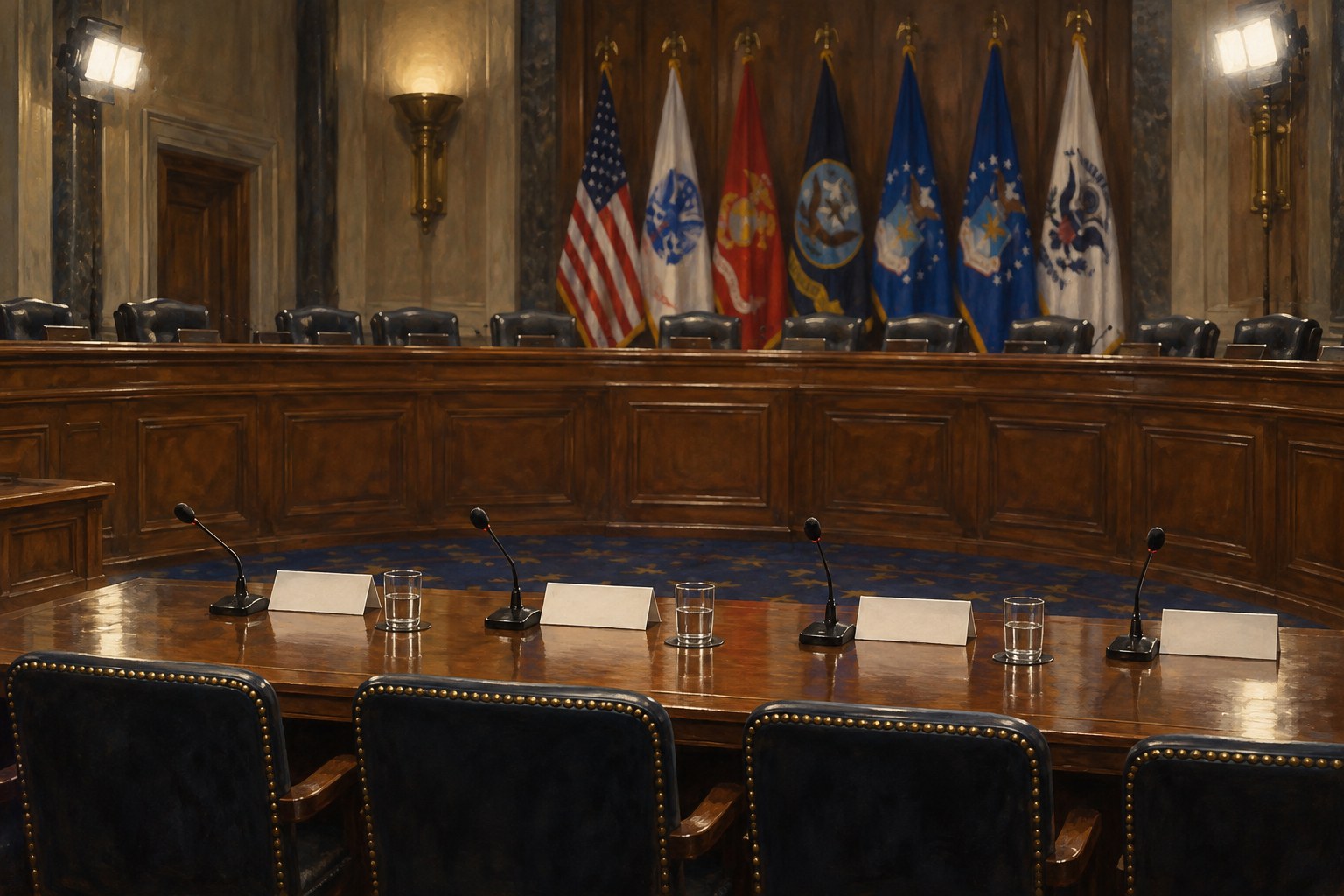
Congress has revised the code often, with major reforms in 1968, 1983, and 2016. After years of criticism over sexual assault cases, a 2021 law took decisions about prosecuting sexual assault, murder, and other serious crimes away from commanders and gave them to independent Offices of Special Trial Counsel starting in December 2023. Supporters of the separate system say discipline requires it, while critics say commanders still have too much influence and that service members have fewer rights than civilians.
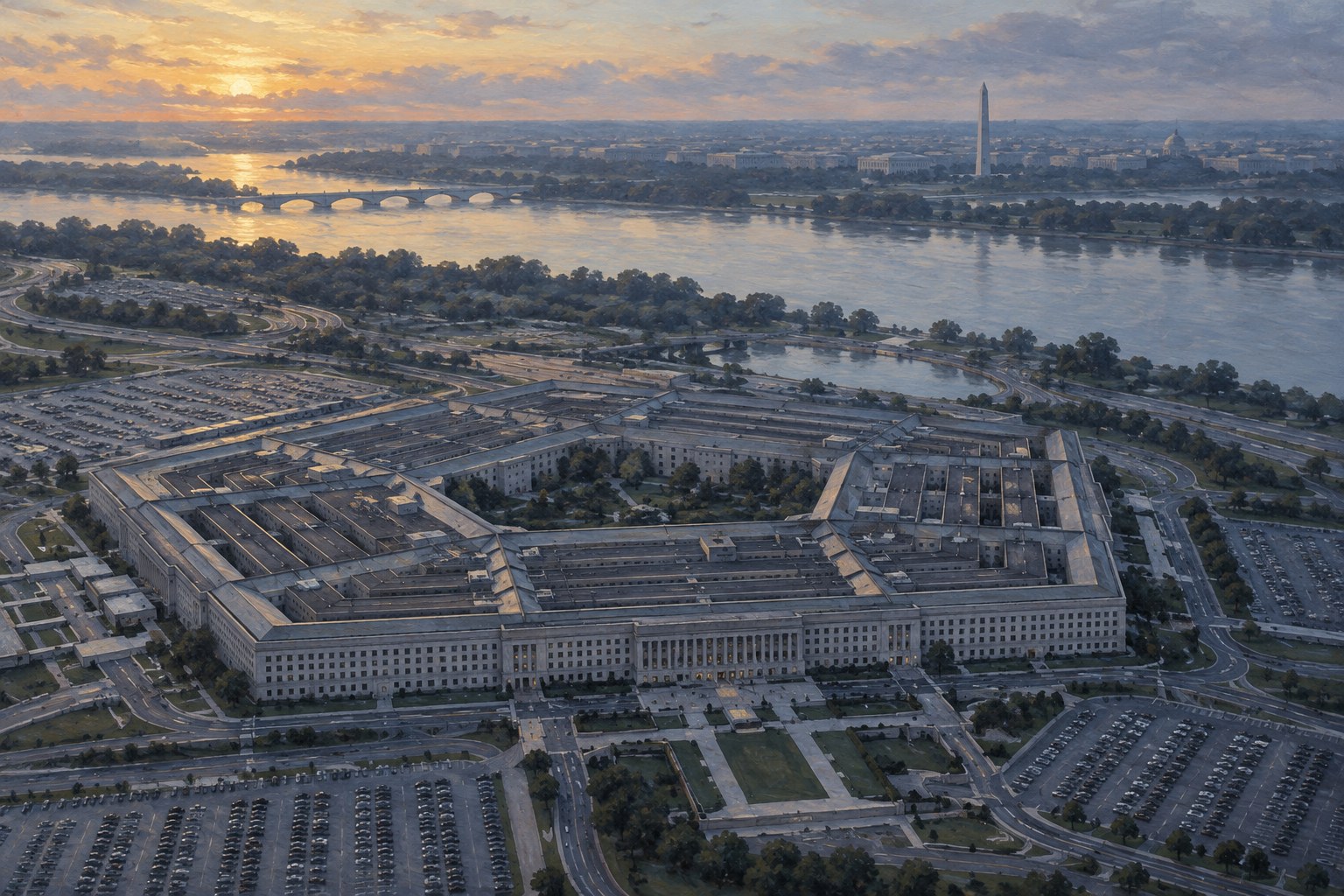
| Status | Active |
| Abbreviation | UCMJ |
| Legal basis | 10 U.S.C. 801 to 946a |
| Official site | jsc.defense.gov |
| Signed | May 5, 1950 |
| Effective | May 31, 1951 |
| Covers | Active duty, reservists on duty, cadets, some retirees |
| Details set by | Manual for Courts-Martial (executive order) |
| Major reform | Offices of Special Trial Counsel, December 2023 |
| Date | Signed May 5, 1950 |