The Antiquities Act and National Monuments
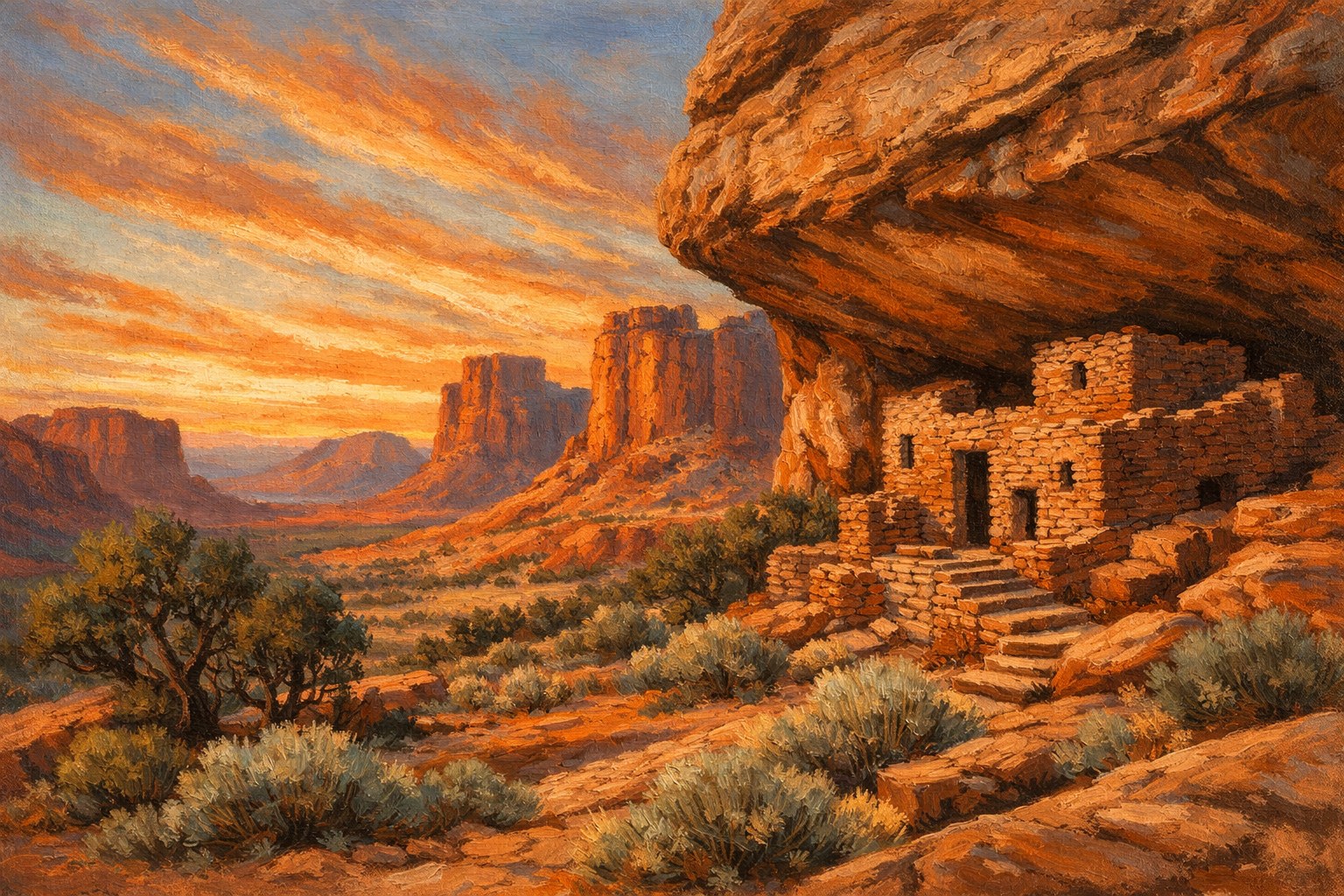
Congress passed the Antiquities Act on June 8, 1906, to stop looting of Native American ruins and artifacts on federal land in the Southwest. It lets the President declare landmarks, structures, and objects of historic or scientific interest on federal land to be national monuments, limited to the smallest area compatible with their protection. Theodore Roosevelt used it that year for Devils Tower in Wyoming and in 1908 for more than 800,000 acres of the Grand Canyon, which later became a national park.
Presidents of both parties have since created more than 150 monuments, from the Statue of Liberty to huge desert and ocean areas, and many, like Zion and Acadia, later became national parks. Monuments are managed by the National Park Service, the Bureau of Land Management, the Forest Service, the Fish and Wildlife Service, or NOAA. Large land and marine monuments created since the 1990s limit new mining, drilling, and other development, which has made the law a flashpoint in Western states.
The law says nothing about undoing monuments. In 2017 President Trump cut Bears Ears National Monument in Utah by about 85 percent and Grand Staircase-Escalante by nearly half, President Biden restored them in 2021, and in July 2026 the President again cut both by about 90 percent. A 2025 Justice Department legal opinion concluded Presidents can abolish monuments entirely, reversing a 1938 opinion that they cannot. Tribes, conservation groups, and others have sued, arguing only Congress can shrink a monument, while supporters say Presidents who can create monuments can also change them.
| Status | Active |
| Legal basis | 54 U.S.C. 320301 to 320303 |
| Official site | nps.gov |
| Enacted | June 8, 1906 |
| Who designates | The President, on federal land |
| Monuments created | More than 150 |
| First use | Devils Tower, 1906 |
| 2026 action | Bears Ears and Grand Staircase cut about 90 percent |
| Date | Signed June 8, 1906 |
| Location | Bears Ears, Utah |