Endangered Species Act ESA
Richard Nixon signed the Endangered Species Act on December 28, 1973, after it passed with near-unanimous support. The Fish and Wildlife Service, for land and freshwater species, and NOAA Fisheries, for marine species, list species as endangered or threatened based on the best available science, without considering economic costs. More than 1,600 species found in the United States are listed. The law bans killing, harming, or harassing listed animals, called a take, and requires federal agencies to make sure their actions do not jeopardize listed species.
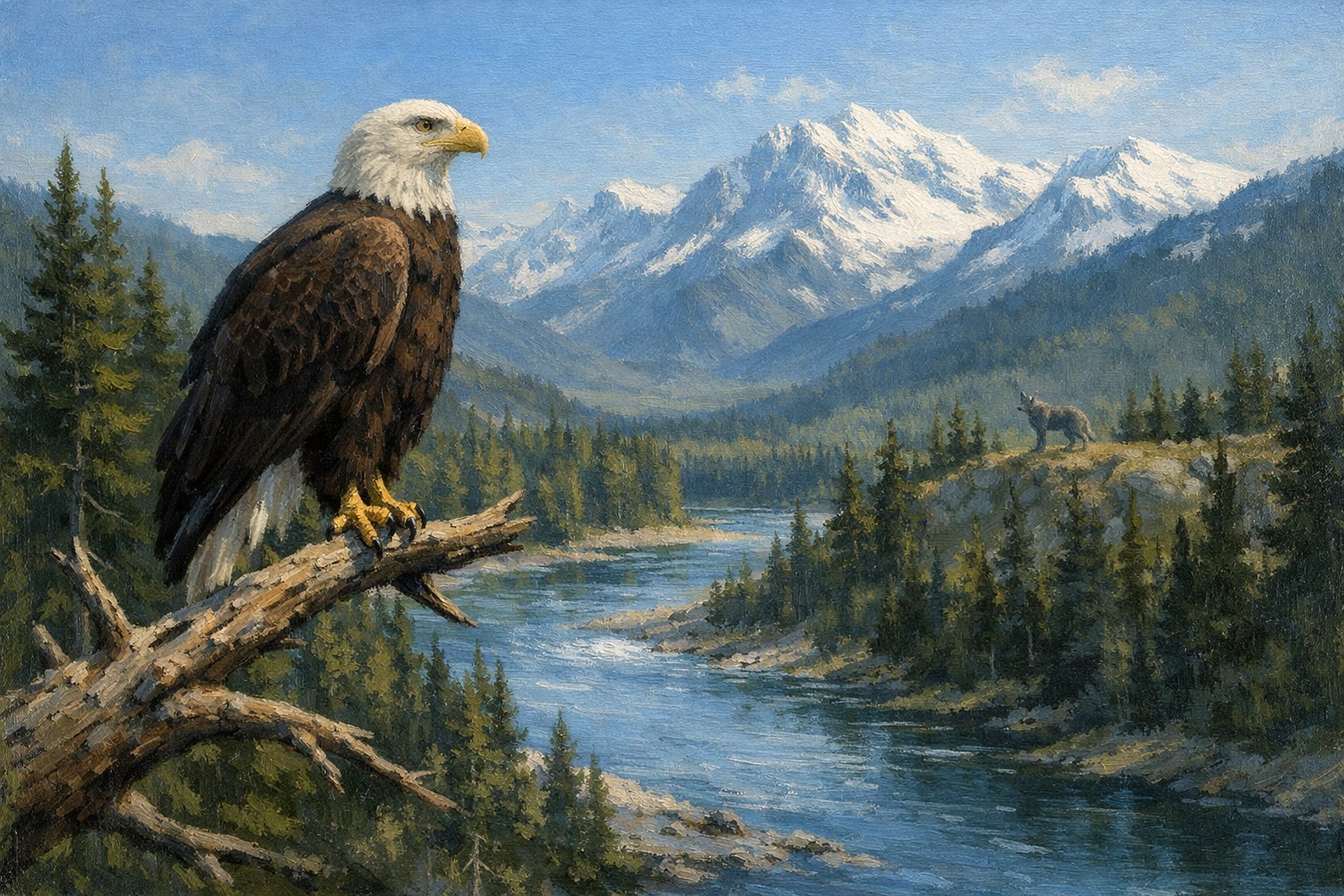
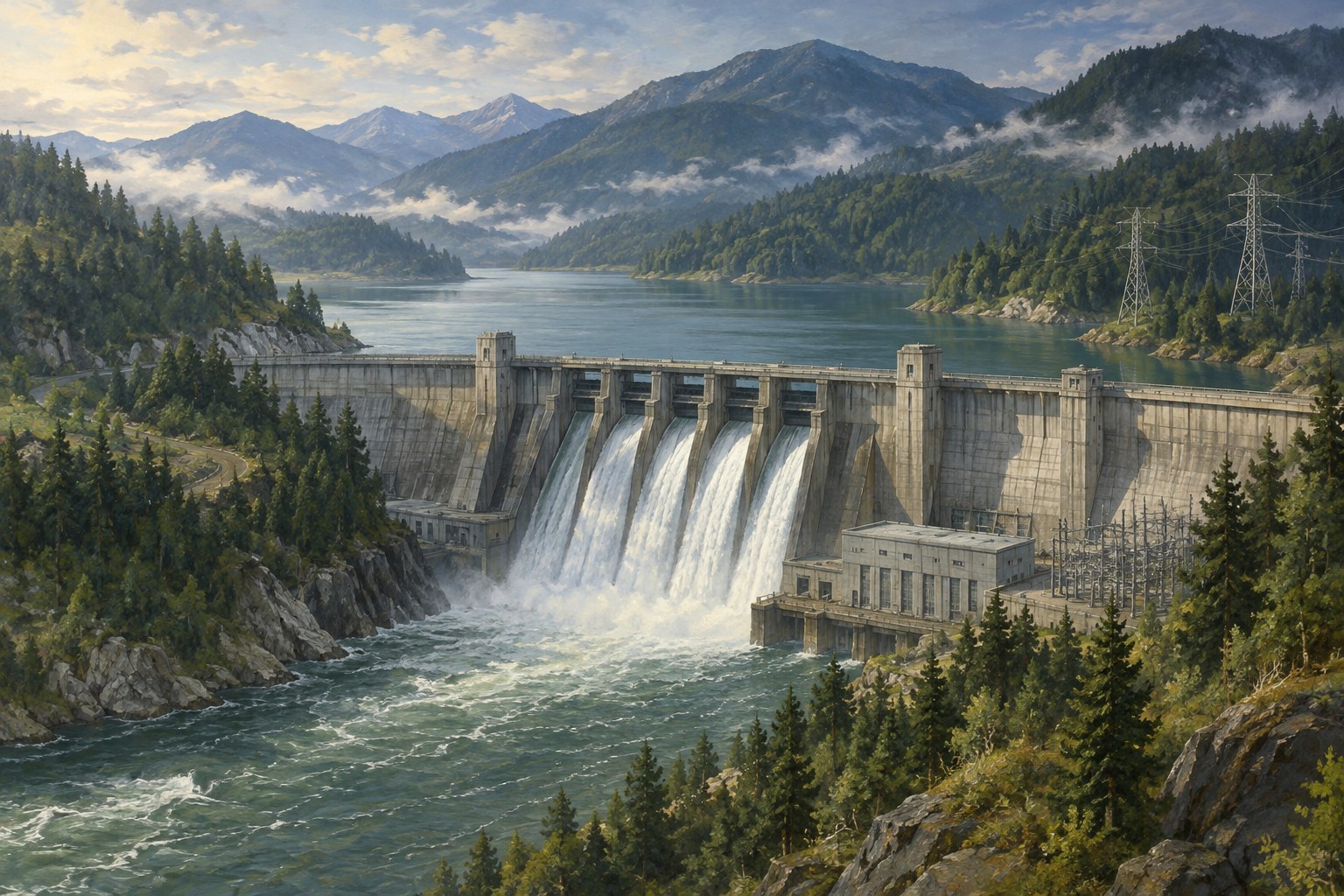
The agencies designate critical habitat and write recovery plans, and private landowners can obtain permits for incidental harm if they adopt conservation plans. The law gained notoriety in TVA v. Hill in 1978, when the Supreme Court halted a nearly finished dam to protect the snail darter, a fish, leading Congress to create a high-level committee, nicknamed the God Squad, that can exempt projects. Recovered species include the bald eagle, removed from the list in 2007, the American alligator, and the peregrine falcon.
Supporters say the law has prevented about 99 percent of listed species from going extinct. Critics, including many ranchers, developers, and energy companies, say it restricts land use, recovers few species fully, and imposes costs without compensation. In July 2026 the wildlife agencies rescinded the long-standing regulation that defined harm to include significant habitat modification, which the Supreme Court had upheld in 1995, a change challenged in court by conservation groups.



| Status | Active |
| Abbreviation | ESA |
| Legal basis | 16 U.S.C. 1531 and following |
| Official site | fws.gov |
| Signed | December 28, 1973 |
| Run by | Fish and Wildlife Service and NOAA Fisheries |
| U.S. species listed | More than 1,600 |
| Key case | TVA v. Hill (1978) |
| 2026 change | Habitat-based harm definition rescinded in July |
| Date | Signed December 28, 1973 |