How the Press Covers Government: Briefings, Pools, and Access
Key takeaways
- The First Amendment bars government from censoring the press, but it does not guarantee reporters access to officials or buildings, which is decided by policy and sometimes by courts.
- A rotating pool of about 13 journalists follows the President and shares reports with other outlets. In 2025 the White House took over choosing the pool and barred the Associated Press from small spaces.
- In Congress, reporters credential themselves through committees of correspondents, a system dating to 1879.
- In 2025 the Pentagon required reporters to accept new limits, most major outlets left the building, and a judge ruled in March 2026 that the policy discriminated by viewpoint.
- Public records laws such as FOIA let anyone request documents, and leaks of classified information can be prosecuted under the Espionage Act.
- Congress ended funding for public broadcasting in 2025, and the Corporation for Public Broadcasting voted to dissolve in January 2026.
A free press is often called the fourth estate because it informs the public and holds officials accountable. How much access reporters get depends on the branch and agency, on long traditions, and increasingly on court fights.
This guide explains how the press covers each part of the government, the legal rules that protect and limit it, and the recent battles over access and public media.
Congress is the most open branch. Reporters credentialed through galleries run by committees of correspondents since 1879 can roam the hallways near the chambers and question members on their way to votes. House and Senate floor proceedings have been televised since 1979 and 1986, and most hearings are streamed online. Members hold their own press conferences and use social media to reach voters directly.
The federal government has funded public broadcasting since 1967 and international broadcasters such as Voice of America since World War II. In 2025 the administration moved to shut down Voice of America and other U.S. Agency for Global Media outlets, and Congress rescinded about 1.1 billion dollars for the Corporation for Public Broadcasting, which voted to dissolve in January 2026. Supporters said public media was biased and no longer needed, while critics said rural stations and audiences abroad would lose reliable news. Broader debates involve FCC pressure on broadcasters, lawsuits by officials against news outlets, and trust in the media.
The Freedom of Information Act lets anyone request federal records, though agencies withhold classified, private, and some other material and requests can take months or years. Much reporting relies on unnamed sources and leaks. The government cannot easily punish publication, but it can prosecute leakers under the Espionage Act, and prosecutors have sometimes sought reporters' records. There is no federal shield law protecting journalists' sources, though most states have one.
The First Amendment says Congress shall make no law abridging the freedom of the press. The Supreme Court has made it very hard for the government to stop publication in advance, refusing to block the Pentagon Papers in 1971, and in New York Times v. Sullivan in 1964 it required public officials suing for libel to prove a false statement was made knowingly or recklessly. But the Constitution does not require officials to talk to reporters or let them into the Oval Office, so access is mostly a matter of policy and tradition.

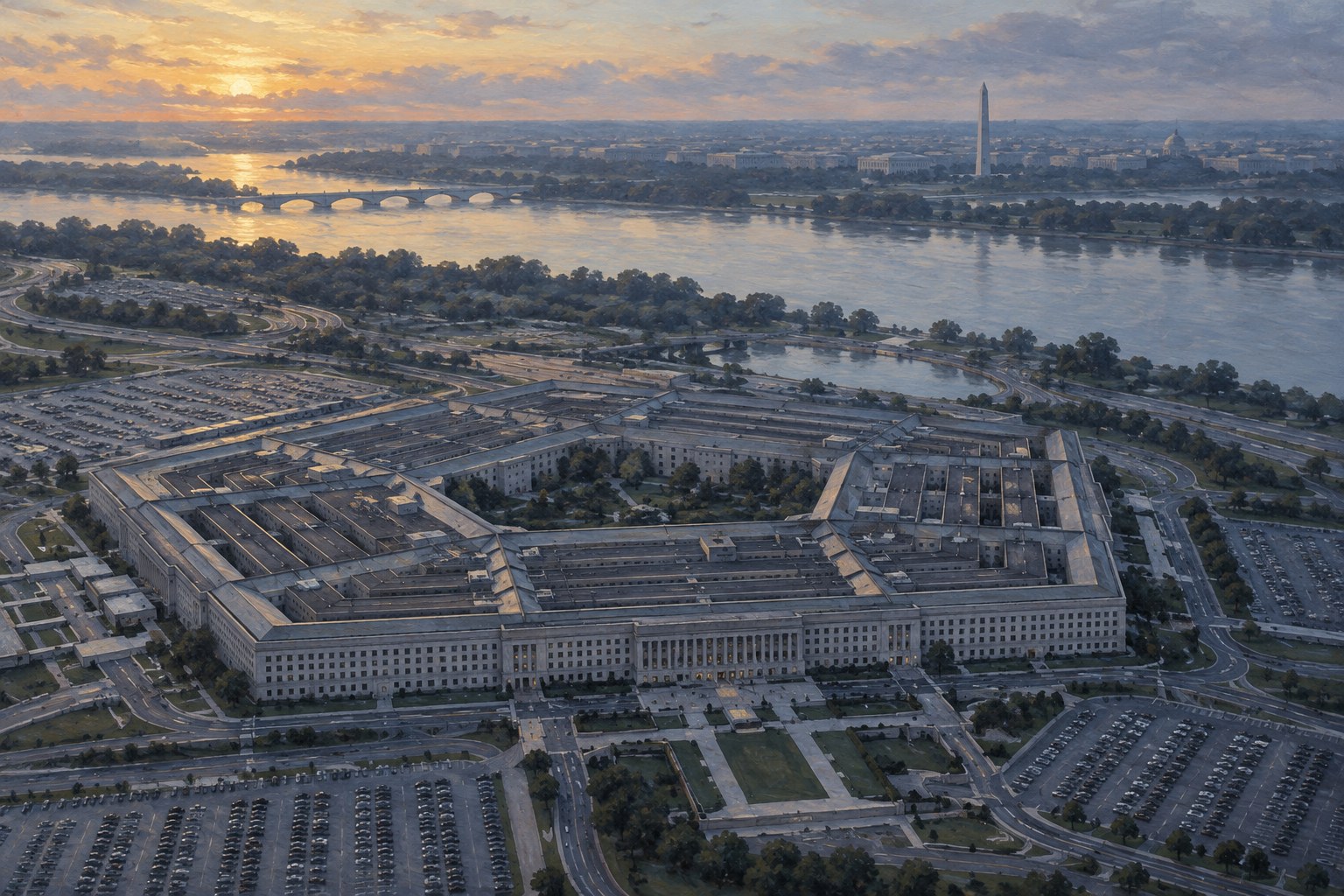
Each department has public affairs staff who answer questions, arrange interviews, and hold briefings. In 2025 the Defense Department required credentialed reporters to agree not to seek unauthorized information, and most major news organizations, including some conservative ones, gave up their credentials rather than sign. In March 2026 a federal judge ruled for the New York Times that the policy was illegal viewpoint discrimination, and the Pentagon responded by moving reporters out of their offices in the building while it appealed.
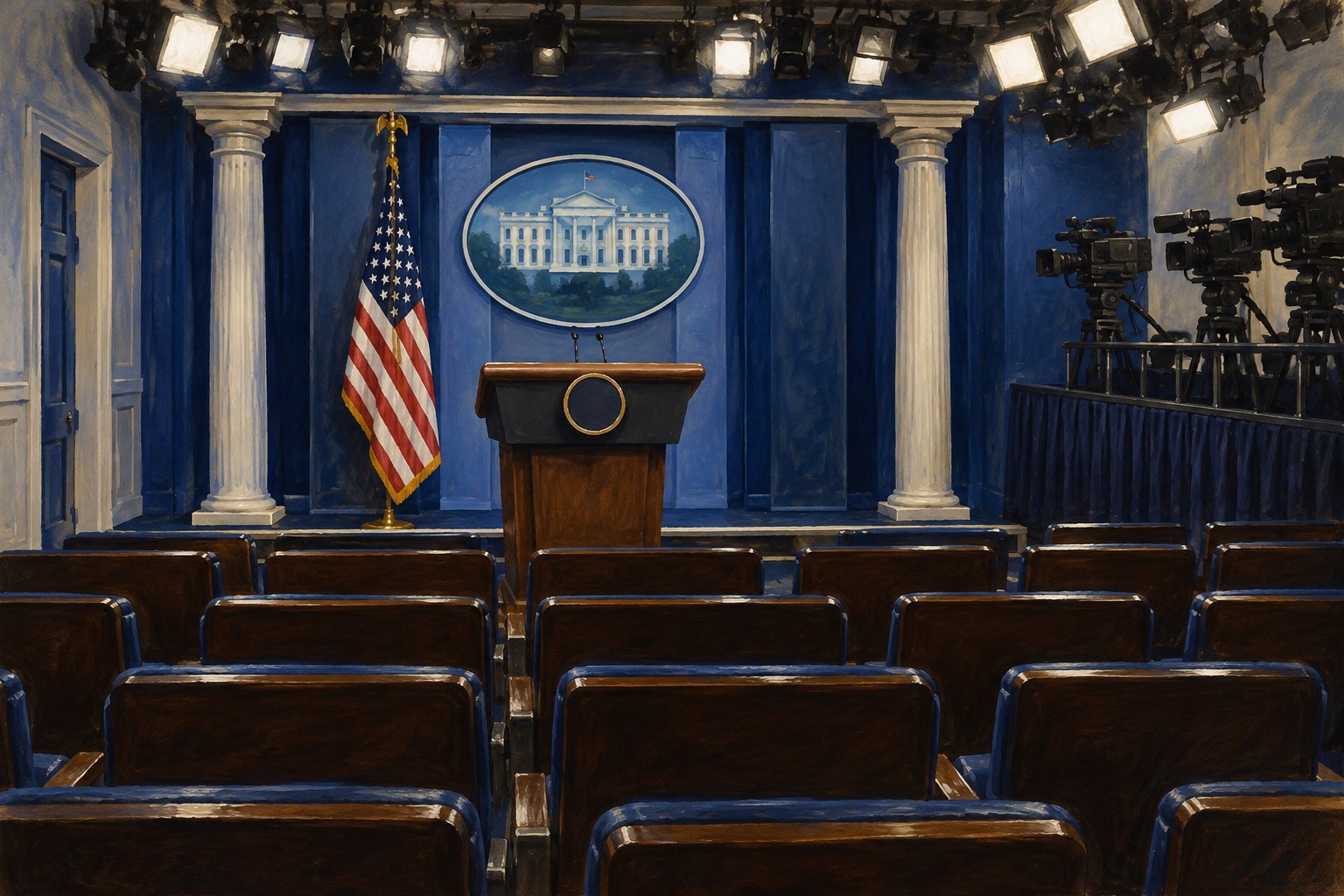
The press secretary holds briefings in the James S. Brady Press Briefing Room, which has 49 assigned seats, and the President takes questions at events. A rotating pool of about 13 journalists follows the President in the Oval Office, on Air Force One, and in the motorcade and shares its reports. In February 2025 the White House took over choosing pool members from the correspondents association and barred the Associated Press from the pool over its style on the Gulf of Mexico. An appeals court let the exclusion continue from small spaces in 2025 while the case went on.
See how to get records yourself in how to file a FOIA request, or how secrets are kept in how government secrets work.