The White House Press Corps
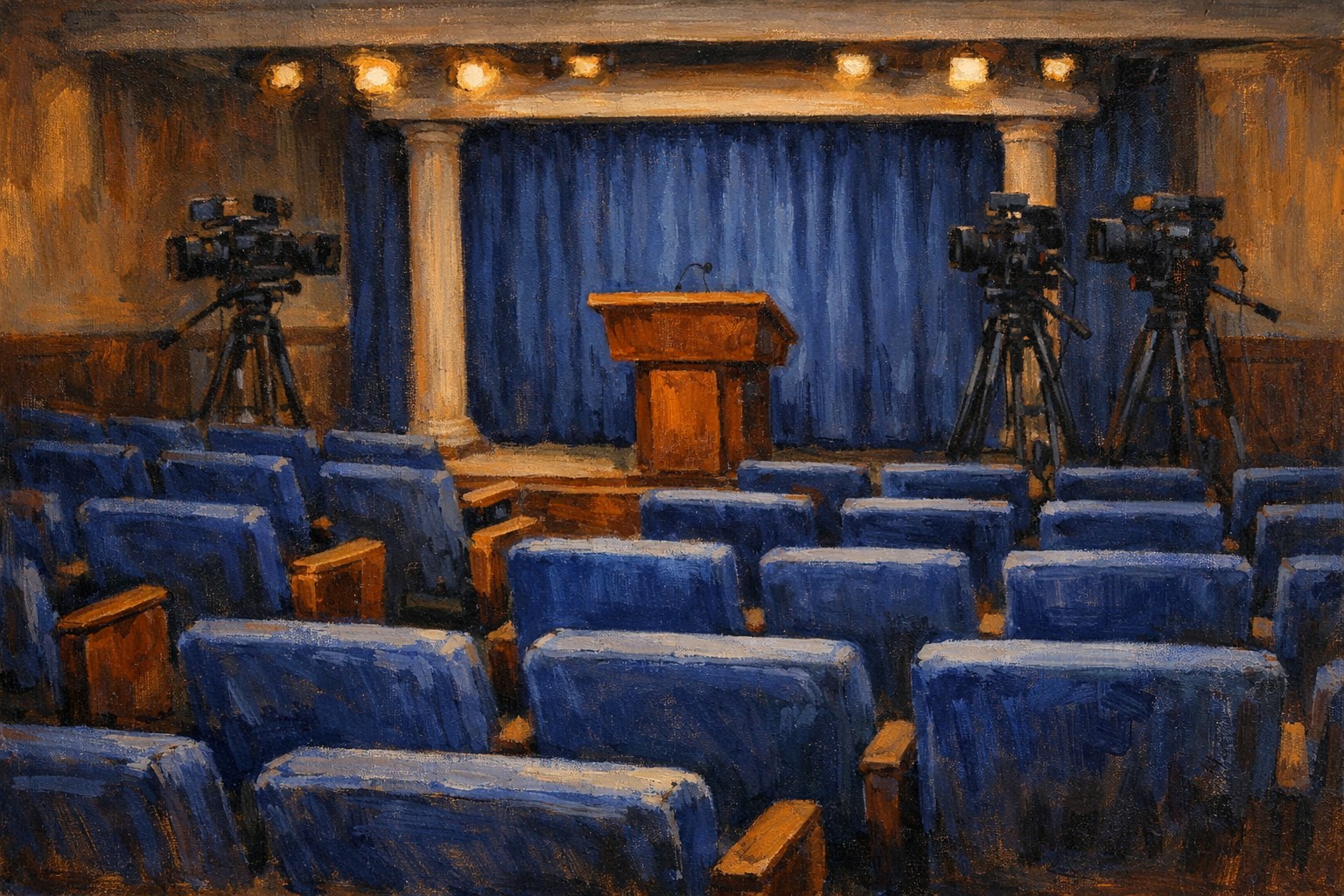
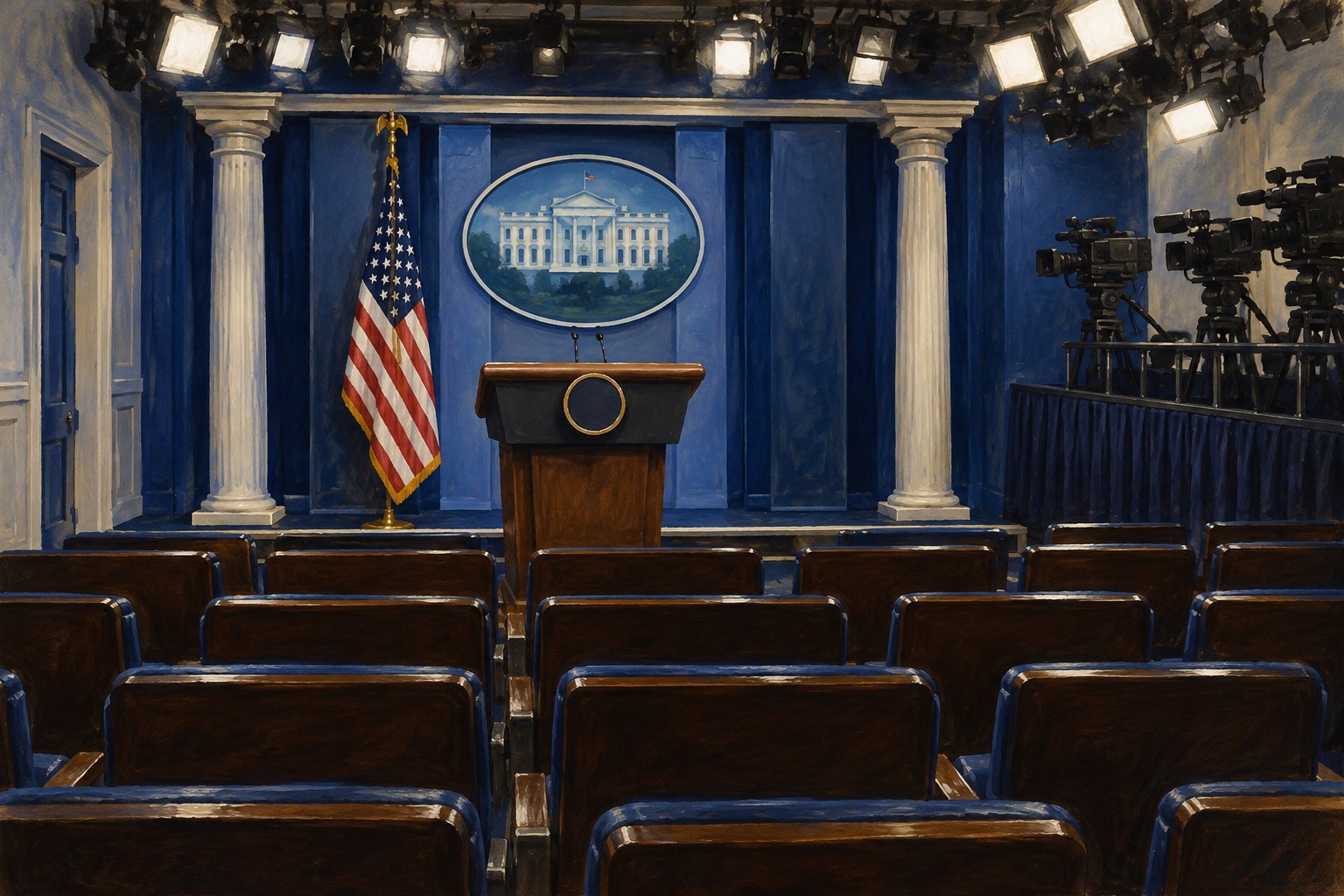
Reporters have covered the White House since the 1890s, and Theodore Roosevelt gave them a room in the West Wing in 1902. The White House Correspondents' Association, founded in 1914, represents them. Franklin Roosevelt held about 1,000 press conferences, Dwight Eisenhower's were filmed for television beginning in 1955, and John Kennedy held the first live televised one in 1961. The briefing room, built over a former swimming pool in 1970, has 49 assigned seats and was named for press secretary James Brady in 2000.
Because space is limited, a rotating press pool of about 13 journalists, including wire services, a TV crew, radio, print reporters, and photographers, follows the President in the Oval Office, on Air Force One, and in the motorcade, and shares its reports with all other outlets. The press secretary holds briefings, and the President often takes questions at events. For a century the correspondents' association decided which outlets were in the pool.
In February 2025 the White House took control of pool assignments from the association, added new and conservative outlets, and barred the Associated Press from the pool after it kept using the name Gulf of Mexico. A judge ordered AP's access restored in April 2025, but an appeals court let the exclusion continue from small spaces such as the Oval Office and Air Force One while the case went on. The White House said it was opening access to more outlets, while press groups said the government was punishing coverage it disliked.
| Status | Active |
| Legal basis | White House press policies (no statute) |
| Official site | whca.press |
| West Wing press room | Since 1902 |
| Correspondents association | Founded 1914 |
| Briefing room seats | 49 |
| Press pool | About 13 journalists |
| 2025 change | White House took over pool selection in February |
| Date | Correspondents association founded 1914 |
| Location | James S. Brady Press Briefing Room, White House |