How Government Secrets Work: Classification, Clearances, and Leaks
Key takeaways
- Most government secrets are classified under a presidential executive order, not a law, at three levels: Confidential, Secret, and Top Secret.
- About 4 million people hold clearances. A clearance requires a background investigation, and access also requires a need to know.
- The most sensitive intelligence may be read only in accredited secure rooms called SCIFs, where phones are not allowed.
- The President, Vice President, and members of Congress get access by virtue of office, without a clearance. Some covert actions are briefed only to eight congressional leaders.
- Officials who leak are prosecuted under the Espionage Act of 1917, which allows no public interest defense. American reporters have not been prosecuted for publishing leaks.
- Most records are reviewed for automatic release after 25 years, but agencies can exempt them, and officials across the spectrum agree far too much is classified.
The federal government keeps millions of secrets, from war plans and intelligence sources to nuclear designs and diplomatic cables. The rules for creating, guarding, sharing, and releasing them come mostly from presidential orders, backed by criminal laws and checked by Congress and the courts.
This guide follows a secret through its life, from classification to declassification, and sets out the debates over overclassification, leaks, and political control of clearances.
Classification rests mainly on Executive Order 13526 of 2009, not on a statute. It sets three levels: Confidential for information whose release could damage national security, Secret for serious damage, and Top Secret for exceptionally grave damage. Only designated officials, called original classification authorities, may create a secret, and only in listed categories such as military plans, intelligence sources, and foreign relations. The order forbids classifying information to hide lawbreaking, inefficiency, or embarrassment. Above Top Secret sit compartments for especially sensitive intelligence and special access programs. Nuclear weapons data is classified separately under the Atomic Energy Act from the moment it is created. The Information Security Oversight Office at the National Archives oversees the system.

Classified records are supposed to carry an end date, and records of permanent value are automatically declassified at 25 years unless an agency exempts them, with later reviews at 50 and 75 years. The public can request specific documents through mandatory declassification review or the Freedom of Information Act, and denials can be appealed. Congress and Presidents also order releases directly, as with the 2025 order to release the remaining records on the assassinations of John Kennedy, Robert Kennedy, and Martin Luther King Jr. In court, the government can use the state secrets privilege to keep evidence out of lawsuits or end them. Officials of both parties and outside reviewers agree that far too much is classified and too little released, but proposals to overhaul the system have repeatedly stalled.



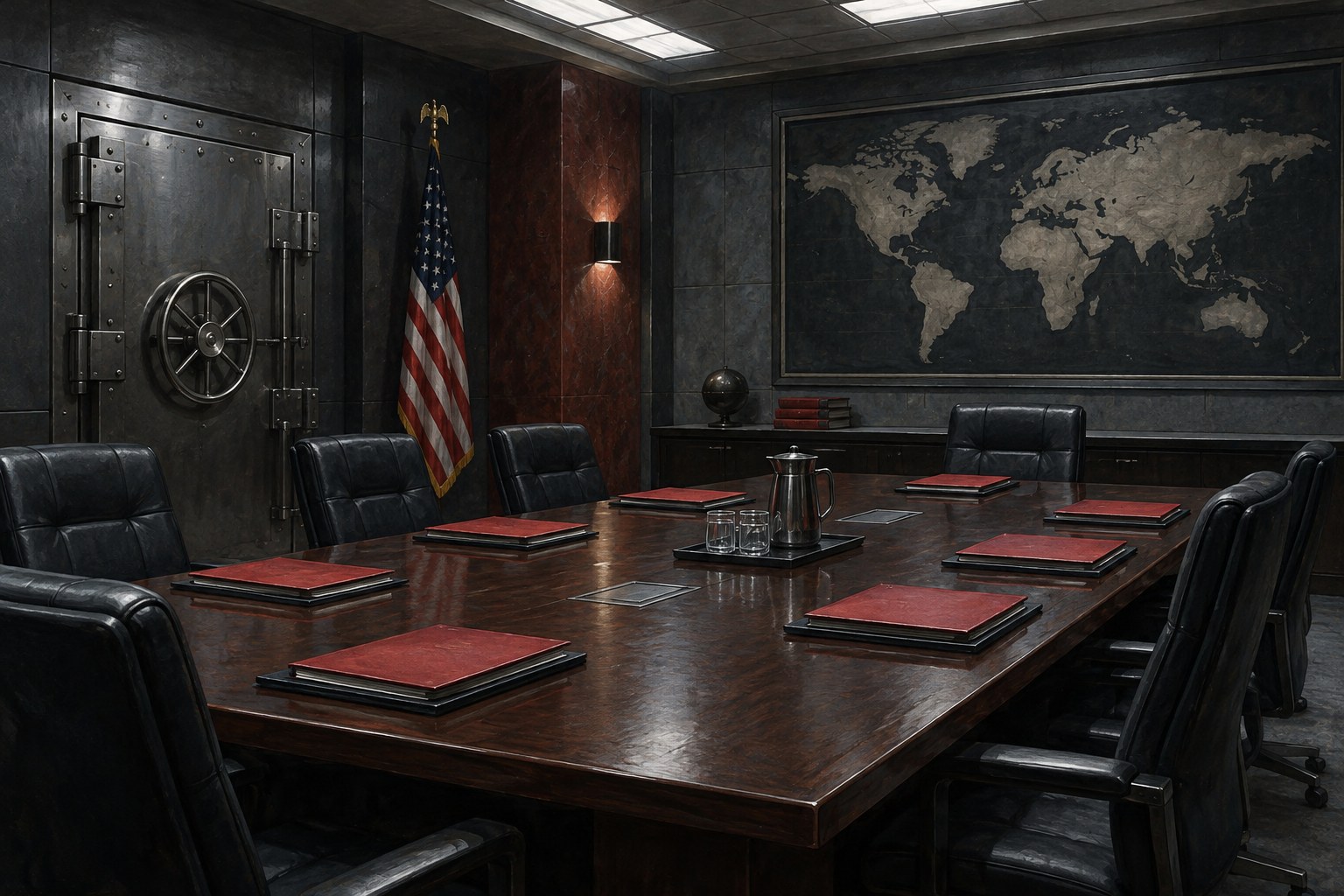
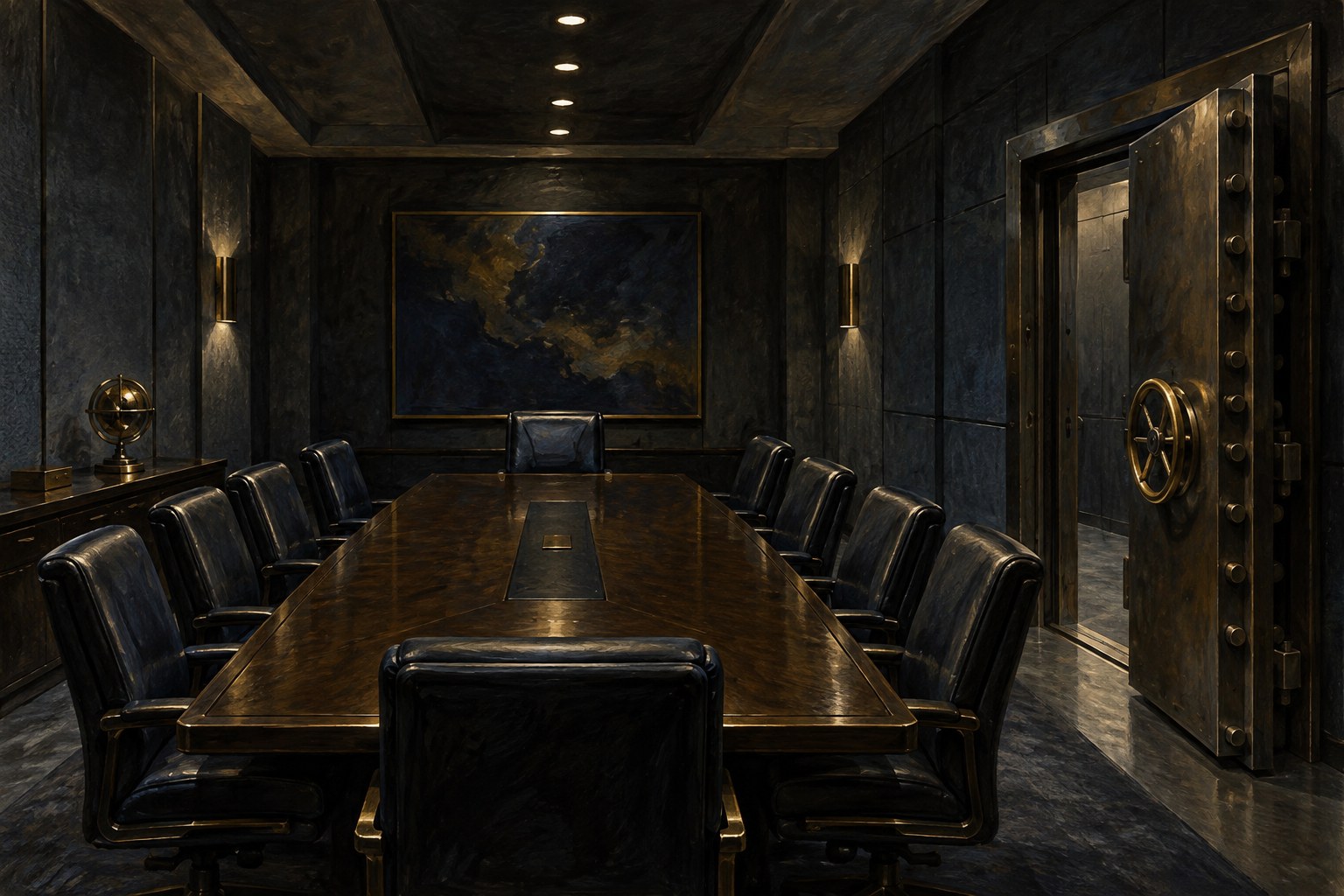
The most sensitive intelligence may be read and discussed only in a sensitive compartmented information facility, or SCIF, a room or building built to standards set by the Director of National Intelligence, with hardened walls, sound insulation, alarms, and no personal phones. Classified data moves on separate computer networks for Secret and Top Secret material. The White House Situation Room is a SCIF, as are spaces at the Pentagon, embassies, military commands, contractors, and the Capitol, and temporary versions travel with the President. Breaches draw attention, as when classified documents were found at the homes of former officials in 2022 and 2023, and when senior officials discussed planned military strikes in a commercial messaging group in March 2025.


Disclosing classified information without authorization is a crime, prosecuted mainly under the Espionage Act of 1917, which does not require proof of intent to help a foreign power and allows no defense that the leak served the public. Defendants have included Daniel Ellsberg over the Pentagon Papers, Chelsea Manning, Edward Snowden, and an Air National Guard member who posted documents online, and WikiLeaks founder Julian Assange pleaded guilty in 2024. In the Pentagon Papers case in 1971 the Supreme Court refused to stop newspapers from publishing, and American reporters have not been prosecuted for publishing leaks, though the Justice Department has subpoenaed their records. A 2022 rule barring most such subpoenas was rescinded in April 2025. Officials with concerns can report to inspectors general and the intelligence committees under whistleblower laws. Supporters of strict enforcement say leaks endanger lives and sources, while critics say leaks are often the only way abuses come to light.




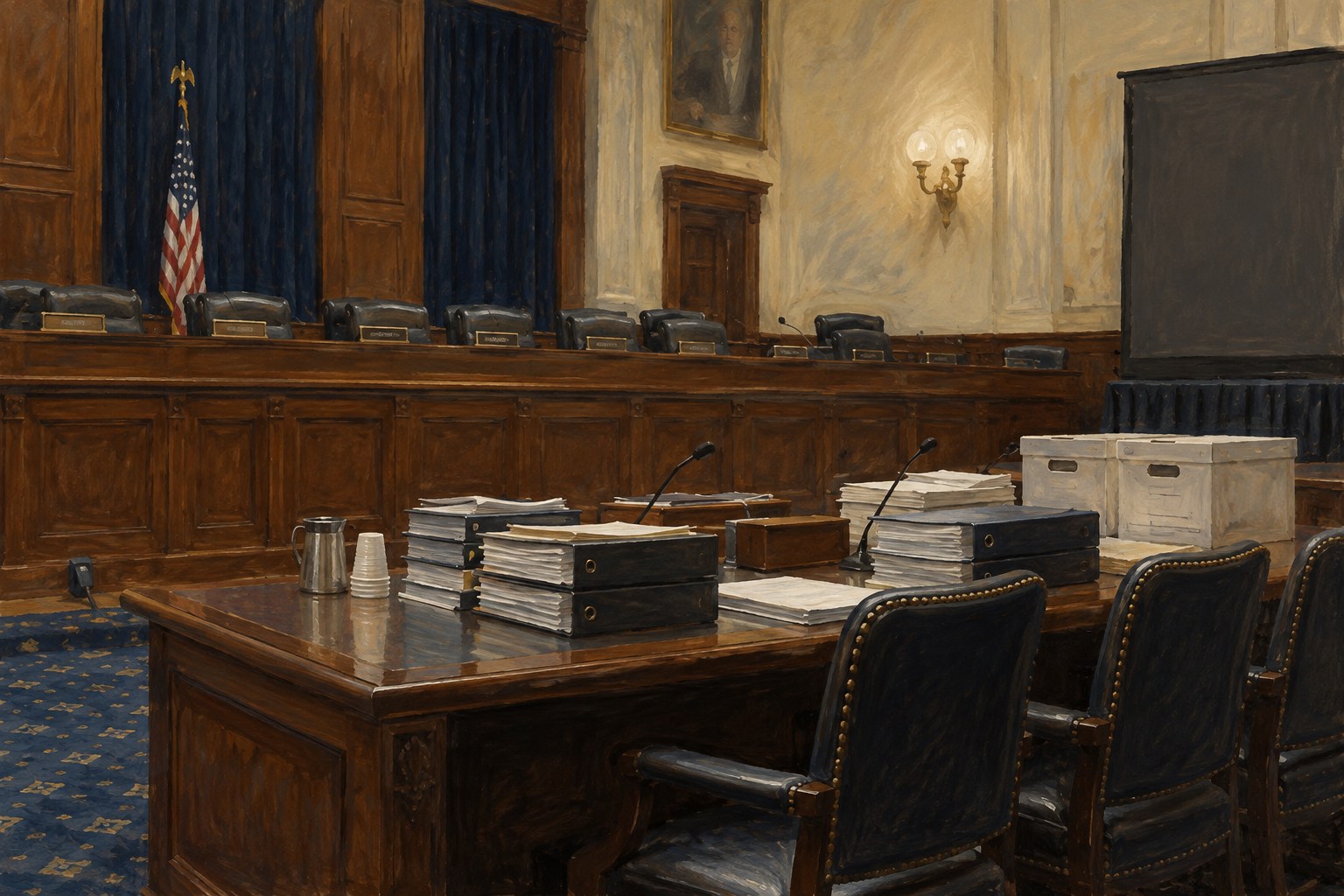
Members of Congress do not need clearances. The National Security Act requires the President to keep the House and Senate intelligence committees fully and currently informed of intelligence activities, including covert actions. In exceptional cases a covert action may be briefed only to the Gang of Eight: the Speaker, the House minority leader, the Senate majority and minority leaders, and the chairs and ranking members of the two intelligence committees. Since 1995 House members must sign a secrecy oath before seeing classified information. Members read material in committee SCIFs, rely on cleared staff, and vote on classified annexes to intelligence and defense bills. The Speech or Debate Clause protects what members say in Congress, and in 1971 a senator read the Pentagon Papers into a subcommittee record.
A clearance is a finding that a person is trustworthy enough to see classified information at a given level, and access still requires a need to know. About 4 million people hold one, including troops, civil servants, and contractors. Applicants fill out a long questionnaire, and investigators check their finances, foreign contacts, drug use, and past conduct. The Defense Counterintelligence and Security Agency took over most background investigations in 2019, after a 2015 breach at the Office of Personnel Management exposed records on 21.5 million people, and holders are now monitored continuously. In Department of the Navy v. Egan in 1988, the Supreme Court held that clearance decisions belong to the executive and cannot be reviewed on the merits by the Merit Systems Protection Board. The President, Vice President, and members of Congress get access by virtue of office. In 2025 the President revoked the clearances of dozens of former officials and of lawyers at several firms, actions some courts found unlawful.

See who collects the secrets in the intelligence community, how surveillance is regulated in government surveillance explained, or the rules for reporting wrongdoing in whistleblowers explained.