Small Claims Court
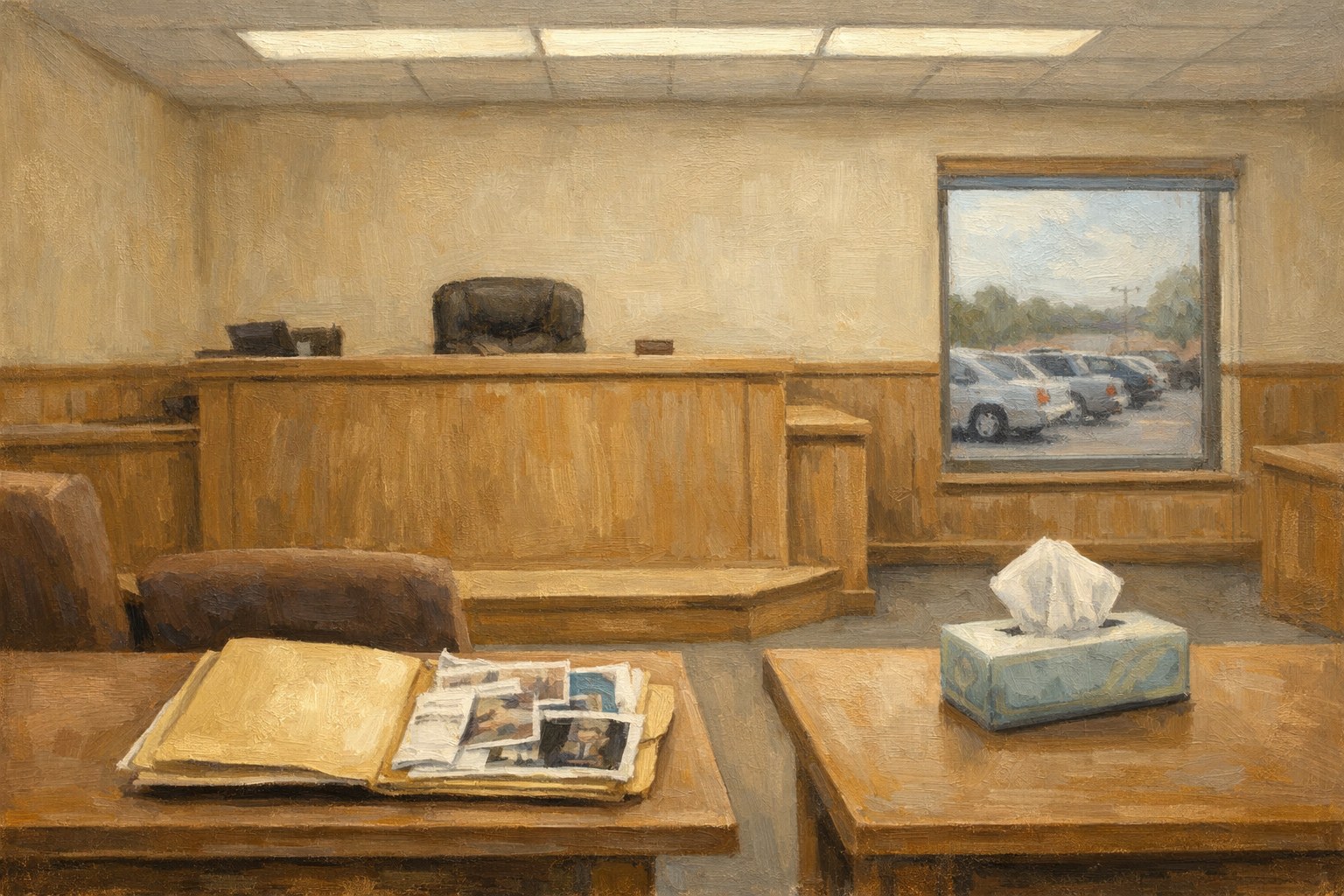
Every state has small claims courts, or small claims divisions of local courts, for disputes over relatively small amounts of money, such as unpaid debts, security deposits, property damage, or bad repairs. Limits vary by state, from a few thousand dollars to about 25,000. Filing fees are usually under 100 dollars, and procedures are simplified so that people can represent themselves, and a few states, including California, generally bar lawyers from representing parties at the hearing.
A person files a short claim with the court clerk and arranges for the other side to be served. At a brief hearing, often within a month or two, each side tells its story and shows evidence such as receipts, photos, contracts, and texts, and a judge or magistrate decides. Many courts offer mediation first. Courts generally award money, not orders to do something, and some states limit how many claims one person or business can file in a year.
Winning does not guarantee payment. If the losing side does not pay, the winner must use collection tools such as wage garnishment or bank levies, which can take more steps. Debt collectors and landlords file a large share of small claims and civil cases, and many defendants never appear, leading to default judgments. Court reformers have expanded online filing and virtual hearings to make the courts easier to use.

| Status | Active |
| Legal basis | State law |
| Official site | ncsc.org |
| Found in | Every state |
| Typical limits | A few thousand to about 25,000 dollars |
| Filing fees | Usually under 100 dollars |
| Lawyers | Not required, barred in a few states |
| Relief | Mostly money awards |
| Date | First small claims courts around 1913 |