Jury Service

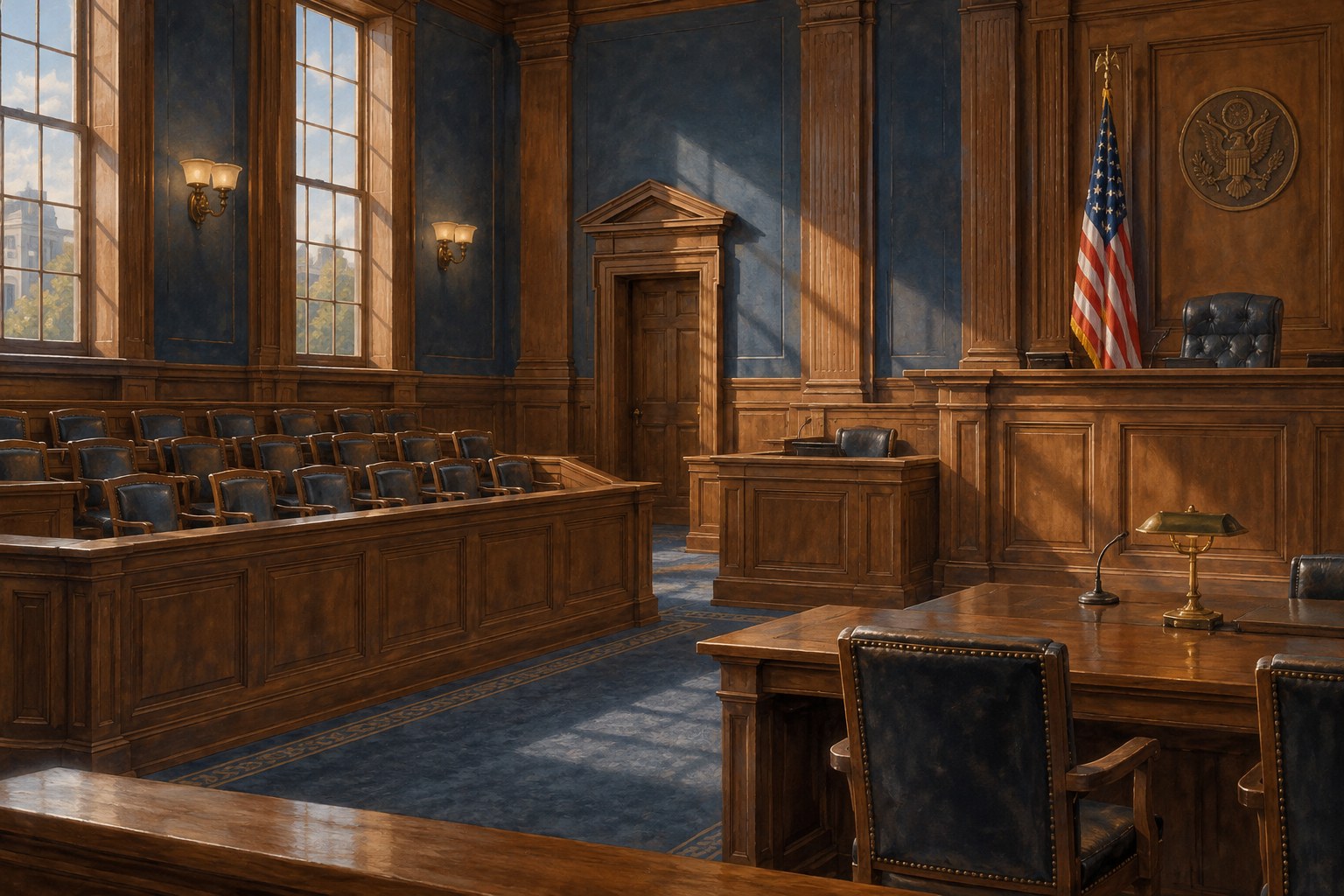
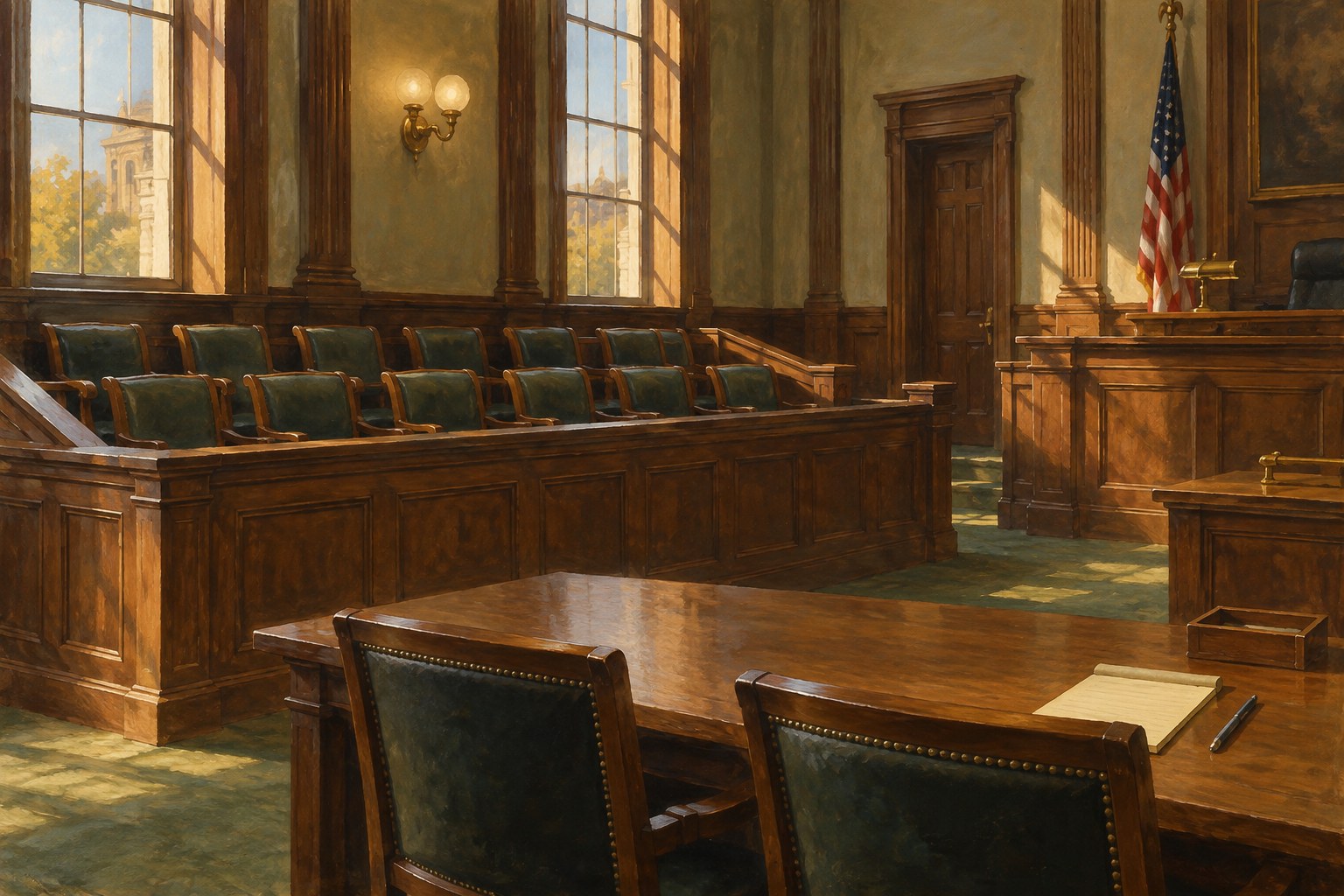
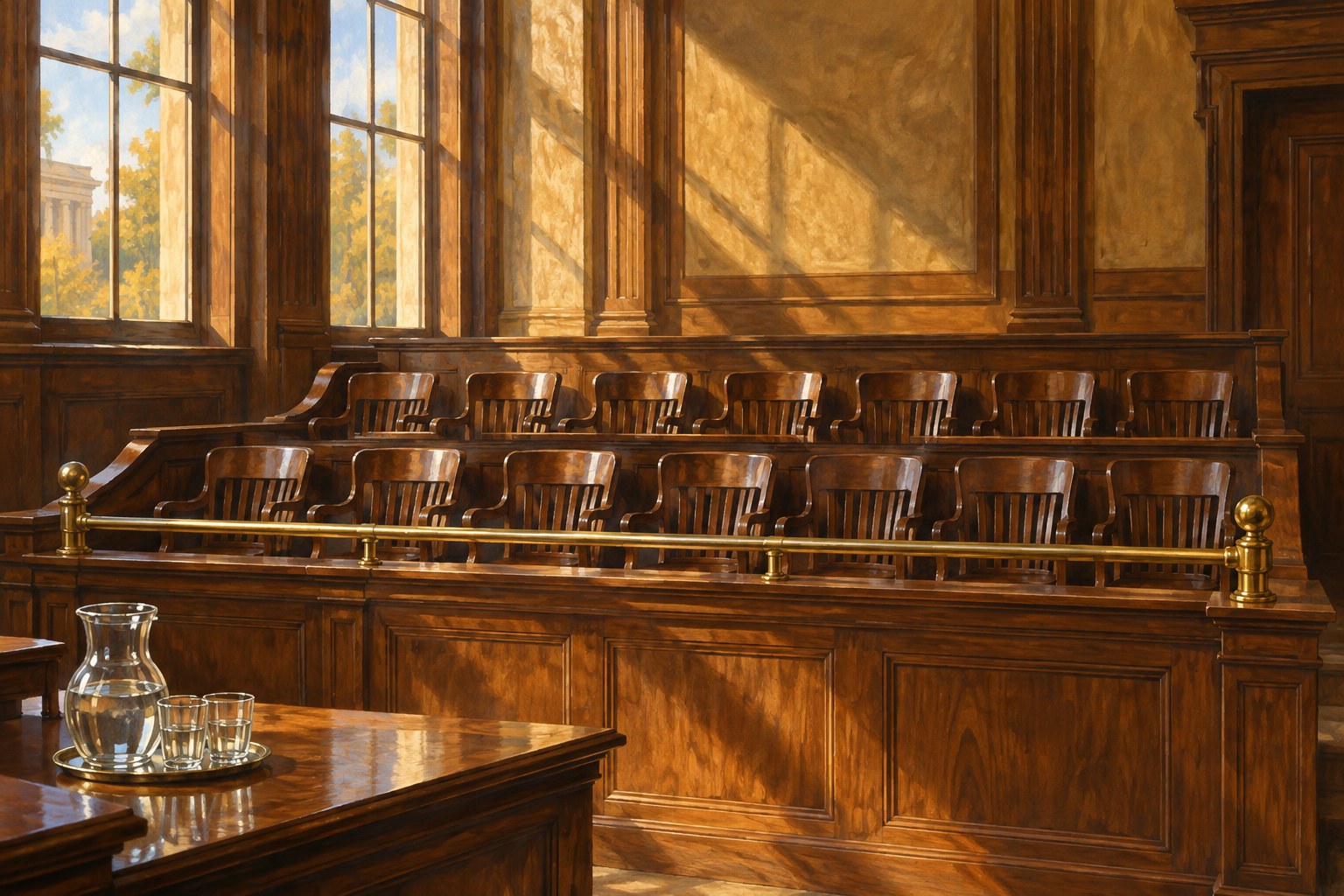
The Sixth Amendment guarantees a jury trial in criminal cases and the Seventh in federal civil cases over 20 dollars, and states guarantee juries in their own courts, where nearly all jury service takes place. Under the Jury Selection and Service Act of 1968, federal courts must choose jurors at random from a fair cross section of the community, usually from voter registration lists supplemented in many districts by driver's license records. Federal jurors must be U.S. citizens at least 18 years old who have lived in the district for a year, can read, write, and speak English, are mentally and physically able, and have no pending felony charge or unrestored felony conviction.
Active military members, professional police and firefighters, and certain public officials are exempt from federal service, and courts may excuse people for undue hardship. Federal jurors are paid 50 dollars a day plus travel, and employers may not fire or punish permanent employees for federal jury service. Many states and courts use a one-day or one-trial system, in which people who are not chosen on the day they report are done. A person who ignores a federal summons can be fined up to 1,000 dollars, jailed for up to three days, or ordered to do community service.
Courts have struggled to make juries representative. The Supreme Court struck down laws excluding Black jurors in 1880 and required that women be included in jury pools in 1975, but people of color, young people, and low-income people still tend to be underrepresented because of address changes, low pay, and the hardship of missing work. Many states pay far less than the federal rate. Supporters of reform call for higher pay, broader source lists, and help with child care, while courts point to falling response rates to summonses as a growing problem.

| Status | Active |
| Legal basis | Sixth and Seventh Amendments, 28 U.S.C. 1861 to 1878 |
| Official site | uscourts.gov |
| Federal law | Jury Selection and Service Act of 1968 |
| Eligibility | Citizens 18 and older living in the district for a year |
| Federal pay | 50 dollars a day |
| Job protection | Employers may not penalize federal jurors |
| Penalty for ignoring a summons | Up to 1,000 dollars, three days in jail, or community service |
| Date | Jury Selection and Service Act signed March 27, 1968 |