Humanitarian Parole
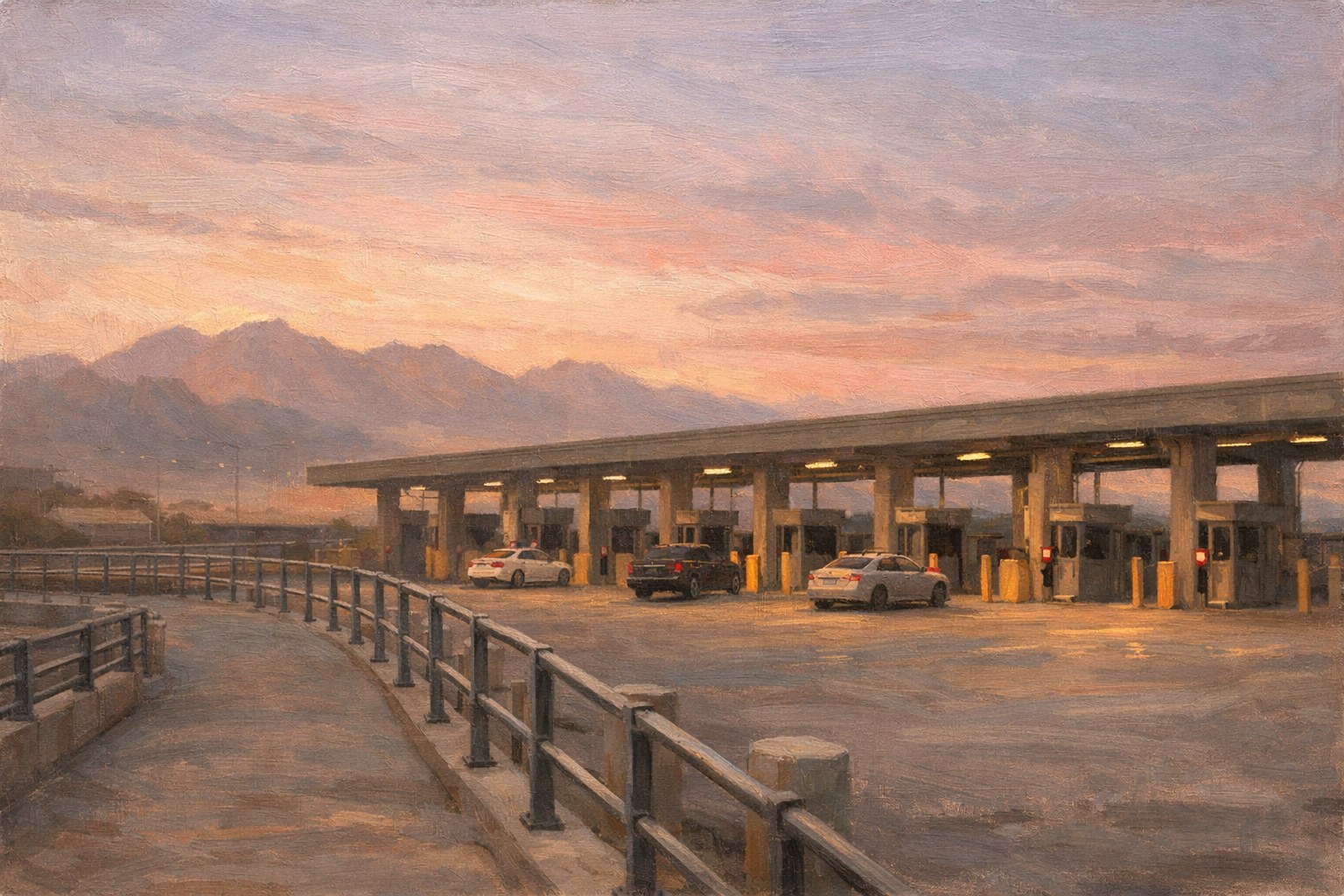
Section 212(d)(5) of the Immigration and Nationality Act lets the Secretary of Homeland Security allow people who lack a visa to enter or remain temporarily, case by case, for urgent humanitarian reasons or significant public benefit. Parole is not an immigration status and does not lead to a green card by itself, though Congress has sometimes passed laws letting groups of parolees adjust.
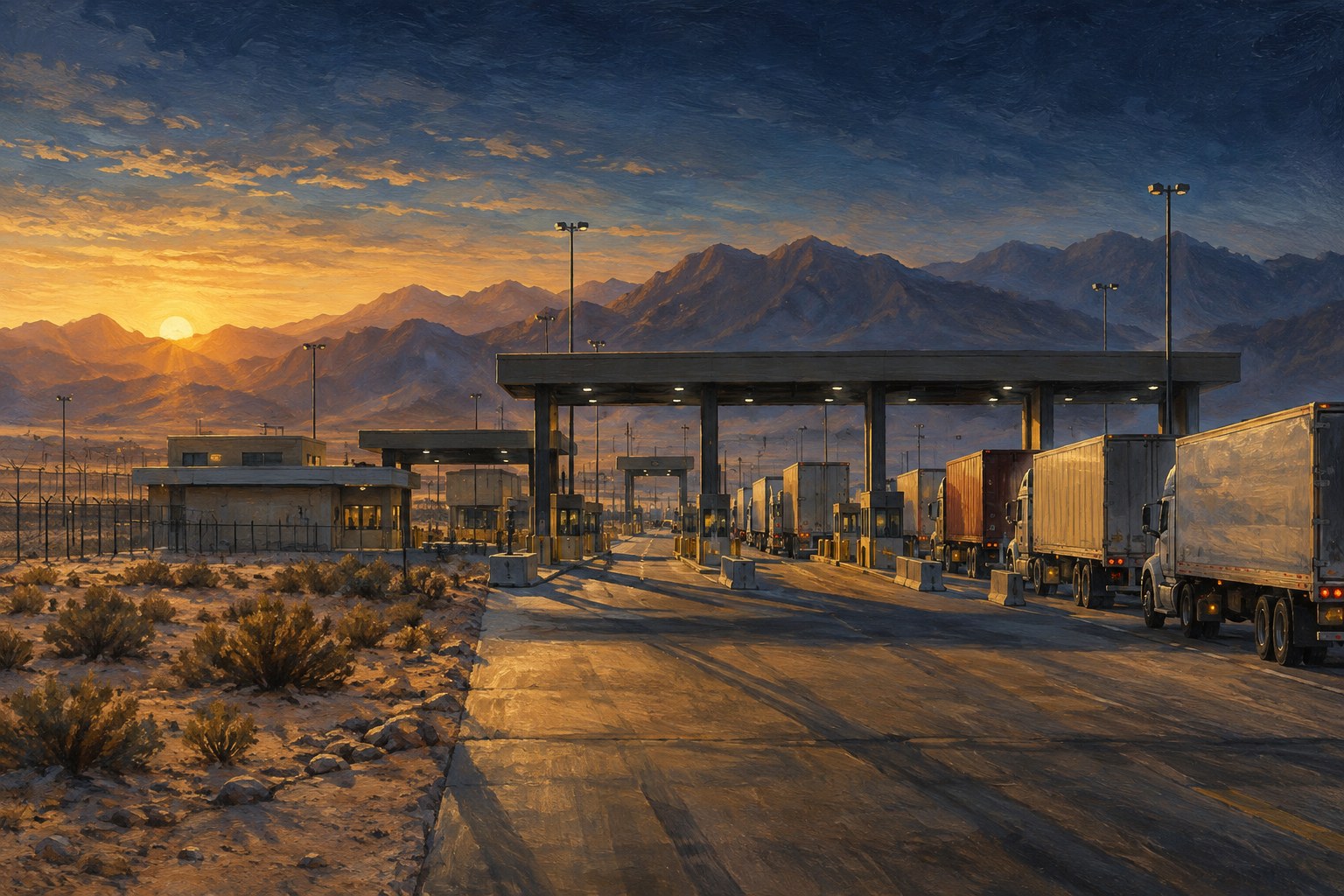
Presidents have used parole for large groups in crises: Hungarians after the 1956 revolution, Cubans in the 1960s, Vietnamese and other Southeast Asians after 1975, about 77,000 Afghans after the 2021 withdrawal, and more than 200,000 Ukrainians after Russia's 2022 invasion. In 2023 a program for Cubans, Haitians, Nicaraguans, and Venezuelans with U.S. sponsors admitted about 530,000 people, and the CBP One app let others schedule entry at the border.
In 2025 the administration ended the program for those four countries and other parole programs, and the Supreme Court allowed it to revoke parole for people already admitted while lawsuits continued. The CBP One app was shut down for entry appointments. Critics of the broad programs said Congress limited parole to case-by-case use and that the programs bypassed visa limits, while supporters said they reduced illegal crossings, rescued people from danger, and were lawful uses of a long-standing power.


| Status | Active |
| Legal basis | 8 U.S.C. 1182(d)(5) |
| Official site | uscis.gov |
| Legal basis | INA section 212(d)(5) |
| Granted by | Secretary of Homeland Security |
| Status | Temporary, not an immigration status |
| Afghans | About 77,000 after 2021 |
| 2025 | Major parole programs ended |
| Date | Parole power in the 1952 law |