U.S. Refugee Admissions Program USRAP

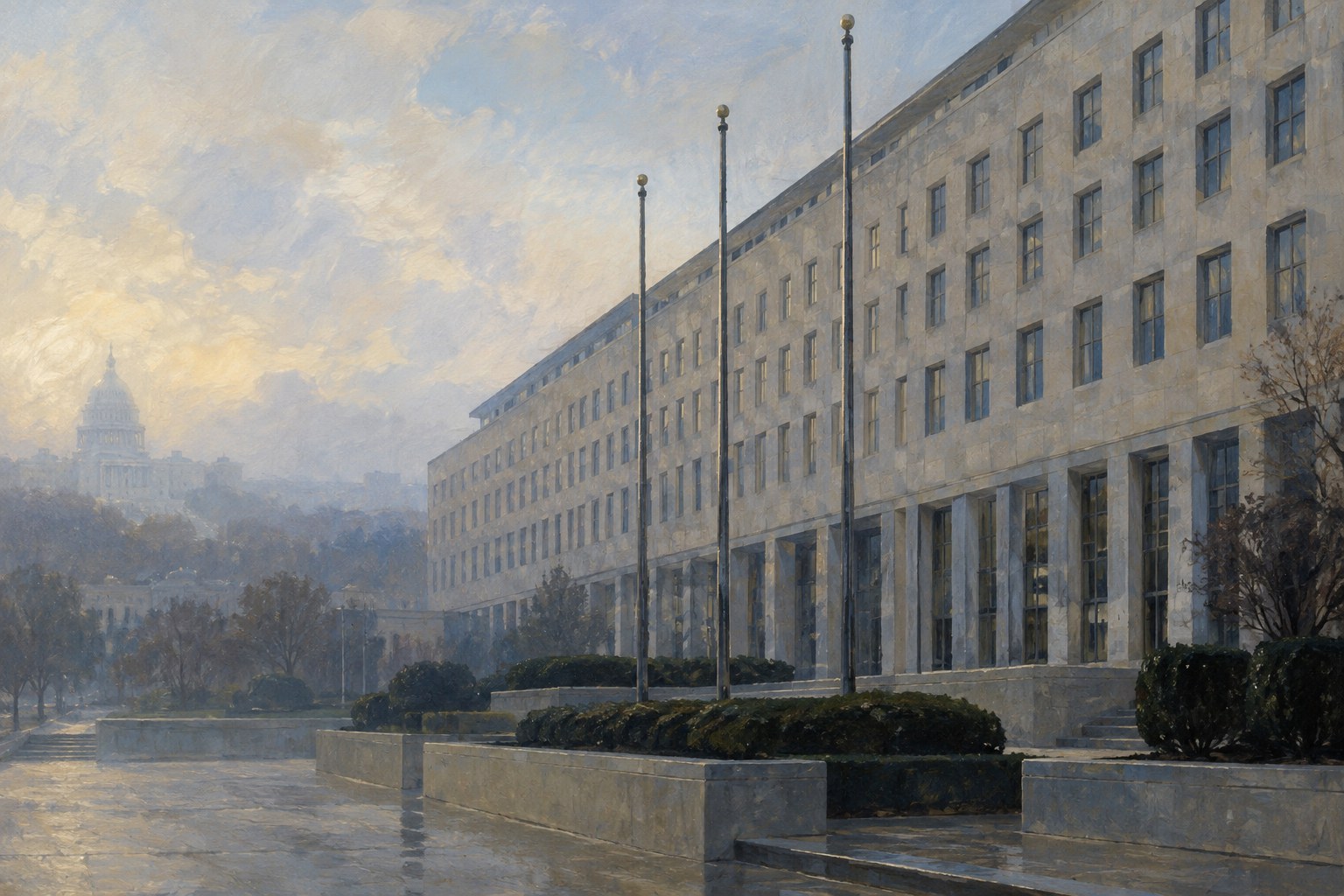
Refugees, unlike asylum seekers, are people outside the United States who are referred, usually by the United Nations refugee agency or U.S. embassies, and approved before they travel. The Refugee Act of 1980 created the modern program. Each year the President, after consulting Congress, sets a ceiling on admissions and how it is divided among regions. The State Department, Homeland Security, and Health and Human Services run the program with nonprofit resettlement agencies that help refugees find housing and jobs.
Refugees face extensive security vetting, interviews by USCIS officers abroad, and medical exams, a process that often takes years. On arrival they can work immediately and must apply for a green card after one year. Admissions have swung widely: more than 200,000 in 1980, about 85,000 in 2016, a then-record low ceiling of 15,000 for 2021, and about 100,000 admitted in fiscal 2024 under a 125,000 ceiling, the most in decades.
On January 20, 2025, the program was suspended, and lawsuits followed. For fiscal 2026 the President set a record low ceiling of 7,500, with most places reserved for white South Africans, whom the administration said faced discrimination, a choice critics called racially selective and supporters defended as a response to persecution. Supporters of lower admissions cite costs and vetting, while refugee advocates, religious groups, and some veterans say the United States should keep its tradition of refuge, including for allies such as Afghans who worked with U.S. forces.


| Status | Active |
| Abbreviation | USRAP |
| Legal basis | 8 U.S.C. 1157 |
| Official site | state.gov |
| Created | Refugee Act of 1980 |
| Ceiling set by | The President, after consulting Congress |
| Fiscal 2024 | About 100,000 admitted under a 125,000 ceiling |
| Fiscal 2026 ceiling | 7,500, a record low |
| Run by | State, Homeland Security, and HHS with nonprofit agencies |
| Date | Created by the Refugee Act of 1980 |