Asylum, Refugees, and Temporary Protected Status
Key takeaways
- Refugees are selected and vetted abroad before they come, while asylum seekers ask for protection after arriving in the United States or at the border.
- Both must show persecution or a well-founded fear of it because of race, religion, nationality, political opinion, or membership in a particular social group.
- The refugee ceiling fell from 125,000 in fiscal 2024 to a record low of 7,500 for fiscal 2026, after the program was suspended in January 2025.
- The immigration court backlog passed 3.7 million cases in late 2024, and asylum is the largest share.
- Temporary Protected Status lets people from countries hit by war or disaster stay and work, but the government moved to end it for most countries in 2025 and 2026, and the Supreme Court allowed key terminations.
- Humanitarian parole programs that admitted hundreds of thousands of people were ended in 2025.
The United States has offered protection to people fleeing persecution and disaster since World War II, through several programs with different rules. Refugees, asylum seekers, people with temporary protected status, and parolees are often confused, but they are legally distinct.
This guide explains each path, who decides, and how all of them changed sharply in 2025 and 2026.
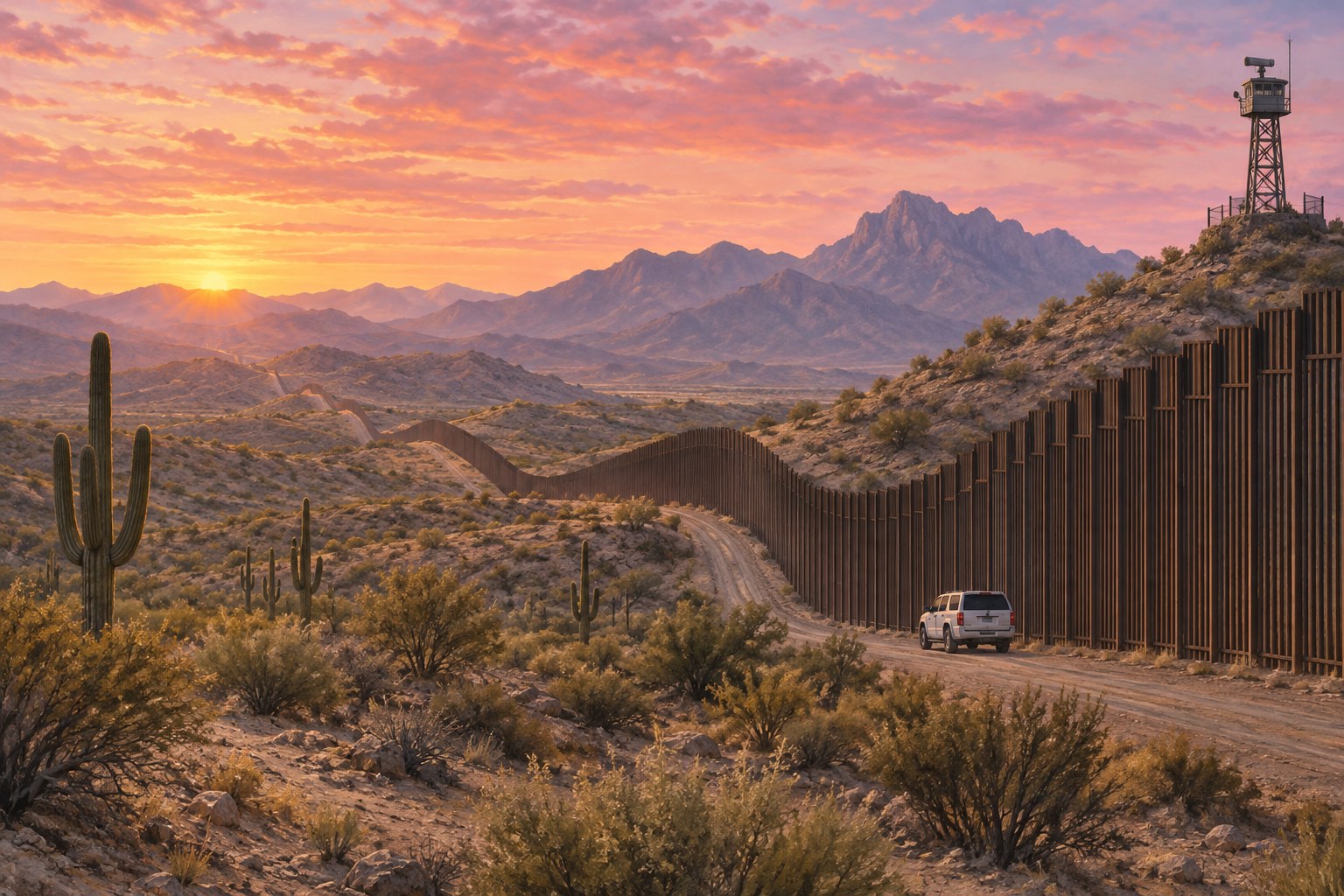
People who reach the United States can apply for asylum, generally within a year of arrival. Those not facing deportation apply to USCIS asylum officers, while others apply to immigration judges as a defense against removal, and people stopped at the border first get a credible fear screening. Winners can work, bring immediate family, and apply for green cards. In January 2025 a proclamation suspended asylum at the southern border, parts of which courts ruled unlawful, and USCIS froze asylum decisions from November 2025 until partly resuming them in March 2026.


Humanitarian parole lets people enter temporarily for urgent reasons, and it was used for Afghans after 2021, Ukrainians after 2022, and about 530,000 Cubans, Haitians, Nicaraguans, and Venezuelans under a 2023 sponsor program, all curtailed or ended in 2025. Supporters of the restrictions say humanitarian programs were overused, encouraged illegal crossings, and strained cities and courts. Critics say they abandon people facing real danger, break with a bipartisan tradition of refuge, and harm allies such as Afghans who helped U.S. forces.

U.S. law, based on the 1951 Refugee Convention and its 1967 Protocol, defines a refugee as someone unable or unwilling to return home because of persecution or a well-founded fear of persecution on account of race, religion, nationality, political opinion, or membership in a particular social group. Fleeing poverty, crime, or general violence does not by itself qualify. The Refugee Act of 1980 created two paths: refugee resettlement for people abroad and asylum for people who reach the United States.


Since 1990, Homeland Security can designate countries whose nationals cannot safely return because of war, disaster, or extraordinary conditions, letting those already here stay and work temporarily. By early 2025 about 1.3 million people from 17 countries held TPS. In 2025 and 2026 the administration moved to end it for at least 11 countries, and the Supreme Court allowed the terminations for about 350,000 Venezuelans in 2025 and about 360,000 Haitians and Syrians in June 2026 while lawsuits continued.

Asylum claims surged in the 2010s and early 2020s as more people crossed the southern border and asked for protection. The immigration court backlog passed 3.7 million cases in late 2024, with asylum the largest share, and many cases took years. Administrations of both parties tried to limit claims at the border, through rules, agreements with other countries, and proclamations, while courts struck down some measures. A 2025 law imposed asylum fees for the first time.

Refugees are usually referred by the United Nations refugee agency, interviewed abroad by USCIS officers, and vetted by several security agencies, a process that often takes years. The President sets an annual ceiling after consulting Congress. About 100,000 refugees were admitted in fiscal 2024, the most in decades. The program was suspended on January 20, 2025, and the President set a record low ceiling of 7,500 for fiscal 2026, mostly for white South Africans. Nonprofit agencies help refugees settle, with federal funding.

See other legal paths in how legal immigration works, the agencies and courts involved in who handles immigration, or border powers in emergency powers explained.