Early In-Person Voting
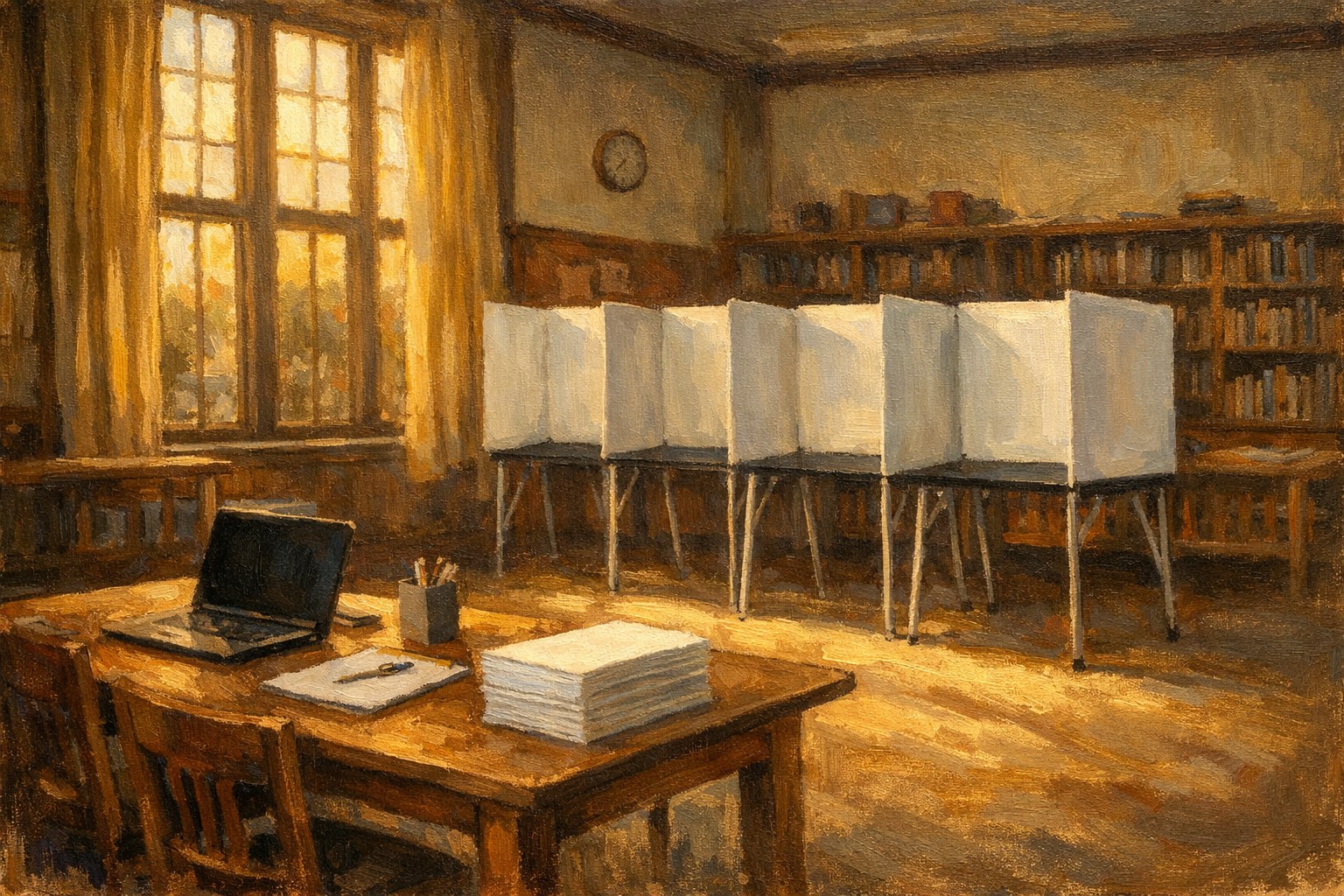
Early in-person voting lets registered voters cast a ballot at an election office or other designated site during a period before Election Day, ranging from a few days to several weeks depending on the state. Texas began offering it widely in 1988, and it spread through the 1990s and 2000s. Nearly every state now offers it, though a few states allow it only for voters with an excuse, and some have shortened or lengthened their windows.
Early voting has become one of the most common ways to vote. About 35 percent of voters cast early in-person ballots in 2024, nearly matching those who voted on Election Day, according to the Election Assistance Commission. Ballots cast early are typically processed like Election Day ballots, so they are often counted quickly. Many counties use vote centers where any voter in the county can vote.
Supporters say early voting reduces lines, gives working people more options, and spreads the workload for election officials. Some critics have opposed weekend voting days or long windows, arguing they raise costs and that campaigns should end on a common day, and the scheduling of sites and hours has often been the subject of lawsuits. Voters should check their state or county election office for dates, hours, and locations.


| Status | Active |
| Legal basis | State law |
| Official site | eac.gov |
| Share of 2024 voters | About 35 percent |
| Offered in | Nearly every state |
| Window | A few days to several weeks |
| Rules set by | Each state |
| Where to check | State or county election office |
| Date | Spread widely after 1988 |