How Americans Vote: Registration, Mail Ballots, ID, and Polling Places
Key takeaways
- States run elections, so registration deadlines, ID rules, early voting dates, and mail ballot rules differ from state to state.
- U.S. citizens 18 and older can vote if they meet their state's residency and registration rules, and North Dakota requires no registration at all.
- In 2024 about 37 percent of voters voted in person on Election Day, about 35 percent voted early in person, and about 30 percent voted by mail.
- About 36 states ask or require voters to show some form of identification at the polls.
- A voter whose eligibility is questioned at the polls has a federal right to cast a provisional ballot.
- Vote.gov and state and county election offices are the official sources for deadlines, polling places, and sample ballots.
The Constitution lets states set the times, places, and manner of elections, subject to laws passed by Congress, so there is no single national way to vote. Counties and towns run the polling places and count the ballots.
This guide explains the common steps and the main differences among states. Because dates and rules change, always confirm details for your state at vote.gov or with your state or local election office.
Americans now split roughly evenly among three ways of voting. In 2024 about 37 percent voted in person on Election Day at an assigned polling place or vote center, about 35 percent voted early in person, and about 30 percent voted by mail, according to the Election Assistance Commission. Nearly every state offers some early in-person voting, but the number of days and the hours vary widely.
Every state allows some voters to vote by mail. A handful mail ballots to all registered voters, most let any voter request one, and the rest require an excuse. Voters usually sign the envelope, and officials verify the signature or other information. States differ on whether ballots must arrive by Election Day or only be postmarked by then, and the Supreme Court ruled in June 2026 in Watson v. RNC that federal law allows states to count timely postmarked ballots that arrive later. Lawsuits over a 2026 executive order on mail ballots continued into the fall.

Voters whose names are missing from the rolls, who lack required ID, or whose eligibility is questioned have a federal right to cast a provisional ballot, which is counted once officials confirm eligibility. Voters who are in line when the polls close are generally allowed to vote. Voters with disabilities are entitled to accessible voting equipment, and voters who need help can usually bring someone to assist them, with some limits. Problems can be reported to local election officials or the state's chief election officer.

After polls close, local officials count ballots, check provisional and mail ballots, and conduct canvasses and audits, so unofficial results reported on election night can change. Results become official only when they are certified, days or weeks later. The safest sources for voting dates, polling places, sample ballots, and rules are vote.gov, which links to every state, and the state or county election office. News outlets report unofficial results and projections, which are not final.
About 36 states ask or require voters to show identification, from strict photo ID laws to broader lists of accepted documents or a signed affidavit. Federal law requires ID only from some first-time voters who registered by mail. States with strict laws offer free ID cards. The Supreme Court upheld Indiana's photo ID law in 2008, and the debate continues between those who see ID as basic security and those who see it as a barrier for some eligible voters.
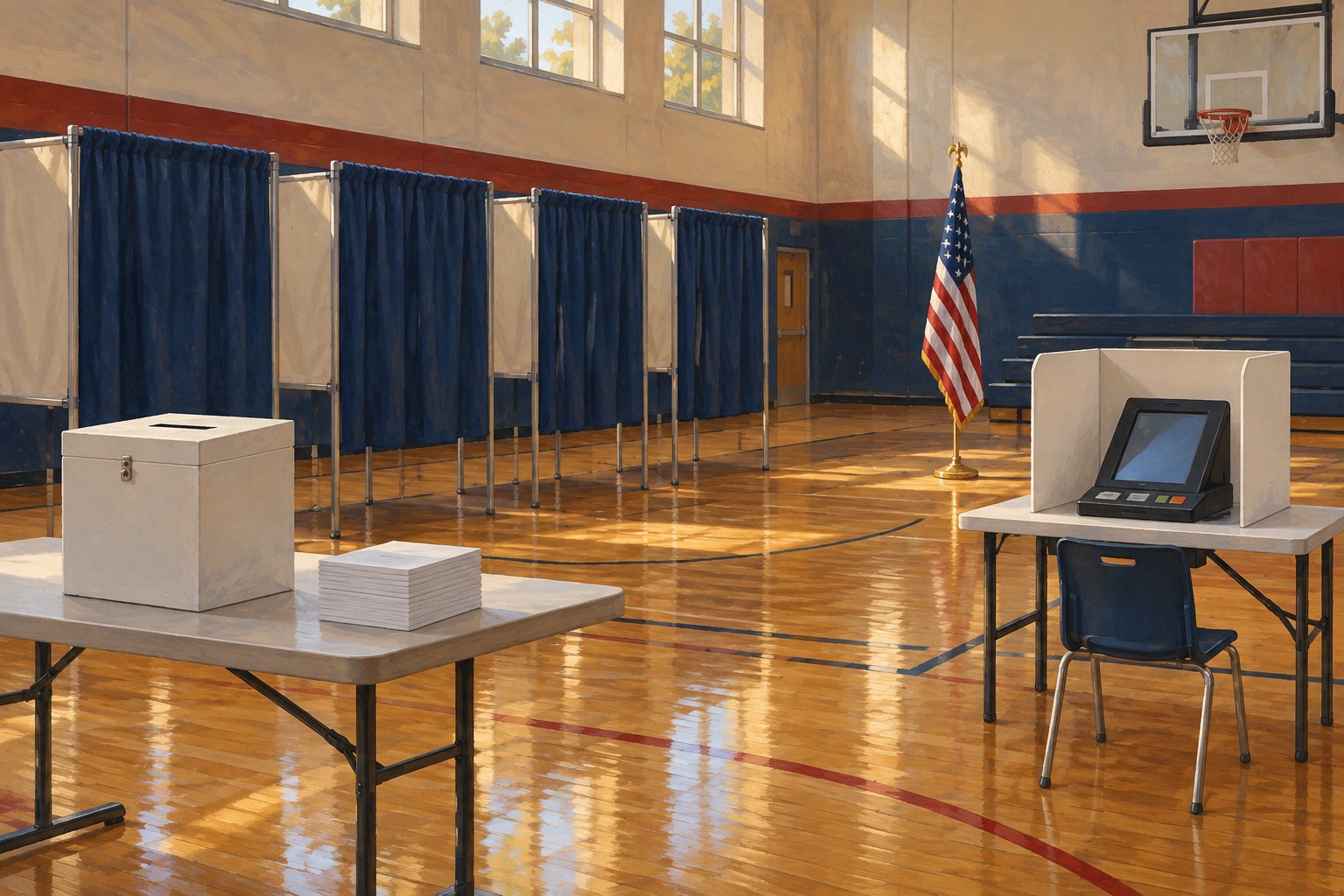
U.S. citizens who are 18 or older by Election Day can vote if they meet their state's residency rules, though many states restrict voting by people serving felony sentences. Every state except North Dakota requires registration, which can be done online in most states, by mail, at motor vehicle offices under the 1993 motor voter law, or at election offices. Deadlines range from about a month before Election Day to Election Day itself in states with same-day registration. Noncitizens may not vote in federal elections.


See who runs elections in who runs elections in America, how results become official in how election results are certified, or the history of the right to vote in voting rights law.