Voter ID Laws

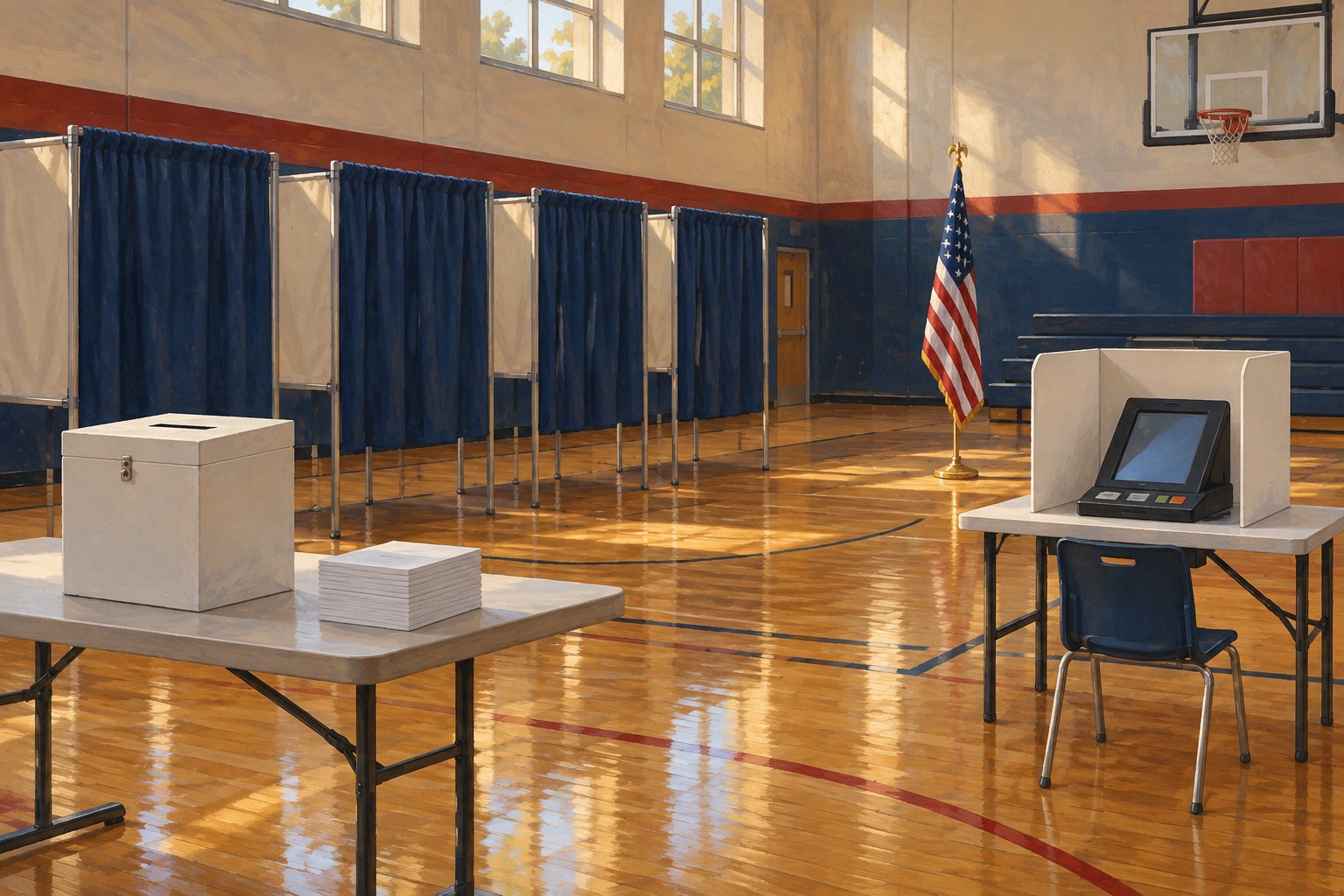
Federal law requires identification only from certain first-time voters who registered by mail, under the Help America Vote Act of 2002. Beyond that, states decide. About 36 states request or require voters to show some form of identification at the polls. Some require a government-issued photo ID, and voters without one must cast a provisional ballot and return with ID within a few days. Others accept a wider range of documents, such as utility bills or bank statements, or let voters sign an affidavit of identity.
Indiana passed the first strict photo ID law in 2005, and the Supreme Court upheld it in Crawford v. Marion County Election Board in 2008, finding that the state's interest in preventing fraud and protecting confidence justified the burden. Many states adopted similar laws over the next decade, while some were struck down or softened by courts, including North Carolina's 2013 law, which a federal appeals court found targeted Black voters. States with strict laws generally provide a free ID card, though getting the underlying documents can cost money.
Supporters say ID requirements prevent impersonation, build public trust, and are popular across parties in polls. Opponents say in-person fraud is extremely rare and that the laws burden older, poorer, rural, and minority voters, who are less likely to have current ID. Research on effects on turnout has found small or mixed results. In Congress, the House has passed bills requiring documentary proof of citizenship to register, and a 2025 executive order sought similar requirements, parts of which courts blocked.


| Status | Active |
| Legal basis | State law, plus 52 U.S.C. 21083(b) |
| Official site | ncsl.org |
| States with ID rules | About 36 |
| Federal rule | ID for some first-time mail registrants (HAVA) |
| First strict photo ID law | Indiana, 2005 |
| Key case | Crawford v. Marion County (2008) |
| If no ID | Usually a provisional ballot |
| Date | First strict photo ID law in 2005 |