Government and Housing: HUD, Vouchers, Mortgages, and Fair Housing

Key takeaways
- The Department of Housing and Urban Development helps about 4.5 million low-income households pay rent, but only about one in four eligible households gets help.
- Housing Choice Vouchers serve about 2.3 million households and public housing about 900,000 units.
- The Low-Income Housing Tax Credit finances most new affordable rental housing, and the 2025 budget law expanded it.
- Fannie Mae, Freddie Mac, the FHA, and other federal programs back most U.S. home mortgages, and Fannie and Freddie have been in government conservatorship since 2008.
- Local zoning and building rules, not Washington, decide most of what housing can be built, and many economists blame them for high costs.
- In 2026 HUD proposed letting local agencies add work requirements and time limits to rental aid.
Housing is mostly built and sold privately, but government shapes nearly every part of it: who gets rental help, how mortgages are financed, where housing can be built, and what discrimination is illegal. Rising rents and home prices have made housing a top political issue.
This guide explains the main federal, state, and local roles and the current debates.
The Fair Housing Act bars discrimination in renting, selling, and lending, enforced by HUD and the Justice Department. Homelessness reached a record of about 771,000 people in the January 2024 count. Federal policy since the 2000s favored Housing First, giving housing without preconditions, but in 2025 the administration shifted toward requiring treatment and encouraged cities to clear encampments, after the Supreme Court in 2024 allowed cities to ban camping on public property.

The federal government stands behind most home mortgages. Fannie Mae and Freddie Mac buy and guarantee loans from lenders, the FHA insures loans for buyers with smaller down payments, and Ginnie Mae guarantees securities backed by FHA and VA loans. Fannie and Freddie have been in government conservatorship since the 2008 financial crisis, and the administration has discussed selling shares to the public.



HUD helps about 4.5 million households, mostly through Housing Choice Vouchers for private rentals, public housing owned by local agencies, and contracts with private landlords. Tenants usually pay about 30 percent of income. Because funding is capped, only about one in four eligible households gets help, and waiting lists are long. In March 2026 HUD proposed letting local agencies impose work requirements and time limits on non-elderly, non-disabled tenants.



The Low-Income Housing Tax Credit, created in 1986, finances most new affordable rental housing, with states awarding credits to developers who agree to cap rents for at least 30 years. It has helped build or preserve more than 3.5 million apartments, and the 2025 budget law permanently raised state allocations by 12 percent. Federal block grants such as HOME and community development grants also fund local projects.
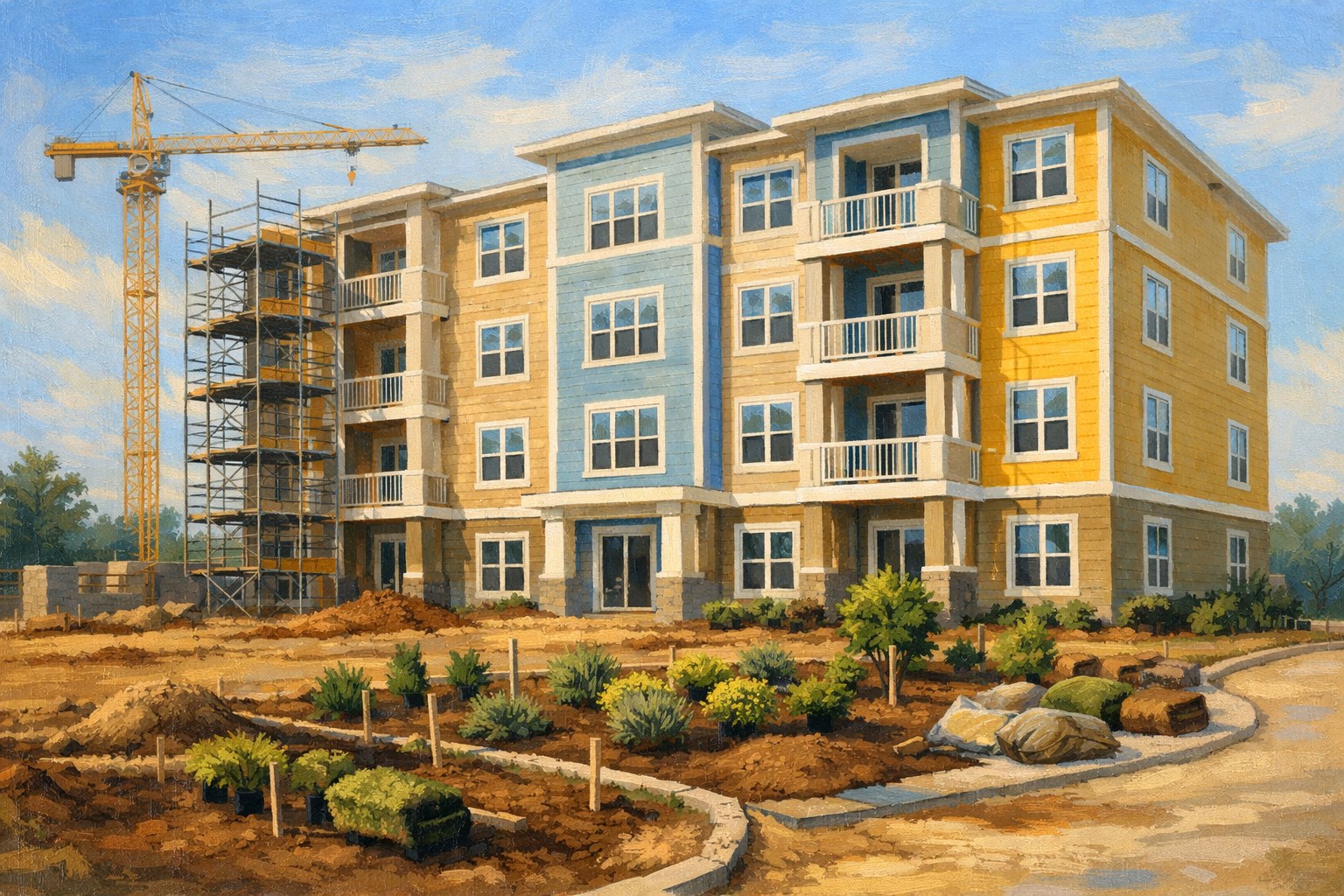
Most rules on what can be built, such as single-family zoning, parking minimums, and permitting, are set by cities and counties, and many economists say they restrict supply and raise prices. Several states have overridden local zoning to allow more housing. Debates in Washington include how much to fund rental aid, whether to add work requirements and time limits, how to boost supply, and what to do with Fannie Mae and Freddie Mac.


The Department of Housing and Urban Development, created in 1965, funds rental assistance, community development grants, and homelessness programs, insures mortgages through the Federal Housing Administration, and enforces fair housing law. The Treasury shapes housing through tax breaks such as the mortgage interest deduction and housing tax credits, and the Agriculture and Veterans Affairs departments run their own home loan programs.

See fair housing law in who enforces civil rights, other aid in the safety net explained, or local government in how local government works.