Low-Income Housing Tax Credit LIHTC
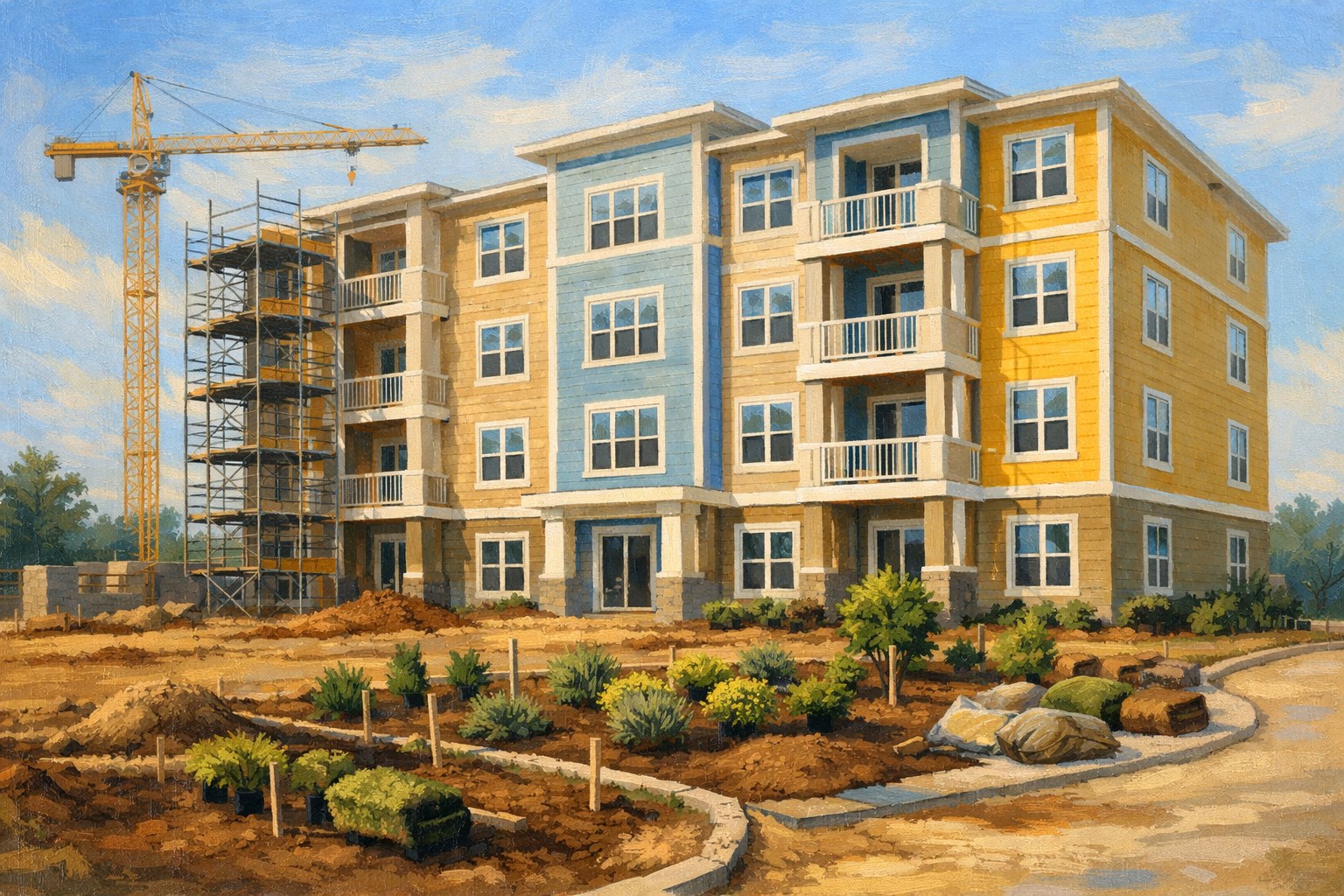
The Tax Reform Act of 1986 created the Low-Income Housing Tax Credit, now the largest federal program for building and renovating affordable rental housing. The IRS gives each state a yearly amount of credits based on population, and state housing finance agencies award them to developers through competitive plans. Developers sell the credits to investors, usually banks and corporations, and use the money to build, which lowers the debt and the rents they must charge.
In exchange, owners must rent a share of units, typically at least 40 percent, to households earning less than 60 percent of the area median income, at capped rents, for at least 30 years. The program has helped build or preserve more than 3.5 million apartments since 1987. It costs the government more than 13 billion dollars a year in lost tax revenue. A companion 4 percent credit, paired with tax-exempt bonds, finances many large projects.
The 2025 budget law permanently increased each state's credit allocation by 12 percent and made it easier for bond-financed projects to qualify, expansions with broad bipartisan support. Supporters say the credit is the most effective tool for building affordable housing and relies on private discipline. Critics say it is complex and costly per unit, does not reach the lowest-income renters without additional subsidies, and lets some properties convert to market rents after their affordability period ends.



| Status | Active |
| Abbreviation | LIHTC |
| Legal basis | 26 U.S.C. 42 |
| Official site | huduser.gov |
| Created | Tax Reform Act of 1986 |
| Units financed | More than 3.5 million |
| Typical income limit | 60 percent of area median income |
| Affordability period | At least 30 years |
| 2025 change | Permanent 12 percent increase in state allocations |
| Date | Created by the Tax Reform Act of 1986 |