What the Government Knows About You: Privacy Laws and Data Sharing

Key takeaways
- Federal agencies hold vast personal records, from tax returns and Social Security earnings to passport, immigration, and health program data.
- The Privacy Act of 1974 limits how agencies share records and lets citizens and permanent residents see and correct their files.
- Tax returns and census answers have extra confidentiality protections under their own laws.
- Agencies routinely match databases to check eligibility, under rules set by a 1988 law.
- In 2025 and 2026, courts blocked IRS sharing of taxpayer addresses with ICE and rejected most Justice Department demands for state voter rolls, while allowing some other data access.
- Since May 7, 2025, travelers need a REAL ID or another accepted ID to board domestic flights.
The federal government knows a great deal about most Americans: their income, work history, benefits, travel, and more. Most of that information was collected for a specific purpose, and a patchwork of laws limits how it can be used for others.
This guide explains what the government holds, the main privacy laws, how data is shared, and the current debates. Surveillance by intelligence agencies has its own guide.
Agencies routinely compare databases to catch improper payments and check eligibility, under rules set by a 1988 law that require agreements and notice before benefits are cut. Homeland Security's SAVE system checks immigration status, and in 2025 it was linked to Social Security data so states could check voters' citizenship. The Justice Department sued about 30 states and D.C. for full voter rolls and lost 22 of those cases by August 2026. In June 2025 the Supreme Court allowed the government efficiency team access to Social Security data while lawsuits continued.

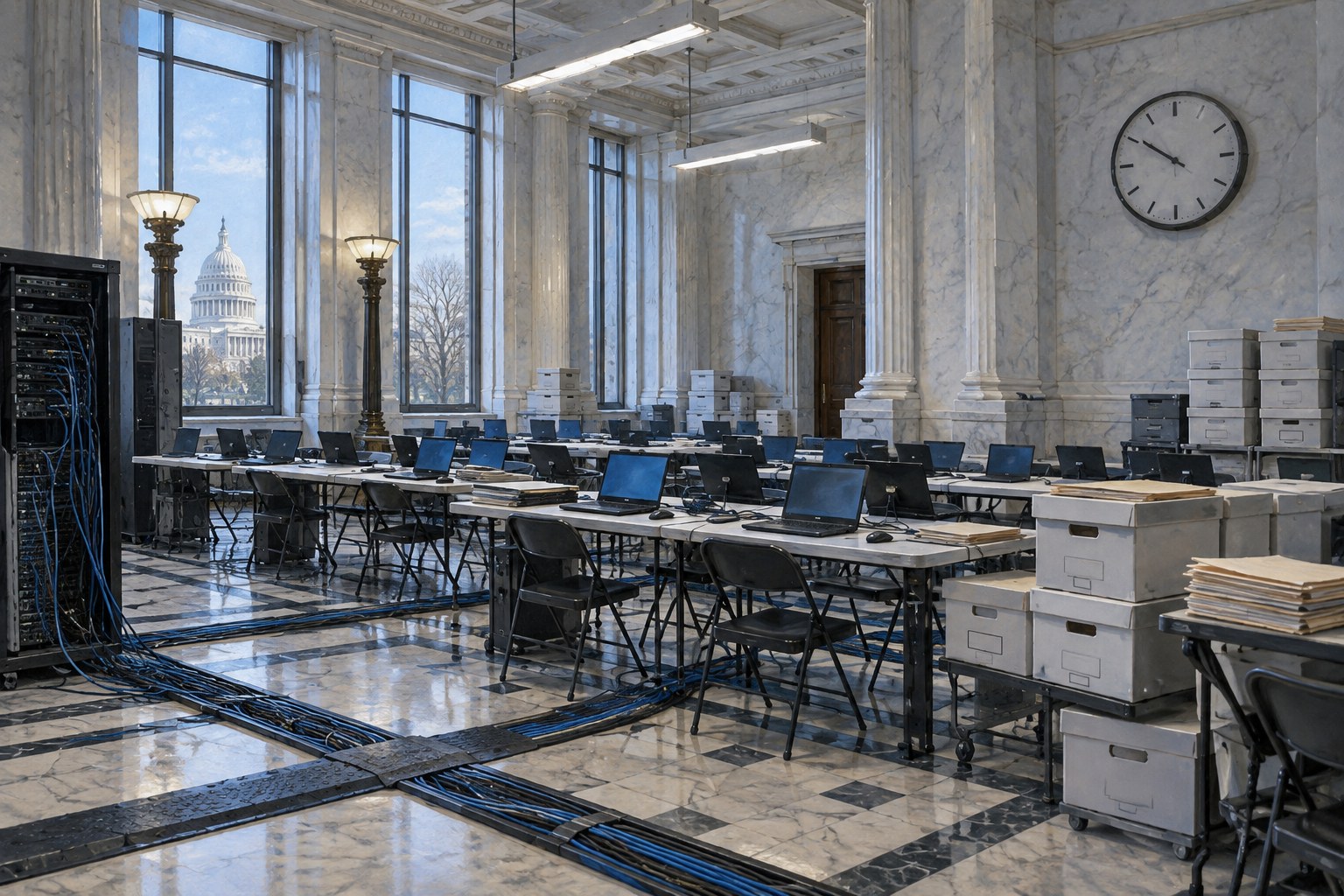
Intelligence and law enforcement agencies collect communications and records under the Foreign Intelligence Surveillance Act and other laws, overseen by a special court and an independent privacy board. Supporters of broader data sharing say it fights fraud, enforces immigration law, and protects elections. Critics say it breaks promises made when data was collected, risks errors that flag eligible people, and could be misused. Congress has not passed a broad update to the 1974 law.


The Privacy Act of 1974 requires agencies to publish notices about their record systems, collect only relevant data, and not disclose records without consent except under 12 exceptions, including routine uses they announce. Citizens and permanent residents can request their own records and ask for corrections, and can sue for willful violations. The law does not cover states, private companies, or most data brokers, from whom agencies sometimes buy information.

Since May 7, 2025, travelers need a REAL ID-compliant license, a passport, or another accepted ID to board domestic flights, under a 2005 law. Passport and visa data, airline passenger lists, and border crossing records are kept by the State Department and Homeland Security, and trusted traveler programs collect fingerprints and interviews in exchange for faster screening. Facial recognition is increasingly used at airports and borders, though travelers can usually opt out of photos at checkpoints.


Section 6103 of the tax code makes tax returns confidential and lists narrow exceptions, with criminal penalties for unauthorized disclosure. Census answers cannot be shared with any agency or used against any person for 72 years. In 2025 the IRS agreed to share taxpayer addresses with immigration authorities. A federal judge found in February 2026 that the IRS had broken the law about 42,000 times, and an appeals court upheld an order blocking the sharing in September 2026.


Federal agencies keep records on nearly everyone: tax returns at the IRS, earnings and benefits at the Social Security Administration, health program data at Medicare and Medicaid, passport and visa files at the State Department, immigration and travel records at Homeland Security, student loan data, and military and veterans records. The Census Bureau collects detailed household information. Most of this data was gathered for one purpose, and the law limits other uses.


See intelligence collection in government surveillance explained, how to request records in how to file a FOIA request, or voting rules in how Americans vote.