Privacy Act of 1974

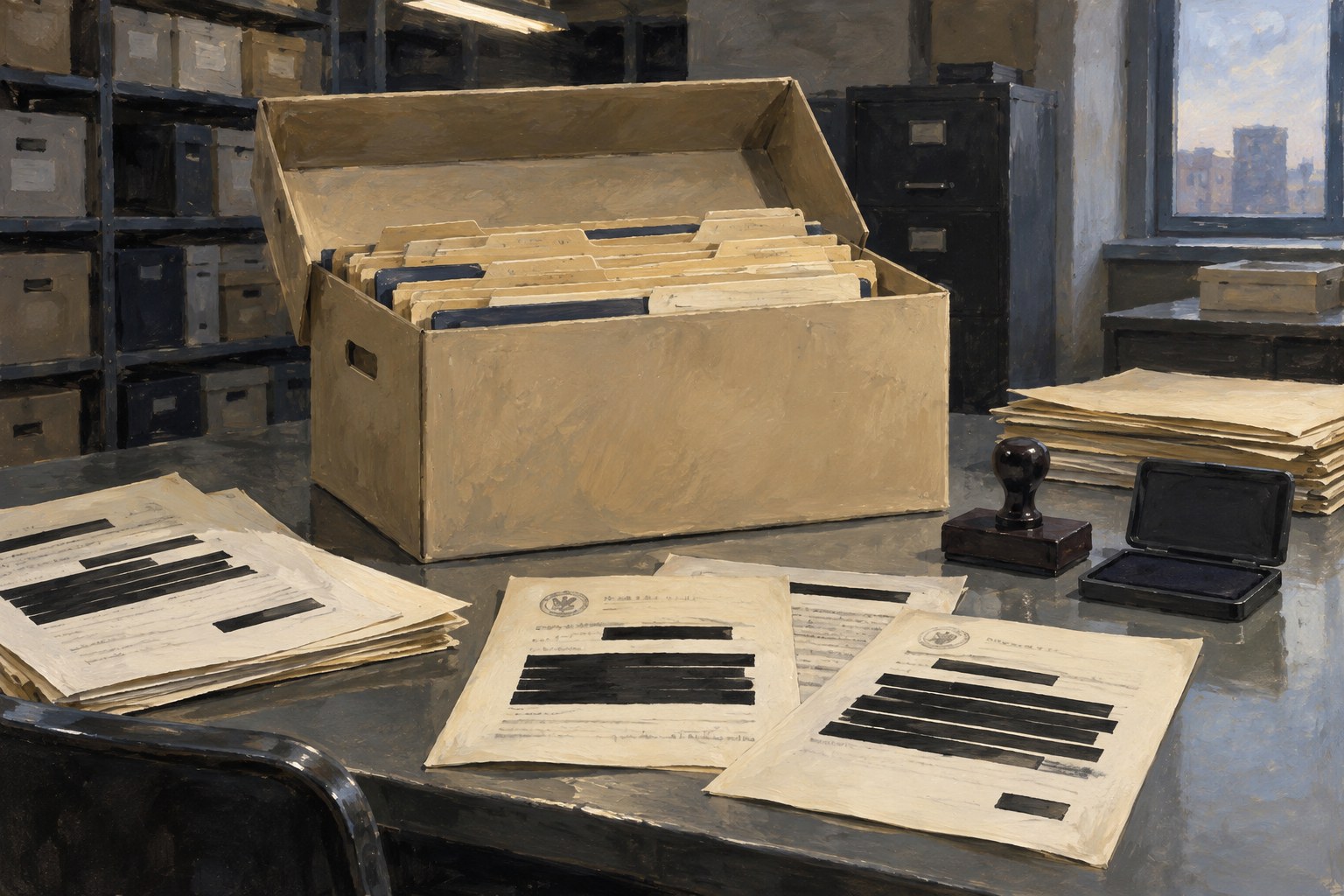
President Gerald Ford signed the Privacy Act on December 31, 1974, after Watergate revealed government misuse of personal information and as computers made large databases possible. It applies to federal agencies' systems of records, files retrieved by a person's name or identifier, and requires agencies to publish notices describing each system, collect only relevant information, and keep it accurate and secure.
Agencies may not disclose records about a person without consent, subject to 12 exceptions, including use within the agency, disclosures required by the Freedom of Information Act, law enforcement requests, and routine uses the agency has announced. Citizens and permanent residents can request their own records and ask for corrections, and can sue for willful violations, though in 2012 the Supreme Court held that damages do not cover emotional distress. The law does not apply to state governments or private companies.
Critics have long said the routine use exception and outdated definitions let agencies share data widely. In 2025 and 2026 the law was at the center of lawsuits over access to Treasury, Social Security, and other records by the Department of Government Efficiency team, the IRS sharing taxpayer addresses with immigration authorities, and Justice Department demands for state voter rolls. Courts reached mixed results, and the Supreme Court in June 2025 allowed the team access to Social Security data while litigation continued.



| Status | Active |
| Legal basis | 5 U.S.C. 552a |
| Official site | justice.gov |
| Signed | December 31, 1974 |
| Applies to | Federal agency systems of records |
| Disclosure exceptions | 12, including routine uses |
| Rights | See and correct your own records |
| Not covered | States and private companies |
| Date | Signed December 31, 1974 |