The United Nations UN
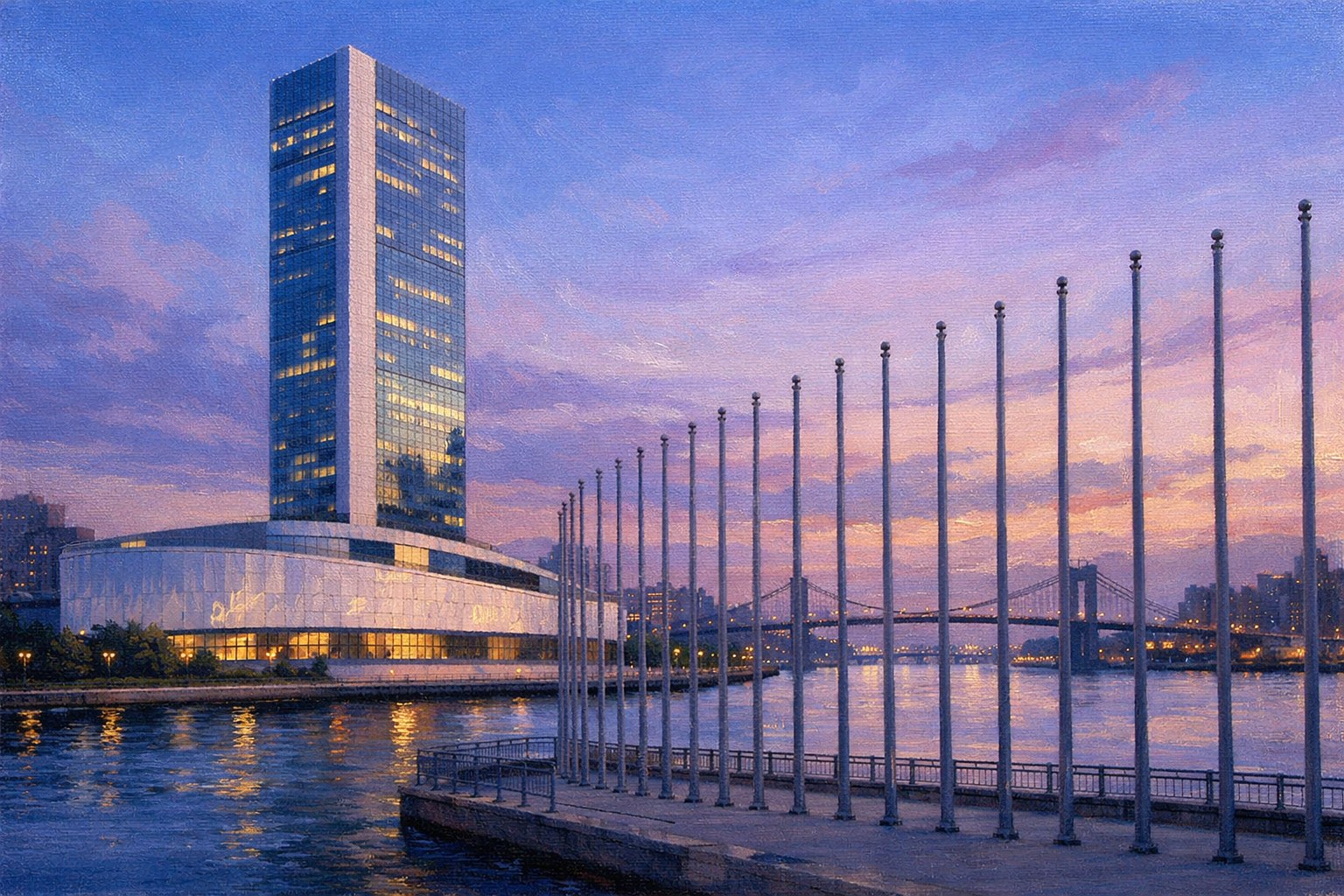
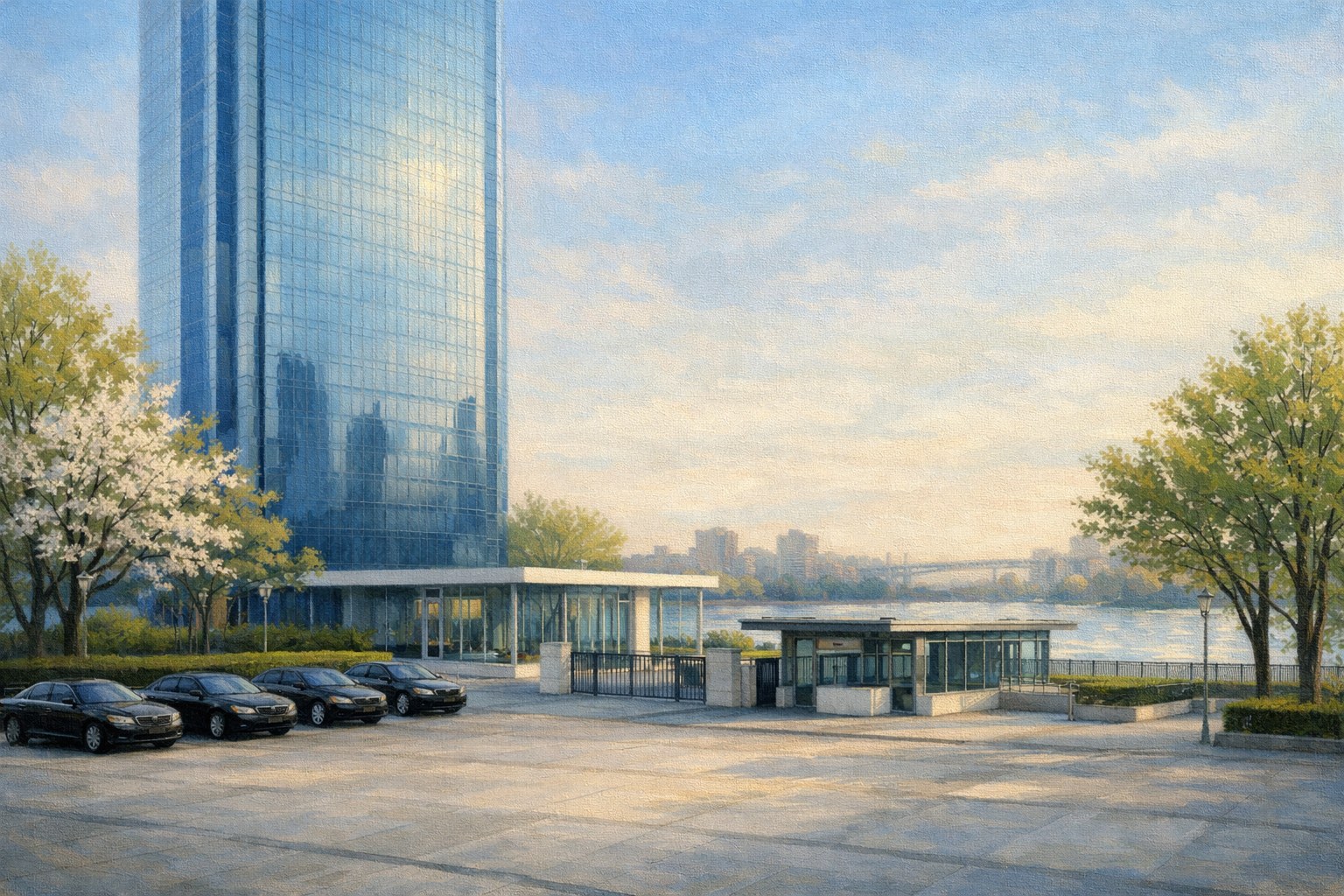
The United Nations Charter was signed in San Francisco on June 26, 1945, and took effect on October 24, 1945, after the Senate approved it 89 to 2. Its headquarters on Manhattan's East Side, on land bought with a gift from John D. Rockefeller Jr., opened in 1952. The UN has 193 member states. The General Assembly gives each one vote, while the Security Council, which can impose sanctions and authorize force, has five permanent members, including the United States, each with a veto.
The United States is the largest funder. It is assessed 22 percent of the regular budget and about a quarter of peacekeeping costs, though U.S. law caps peacekeeping payments at 25 percent, and it gives billions more in voluntary contributions to agencies such as the World Food Programme and UNICEF. The U.S. ambassador to the UN leads a mission in New York. By early 2026 the United States owed nearly 4 billion dollars in unpaid dues, about 95 percent of all regular budget arrears, and made a partial payment in February while the UN cut its budget and staff.
In 2025 the United States withdrew from the World Health Organization, effective January 2026, left the UN Human Rights Council, ended funding for the UN agency for Palestinian refugees, and announced it would leave UNESCO at the end of 2026. In January 2026 it ordered withdrawal from 66 international bodies, 31 of them UN entities, including the UN climate change convention. Supporters say the UN is wasteful and hostile to American interests, while critics say pulling back cedes influence to China and weakens tools the United States helped build.
| Status | Active |
| Abbreviation | UN |
| Legal basis | United Nations Participation Act of 1945 |
| Official site | un.org |
| Charter in force | October 24, 1945 |
| Members | 193 |
| Headquarters | New York, since 1952 |
| U.S. regular budget share | 22 percent |
| U.S. arrears | Nearly 4 billion dollars in early 2026 |
| Date | Charter in force October 24, 1945 |
| Location | United Nations Headquarters, New York |