UN Headquarters Agreement
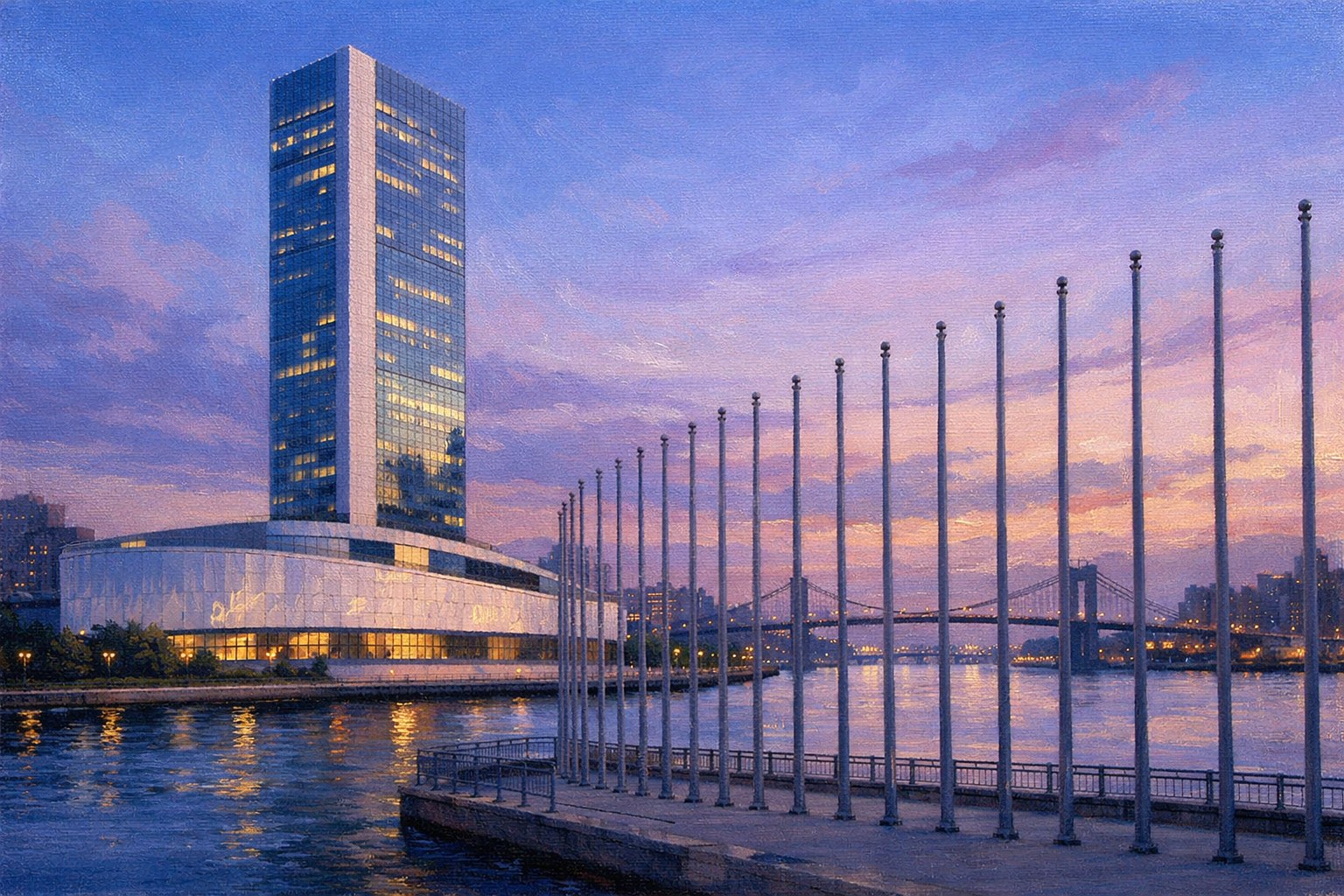
The Agreement between the United Nations and the United States regarding the Headquarters of the United Nations was signed June 26, 1947, and approved by a joint resolution of Congress that August. It creates a headquarters district in Manhattan that remains U.S. territory but is under UN control, where federal, state, and local officials may enter only with the Secretary-General's consent. The UN can make its own regulations inside the district.
Most important, the United States agreed not to block the travel of delegates, UN officials, journalists, and invited guests to and from the headquarters, and to issue them visas promptly. It reserved the right to deny entry on security grounds in limited cases and may restrict where some diplomats travel inside the country. Delegations from countries such as Iran, Cuba, and North Korea have long been limited to the New York area. A UN Committee on Relations with the Host Country hears complaints.
Visa denials have caused repeated disputes. In 1988 the United States refused a visa to Palestine Liberation Organization leader Yasser Arafat, and the General Assembly moved a session to Geneva to hear him. In September 2025 the United States denied or revoked visas for Palestinian Authority officials, and the General Assembly voted to let the Palestinian leader address it by video. The United States says the security exception allows such denials, while the UN and many members say they violate the agreement.

| Status | Active |
| Legal basis | Public Law 80-357 (1947) |
| Official site | un.org |
| Signed | June 26, 1947 |
| Approved by Congress | August 1947 |
| Covers | The UN headquarters district in Manhattan |
| Key U.S. duty | Allow delegates to travel to the UN |
| Disputes heard by | UN Committee on Relations with the Host Country |
| Date | Signed June 26, 1947 |
| Location | United Nations Headquarters, New York |