Declassification
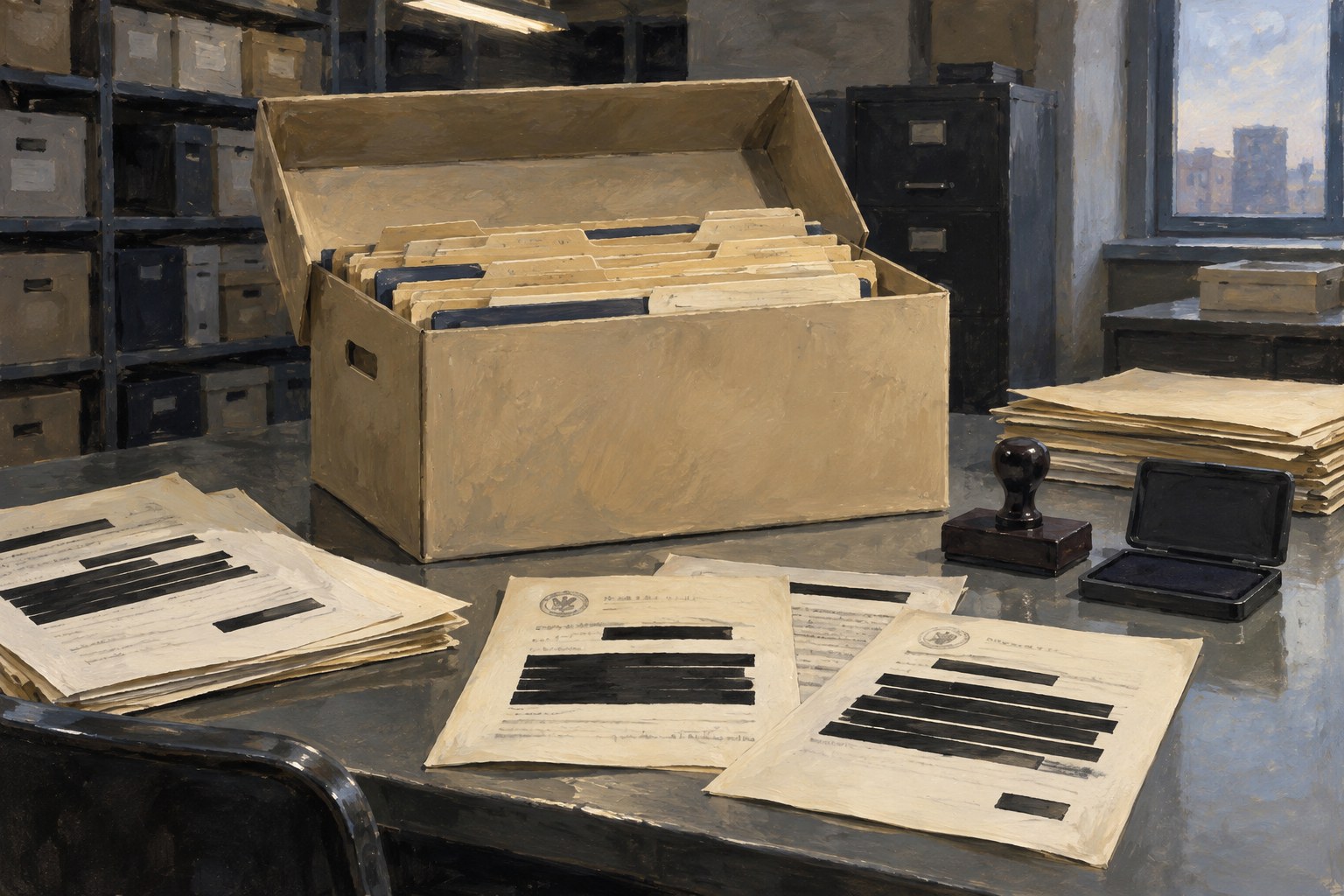
Every classified document is supposed to carry a date or event for declassification, usually no more than 10 years and at most 25 years after it was created. Since an executive order of April 17, 1995, records of permanent historical value are automatically declassified at 25 years unless an agency exempts them because release would still cause harm, for example by revealing a human source or a weapons design, with further reviews at 50 and 75 years. Nuclear weapons information classified under the Atomic Energy Act is not covered by the automatic rule. The National Declassification Center at the National Archives, created in 2009, coordinates review of older records.
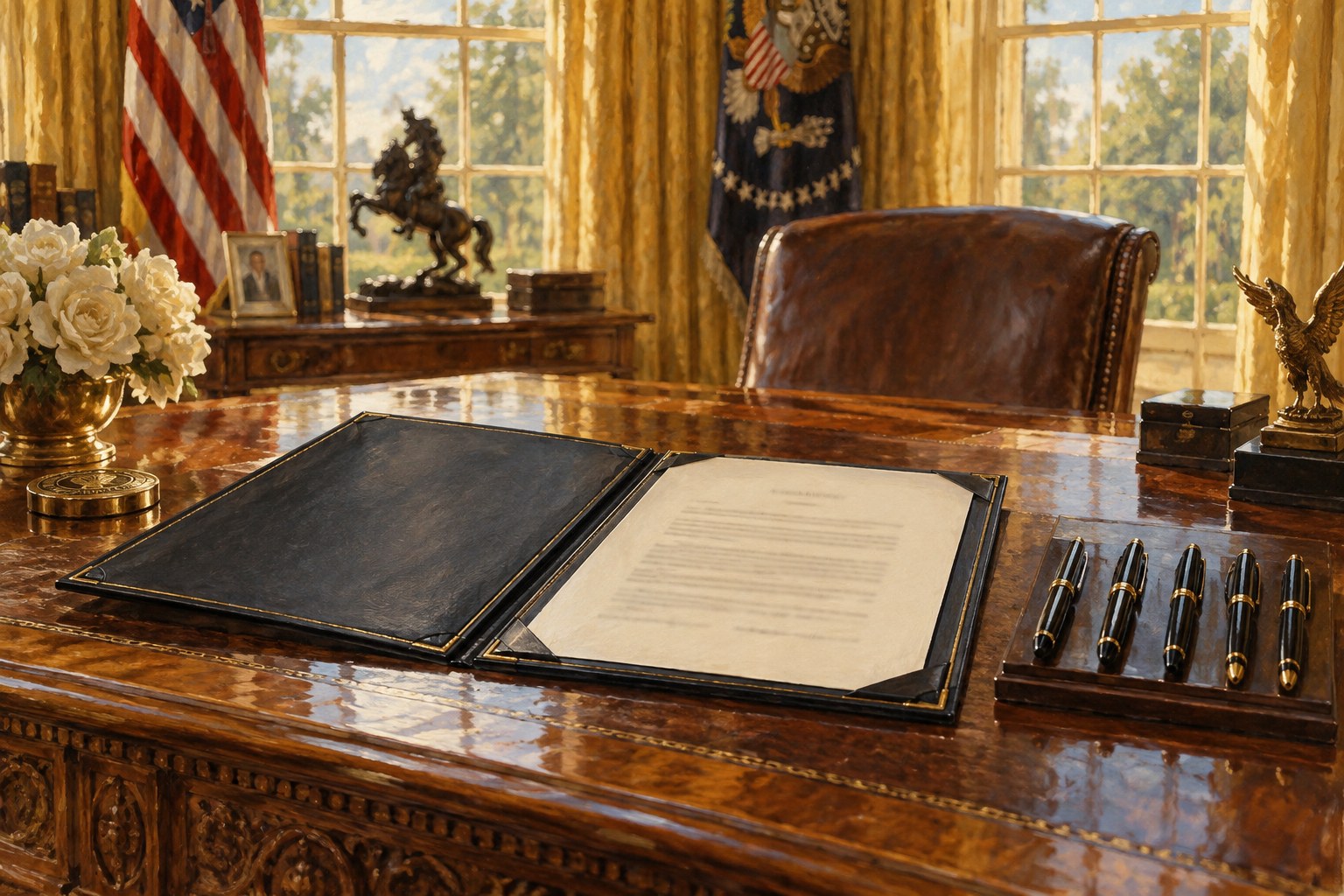
Members of the public can ask for specific documents through a mandatory declassification review request or through the Freedom of Information Act, whose first exemption covers properly classified material. Denials of mandatory review requests can be appealed to the Interagency Security Classification Appeals Panel, which has overruled agencies in many cases. Congress sometimes orders release by statute, as in the President John F. Kennedy Assassination Records Collection Act of 1992, and Presidents can order release directly, as in January 2025, when an executive order directed release of the remaining records on the assassinations of John Kennedy, Robert Kennedy, and Martin Luther King Jr.
The President's authority to declassify is broad, and courts have treated it as rooted in the Constitution, but whether a President may declassify without following the order's procedures or making any record has been disputed and never settled by the courts. Officials and outside reviewers agree that declassification lags far behind the volume of new secrets, especially digital records. Supporters of faster release say openness builds trust and corrects history, intelligence agencies warn that hasty release can expose sources and methods, and both parties have accused opponents of declassifying selectively for political advantage.



| Status | Active |
| Legal basis | Executive Order 13526 (2009), Part 3 |
| Official site | archives.gov |
| Automatic review | At 25 years, with exemptions |
| Later reviews | 50 and 75 years |
| Coordinating office | National Declassification Center (2009) |
| Public requests | Mandatory declassification review and FOIA |
| Appeals | Interagency Security Classification Appeals Panel |
| Date | Automatic 25-year rule since April 17, 1995 |