Denaturalization
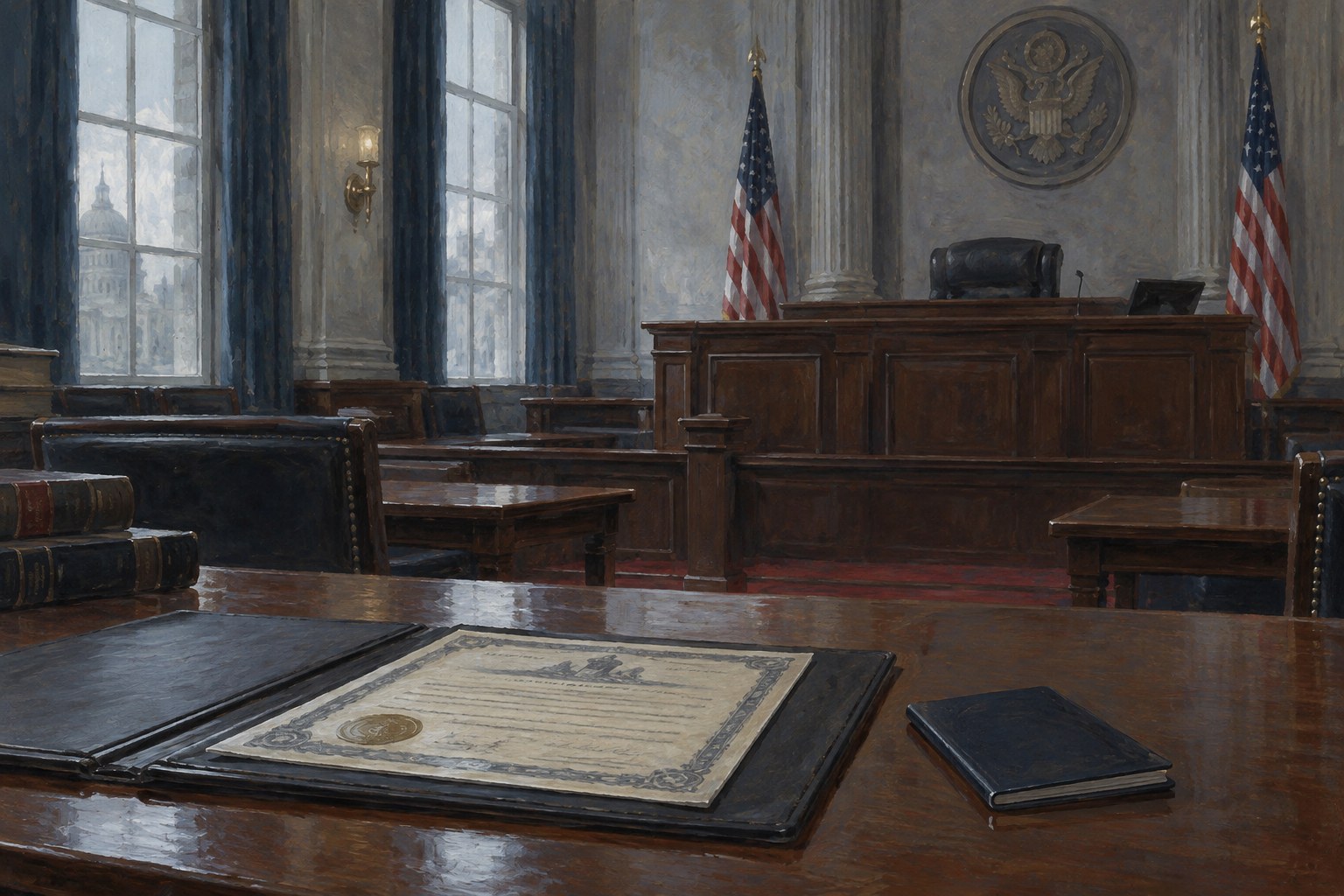
Citizens by birth cannot be stripped of citizenship against their will, as the Supreme Court held in Afroyim v. Rusk in 1967. Naturalized citizens can lose it only through denaturalization, in which the government proves in federal court that citizenship was illegally procured, for example because the person was not eligible, or was obtained by concealing a material fact or by willful misrepresentation. It can be pursued in a civil suit, where the government must present clear, convincing, and unequivocal evidence, or after a criminal conviction for naturalization fraud. In Maslenjak v. United States in 2017 the Court held that a false statement must have mattered to the grant of citizenship.
Denaturalization was common in the 1940s and 1950s, when thousands of people, including suspected communists and Nazi sympathizers, lost citizenship. It became rare after Afroyim and later rulings, used mostly against Nazi war criminals, terrorists, and serious fraud. From 1990 to 2017 the government filed an average of about 11 cases a year. A 2016 review found that hundreds of people had been naturalized despite deportation orders under other names because of missing fingerprint records, and the Justice Department created a section to pursue such cases in 2020.
In June 2025 the Justice Department directed its civil lawyers to make denaturalization a priority and broadened the categories of cases it would pursue, and in 2026 it set a goal of filing at least 250 cases in the fiscal year, with filings rising sharply that summer. Supporters say people who lied to become citizens should not keep the benefit and that the effort targets fraud, crime, and national security threats. Critics say it creates a second class of citizens who can be pursued for years, that old minor errors could become grounds, and that courts and immigration lawyers have limited capacity to handle the cases.





| Status | Active |
| Legal basis | 8 U.S.C. 1451 and 18 U.S.C. 1425 |
| Official site | justice.gov |
| Applies to | Naturalized citizens only |
| Grounds | Illegally procured, or concealment or willful misrepresentation |
| Burden of proof | Clear, convincing, and unequivocal evidence in civil cases |
| Average 1990 to 2017 | About 11 cases a year |
| Fiscal 2026 goal | At least 250 cases |
| Date | Federal denaturalization law since June 29, 1906 |