Naturalization

The Constitution gives Congress the power to establish a uniform rule of naturalization. The first law, in 1790, limited it to free white persons, an exclusion extended to people of African descent in 1870 but not removed for all races until the Immigration and Nationality Act of 1952. Today a permanent resident may generally apply after five years of residence, or three if married to a citizen, with at least half that time physically present in the United States. Applicants must show good moral character, attachment to the Constitution, and the ability to read, write, and speak basic English and must pass a civics test, with exceptions for some older and disabled applicants.
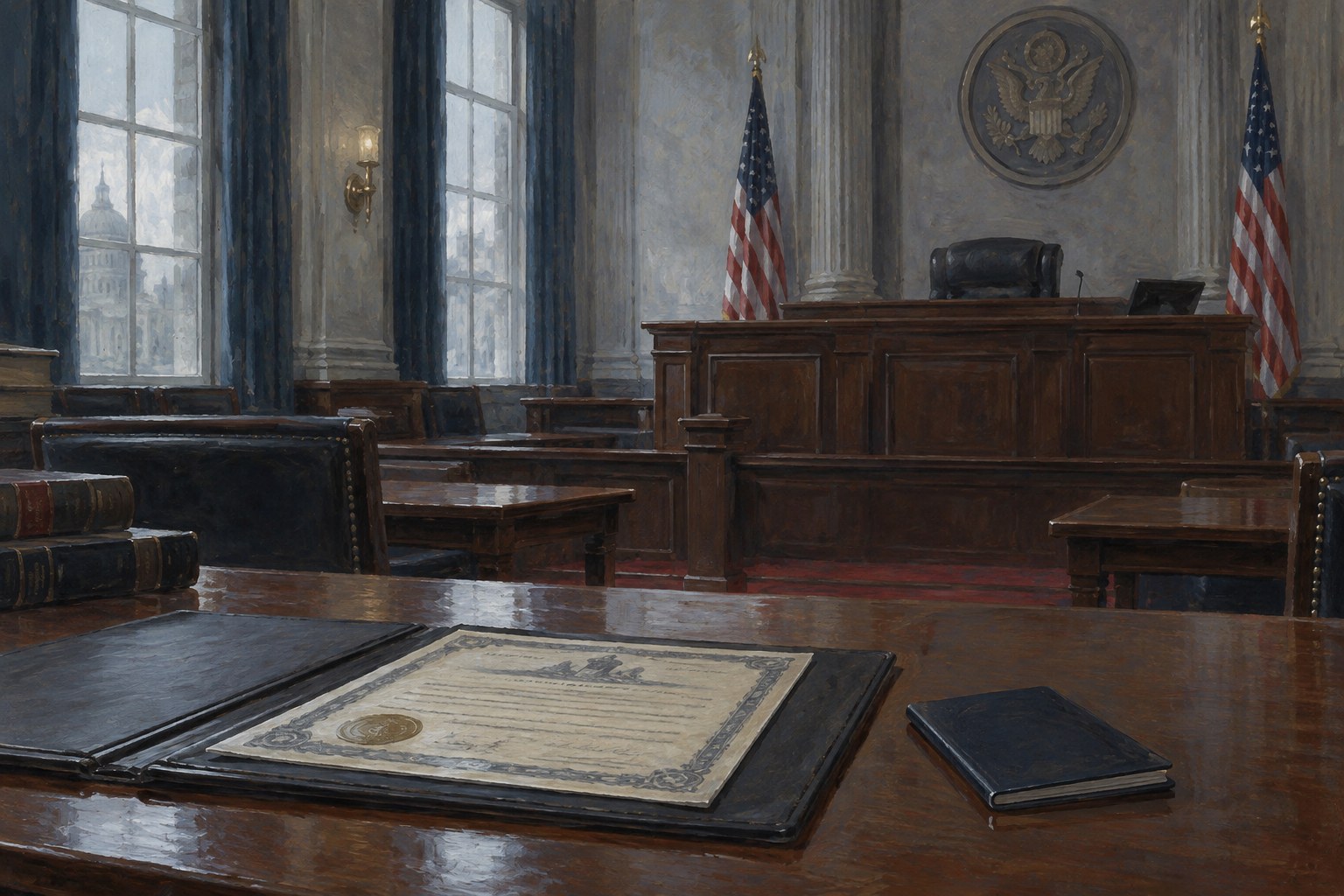
Applicants file Form N-400 with U.S. Citizenship and Immigration Services, which costs 760 dollars on paper or 710 dollars online, submit fingerprints for background checks, and attend an interview where an officer reviews the application and gives the English and civics tests. Under the version for applications filed since October 20, 2025, the officer asks up to 20 civics questions from a list of 128, and the applicant must answer 12 correctly. Approved applicants become citizens only when they take the Oath of Allegiance at a ceremony. Service members can naturalize faster, and children under 18 who are permanent residents living with a citizen parent become citizens automatically under a 2000 law.
More than 800,000 people have naturalized in recent years. Since 2025 USCIS has tightened reviews of good moral character, reintroduced neighborhood checks in some cases, and made the civics test harder. Supporters say the changes protect the integrity of citizenship, while immigrant advocates say they add delays and discourage eligible residents, millions of whom have not applied, often citing cost or uncertainty.





| Status | Active |
| Legal basis | Article I, Section 8, and 8 U.S.C. 1421 to 1458 |
| Official site | uscis.gov |
| Residency | Five years as a permanent resident, three if married to a citizen |
| Application | Form N-400, 760 dollars on paper or 710 online |
| Civics test | Up to 20 questions from 128, 12 correct to pass |
| Final step | Oath of Allegiance |
| New citizens | More than 800,000 a year recently |
| Date | First naturalization law March 26, 1790 |